
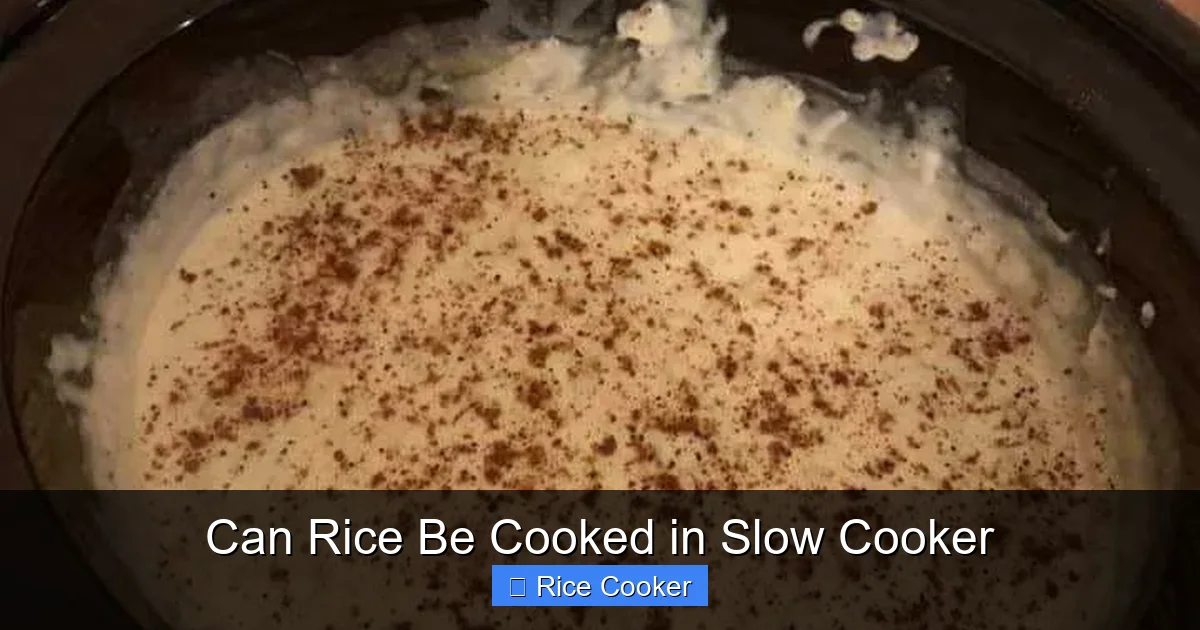
Yes, rice can absolutely be cooked in a slow cooker—but it requires the right technique, liquid ratio, and timing. Unlike stovetop or electric rice cookers, a slow cooker uses gentle, steady heat that can produce tender, evenly cooked grains when done correctly. With the proper prep, like rinsing the rice and using a high-heat setting, you can make fluffy white rice, hearty brown rice, or even creative dishes like risotto or rice pudding. This method is perfect for busy days when you want a set-it-and-forget-it meal with minimal effort.
Key Takeaways
- Slow cookers can cook rice successfully: With the right settings and liquid ratios, your slow cooker can produce perfectly cooked rice without constant attention.
- Use the right rice type: Short-grain white rice (like jasmine or sushi rice) works best, but long-grain varieties like basmati or brown rice can also be used with adjustments.
- Proper liquid-to-rice ratio is critical: Typically 1:1.5 to 1:2 (rice to water), depending on grain type—overwatering leads to mushy rice, under-watering leaves it hard.
- Prep matters: Rinse rice to remove excess starch; soak short-grain rice briefly for fluffier results.
- High heat is usually better: Use the “high” setting for faster cooking (3–4 hours); low heat may extend time or result in uneven texture.
- Rest and fluff: Let rice sit covered for 10 minutes after cooking to finish steaming and achieve ideal texture.
- Experiment with flavors: Add broth, herbs, or spices during cooking to infuse rice with extra taste without extra steps.
Have you ever wondered if you can cook rice in a slow cooker? If you’ve ever reached for your trusty Crock-Pot® on a lazy Sunday or during a busy workweek, you might have considered tossing some rice into the pot along with soup or stew. But will it actually cook properly? And more importantly—will it turn out delicious?
The short answer is yes—rice can absolutely be cooked in a slow cooker. In fact, many home cooks swear by this method for its convenience and hands-off approach. No need to stand over a hot stove, stir constantly, or worry about burning. Just add rice, liquid, and seasonings, set the timer, and let the magic happen.
But before you start tossing uncooked rice into your next chili or soup, there are a few key things to know. Not all slow cookers are created equal, not all rice types behave the same way, and getting the liquid-to-ratio just right can mean the difference between fluffy perfection and a sticky mess.
In this guide, we’ll walk you through everything you need to know about cooking rice in a slow cooker—from choosing the right rice and measuring liquids to avoiding common pitfalls and adding flavor. Whether you’re making plain white rice, creamy risotto, or even rice pudding, we’ve got you covered.
Key Takeaways
- Understanding can rice be cooked in slow cooker: Provides essential knowledge
📑 Table of Contents
- Why People Ask: Is Slow Cooking Rice Even Possible?
- Choosing the Right Type of Rice for Slow Cooking
- Perfecting the Liquid-to-Rice Ratio
- Step-by-Step Guide: How to Cook Rice in a Slow Cooker
- Cooking Rice in a Slow Cooker: Common Mistakes to Avoid
- Creative Uses: Beyond Plain White Rice
- Tips for Different Rice Types in a Slow Cooker
- Can You Cook Rice in a Slow Cooker Without a Lid?
- How Long Does It Take to Cook Rice in a Slow Cooker?
- Can You Cook Rice in a Multi-Cooker or Air Fryer?
- Final Thoughts: Is Cooking Rice in a Slow Cooker Worth It?
Why People Ask: Is Slow Cooking Rice Even Possible?
You might be thinking, “Rice needs high, direct heat to absorb water and puff up.” And you’re not wrong—traditional methods like boiling on the stovetop or using an electric rice cooker rely on intense, focused heat. So how does a slow cooker, which operates at low temperatures for hours, possibly compete?
The trick lies in the science of absorption. Unlike boiling, where water rapidly evaporates, a slow cooker traps steam inside the lid, creating a moist, warm environment perfect for rice to slowly draw in moisture. Over time, even gentle heat can fully hydrate and cook the starch granules in rice, transforming raw kernels into tender, separated grains.
Many modern slow cookers also come with advanced features like temperature control and delay timers, making them even more versatile. Some models even have a dedicated “white rice” or “brown rice” program, though these aren’t always necessary—manual settings often work just fine.
Plus, using a slow cooker for rice opens up new possibilities. Imagine coming home to a bowl of aromatic jasmine rice infused with coconut milk and lemongrass, or a savory wild rice blend simmering with mushrooms and thyme—all while you were out running errands.
Choosing the Right Type of Rice for Slow Cooking
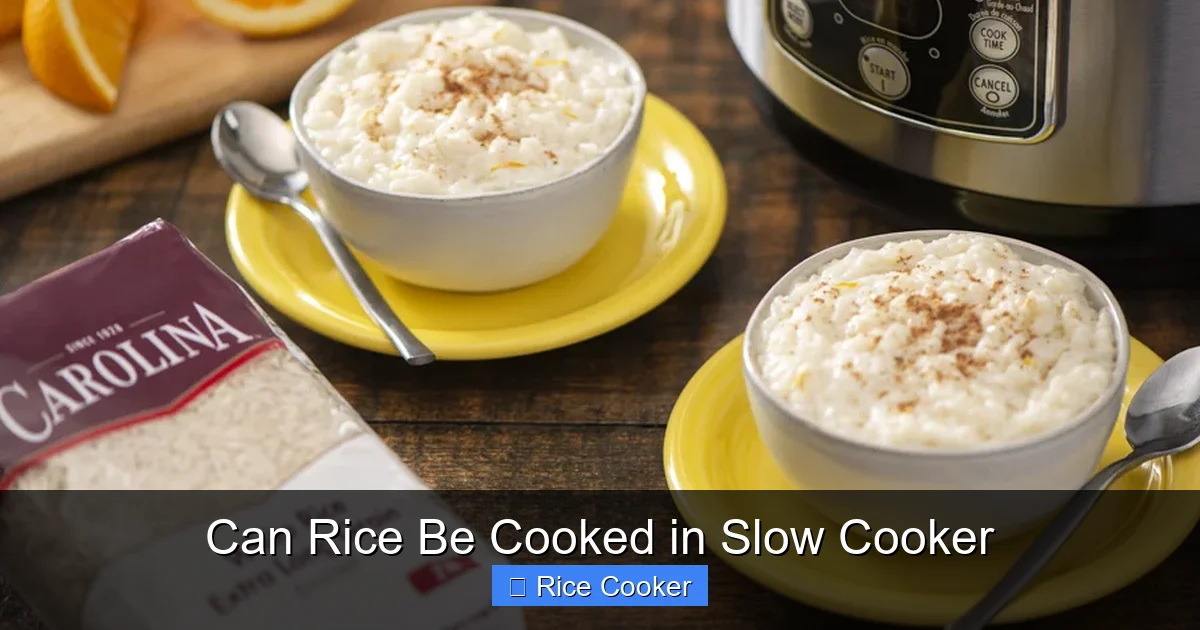
Visual guide about Can Rice Be Cooked in Slow Cooker
Image source: carolinarice.com
Not all rice is created equal when it comes to slow cooking. The type you choose affects how it absorbs water, how it cooks, and ultimately how it tastes.
Short-Grain White Rice
This is your go-to for most slow-cooker rice recipes. Short-grain rice, like jasmine or sushi rice, has a higher starch content, which helps it stay tender and slightly sticky when cooked. It’s ideal for dishes like fried rice, risotto, or even sushi bowls. Because it holds together well, it doesn’t fall apart in soups or stews.
Long-Grain White Rice (Basmati or American)
Basmati rice has a distinct aroma and separates easily after cooking. It’s great for pilafs or side dishes where you want fluffy, individual grains. Long-grain rice typically needs a bit more liquid than short-grain, so adjust accordingly.
Brown Rice
Brown rice is nuttier and chewier than white rice because it retains its bran layer. It takes longer to cook and requires more liquid—usually 1 cup rice to 2.5 cups liquid. While it’s possible to cook brown rice in a slow cooker, it may take 4–6 hours on high or 6–8 hours on low. Be patient, and don’t peek too often—it can dry out.
Wild Rice & Other Varieties
Wild rice is technically a grass seed, not true rice. It’s denser and takes the longest to cook. Combine it with white rice for balance, or use it solo if you enjoy its earthy flavor. Cook time: 4–6 hours on high.
Avoid Instant or Parboiled Rice
These types are pre-treated and designed for quick preparation. They’ll likely become mushy in a slow cooker due to prolonged exposure to moisture.
Perfecting the Liquid-to-Rice Ratio
Visual guide about Can Rice Be Cooked in Slow Cooker
Image source: cravinghomecooked.com
One of the biggest challenges when cooking rice in a slow cooker is getting the water (or broth) level just right. Too little, and the rice dries out and sticks to the bottom. Too much, and it becomes soupy or gummy.
Here’s a reliable starting point:
– White rice (short or long grain): 1 cup rice : 1.25 to 1.5 cups liquid
– Brown rice: 1 cup rice : 2 to 2.5 cups liquid
– Wild rice: 1 cup rice : 3 cups liquid
For extra flavor, substitute part or all of the water with:
– Chicken or vegetable broth
– Coconut milk (great for Thai or Indian-inspired dishes)
– Wine (ideal for risotto-style rice)
Pro tip: Always use room-temperature liquid. Cold liquid can cause uneven cooking.
Step-by-Step Guide: How to Cook Rice in a Slow Cooker
Follow these simple steps for foolproof results every time.
Step 1: Prep Your Ingredients
– Rinse 1 cup of rice under cold water until the water runs clear. This removes excess starch and prevents clumping.
– For short-grain rice, soak it in water for 15–30 minutes before cooking. This helps create a fluffier texture.
– Measure your liquid carefully. Use a liquid measuring cup for accuracy.
Step 2: Add Everything to the Slow Cooker
Place the rinsed rice and measured liquid into the slow cooker insert. Stir once to combine. If adding herbs, garlic, or vegetables, toss them in now.
Step 3: Set the Heat
– For white rice: Use the “high” setting. Cook for 3–4 hours.
– For brown rice: Use “low” for 6–8 hours, or “high” for 4–6 hours.
– Avoid the “warm” setting—it won’t provide enough heat to finish cooking.
Step 4: Let It Rest
Once the timer goes off, do NOT lift the lid immediately. Instead, keep it covered and let the rice rest for 10–15 minutes. This allows residual steam to finish cooking the center and firms up the texture.
Step 5: Fluff and Serve
After resting, gently fluff the rice with a fork. Add salt, butter, or oil if desired. Serve warm.
Cooking Rice in a Slow Cooker: Common Mistakes to Avoid
Even experienced cooks can run into issues when adapting traditional rice recipes to a slow cooker. Here are the most common mistakes—and how to fix them.
Mistake #1: Peeking During Cooking
Every time you lift the lid, steam escapes, lowering the internal temperature and extending cooking time. Keep the lid on unless absolutely necessary.
Mistake #2: Using the Wrong Setting
Using “low” for white rice can result in undercooked or overly soft grains. Stick to “high” for faster, more consistent results.
Mistake #3: Skipping the Rest Period
Skipping the 10-minute rest means your rice might be lukewarm and uneven. Always let it sit—it makes a world of difference.
Mistake #4: Not Rinsing the Rice
Unrinsed rice leaves behind starch, leading to sticky clumps. A quick rinse ensures cleaner, fluffier grains.
Mistake #5: Using Too Much Liquid
Overfilling risks overflowing or soggy rice. Stick to tested ratios and use a measuring cup.
Mistake #6: Cooking Rice in a Soup or Stew First
If you’re adding rice to an existing dish, add it halfway through cooking and cover with a lid. Otherwise, it may not get enough heat.
Creative Uses: Beyond Plain White Rice
While plain rice is great, a slow cooker lets you get creative with textures and flavors.
Risotto-Style Creamy Rice
Use Arborio rice (Italian short-grain) with chicken broth, onion, garlic, and Parmesan. Cook on high for 3–4 hours. Stir occasionally during the last 30 minutes for creaminess.
Coconut Rice
Combine jasmine rice, coconut milk, water, and a pinch of salt. Add pandan leaves or lime zest for fragrance. Cook on high for 3 hours. Serve with curries or grilled fish.
Spanish Rice
Toast dried tomatoes, onions, and garlic in olive oil before adding rice and broth. Simmer on high for 3 hours. Top with peas and olives.
Rice Pudding
Mix rice, milk, sugar, cinnamon, and raisins. Cook on low for 4–6 hours, stirring occasionally. Chill and serve cold for a cozy dessert.
Fried Rice (Post-Cook Method)
Cook rice in the slow cooker first, then transfer to a wok or skillet with oil, eggs, and veggies. Stir-fry for 5–7 minutes. Easy and delicious!
Tips for Different Rice Types in a Slow Cooker
Each rice variety has its quirks. Here’s how to adapt your method.
Jasmine Rice
Best for fragrant, slightly sticky dishes. Use 1:1.5 ratio, soak 15 minutes, cook on high for 3.5 hours.
Basmati Rice
Separates well—perfect for pilafs. Use 1:1.5 ratio, no soaking needed, cook on high for 3 hours.
Brown Rice
Needs patience. Soak overnight for best results. Cook on low for 6 hours or high for 4–5.
Sushi Rice
Stickier than jasmine. Don’t over-soak. Cook on high for 3 hours with 1:1.25 liquid ratio.
Wild Rice Blend
Mix with white rice (50/50) to speed up cooking. Cook on high for 4 hours.
Instant Rice
Avoid. It’s already parboiled and will turn to mush.
Can You Cook Rice in a Slow Cooker Without a Lid?
Technically yes—but not recommended. A tight-fitting lid traps steam and maintains consistent heat. Without it, moisture escapes, and rice may dry out or stick. If your slow cooker lacks a lid, use foil to cover the opening tightly.
How Long Does It Take to Cook Rice in a Slow Cooker?
– White rice: 3–4 hours on high
– Brown rice: 4–6 hours on high, or 6–8 on low
– Wild rice: 5–6 hours on high
– Wild rice blend: 3.5–4 hours on high
Always check rice 30 minutes before the expected finish time to avoid overcooking.
Can You Cook Rice in a Multi-Cooker or Air Fryer?
Yes! Many multi-cookers (like Instant Pot) have a “slow cook” or “rice” function. Air fryers aren’t ideal for full rice dishes, but you can make small batches using the “air crisp” function with a perforated tray.
Final Thoughts: Is Cooking Rice in a Slow Cooker Worth It?
Absolutely. The slow cooker isn’t just for stews and casseroles—it’s a surprisingly capable kitchen tool for making rice. It frees up your stove, keeps your kitchen cool, and delivers consistent, hands-off results.
With a little practice and attention to detail, you’ll master the art of slow-cooked rice. Once you do, you’ll find endless ways to use it—as a base for tacos, a side for roasted chicken, or even a sweet breakfast porridge.
So next time you’re wondering, “Can rice be cooked in a slow cooker?”—the answer is a confident yes. Gather your ingredients, set your timer, and let your slow cooker do the rest.
Frequently Asked Questions
Can you cook any type of rice in a slow cooker?
Most types of rice can be cooked in a slow cooker, including white, brown, jasmine, basmati, and wild rice. However, short-grain and long-grain white rice work best due to their starch content and cooking behavior. Brown rice takes longer and requires more liquid, while wild rice needs the most time and patience.
Do I need to rinse the rice before cooking it in a slow cooker?
Yes, rinsing rice removes excess surface starch, which prevents clumping and promotes fluffier results. Rinse until the water runs clear, especially for short-grain rice. For brown rice, rinsing is optional but still recommended.
What is the best setting to use when cooking rice in a slow cooker?
Use the “high” setting for white rice—it cooks faster and more evenly. Brown rice should be cooked on “low” for 6–8 hours, or “high” for 4–6 hours. Avoid the “warm” setting, as it doesn’t provide enough heat to finish cooking the rice.
How much liquid do I need per cup of rice?
Use approximately 1.25 to 1.5 cups of liquid per cup of white rice, and 2 to 2.5 cups for brown rice. Adjust based on rice type and desired texture. Broth or coconut milk can replace water for added flavor.
Can I cook rice directly in a soup or stew in the slow cooker?
Yes, but add the rice halfway through cooking the soup or stew. Cover the slow cooker and continue cooking until the rice is tender. This ensures the rice gets enough heat without being overwhelmed by liquid.
Why is my slow-cooked rice mushy or sticky?
Mushy rice usually results from too much liquid, overcooking, or not letting it rest. Sticky rice can come from insufficient rinsing or using too much starchy rice. Follow measured ratios, rinse well, and avoid lifting the lid during cooking.