
Can rice be frozen after it’s cooked? Absolutely — freezing cooked rice is a smart way to preserve leftovers and cut down on kitchen waste. With the right techniques, your frozen rice will stay fresh, safe, and delicious for weeks. This guide walks you through everything you need to know: from proper storage to reheating tips, so you never have to worry about cold, mushy rice again.
Key Takeaways
- Freezing cooked rice is safe and effective: When done correctly, freezing preserves flavor, texture, and nutrients for up to 3 months.
- Proper cooling prevents bacterial growth: Cool rice quickly to room temperature before freezing to avoid creating a warm environment where bacteria multiply.
- Use airtight containers or freezer bags: Prevent freezer burn and moisture loss by storing rice in sealed, labeled containers.
- Portion control makes reheating easy: Freeze rice in small servings so you only thaw what you need, reducing waste.
- Reheating matters: Always steam or microwave rice with a splash of water to restore moisture and prevent dryness.
- Label and date your containers: Keep track of how long rice has been frozen to ensure maximum freshness and safety.
- Different rice types freeze well: White, brown, jasmine, basmati, and even fried rice all freeze successfully with proper handling.
📑 Table of Contents
- Can Rice Be Frozen After It’s Cooked? Yes — Here’s How (and Why You Should)
- Why Freeze Cooked Rice?
- How Long Can You Freeze Cooked Rice?
- Step-by-Step: How to Properly Freeze Cooked Rice
- What Types of Rice Freeze Best?
- How to Reheat Frozen Rice Without Ruining It
- Common Mistakes to Avoid
- Frozen Rice vs. Fresh Cooked: Which Is Better?
- Bonus Tips for Rice Lovers
- Conclusion: Yes, You Can Freeze Cooked Rice — And You Should!
Can Rice Be Frozen After It’s Cooked? Yes — Here’s How (and Why You Should)
You just finished a big pot of rice — maybe it’s leftover jasmine rice from last night’s stir-fry or a batch of fluffy brown rice from Sunday dinner. Instead of letting it sit in the fridge for days (or worse, tossing it), you might wonder: Can rice be frozen after it’s cooked? The short answer? Yes — absolutely. In fact, freezing cooked rice is one of the most practical ways to reduce food waste, save time, and keep meals ready for busy days ahead.
But before you pop that bowl straight into the freezer, there are some important steps to follow. Freezing rice isn’t as simple as tossing it in the freezer — if done incorrectly, you could end up with ice-crystalized grains or, worse, a food safety risk. So let’s dive into everything you need to know about freezing cooked rice, from safety tips to reheating hacks. Whether you’re using a rice cooker, stovetop, or Instant Pot, this guide works for all methods. Ready to become a rice-freezing pro? Let’s get started.
Why Freeze Cooked Rice?
Before we talk technique, let’s talk motivation. Why go through the trouble of freezing rice at all?

Visual guide about Can Rice Be Frozen After It’s Cooked
Image source: spiceeupp.co.uk
1. Reduce Food Waste
According to the USDA, Americans throw away nearly 40% of all food each year — and cooked rice is no exception. Leftover rice often gets forgotten in the back of the fridge or dries out before anyone eats it. Freezing allows you to preserve portions you don’t need immediately, so nothing goes to waste.
2. Save Time and Effort
Have you ever rushed home after work and thought, “I wish I had some rice ready to go”? Frozen rice means instant meal prep. Just thaw and heat — no cooking required. This is especially helpful for parents, students, or anyone juggling a busy schedule.
3. Maintain Nutritional Value
Cooked rice retains its vitamins and minerals when frozen properly. While some nutrients may degrade over time, freezing actually helps slow down oxidation and keeps rice fresher than refrigeration alone. That means more of what you cooked stays in your meal.
4. Perfect for Meal Planning
If you’re meal prepping for the week, freezing rice in individual portions is a game-changer. Use it in bowls, salads, casseroles, or as a side dish — the possibilities are endless. And since rice freezes well, you can build a whole week’s worth of meals in minutes.
5. Ideal for Large Batches
Ever made too much rice for one meal? Maybe you’re hosting guests or making fried rice for a crowd. Freezing lets you scale up without stress. Cook once, freeze in portions, and enjoy later.
How Long Can You Freeze Cooked Rice?
One of the most common questions is: How long does frozen rice last? The good news is that cooked rice can safely be stored in the freezer for up to 3 months. Beyond that, quality begins to decline — think dryness, off-flavors, or texture changes.
Visual guide about Can Rice Be Frozen After It’s Cooked
Image source: crunchycreamysweet.com
Here’s a quick breakdown:
- Best quality: Up to 1 month
- Safe to eat: Up to 3 months
- Not recommended: Over 6 months (risk of freezer burn and nutrient loss)
Always label your containers with the date. If you forget how long it’s been frozen, look for signs like ice crystals, strong odors, or slimy texture — if in doubt, toss it.
Step-by-Step: How to Properly Freeze Cooked Rice
Freezing rice isn’t complicated, but following these steps ensures safety, texture, and taste.
Step 1: Let the Rice Cool Quickly
After cooking, spread the rice out in a shallow container or tray. Don’t leave it sitting in a deep pile — this traps heat and creates a breeding ground for bacteria like Bacillus cereus, which can grow in improperly cooled rice.
Aim to cool rice to room temperature within 1–2 hours. You can speed this up by placing the container in an ice bath (submerge in cold water with ice cubes) and stirring occasionally.
Step 2: Portion It Out
Divide the rice into single or double servings. Use muffin tins, ice cube trays, or small freezer-safe containers. This makes reheating faster and reduces thawing waste.
For example, if you cooked 4 cups of rice, portion it into four 1-cup servings. Each portion can go straight into the freezer.
Step 3: Store in Airtight Containers
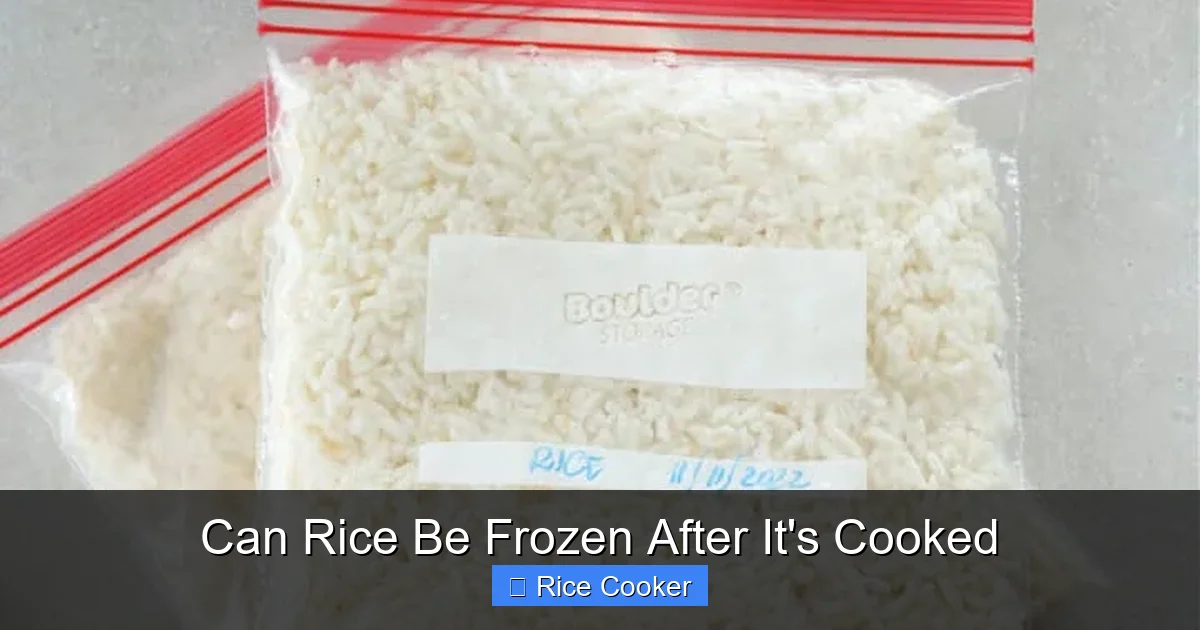
Use freezer-safe plastic containers, glass jars, or heavy-duty freezer bags. If using bags, squeeze out as much air as possible to prevent freezer burn.
Avoid regular ziplock bags — they tear easily and let in moisture.
Step 4: Label and Date
Write the contents and date on the container. Use waterproof markers or tape. This helps you rotate stock and avoid confusion later.
Step 5: Freeze Flat (If Using Bags)
To save space and allow even freezing, lay freezer bags flat or roll them tightly. Stand upright in the freezer if stacking is necessary.
What Types of Rice Freeze Best?
Most cooked rice varieties freeze well, but some hold up better than others.
White Rice
White rice — like jasmine or basmati — freezes beautifully. It has a neutral flavor and holds its shape well after thawing. Perfect for stir-fries, bowls, or side dishes.
Brown Rice
Brown rice can also be frozen, though it tends to absorb more water during reheating. Because it’s higher in fiber, it takes longer to cook initially, so plan accordingly when defrosting.
Fried Rice
This is a favorite among home cooks. Make a big batch of fried rice, let it cool, portion it, and freeze. When you want a quick lunch, just thaw and heat — no need to fry again.
Risotto and Creamy Rice
These are trickier due to their high moisture content. They may separate or become soggy. If you must freeze them, add a little extra liquid when reheating.
Sushi Rice
Sushi rice can be frozen, but it absorbs vinegar and salt unevenly. It’s better to freeze plain cooked rice and season it later. This gives you more control over flavor.
How to Reheat Frozen Rice Without Ruining It
Thawed rice should be moist, not mushy or dry. Follow these tips for perfect results.
Method 1: Microwave with Steam
Place frozen rice in a microwave-safe dish. Add a tablespoon of water or broth. Cover with a damp paper towel or vented lid. Microwave on high for 1–2 minutes per cup, checking halfway through. Stir and repeat if needed.
Method 2: Steam on the Stovetop
Bring 1 inch of water to a simmer in a saucepan. Add rice, cover, and let steam for 5–7 minutes. Stir occasionally to prevent sticking.
Method 3: Oven Reheating
Preheat oven to 350°F (175°C). Place rice in an oven-safe dish, add a splash of water, cover with foil, and bake for 10–15 minutes. Great for larger batches.
Pro Tip: Add Flavor During Reheating
While warming, toss in soy sauce, butter, garlic, or herbs. This refreshes the taste and makes frozen rice feel fresh again.
Common Mistakes to Avoid
Even experienced cooks make errors when freezing rice. Avoid these pitfalls:
- Freezing hot rice directly: This raises the freezer temperature temporarily and risks bacterial growth.
- Using shallow containers only: Deep containers trap heat; always spread rice thin for even cooling.
- Not labeling containers: You’ll forget what’s inside and when it was frozen.
- Overfilling freezer bags: Leaves no room for expansion during freezing.
- Skipping the ice bath: Slow cooling increases food safety risks.
Frozen Rice vs. Fresh Cooked: Which Is Better?
It depends on your needs.
Fresh cooked rice tastes best right after cooking — soft, fragrant, and full of aroma. But it doesn’t last long in the fridge (only 3–4 days).
Frozen rice loses a bit of freshness over time, but it’s incredibly convenient and safe. With proper reheating, the difference is minimal for most dishes.
Think of frozen rice as a backup plan — ideal for emergencies, meal prep, or reducing waste. For special occasions or when you want peak flavor, cook fresh.
Bonus Tips for Rice Lovers
- Use rice cookers with freezing modes: Some modern rice cookers have a “keep warm” or “freeze” setting that helps manage temperature transitions.
- Freeze rice in ice cube trays for soups: Cube-sized portions melt quickly in broths.
- Try freezing rice flour or batter: Works great for pancakes or rice cakes.
- Don’t freeze rice with sauces too long: Thick sauces may separate.
- Rotate your stock: Use older frozen rice first to maintain freshness.
Conclusion: Yes, You Can Freeze Cooked Rice — And You Should!
So, can rice be frozen after it’s cooked? The answer is a resounding yes — and now you know exactly how to do it safely and effectively. Freezing cooked rice is a simple, smart strategy that saves time, cuts waste, and keeps your pantry stocked with ready-made meals.
Whether you’re using a rice cooker, stovetop, or Instant Pot, the process remains the same: cool quickly, portion wisely, store in airtight containers, and label clearly. With these steps, your frozen rice will stay fresh, safe, and delicious for weeks.
Next time you make a big batch, remember: don’t waste a single grain. Freeze it, love it later.
Frequently Asked Questions
How long does frozen cooked rice last in the freezer?
Frozen cooked rice is safe to eat for up to 3 months. For best quality, use within 1 month. Always check for signs of freezer burn or spoilage before eating.
Can you freeze cooked rice directly from the stove?
No, never freeze hot rice directly. Let it cool to room temperature within 1–2 hours first to prevent bacterial growth. Use an ice bath to speed up cooling if needed.
Does frozen rice lose its nutrients?
Some nutrients may decrease slightly over time, but freezing actually helps preserve many vitamins and minerals better than refrigeration alone. Proper storage minimizes nutrient loss.
How do you reheat frozen rice without making it mushy?
Microwave with a splash of water, steam on the stovetop, or bake in the oven. Covering helps retain moisture. Stir halfway through to ensure even heating.
Can you freeze fried rice?
Yes! Let fried rice cool completely, portion it, and freeze in airtight containers. Reheat by microwaving with a little oil or steaming to revive crispiness.
Is it safe to freeze rice that’s been sitting out overnight?
Only if it was properly refrigerated below 40°F (4°C) within 2 hours of cooking. Rice left at room temperature for more than 2 hours may harbor dangerous bacteria and should not be frozen.