
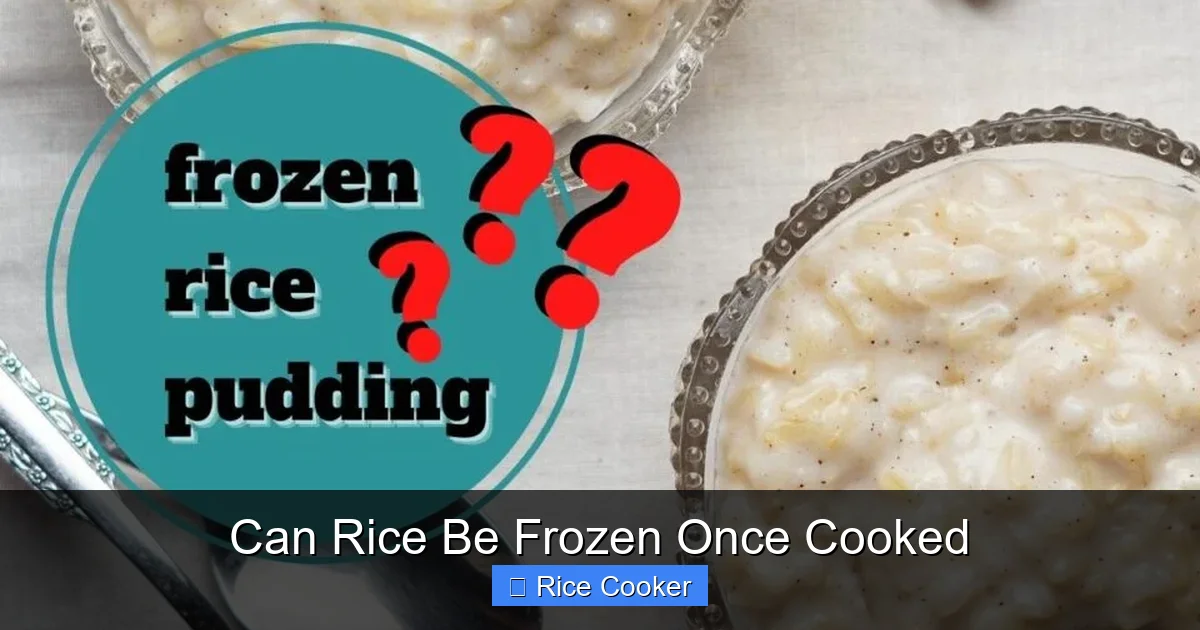
Cooked rice can absolutely be frozen for future use, making meal prep easier and reducing food waste. When stored correctly in airtight containers or freezer bags, rice keeps well for up to 6 months without losing much flavor or texture. Whether you’ve made a big pot for leftovers or want to save time on busy days, freezing rice is a simple and effective strategy.
Key Takeaways
- Yes, cooked rice freezes well: It maintains quality and safety when frozen within a few hours of cooking and stored properly.
- Freezer storage matters: Use airtight containers or vacuum-sealed bags to prevent freezer burn and moisture loss.
- Label and date containers: This helps you track freshness and ensures you use the oldest batches first.
- Thaw safely before reheating: Always thaw rice in the fridge or using the defrost setting on your rice cooker to avoid bacterial growth.
- Reheat thoroughly: Steam or microwave rice until it’s hot all the way through to ensure food safety.
- Best types of rice to freeze: White rice generally freezes better than brown rice due to lower oil content and firmer texture.
- Portion size affects convenience: Freezing rice in small portions makes it easy to defrost only what you need.
📑 Table of Contents
- Can Rice Be Frozen Once Cooked? The Definitive Guide to Safe & Smart Storage
- Why Freeze Cooked Rice?
- How Long Can You Keep Cooked Rice in the Freezer?
- Step-by-Step: How to Freeze Cooked Rice Properly
- Which Type of Rice Freezes Best?
- Reheating Frozen Cooked Rice Safely
- Creative Ways to Use Frozen Rice
- Common Myths About Freezing Rice Debunked
- Tips for Freezing Rice with Other Ingredients
- Final Thoughts: Is Freezing Rice Worth It?
Can Rice Be Frozen Once Cooked? The Definitive Guide to Safe & Smart Storage
Have you ever found yourself staring at a pot of perfectly cooked rice, wondering what to do with the leftovers? Or maybe you’re meal prepping for the week and want to save time by cooking rice ahead? If so, you’re not alone. One of the most common questions cooks ask is: can rice be frozen once cooked? The short answer is yes—absolutely. But like any good kitchen hack, freezing rice comes with its own set of best practices to keep it safe, tasty, and convenient.
In this article, we’ll walk you through everything you need to know about freezing cooked rice, from timing and packaging to thawing and reheating. We’ll also share pro tips for different types of rice, explain why some methods work better than others, and help you avoid common mistakes that can ruin even the fluffiest batch. Whether you’re using a rice cooker, stovetop, or Instant Pot, these guidelines apply across the board.
By the end, you’ll feel confident every time you freeze rice—and you’ll never look at leftover grains the same way again.
Why Freeze Cooked Rice?
Visual guide about Can Rice Be Frozen Once Cooked
Image source: recipes.net
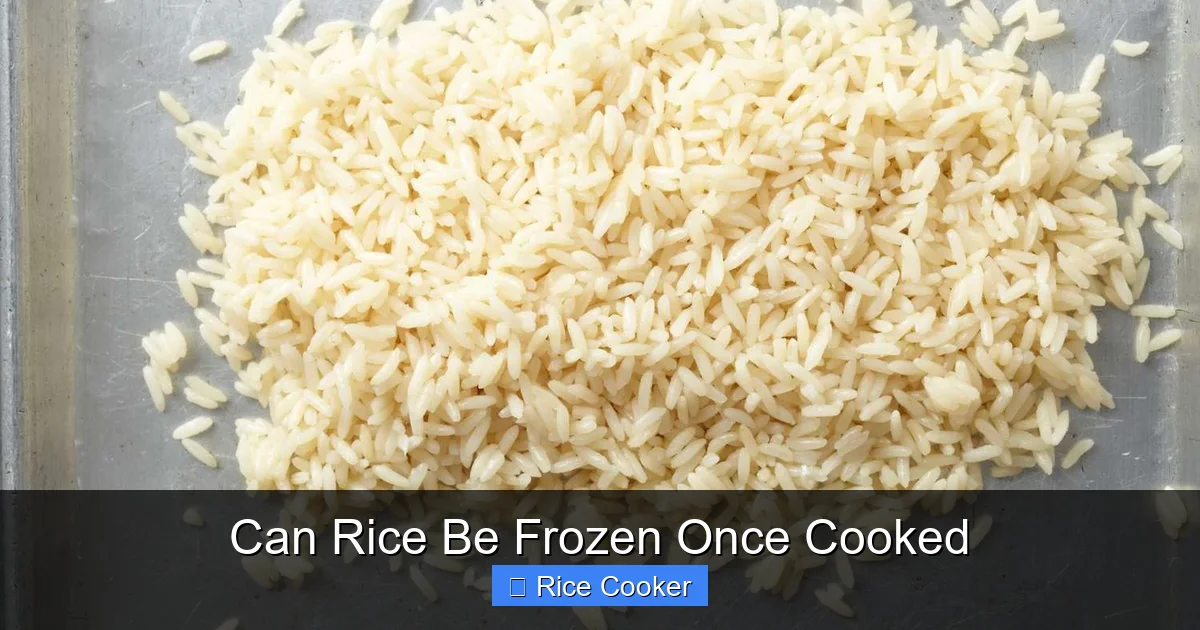
Freezing cooked rice isn’t just a clever trick—it’s a practical solution to food waste and meal planning stress. When you cook a large batch of rice, especially for dishes like fried rice, casseroles, or rice bowls, it’s tempting to toss the extras. But with proper storage, those leftovers can last for weeks—or even months—in the freezer.
One major benefit of freezing rice is convenience. Imagine waking up on a busy morning and realizing you don’t have time to cook rice. With a portion already thawed and ready, you can quickly whip up a stir-fry, add it to a soup, or serve it as a side. No more waiting 30 minutes for the water to boil!
Another advantage is flavor preservation. While fresh rice has a certain springiness, frozen rice can still deliver great taste when reheated properly. The key is minimizing exposure to air and moisture, which are the enemies of long-term storage.
Finally, freezing rice supports sustainability. Instead of composting or discarding uneaten food, you’re giving it a second life—perfect for eco-conscious eaters who want to reduce their environmental footprint.
How Long Can You Keep Cooked Rice in the Freezer?
Visual guide about Can Rice Be Frozen Once Cooked
Image source: umall.com.au
The freezer extends the shelf life of cooked rice significantly. When stored correctly, rice can stay safe and edible for up to 6 months. However, quality starts to decline after about 3 months, so for the best texture and flavor, aim to use it within that window.
Factors That Affect Freezer Life
Several variables influence how long your frozen rice will last:
– Packaging quality: Air leaks lead to freezer burn.
– Initial cooling speed: Rapidly cooling rice reduces bacterial risk and preserves texture.
– Type of rice: White rice lasts longer than brown rice because it contains less oil, which can go rancid over time.
– Freezer temperature: Consistently keeping your freezer at 0°F (-18°C) ensures optimal preservation.
Most experts recommend using frozen rice within 3 to 4 months for peak quality. After that, it won’t spoil, but may develop off-flavors or dryness.
Signs Your Frozen Rice Has Gone Bad
Even though rice doesn’t “go bad” in the traditional sense (like milk or meat), it can degrade in quality. Watch out for:
– Ice crystals or frost buildup inside the container
– A sour or unpleasant odor
– Hard, chewy clumps instead of fluffy grains
– Discoloration (grayish or yellowish spots)
If you notice any of these signs, it’s best to discard the rice. Safety first!
Step-by-Step: How to Freeze Cooked Rice Properly
Freezing rice might seem straightforward, but doing it right makes all the difference. Follow these steps to lock in freshness and avoid common pitfalls.
Step 1: Cool the Rice Quickly
After cooking, let the rice cool slightly—about 10–15 minutes—then spread it out on a baking sheet or shallow dish. This rapid cooling process, known as “flash chilling,” prevents condensation from forming inside the container and stops bacteria from multiplying.
Don’t leave hot rice sitting in the refrigerator overnight. Bacteria like *Bacillus cereus*, which can grow in cooked rice, thrive between 40°F and 140°F (4°C and 60°C). By cooling fast, you keep the rice out of that danger zone.
Step 2: Portion Into Small Batches
Divide the cooled rice into manageable portions—typically 1 cup per serving. Use freezer-safe containers or resealable plastic bags. Squeezing out extra air before sealing helps prevent freezer burn.
Pro tip: If using bags, lay them flat so they stack neatly in your freezer and take up less space.
Step 3: Label and Date Everything
Use a permanent marker to write the contents and date on each container or bag. Trust us—you’ll thank yourself later when you’re digging through the freezer and see a mystery package labeled “Rice – ???”
Step 4: Store in the Coldest Part of the Freezer
Place the containers toward the back of the freezer, where temperatures are most stable. Avoid storing them near the door, which fluctuates in temperature.
Which Type of Rice Freezes Best?
Not all rice varieties behave the same in the freezer. Here’s a quick breakdown:
White Rice
White rice is the champion of freezing. Its low fat content and starchy structure make it ideal for long-term storage. Short-grain, medium-grain, and jasmine rice all freeze well and reheat beautifully.
Brown Rice
Brown rice has more fiber and nutrients, but it also contains oils that can become rancid over time. If you plan to freeze brown rice, use it within 2 to 3 months. For best results, store it in vacuum-sealed bags to minimize oxygen exposure.
Wild Rice
Wild rice is technically a grass seed, not a grain. It freezes okay, but its long, irregular shape can become mushy when reheated. Consider freezing it in small quantities or mixing it into dishes like stuffing or pilafs.
Rice Mixes & Pre-Cooked Blends
Some pre-cooked rice mixes (like those with vegetables or seasonings) may contain ingredients that don’t freeze well—such as dairy or sauces. Check labels and consider removing perishable additives before freezing.
Reheating Frozen Cooked Rice Safely
Bringing frozen rice back to life is simple—but skipping key steps can lead to dry, rubbery, or unsafe results.
Option 1: Thaw in the Refrigerator (Slow Method)
Transfer the container to the fridge 12–24 hours before use. This slow thaw ensures even warming and minimizes bacterial growth. Perfect if you’re planning ahead.
Option 2: Use the Microwave (Fast Method)
Remove rice from the freezer. Let it sit at room temperature for 10–15 minutes, then microwave in 30-second intervals, stirring between each, until heated through. Add a splash of water if it seems dry.
Option 3: Steam in a Rice Cooker
Many modern rice cookers have a “warm” or “steam” function. Place the frozen rice in the cooker, sprinkle with a tablespoon of water, and steam for 5–7 minutes. This method restores moisture and fluffiness.
Option 4: Reheat on the Stovetop
Heat a nonstick skillet over medium heat. Add rice in an even layer, cover with a lid or foil, and warm gently while stirring occasionally. Add a little broth or water to revive dryness.
Avoid These Mistakes
– Don’t microwave frozen rice straight from the freezer without letting it come to room temp first—it heats unevenly.
– Never reheat rice more than once. Leftover reheated rice should be eaten immediately.
– Skip the oven unless you’re roasting rice-based dishes like rice puddings or baked rice cakes.
Creative Ways to Use Frozen Rice
Frozen rice isn’t just for reheating plain. It’s incredibly versatile in the kitchen. Try these ideas:
Fried Rice
Sauté frozen rice with soy sauce, garlic, eggs, and veggies for a quick dinner. Just thaw slightly before adding to the pan.
Rice Bowls
Build a customizable bowl with protein (grilled chicken, tofu, shrimp), roasted vegetables, pickled ginger, and a drizzle of sesame oil.
Risotto
Break down frozen rice into smaller pieces, then simmer in broth with cheese, mushrooms, and herbs for creamy comfort food.
Rice Pudding
Simmer rice with milk, cinnamon, sugar, and raisins until thickened. Great for dessert or breakfast.
Sushi Rolls
Use cold, thawed sushi rice to roll up your favorite fillings. Make sure it’s completely dry before rolling.
Stuffing & Dressing
Mix rice with celery, onions, broth, and spices for Thanksgiving-style sides.
Common Myths About Freezing Rice Debunked
Let’s clear up some misconceptions that might stop you from freezing rice.
Myth 1: “Frozen rice loses all its nutrients”
False. While prolonged storage can cause minor nutrient loss, freezing actually preserves vitamins and minerals better than leaving rice at room temperature. The real enemy of nutrition is improper handling—not the freezer.
Myth 2: “You can only freeze rice once”
Not true! Once thawed, you can freeze rice again—but only once. Repeated freezing-thawing cycles degrade texture and increase contamination risk.
Myth 3: “All rice cookers can freeze rice”
Nope. Standard rice cookers aren’t designed to hold frozen food. Only some high-end models with freezer compatibility can handle frozen inputs. Always check your manual.
Myth 4: “Frozen rice tastes bland”
With proper reheating, frozen rice retains much of its original flavor. Seasoning during reheating (like adding soy sauce or herbs) brings it back to life.
Tips for Freezing Rice with Other Ingredients
Want to freeze rice as part of a complete meal? Here’s how to do it smartly:
Freeze Rice + Protein Together
Combine cooked rice with grilled chicken, beans, or tofu in an airtight container. Just add seasonings before freezing to prevent drying out.
Beware of Dairy & Sauces
Avoid freezing rice with cream-based sauces, mayonnaise, or raw eggs—they separate or spoil faster.
Use Mason Jars
Leave ½-inch headspace at the top of wide-mouth mason jars. They’re great for soups, stews, or rice-based dishes like paella.
Vacuum Seal for Longevity
For serious freezer storage, invest in a vacuum sealer. It removes air completely, extending shelf life to 8–12 months.
Final Thoughts: Is Freezing Rice Worth It?
Absolutely. Freezing cooked rice is one of the easiest, most effective ways to cut down on waste, save time, and simplify meal prep. With just a few extra minutes of planning, you gain weeks of flexibility in the kitchen.
Whether you’re feeding a family, meal prepping for the week, or just trying to eat smarter, freezing rice is a game-changer. And the best part? It works with virtually any type of rice and most cooking appliances—including your trusty rice cooker.
So next time you make a big batch, don’t hesitate. Cool it fast, pack it tight, and freeze it smart. Your future self will thank you with every delicious, hassle-free meal.
Frequently Asked Questions
Can I freeze rice immediately after cooking?
Yes, but let it cool slightly first. Hot rice creates condensation when sealed, leading to freezer burn. Cool it for 10–15 minutes before freezing.
How do I prevent freezer burn on frozen rice?
Use airtight containers or vacuum-sealed bags, remove as much air as possible, and label with the date. Also, avoid storing rice near frequently opened freezer doors.
Can you freeze rice in aluminum foil?
It’s not recommended. Aluminum foil isn’t airtight and can tear. Use food-grade plastic wrap with a container or heavy-duty freezer bags instead.
Does frozen rice affect rice cooker performance?
Only if you put frozen rice directly into a standard rice cooker. Most models aren’t designed for frozen inputs. Thaw rice first or use the “steam” function if available.
Can I freeze rice with sauce or toppings?
Yes, but avoid dairy-based sauces or wet toppings that may separate. Mix dry seasonings with rice before freezing for best results.
How do I reheat frozen rice without making it soggy?
Thaw rice partially at room temperature, then reheat in a covered pan or microwave with a damp paper towel. Stir frequently to distribute heat evenly.