
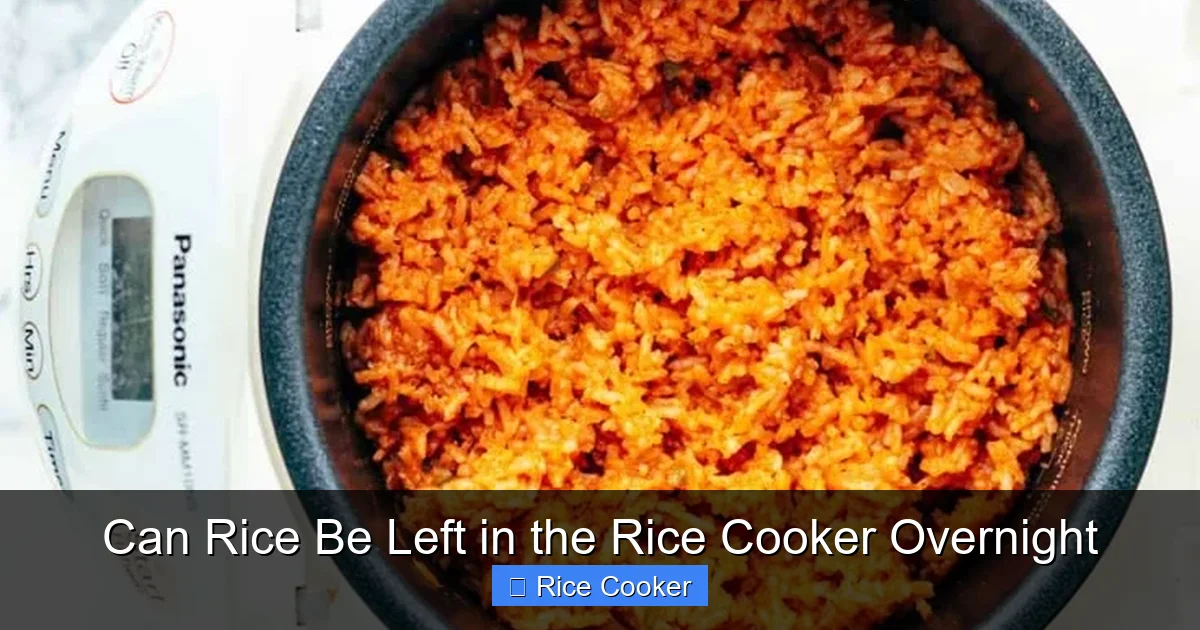
Leaving cooked rice in a rice cooker overnight is generally not recommended due to bacterial growth and texture changes. While modern rice cookers offer warm settings, they lack precise temperature control needed to maintain food safety. For optimal results, transfer rice to an airtight container and refrigerate within two hours of cooking.
Key Takeaways
- Safety First: Bacteria like Bacillus cereus thrive on cooked rice at room temperature, especially if left too long.
- Rice Cooker Warm Mode Isn’t Enough: Most warm settings hover around 160–170°F (71–77°C), which is below the FDA’s recommended 140°F (60°C) for safe holding.
- Texture Suffers: Rice left in the cooker overnight becomes mushy, sticky, and unappetizing.
- Refrigeration Is Safer: Store cooked rice in shallow, airtight containers and cool it quickly before refrigeration.
- Reheating Tips Matter: Always reheat rice to 165°F (74°C) throughout to kill potential bacteria.
- Use Within 3–4 Days: Refrigerated rice should be consumed promptly for best quality and safety.
- Exceptions Exist: Some high-end models with advanced warming systems may be safer—check your manual.
📑 Table of Contents
- Can Rice Be Left in the Rice Cooker Overnight?
- The Science Behind Rice and Bacterial Growth
- What Happens When You Leave Rice in the Cooker All Night?
- Is It Ever Safe to Leave Rice in the Cooker?
- Best Practices for Storing Cooked Rice
- Alternative Solutions for Busy Kitchens
- Signs Your Rice Has Gone Bad
- Conclusion: Safety Over Convenience
Can Rice Be Left in the Rice Cooker Overnight?
You’ve just finished making a perfect pot of rice—fluffy, golden, and ready to serve. But life happens: a sudden phone call, a spilled drink, or maybe you’re just too tired to deal with cleanup right away. Before you decide to leave that rice sitting in your rice cooker overnight, let’s talk about what really happens when you do.
Leaving cooked rice in a rice cooker overnight isn’t just about bad taste—it’s a food safety concern. While your rice cooker keeps things warm, most models aren’t designed to maintain the consistent, high heat needed to prevent bacterial growth. And when bacteria like *Bacillus cereus* get a chance to multiply, they can cause food poisoning, even if the rice looks and smells fine.
In this article, we’ll break down everything you need to know: whether it’s safe, what goes wrong, how to store rice properly, and smart alternatives for busy kitchens. Whether you’re a college student, a working parent, or someone who simply loves convenience, you’ll walk away with practical, science-backed advice.
The Science Behind Rice and Bacterial Growth
Visual guide about Can Rice Be Left in the Rice Cooker Overnight
Image source: i.pinimg.com
To understand why leaving rice in the cooker overnight is risky, we need to look at how bacteria behave—especially on starch-rich foods like rice.
When rice is cooked, its starches become gelatinous and highly receptive to moisture. This creates the perfect environment for bacteria to grow. The most common culprit? *Bacillus cereus*. This spore-forming bacterium is naturally present in soil and grains. When rice is cooked and then allowed to sit at room temperature, these spores can activate, multiply, and produce toxins that cause food poisoning.
The symptoms of *B. cereus* poisoning include nausea, vomiting, and diarrhea—usually starting within 6 to 12 hours after eating contaminated rice. The scary part? These toxins are heat-stable, meaning reheating won’t destroy them. So even if you boil the rice again, it might still make you sick.
Now, here’s where the rice cooker comes in. Many modern models have a “keep warm” function that kicks in after cooking. It sounds helpful, but here’s the catch: most warm settings only go up to around 160–170°F (71–77°C). The FDA recommends keeping perishable foods at 140°F (60°C) or above to slow bacterial growth—but even that’s not enough if the rice has been sitting too long.
Think of it like a warm blanket: cozy, yes, but not protective. Bacteria don’t need extreme heat to multiply—just warmth and time.
What Happens When You Leave Rice in the Cooker All Night?
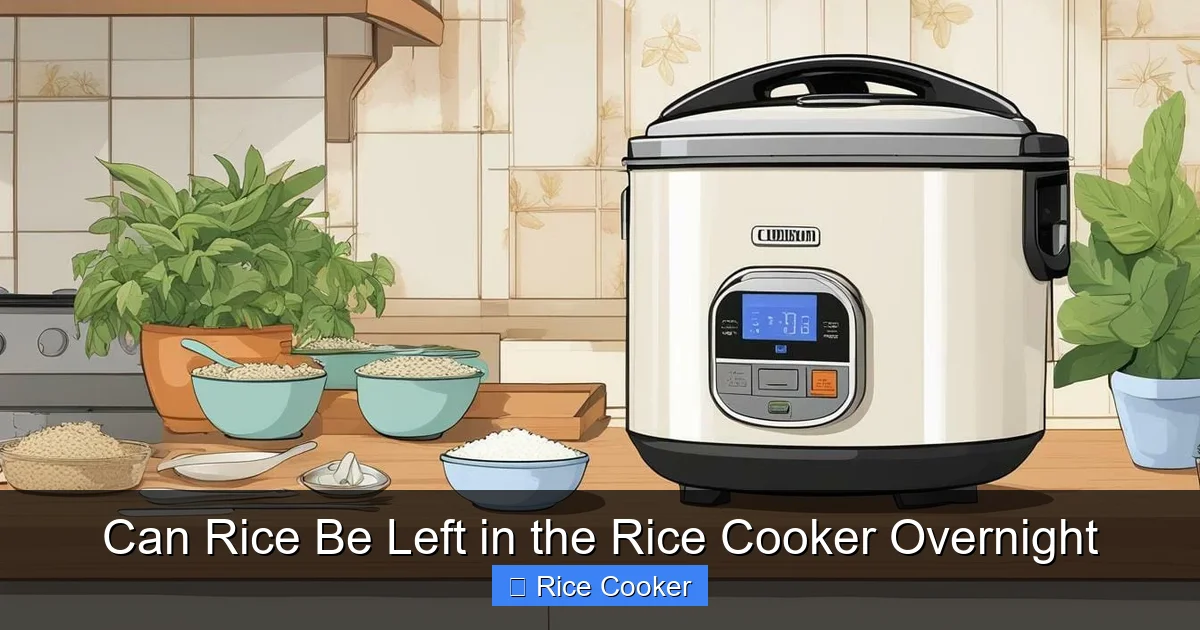
Visual guide about Can Rice Be Left in the Rice Cooker Overnight
Image source: ricearray.org
Let’s paint a picture. You cook dinner, eat half the rice, and then forget about the rest. By morning, the rice is still warm. Looks okay. Smells okay. But is it safe?
Texture and Taste Deterioration
First off—texture. Cooked rice left in the cooker overnight tends to dry out, stick together, or become mushy. Why? Because the residual heat continues to evaporate moisture, and without stirring, the grains clump. Even if you stir it later, the rice often loses its fluffy, separate-grain structure.
Taste-wise, it can develop a slightly sour or stale odor, especially if mold begins to grow. This isn’t always visible, but trust your nose—if it smells off, don’t risk it.
Temperature Zones and Bacterial Hotspots
Here’s a critical point: the rice cooker’s inner pot retains heat unevenly. The top layer cools faster, while the bottom stays warmest—creating temperature zones. Bacteria love these microenvironments. If any raw or undercooked rice was mixed in earlier, those spores could have survived the first cooking cycle and now find ideal conditions to bloom.
Even fully cooked rice can become unsafe if left too long. The USDA advises against letting rice sit at room temperature for more than two hours—and that’s generous. In warmer climates or during summer months, that window shrinks to one hour.
Mold and Spoilage Risks
Overnight, humidity inside the cooker increases. Combined with leftover moisture from the rice, this invites mold growth. You might not see it immediately, but tiny black, white, or green spots can appear. Mold produces mycotoxins—some of which are carcinogenic—so consuming moldy rice is never safe.
Is It Ever Safe to Leave Rice in the Cooker?
So, under what conditions might it be okay?
High-End Models with Advanced Features
Some premium rice cookers—like those from Zojirushi or Panasonic—offer improved warming systems. These models may maintain temperatures closer to 190°F (88°C) and have better insulation, reducing condensation and bacterial growth. Even so, experts still recommend transferring rice within two hours.
Check your user manual. If your cooker has a “sterilize” or “high-temperature keep-warm” mode, you might feel more confident. But remember: sterilization kills bacteria, but it doesn’t stop new ones from growing if the rice cools down.
Quick Cooling + Immediate Refrigeration
If you absolutely must delay storage, try this: remove the rice from the cooker, spread it in a wide, shallow dish, and place it in the fridge within 30 minutes. Rapid cooling reduces bacterial load significantly. Then transfer to an airtight container.
But honestly, this adds extra steps. Why not just put it in the fridge right after eating?
Short Delays Are Okay—But Not Long Ones
Leaving rice in the cooker for 30 minutes to an hour while you clean up or finish eating? Totally fine. Just don’t let it sit past two hours total at room temperature.
Best Practices for Storing Cooked Rice
Instead of risking overnight stays in the cooker, follow these simple, science-backed habits.
Cool Quickly
After cooking, let the rice cool for 10–15 minutes, then divide it into small portions. Smaller amounts cool faster, reducing the time bacteria have to multiply.
Use Shallow Containers
Wide, shallow containers increase surface area, helping rice lose heat rapidly. Avoid deep bowls—they trap steam and keep the center warm too long.
Airtight Sealing Matters
Moisture = mold. Use glass or BPA-free plastic containers with tight-fitting lids. Vacuum-sealed bags work well for freezing too.
Label and Date Everything
Write the date on the container. Freshly cooked rice lasts 3–4 days in the fridge, 6–8 months in the freezer. Frozen rice loses some texture, but it’s still safe.
Reheat Properly
When you’re ready to eat, reheat rice until steaming hot throughout. Microwave in short bursts with a splash of water to prevent drying. Never reheat rice more than once.
Consider Portion Control
Cook only what you’ll eat. Leftovers are tempting, but smaller batches mean less waste and safer handling.
Alternative Solutions for Busy Kitchens
Life gets hectic. Maybe you’re meal prepping or hosting late-night guests. Here’s how to stay safe without sacrificing convenience.
Meal Prep Monday
Cook a big batch on Sunday, portion it out, and freeze individual servings. Thaw in the fridge overnight and reheat as needed. This cuts down on daily cooking stress and ensures consistent safety standards.
Use a Food Storage Warmer
If you frequently serve rice at gatherings, invest in a portable food warmer. These devices maintain 140°F+ and are designed for buffet-style serving. They’re much safer than a standard rice cooker for holding food long-term.
Try Instant Rice or Pre-Cooked Varieties
For single servings, consider microwaveable rice packs or pre-cooked rice sold in pouches. These are portion-controlled, shelf-stable until opened—perfect for grab-and-go meals.
Smart Rice Cooker Habits
– Unplug the cooker after use to avoid accidental warming.
– Clean the inner pot thoroughly after each use to prevent residue buildup.
– Replace old models with ones that have safety certifications (UL, NSF).
Signs Your Rice Has Gone Bad
How can you tell if rice left in the cooker overnight is unsafe?
Visual Cues
Look for slimy texture, unusual color changes (green, black, or pink spots), or visible mold. Even minor discoloration warrants caution.
Smell Test
Fresh rice has a neutral, slightly nutty scent. Sour, ammonia-like, or fermented odors are red flags.
Taste—Only If Absolutely Certain
If it passes smell and appearance tests, a tiny taste might help—but proceed with extreme care. If anything feels odd, spit it out.
Trust Your Instincts
When in doubt, throw it out. Foodborne illness is serious. One bad meal isn’t worth risking your health.
Conclusion: Safety Over Convenience
So, can rice be left in the rice cooker overnight? Technically, maybe—but it’s not worth the risk. The convenience of leaving it there is outweighed by the dangers of bacterial growth, mold, and ruined texture.
Modern rice cookers are amazing tools, but they weren’t built to replace proper food storage methods. Instead of relying on the “keep warm” setting for hours on end, take five extra minutes to cool and store your rice correctly. It’s a small effort that prevents big problems.
Whether you’re feeding a family, meal prepping for the week, or just want a reliable backup plan, safe storage habits make all the difference. Keep your rice fresh, tasty, and—most importantly—safe to eat.
And remember: when it comes to food, when in doubt, refrigerate it.
Frequently Asked Questions
Can rice be left in the rice cooker overnight?
No, it’s not recommended. Most rice cookers’ warm settings aren’t hot enough to prevent bacterial growth, and rice can spoil or become unsafe after several hours. For best safety, transfer to an airtight container and refrigerate within two hours.
Is it safe to eat rice left out overnight?
Generally no. Cooked rice left at room temperature for more than two hours can harbor harmful bacteria like Bacillus cereus, which causes food poisoning. Always refrigerate promptly.
How long can rice be kept warm in a rice cooker?
Most manufacturers advise using the warm function for up to 12 hours, but food safety experts recommend transferring rice to the fridge after two hours at room temperature to avoid bacterial growth.
Can you reheat rice that was left in the rice cooker overnight?
Only if you’re certain it was stored safely. If rice was left at room temperature too long, reheating won’t destroy toxins produced by bacteria. When in doubt, discard it.
What temperature does a rice cooker keep rice warm?
Most keep-warm settings range between 160°F and 170°F (71–77°C), which is below the FDA’s recommended 140°F (60°C) for safe food holding and may allow bacteria to multiply.
How should I store cooked rice to keep it fresh?
Cool rice quickly, spread it in shallow containers, seal tightly, and refrigerate within two hours. Label with the date and consume within 3–4 days for best quality and safety.