
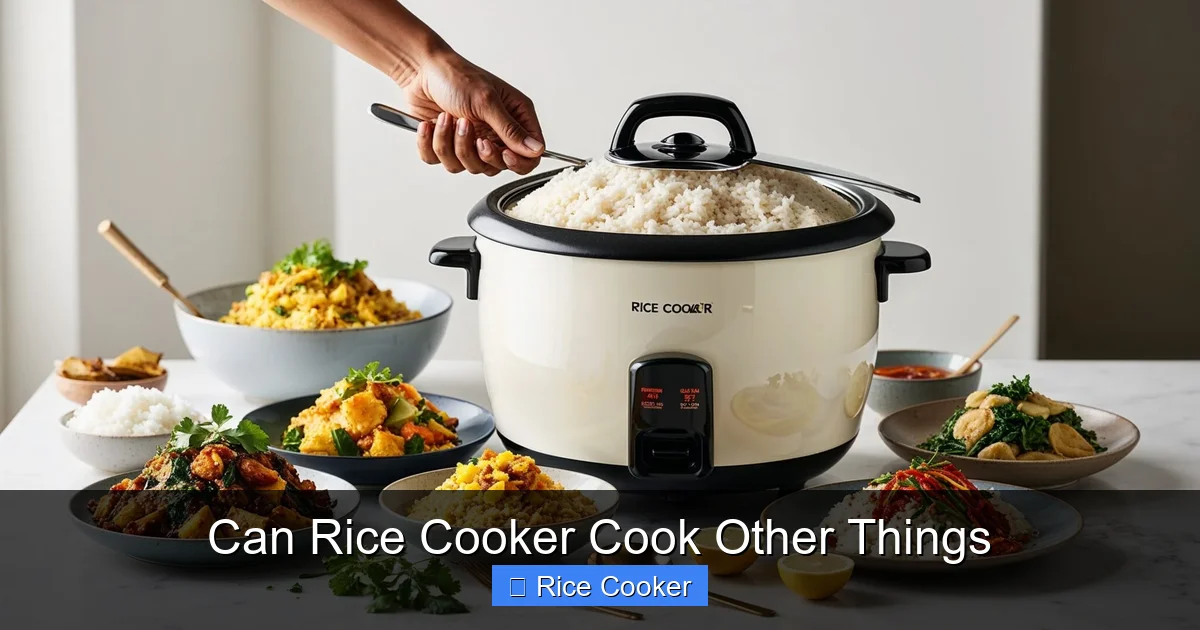
Can rice cooker cook other things? Absolutely! Beyond fluffy rice, this versatile kitchen gadget can handle soups, stews, steamed vegetables, eggs, desserts, and even yogurt. With its precise temperature control and sealed environment, your rice cooker transforms into a multi-tool for countless recipes. Whether you’re meal prepping or experimenting with new dishes, unlocking its potential saves time, energy, and dishwashing.
Have you ever looked at your rice cooker and thought, “This thing only does rice”? Think again. While rice is its star performance, modern rice cookers are surprisingly capable of much more. From steaming vegetables to baking cakes, these compact kitchen machines are true multitaskers in disguise. So, can rice cooker cook other things? The answer is a resounding yes—and the possibilities are endless.
In today’s fast-paced world, we’re always looking for ways to simplify our cooking routines. Enter the rice cooker: a humble kitchen appliance that’s quietly becoming a powerhouse for meal prep, healthy eating, and even dessert. With features like steam settings, slow-cook modes, and programmable timers, it’s no longer just a one-trick pony. Whether you’re a college student living on ramen or a home cook exploring global cuisines, your rice cooker has untapped potential waiting to be unlocked.
Let’s dive into the surprising versatility of your rice cooker and discover how this unassuming device can transform your daily cooking routine.
Key Takeaways
- Versatility Beyond Rice: A rice cooker is not just for rice—it can cook a wide variety of foods using steam, slow cooking, and pressure functions.
- Energy Efficiency: Using a rice cooker for meals reduces electricity use compared to running multiple appliances like ovens or stovetops.
- Healthy Cooking Options: Steaming vegetables, poaching eggs, and making yogurt in a rice cooker preserve nutrients better than frying or boiling.
- Time-Saving Convenience: Set it and forget it—ideal for busy schedules, meal prep, or hands-off cooking during work hours.
- Space-Saving Design: One appliance replaces several: rice cooker, steamer, slow cooker, and sometimes even an oven.
- Beginner-Friendly: Simple controls and automatic shut-off make it perfect for home cooks of all skill levels.
- Cost-Effective Meals: Cook large batches of grains, legumes, or stews affordably without extra equipment.
📑 Table of Contents
- The Science Behind Your Rice Cooker’s Versatility
- Cooking Grains and Legumes Beyond Rice
- Steaming Like a Pro: Vegetables, Eggs, and More
- Soups, Stews, and Slow-Cooked Meals
- Desserts and Baked Goods: Yes, Really!
- Making Yogurt at Home
- Tips for Maximizing Your Rice Cooker’s Potential
- Common Mistakes to Avoid
- Is It Worth It? Pros and Cons
- Final Thoughts: Unlock the Full Potential of Your Rice Cooker
The Science Behind Your Rice Cooker’s Versatility
At its core, a rice cooker works by heating water to create steam, which cooks grains evenly and efficiently. But because it’s sealed and insulated, it also maintains consistent temperatures—perfect for other types of food. The key lies in understanding the different cooking methods it supports:
– Steaming: Gentle, moist heat ideal for delicate foods.
– Boiling: Direct heat for soups and stews.
– Sautéing: Some models have a browning function for searing ingredients.
– Baking: In certain rice cookers, the internal pot acts like a mini oven.
These functions mean your rice cooker isn’t just for white or brown rice anymore. It becomes a kitchen all-in-one solution. For example, if you’ve got a rice cooker with a “steam” setting, you can use it to cook broccoli, carrots, or even dumplings—no steamer basket needed. And if it has a “slow cook” mode, you’ve got a makeshift Crock-Pot for hearty bean stews or chili.
Cooking Grains and Legumes Beyond Rice

Visual guide about Can Rice Cooker Cook Other Things
Image source: i.pinimg.com
If you think rice is the only grain your cooker can handle, think again. Oats, quinoa, barley, millet, and even bulgur are all excellent candidates for rice cooker preparation. Here’s how:
Rolled Oats and Steel-Cut Oats
Forget boiling pots of oatmeal. Just add rolled oats and water (or milk) to your rice cooker, press the “porridge” button if available, or use the standard rice cycle. It’ll cook evenly and keep everything warm until you’re ready to eat. Pro tip: Add a pinch of salt and a dash of cinnamon for a cozy breakfast.
Quinoa and Ancient Grains
Quinoa, amaranth, and farro require precise water ratios, but your rice cooker handles it perfectly. Use a 1:2 ratio (grain to liquid) and let the machine do the rest. The result? Fluffy, nutty grains every time—ideal for salads, side dishes, or grain bowls.
Beans and Lentils (No Soaking Required)
Yes, you read that right. Many modern rice cookers have a “bean” or “slow cook” setting that softens even dried beans like black beans, chickpeas, and lentils. Simply rinse, add water, and let it simmer for 6–8 hours. No soaking required! This is a game-changer for vegetarian meals and budget-friendly protein sources.
Steaming Like a Pro: Vegetables, Eggs, and More
Visual guide about Can Rice Cooker Cook Other Things
Image source: toolsofkitchen.com
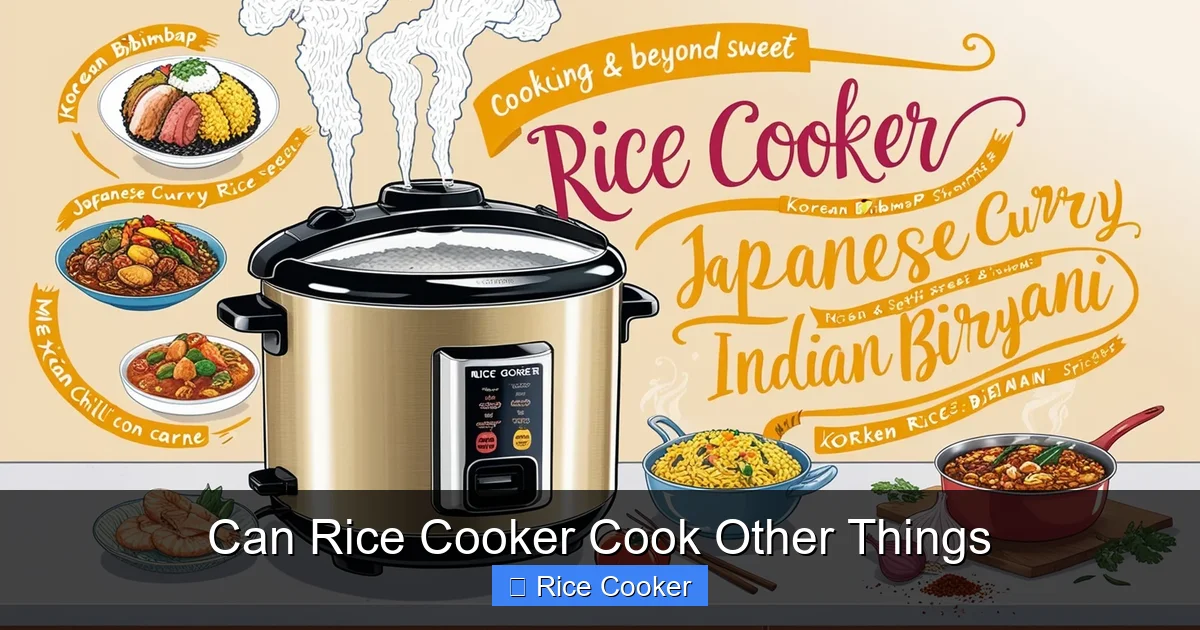
One of the most underappreciated uses of a rice cooker is steaming. The built-in steam tray allows you to cook multiple foods simultaneously without losing flavor or texture.
Steamed Vegetables
Place chopped broccoli, cauliflower, carrots, or asparagus in the steam basket, add a splash of water to the main pot, and close the lid. Steam for 10–15 minutes. You’ll end up with tender-crunchy veggies packed with nutrients—no overcooking, no sogginess.
Steamed Fish and Dumplings
Fish fillets or shrimp go perfectly in the steamer. Season with soy sauce, ginger, and scallions, then steam for 8–10 minutes. For Chinese-style dumplings or bao buns, place them on the tray and cover. The gentle heat ensures they cook evenly without falling apart.
Poached Eggs
Add a cup of water to the inner pot, bring to a boil, crack an egg into a small bowl, and gently slide it into the water. Close the lid and let it poach for 6–8 minutes. The result? Perfectly set yolks with runny centers—ideal for toast or congee.
Soups, Stews, and Slow-Cooked Meals
If your rice cooker has a “slow cook” or “soup” setting, you can make rich, flavorful meals without babysitting the stove.
Hearty Bean Stews
Brown some onions and garlic in the rice cooker (using the sauté function), add canned tomatoes, beans, and vegetable broth. Set it on low for 6–8 hours. Serve with crusty bread for a comforting dinner.
Rice Congee (Porridge)
Rice cookers are legendary for congee—a comforting rice porridge popular in Asian cuisine. Just mix rice and water, add toppings like ginger, scallions, and shredded chicken, and let it simmer on low for 1.5–2 hours. The texture is creamy, soothing, and perfect for sick days or busy mornings.
Chili and Curries
For a spicy kick, try a Thai green curry or a classic American chili. Sauté onions, garlic, and spices, then add coconut milk, beans, and diced tomatoes. Let it simmer slowly. The rice cooker maintains a steady heat, preventing scorching and ensuring even cooking.
Desserts and Baked Goods: Yes, Really!
Who knew your rice cooker could bake? Thanks to its insulated design and even heat distribution, it’s surprisingly effective for desserts.
Rice Pudding
Combine rice, milk, sugar, cinnamon, and raisins in the inner pot. Set to “warm” or “keep warm” after cooking, and stir occasionally. The result is a creamy, comforting dessert that rivals store-bought versions.
Mochi and Rice Cakes
Sticky rice flour mixed with water forms mochi when cooked in a rice cooker. Once done, knead it with cornstarch to prevent sticking. Roll into balls and fill with sweet red bean paste for a traditional treat.
Pound Cake and Brownies
With the right pan and ingredients, your rice cooker can bake dense, moist cakes. Line the pot with parchment, mix batter (flour, sugar, eggs, butter), and bake on high for 45–60 minutes. Flip the pan out onto a plate—yes, it works!
Making Yogurt at Home
Yes, you can make fresh yogurt in your rice cooker. It’s simple and cost-effective.
How to Make Yogurt
Heat milk in the rice cooker using the “cook” or “boil” function until it reaches 180°F (71°C) to kill unwanted bacteria. Cool it to 110°F (43°C), add a yogurt starter culture, and switch to “warm” mode. Let it sit for 8–12 hours. The result? Thick, tangy homemade yogurt—no fancy equipment needed.
Tips for Maximizing Your Rice Cooker’s Potential
To get the most out of your rice cooker, follow these expert tips:
– Use the Right Pot: Always use the included inner pot. Never substitute with metal pans that might scratch or damage the coating.
– Prep Ingredients First: Chop, measure, and assemble everything before starting. Rice cookers are best for hands-off cooking.
– Don’t Overfill: Follow the water and ingredient guidelines to avoid overflow or uneven cooking.
– Clean Immediately: Food residue can harden if left in the pot. Wash it right after use.
– Experiment Gradually: Start with simple recipes like oatmeal or steamed veggies before moving on to complex dishes.
Common Mistakes to Avoid
Even the best tools come with pitfalls. Here’s what to watch out for:
– Using Metal Utensils: Scratch the non-stick coating and risk damaging the pot.
– Skipping the Lid: Opening the lid releases heat and disrupts cooking.
– Ignoring Cleaning Instructions: Built-up starch or grease can affect performance.
– Overloading the Steam Tray: Too much weight can block steam flow.
Is It Worth It? Pros and Cons
Before you start using your rice cooker for everything, consider the balance of pros and cons.
Pros:
– Saves time and energy
– Easy to clean and maintain
– Ideal for dorm rooms, small kitchens, or meal prep
– Consistent results every time
Cons:
– Limited capacity for large families
– Not all models support advanced functions like sautéing
– May not replace a full-sized oven or stovetop for complex recipes
But for everyday cooking, especially with grains, steamed foods, and slow-cooked meals, the benefits far outweigh the drawbacks.
Final Thoughts: Unlock the Full Potential of Your Rice Cooker
So, can rice cooker cook other things? Absolutely. In fact, it can do so much more than just rice. From oatmeal and yogurt to stews and cakes, your rice cooker is a hidden gem in the modern kitchen. Its simplicity, efficiency, and versatility make it an essential tool for anyone looking to eat healthier, save time, and reduce kitchen clutter.
Whether you’re a beginner or a seasoned cook, experimenting with your rice cooker opens up a world of culinary possibilities. Try a new recipe each week—maybe steamed fish with ginger, a hearty lentil soup, or a chocolate mug cake. You might just surprise yourself.
Remember: the key is knowing your appliance’s features and respecting its limits. Read your manual, clean it well, and don’t be afraid to get creative. Soon, you’ll wonder how you ever lived without turning your rice cooker into a full-fledged kitchen assistant.
Frequently Asked Questions
Can I cook pasta in a rice cooker?
Yes, you can! Add pasta and water to the inner pot, set the timer, and stir occasionally. It works best with short pasta like macaroni or penne, and results in perfectly al dente noodles.
Does my rice cooker need special settings to cook other foods?
Not necessarily. Most rice cookers use basic heat cycles that work for many foods. However, models with “steam,” “slow cook,” or “sauté” settings offer more flexibility and better results.
Can I bake bread in a rice cooker?
Yes, especially flatbreads like naan or roti. Mix dough, shape it, and place it in the pot. Bake on high for 30–40 minutes. The enclosed space mimics a convection oven.
Is it safe to leave food in the rice cooker overnight?
If your model has a “keep warm” function set to low heat, it’s generally safe for short periods. However, avoid leaving perishable foods like meat or dairy unattended for more than 2–3 hours.
Can I cook frozen vegetables in a rice cooker?
Absolutely. Just place them in the steam basket and add water to the base. Steam for 8–12 minutes until tender. It’s a quick way to thaw and cook veggies without extra oil.
Will using my rice cooker for other foods void the warranty?
No, as long as you use it according to the manufacturer’s instructions and avoid damaging the inner pot. Most warranties cover normal use, including cooking rice, steaming, and warming.