
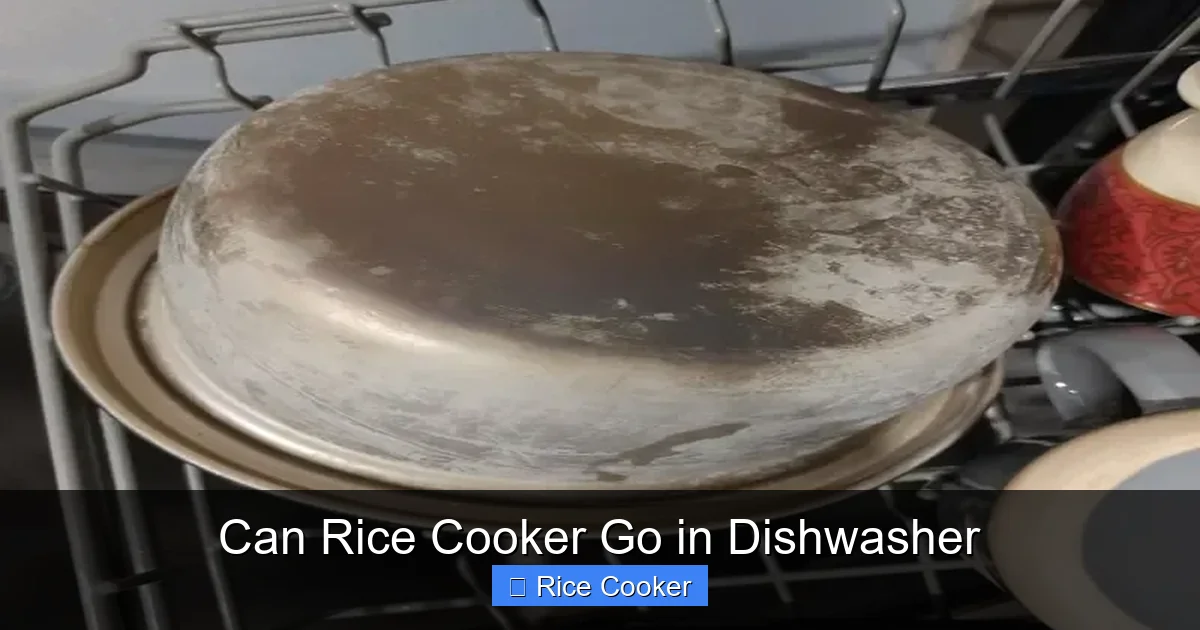
Not all rice cookers are dishwasher-safe. The answer depends on the model, materials, and manufacturer instructions. To avoid damage, always check the manual first. In many cases, only certain parts like the inner pot or accessories can be safely washed in the dishwasher. This guide helps you make the right choice for cleaning and protecting your rice cooker.
Key Takeaways
- Check the manual: Always consult your rice cooker’s user guide to see if dishwashing is approved.
- Look for dishwasher-safe labels: Some models have a dishwasher-safe symbol on the inner pot or lid.
- Separate removable parts: Only wash detachable components like the inner pot or measuring cup, not the base or heating plate.
- Use gentle cycles: If safe, use a short, low-heat cycle to prevent warping or cracking.
- Avoid harsh detergents: Use mild soap and rinse thoroughly to protect non-stick coatings.
- Hand washing is safest: When in doubt, hand washing prevents long-term damage.
- Inspect for damage: After dishwashing, check for cracks, discoloration, or loose parts before reuse.
📑 Table of Contents
- Can Rice Cooker Go in Dishwasher? Everything You Need to Know
- Understanding Your Rice Cooker: What Makes It Different
- Is It Safe to Put Your Rice Cooker in the Dishwasher?
- How to Tell if Your Rice Cooker Is Dishwasher-Safe
- Safe Dishwashing Tips for Rice Cooker Parts
- When to Hand Wash Instead
- Common Mistakes People Make with Rice Cooker Cleaning
- Long-Term Care: Extending Your Rice Cooker’s Life
- Frequently Asked Questions About Dishwashing Rice Cookers
- Final Thoughts: Safety First, Convenience Second
Can Rice Cooker Go in Dishwasher? Everything You Need to Know
Have you ever finished cooking a perfect pot of jasmine rice and thought, “Wow, this cooker looks spotless—why not just pop it in the dishwasher?” It sounds convenient, right? But before you toss your rice cooker into the dishwasher, there’s an important question to ask: can rice cooker go in dishwasher?
The short answer? It depends. Not every rice cooker is built the same way, and some parts are definitely not meant to survive the high heat, harsh detergents, and aggressive water jets of a dishwasher. While it might seem like a time-saver, improper dishwashing can damage your appliance, shorten its lifespan, or even create safety hazards.
In this complete guide, we’ll walk you through everything you need to know about cleaning your rice cooker—whether it’s dishwasher-safe or not. From understanding your appliance’s design to learning safe cleaning methods, you’ll find practical tips to keep your rice cooker working perfectly for years. So grab a bowl of rice and let’s dive in!
Understanding Your Rice Cooker: What Makes It Different
How Rice Cookers Are Built
Rice cookers come in various shapes and sizes, but most share a basic structure. There’s the outer casing (usually plastic or metal), the inner cooking pot (often made of aluminum or stainless steel with a non-stick coating), the lid, a steam vent, and a heating base that connects to the electrical system. Some models also include additional accessories like measuring cups, spatulas, or rice paddies (the small trays used for steaming).
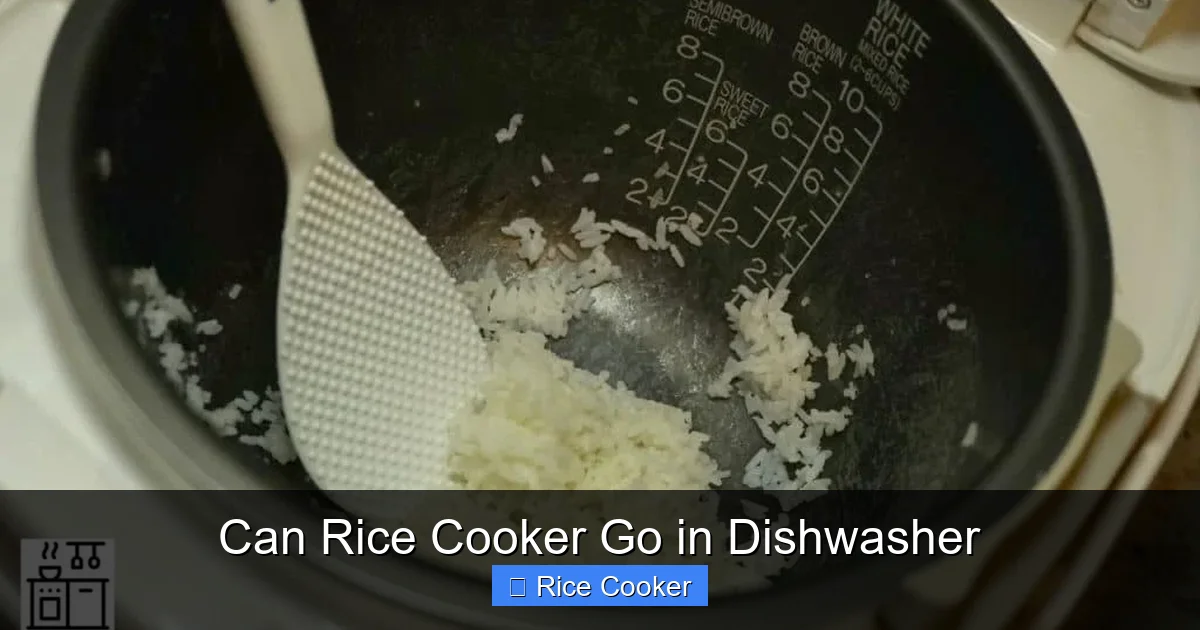
Visual guide about Can Rice Cooker Go in Dishwasher
Image source: kitchencuddle.com
What makes rice cookers tricky for dishwashing is their mix of materials. The heating base and control panel are typically attached to the main unit and contain electronic components that can’t get wet. The plastic lids or handles may warp under high heat. Even the non-stick coating on the inner pot can degrade over time with repeated exposure to dishwasher chemicals.
Why Manufacturers Design Some Parts to Be Removable
Most modern rice cookers are designed with removable inner pots for easy cleaning. This is because the inner pot is the part that touches food and gets the most grease and residue. By making it detachable, manufacturers allow users to clean it separately without risking damage to the main body.
However, just because a part comes off doesn’t automatically mean it’s dishwasher-safe. For example, a stainless steel inner pot might be durable enough, but a non-stick version could suffer damage. Always look for specific guidance from the brand.
Is It Safe to Put Your Rice Cooker in the Dishwasher?
Let’s get straight to the point: you generally shouldn’t put the entire rice cooker in the dishwasher. The main reason is that the heating base—the part that sits on top of the inner pot—contains electronics, wiring, and sensitive components. Submerging or exposing this area to water can cause malfunctions or even electrical hazards.

Visual guide about Can Rice Cooker Go in Dishwasher
Image source: viragosushi.com
That said, some rice cooker parts can go in the dishwasher, especially if they’re labeled as dishwasher-safe. Here’s what to look for:
- Inner pot: Often removable and sometimes dishwasher-safe, especially if it has a stainless steel or hard-anodized surface.
- Lid: Many lids are made of BPA-free plastic or glass and can handle dishwasher cycles—but check the manual first.
- Accessories: Measuring cups or spatulas are usually dishwasher-friendly.
But again, never place the heating base, power cord, or control panel in the dishwasher. These components are not waterproof and can be permanently damaged.
How to Tell if Your Rice Cooker Is Dishwasher-Safe
Check the User Manual
The most reliable way to know if your rice cooker can go in the dishwasher is to read the user manual. Most manufacturers clearly state which parts are safe for dishwashing. Look for phrases like “dishwasher-safe” or “not suitable for dishwashers.”
If you’ve lost the manual, try searching online using your model number. Brands like Zojirushi, Panasonic, Cuisinart, and Instant Pot all have downloadable manuals on their websites.
Look for Symbols on the Product
Some rice cooker inner pots or lids feature a dishwasher-safe symbol—typically a dishwasher icon with a checkmark or “DW.” This symbol usually appears on the bottom or side of the inner pot.
Be cautious, though. Some symbols are generic and don’t guarantee safety. Always cross-reference with the manual or manufacturer’s website.
Know the Materials
The material of your rice cooker’s components gives clues about dishwasher safety:
- Stainless steel inner pots: Usually dishwasher-safe due to durability.
- Non-stick coated pots: Often not recommended—high heat and detergent can strip the coating.
- Plastic lids or handles: May warp or melt in high heat; hand washing is safer.
- Glass lids: Can withstand dishwashers, but avoid sudden temperature changes.
Safe Dishwashing Tips for Rice Cooker Parts
If your rice cooker is approved for dishwasher use, follow these best practices to protect it:
Use a Gentle Cycle
Opt for a short, low-temperature cycle to reduce wear. High-heat cycles can warp plastic parts or damage non-stick surfaces.
Place Parts Upside Down
Position the inner pot and lid upside down to prevent water from pooling underneath. This helps avoid moisture buildup and potential rust or mold.
Avoid Harsh Detergents
Skip strong bleach-based or abrasive cleaners. Instead, use mild dish soap and rinse thoroughly. Residue can affect taste and damage coatings.
Don’t Stack Heavy Items Nearby
Keep the rice cooker parts away from heavy plates or pots that might bump against them during the cycle. Impact can dent the inner pot or crack the lid.
Air Dry Before Reassembling
After washing, let the parts air dry completely before putting them back together. Moisture trapped inside can lead to rust or bacterial growth.
When to Hand Wash Instead
Even if your rice cooker isn’t labeled as dishwasher-safe, hand washing is often the safest option. Here’s why:
- Control: You can gently scrub without risking damage from harsh cycles.
- Preserve coatings: Non-stick surfaces last longer with careful hand washing.
- Prevent leaks: Over time, dishwashers can erode seals or gaskets, causing steam leaks.
For example, if you own a Zojirushi NS-ZCC10, the inner pot is dishwasher-safe, but the lid and other parts should be hand-washed. On the other hand, older models with simpler designs might not have any dishwasher-friendly components at all.
Common Mistakes People Make with Rice Cooker Cleaning
Many people make these errors when trying to clean their rice cookers:
Mistake 1: Putting the Whole Unit in the Dishwasher
This is the biggest no-no. The heating base, cord, and control panel are not waterproof. Even if the unit floats, water can seep into crevices and ruin the electronics.
Mistake 2: Using Bleach or Abrasive Cleaners
These chemicals can eat away at non-stick coatings, plastic, or metal finishes. Stick to mild soap and soft sponges.
Mistake 3: Ignoring the Steam Vent
The small vent on the lid can get clogged with rice starch. Use a toothpick or soft brush to clean it regularly—whether by hand or dishwasher.
Mistake 4: Skipping Descaling
Hard water leaves mineral deposits inside the pot. Even dishwashers won’t remove this. Use a vinegar soak monthly to prevent buildup.
Mistake 5: Not Drying Completely
Leaving moisture inside the pot or lid can lead to odors, mold, or rust. Always dry thoroughly before storing.
Long-Term Care: Extending Your Rice Cooker’s Life
Whether you dishwash or hand wash, proper care keeps your rice cooker running smoothly:
- Clean after every use: Don’t let rice residue dry and harden.
- Store in a dry place: Avoid damp areas to prevent mold or corrosion.
- Replace worn parts: If the inner pot scratches deeply or the lid doesn’t seal, replace it.
- Follow cooking guidelines: Overfilling or using wrong water ratios can leave sticky residue that’s hard to clean.
Think of your rice cooker like a kitchen tool—it deserves attention. With the right cleaning routine, it can last 10 years or more.
Frequently Asked Questions About Dishwashing Rice Cookers
Can I put the inner pot of my rice cooker in the dishwasher?
Yes, if your model is labeled as dishwasher-safe. Stainless steel or hard-anodized pots are usually fine, but non-stick versions may suffer damage. Always check the manual or look for a dishwasher symbol on the pot.
Is it okay to put the lid in the dishwasher?
Sometimes. Glass or BPA-free plastic lids can go in the dishwasher, but avoid high-heat cycles. If the lid has rubber seals, hand washing is safer to preserve them.
Can I wash the measuring cup that came with my rice cooker?
Yes, measuring cups and spatulas are typically dishwasher-safe. They’re usually made of durable plastic or silicone designed for kitchen use.
Will dishwashing damage the non-stick coating?
Repeated dishwashing can wear down non-stick coatings over time, especially with harsh detergents. For best results, hand wash or limit dishwashing to occasional deep cleans.
What happens if I accidentally put the whole rice cooker in the dishwasher?
Water can enter the heating base and control panel, causing electrical shorts, malfunctions, or permanent damage. If this happens, unplug it immediately and have it inspected by a professional.
How often should I clean my rice cooker?
Clean it after every use to prevent residue buildup. Perform a deeper clean (like a vinegar soak) once a month to remove mineral deposits and maintain performance.
Final Thoughts: Safety First, Convenience Second
So, can rice cooker go in dishwasher? The honest answer is: sometimes, but not always. While it might save time, the risks of damaging your appliance outweigh the convenience unless your model specifically allows it.
The safest approach is to hand wash removable parts using mild soap and warm water. This protects the non-stick coating, preserves electronic components, and extends the life of your rice cooker. If you do choose to dishwash, stick to approved parts and gentle cycles.
Remember, a clean rice cooker isn’t just about hygiene—it ensures better-tasting rice and consistent performance. Treat it well, and it will serve you faithfully for years.
Now that you know the ins and outs, you’re ready to clean your rice cooker like a pro. Happy cooking—and happy dishwashing (where safe)!
Frequently Asked Questions
Can I put the inner pot of my rice cooker in the dishwasher?
Yes, if your model is labeled as dishwasher-safe. Stainless steel or hard-anodized pots are usually fine, but non-stick versions may suffer damage. Always check the manual or look for a dishwasher symbol on the pot.
Is it okay to put the lid in the dishwasher?
Sometimes. Glass or BPA-free plastic lids can go in the dishwasher, but avoid high-heat cycles. If the lid has rubber seals, hand washing is safer to preserve them.
Can I wash the measuring cup that came with my rice cooker?
Yes, measuring cups and spatulas are typically dishwasher-safe. They’re usually made of durable plastic or silicone designed for kitchen use.
Will dishwashing damage the non-stick coating?
Repeated dishwashing can wear down non-stick coatings over time, especially with harsh detergents. For best results, hand wash or limit dishwashing to occasional deep cleans.
What happens if I accidentally put the whole rice cooker in the dishwasher?
Water can enter the heating base and control panel, causing electrical shorts, malfunctions, or permanent damage. If this happens, unplug it immediately and have it inspected by a professional.
How often should I clean my rice cooker?
Clean it after every use to prevent residue buildup. Perform a deeper clean (like a vinegar soak) once a month to remove mineral deposits and maintain performance.