
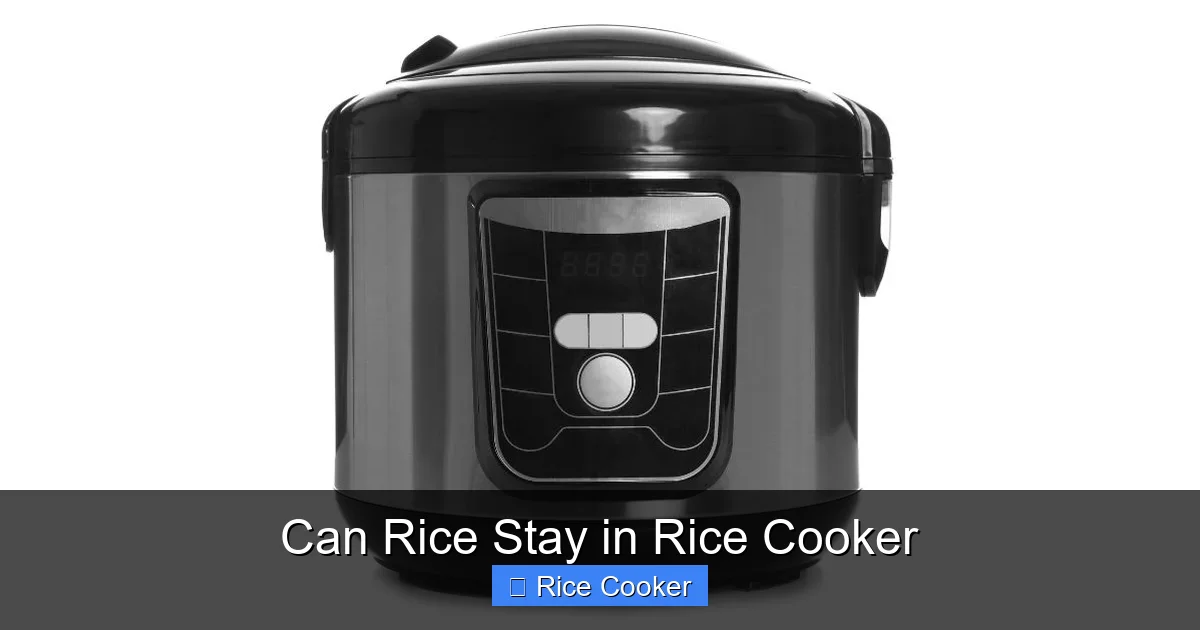
Can rice stay in rice cooker overnight? Yes, but only for a short time and with proper care. Leaving rice in the cooker too long increases the risk of bacterial growth and affects texture and taste. For best results, transfer leftover rice to an airtight container and refrigerate within one hour.
Key Takeaways
- Short-term storage is safe: Cooked rice can stay in a rice cooker for up to 6 hours at room temperature, but it’s best consumed sooner.
- Refrigeration extends shelf life: Store rice in an airtight container in the fridge for up to 4–7 days.
- Reheating improves safety and taste: Always reheat rice thoroughly to kill potential bacteria before eating.
- Avoid prolonged warmth: Leaving rice in the cooker on “warm” mode for more than 2 hours increases spoilage risk.
- Check for spoilage signs: Discard rice if it smells sour, has mold, or feels slimy.
- Use a clean container: Never leave rice directly in the non-stick pot—transfer it to avoid contamination and sticking.
- Freezing is a great option: Frozen rice lasts up to 1 month and retains quality when properly stored.
📑 Table of Contents
- Can Rice Stay in a Rice Cooker? What You Need to Know
- Understanding Rice Cooker Functions
- Best Practices for Storing Rice in a Rice Cooker
- Can You Reheat Rice Safely?
- Long-Term Storage Options Beyond the Rice Cooker
- Common Misconceptions About Rice Storage
- Choosing the Right Rice Cooker for Better Storage
- Creative Ways to Use Leftover Rice
- Final Thoughts: Should You Leave Rice in the Rice Cooker?
Can Rice Stay in a Rice Cooker? What You Need to Know
You’ve just finished cooking a perfect batch of rice in your trusty rice cooker, and now you’re wondering: can rice stay in rice cooker? Maybe you’re planning to eat it later, or perhaps you’re prepping for a busy day ahead. While it might seem convenient to leave that warm, fluffy rice right where it is, there are some important things to consider—especially when it comes to food safety and taste.
Rice cookers are designed to cook rice, not store it. The “warm” function keeps rice at a safe serving temperature, but it doesn’t stop bacteria from growing over time. In fact, cooked rice becomes a breeding ground for Bacillus cereus, a bacterium that can cause food poisoning. This makes understanding how long rice can safely stay in the rice cooker crucial for your health and meal enjoyment.
In this guide, we’ll walk through everything you need to know about leaving rice in your rice cooker—from short-term storage to long-term options, safety tips, and even creative ways to use leftovers. So, whether you’re a beginner cook or a kitchen pro, let’s dive into the details of can rice stay in rice cooker and make sure your meals stay delicious and safe.
Understanding Rice Cooker Functions
Before answering the big question—can rice stay in rice cooker—let’s break down what your rice cooker actually does. Most modern rice cookers come with multiple functions: cook, keep warm, and sometimes steam or slow cook. The “keep warm” feature is especially relevant here.
Visual guide about Can Rice Stay in Rice Cooker
Image source: expertreviewsbestricecooker.com
The keep-warm setting maintains rice at around 160°F (71°C), which sounds warm but isn’t hot enough to kill bacteria that may have already started multiplying. Unlike boiling water, which kills harmful microbes, the warm setting only preserves temperature—not safety. That means even though the rice looks and smells fine, it could still pose a risk if left out too long.
Some rice cookers also have a “sterilize” or “auto-clean” mode, but these are meant for cleaning the inner pot, not storing food. The non-stick coating inside the pot can degrade over time if exposed to high heat repeatedly, especially when left with moisture. So while the appliance is handy, it’s not built for long-term food storage.
How Long Can Rice Stay in the Rice Cooker?
If you’re asking, can rice stay in rice cooker for several hours, the answer depends on the conditions. According to the U.S. Department of Agriculture (USDA), cooked rice should not be left at room temperature for more than two hours. After that, the risk of bacterial growth increases significantly.
Here’s a quick breakdown:
- Room temperature (68°F–77°F): Do not leave rice in the rice cooker for more than 2 hours.
- Warm setting (140°F–160°F): Still not ideal for long periods—limit to 4–6 hours maximum.
- Refrigerated immediately: Safe for up to 4–7 days.
- Frozen properly: Up to 1 month.
Many people assume that because the rice cooker is keeping it warm, it’s safe. But remember: warmth doesn’t equal safety. The warm setting is meant for short breaks between cooking and eating, not overnight storage.
The Science Behind Rice and Bacteria
So why is it so risky to leave rice in the rice cooker? It all comes down to Bacillus cereus. This spore-forming bacterium lives in soil and grains. When raw rice absorbs water during cooking, these spores can germinate and multiply.
Once rice cools, the spores can survive and start producing toxins. These toxins aren’t killed by reheating—they’re heat-stable, which means even boiling won’t destroy them. Symptoms of food poisoning from rice can include nausea, vomiting, and diarrhea, usually within 6–15 hours after eating.
This is why it’s critical to cool rice quickly and store it properly. The longer rice sits at room temperature or in the warm zone of the rice cooker, the higher the chance of toxin production.
Best Practices for Storing Rice in a Rice Cooker
Now that we know the risks, let’s talk about how to handle rice safely—whether you want to leave it briefly or plan to eat it later. Here are some practical tips for managing rice in your rice cooker.
Visual guide about Can Rice Stay in Rice Cooker
Image source: storables.com
Leave It Only for Short Breaks
If you’re stepping away from the kitchen for 10–15 minutes, it’s fine to keep rice in the rice cooker on the “warm” setting. Just make sure the lid is closed and the unit isn’t set to “cook” again.
However, avoid turning the rice cooker off and back on repeatedly. Each cycle can introduce moisture and temperature fluctuations, which promote bacterial growth.
Transfer Rice to a Clean Container
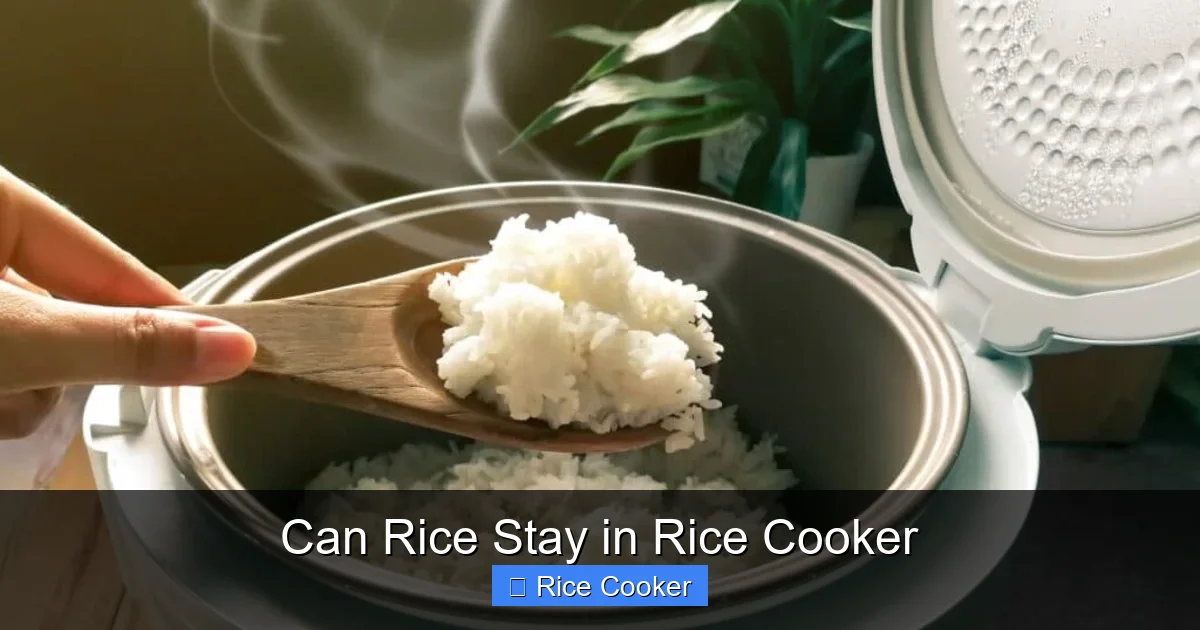
Even if you plan to eat the rice soon, it’s better to transfer it to a glass or stainless steel bowl. Why? Because the rice cooker’s non-stick surface can trap bacteria and develop odors over time. Plus, transferring rice allows it to cool faster, reducing the time it spends in the danger zone (40°F–140°F).
Use a clean utensil to scoop the rice out. Avoid using metal spoons that can scratch the non-stick coating, especially if you plan to reuse the pot for cooking later.
Cool Rice Quickly
After cooking, spread the rice in a thin layer on a baking sheet or large dish to speed up cooling. This method reduces the time it spends in the temperature range where bacteria thrive.
Never cover hot rice tightly in a sealed container—this traps steam and slows cooling, creating a humid environment perfect for microbial growth.
Can You Reheat Rice Safely?
Yes, you can reheat rice—but only if it’s been stored properly. If you left rice in the rice cooker for more than 2 hours, it’s safest to discard it. Otherwise, follow these steps:
- Transfer the rice to a microwave-safe dish.
- Add a splash of water or broth to prevent drying out.
- Cover loosely with a damp paper towel or lid.
- Heat in 30-second intervals, stirring between each, until steaming hot throughout.
For stovetop reheating, place rice in a saucepan with a bit of water, cover, and simmer for 5–7 minutes. Stir occasionally to ensure even heating.
Remember: reheating doesn’t kill Bacillus cereus spores or their toxins—it only kills active bacteria. That’s why proper storage is so important.
Signs Your Rice Has Gone Bad
Knowing when to throw out rice helps prevent illness. Watch for these red flags:
- Off smell: Sour, rancid, or foul odor.
- Slimy texture: Especially if it wasn’t like that when first cooked.
- Mold: Visible spots or fuzzy growth.
- Unusual color: Dark patches or discoloration.
If your rice shows any of these signs, don’t taste it—just toss it. Better safe than sorry!
Long-Term Storage Options Beyond the Rice Cooker
While the rice cooker isn’t ideal for long-term storage, there are several safe and effective ways to keep rice for days or even weeks.
Refrigeration: The Best Short-Term Option
Refrigerated rice lasts 4–7 days when stored correctly. Here’s how:
- Let rice cool to room temperature (no more than 2 hours).
- Place in an airtight container with a tight-fitting lid.
- Store in the coldest part of the refrigerator (usually the middle or bottom shelf).
- Label with the date for easy tracking.
Glass containers are preferable—they don’t absorb odors and are easier to clean. Avoid plastic bags unless they’re freezer-safe and leak-proof.
Freezing for Extended Freshness
Frozen rice can last up to 1 month and is great for meal prep. To freeze:
- Portion rice into freezer-safe containers or zip-top bags.
- Remove as much air as possible to prevent freezer burn.
- Thaw in the refrigerator overnight before reheating.
Frozen rice reheats well—just add a little water when warming it up. It may be slightly softer, but flavor and nutrients remain intact.
Meal Prep with Leftover Rice
Don’t let good rice go to waste! Use leftover rice to make fried rice, rice bowls, soups, or casseroles. Just make sure it’s been stored safely and reheated thoroughly.
For example, combine cooled rice with scrambled eggs, vegetables, soy sauce, and sesame oil for a quick fried rice dinner. Or mix it into a quinoa salad with chickpeas and herbs for a vegetarian lunch.
Common Misconceptions About Rice Storage
There are plenty of myths floating around about how to store rice. Let’s clear up some of the most common ones.
Myth: “The Warm Setting Kills Bacteria”
False. The warm setting keeps rice hot but doesn’t sterilize it. Bacteria can grow rapidly in the “danger zone” (40°F–140°F), and the warm setting hovers right in that range.
Myth: “All Rice Cookers Are the Same”
Not true. Some high-end models have advanced features like humidity control or rapid cooling, but most basic rice cookers don’t offer true refrigeration or preservation modes.
Myth: “Leftover Rice Is Always Safe”
Only if handled properly. Even refrigerated rice has a limited shelf life. Always check for spoilage before eating.
Choosing the Right Rice Cooker for Better Storage
If you frequently cook large batches or meal prep, consider investing in a rice cooker with additional features that support safe storage.
Models with Cooling or Preservation Modes
Some premium rice cookers come with a “quick cool” function that circulates air to cool rice faster. Others have insulated pots that reduce heat loss without promoting bacterial growth.
While these features aren’t foolproof, they can help bridge the gap between cooking and safe storage.
Smart Rice Cookers
Smart rice cookers connect to apps and allow you to monitor temperature, schedule cooking times, and even get reminders to consume rice before it spoils. These are ideal for busy households.
Non-Stick vs. Stainless Steel Pots
Stainless steel pots are easier to clean and less likely to harbor bacteria than scratched non-stick surfaces. If your rice cooker has a removable pot, consider replacing it with a stainless steel version for better hygiene.
Creative Ways to Use Leftover Rice
Instead of letting rice sit in the cooker or tossing it out, get creative with your leftovers.
Rice Pudding
Cook rice with milk, sugar, cinnamon, and raisins for a comforting dessert. Chill and serve cold for a traditional treat.
Risotto
Use leftover rice as a base for creamy risotto. Add broth gradually and stir until thick and glossy.
Porridge or Congee
Simmer rice with water or broth until soft and porridge-like. Top with green onions, soy sauce, and a fried egg.
Veggie Burgers
Mix cooked rice with mashed beans, breadcrumbs, and spices. Form into patties and bake or pan-fry.
Rice Milk
Blend soaked rice with water, strain, and sweeten for a dairy-free milk alternative.
Final Thoughts: Should You Leave Rice in the Rice Cooker?
To answer the original question: can rice stay in rice cooker? For short periods—maybe. But for anything beyond an hour or two, it’s better to transfer it to a clean container and store it properly.
The convenience of leaving rice in the cooker is tempting, but food safety should always come first. With a few simple changes—like cooling rice quickly, using airtight containers, and labeling dates—you can enjoy your rice without worry.
Whether you’re cooking for one or feeding a crowd, understanding how to handle leftover rice ensures every meal is both delicious and safe. So next time you ask yourself, can rice stay in rice cooker, remember: short breaks are okay, but long stays are not. Plan ahead, store smart, and savor every bite.
Frequently Asked Questions
Can rice stay in rice cooker overnight?
No, it’s not safe to leave rice in the rice cooker overnight. The warm setting promotes bacterial growth, especially Bacillus cereus, which can cause food poisoning. Always refrigerate or freeze rice within 2 hours of cooking.
How long can cooked rice stay in the rice cooker on warm?
Cooked rice should not stay in the rice cooker on warm for more than 4–6 hours. After 2 hours at room temperature, the risk of contamination rises sharply. For longer storage, transfer it to a refrigerator.
Is it safe to eat rice left in rice cooker for 3 hours?
It depends on the temperature. If the rice cooker was on warm (around 140°F–160°F), it may still be safe for up to 4–6 hours, but not guaranteed. If it was at room temperature, it’s unsafe after 2 hours. When in doubt, discard it.
Can I reheat rice that was left in the rice cooker?
Only if it was stored properly. If rice was left in the cooker for more than 2 hours, it’s safest to throw it out. Otherwise, reheat thoroughly to 165°F (74°C) to kill active bacteria.
Does leaving rice in rice cooker affect taste?
Yes. Over time, rice can become dry, sticky, or develop off-flavors due to moisture buildup and oxidation. Transferring it to a container helps preserve texture and taste.
What’s the best way to store cooked rice?
Cool rice within 2 hours, then place it in an airtight container and refrigerate for up to 7 days. Freeze in portions for up to 1 month. Always reheat fully before eating.