
Can u eat cooked rice cold? The short answer is yes, but only if the rice is properly stored and handled to avoid bacteria growth. Cold rice is common in dishes like rice salads and sushi, but improper storage can lead to food poisoning. Always refrigerate leftovers within two hours and reheat thoroughly when warming up.
Key Takeaways
- Understanding can u eat cooked rice cold: Provides essential knowledge
📑 Table of Contents
- Can U Eat Cooked Rice Cold? A Complete Guide
- Is It Safe to Eat Cooked Rice Cold?
- Why Do Some People Avoid Eating Cold Rice?
- How to Properly Store Leftover Rice
- Can You Freeze Cooked Rice?
- Delicious Ways to Eat Cold Rice
- How to Reheat Cold Rice Safely
- Nutritional Impact of Eating Cold Rice
- Common Myths About Cold Rice
- Tips for Perfect Cold Rice Every Time
- Conclusion: Yes, You Can Eat Cooked Rice Cold—Safely
Can U Eat Cooked Rice Cold? A Complete Guide
You’ve just finished a delicious dinner of fried rice or biryani, and there’s a little extra sitting in your bowl. Instead of tossing it out, you might wonder: Can u eat cooked rice cold? The answer isn’t as simple as “yes” or “no.” It depends on how the rice was handled, stored, and whether it’s safe to consume without reheating.
In many cultures, cold rice is not only acceptable—it’s preferred. From Japanese onigiri to Korean bibimbap served over chilled rice, people have been enjoying cold rice for centuries. But in modern kitchens, concerns about food safety, especially with leftover rice, often make people hesitate. So let’s clear things up: yes, you can eat cooked rice cold—but only if it’s been properly cooled and stored. In this article, we’ll explore everything you need to know about eating cold rice safely, its nutritional impact, culinary uses, and how to make it taste great every time.
Is It Safe to Eat Cooked Rice Cold?
One of the biggest concerns about eating cold rice is the risk of foodborne illness. This fear comes from a specific type of bacteria called Bacillus cereus. Unlike most bacteria, B. cereus can survive the high temperatures of cooking and produce heat-resistant spores. When cooked rice is left at room temperature, these spores can multiply and release toxins that cause vomiting or diarrhea—even after the rice is reheated.
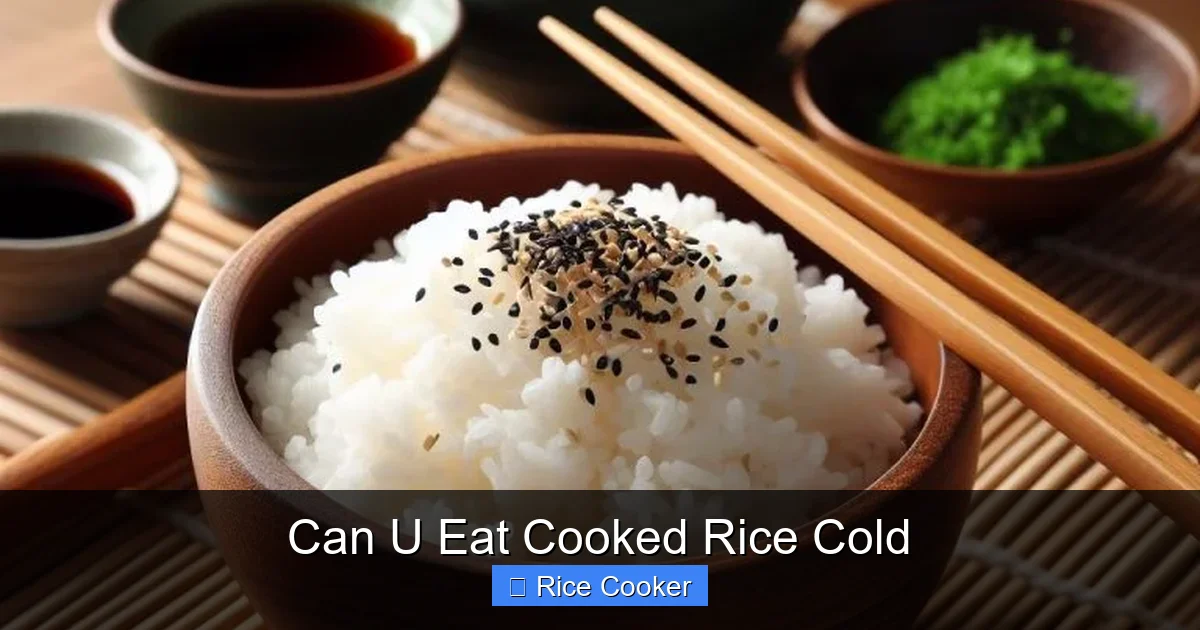
Visual guide about Can U Eat Cooked Rice Cold
Image source: cookedbest.com
The Science Behind B. Cereus
Bacillus cereus is commonly found in soil, air, and dust—and it’s also present in rice grains. When rice is cooked, the moisture creates an ideal environment for the bacteria to grow. If the rice isn’t cooled quickly and refrigerated, the bacteria can thrive in what’s known as the “danger zone”—the temperature range between 40°F and 140°F (4°C to 60°C).
Studies show that even reheating rice doesn’t always destroy the toxins produced by B. cereus. That’s why simply microwaving leftover rice isn’t enough—you need to ensure it reaches a safe internal temperature throughout. So while eating cold rice isn’t inherently dangerous, improper handling can turn it into a health hazard.
Safe Storage Practices
To minimize risks, follow these key steps:
- Cool rice quickly by spreading it in shallow layers or placing the container in an ice bath.
- Refrigerate within two hours of cooking.
- Store in airtight containers to prevent contamination.
- Consume within 3–4 days.
By following these guidelines, you can enjoy cold rice safely without worrying about food poisoning.
Why Do Some People Avoid Eating Cold Rice?
Even if cold rice is safe, some people simply don’t like its texture. When rice cools, the starch molecules recrystallize—a process called retrogradation. This makes the grains firmer, drier, and less appealing compared to freshly cooked rice. For dishes like risotto or creamy pilafs, this change is significant. However, in recipes like fried rice or rice salads, the firmer texture is actually desirable.

Visual guide about Can U Eat Cooked Rice Cold
Image source: rusticaly.com
Texture and Flavor Differences
Cold rice absorbs flavors differently than hot rice. Because it’s less porous, seasonings and sauces may not penetrate as deeply. That’s why marinating cold rice or letting it sit with dressing overnight can improve its taste. Additionally, cold rice holds its shape better, making it ideal for shaping into balls, rolls, or patties.
For example, sushi chefs use cold rice because it’s easier to handle when rolling. The firmness allows the rice to cling together without falling apart. Similarly, when making onigiri (rice balls), cold rice ensures the shape stays intact during packing.
How to Properly Store Leftover Rice
Storing rice correctly is crucial whether you plan to eat it cold or reheat it later. Improper storage can lead to bacterial growth and spoilage, no matter how careful you are when serving.
Step-by-Step Cooling Process
After cooking, rice should be cooled rapidly to reduce the time it spends in the danger zone. Here’s how:
- Spread the rice out in a wide, shallow dish or divide it into small containers.
- Place the container in a larger bowl filled with ice water, or put it directly in the refrigerator.
- Avoid covering the rice while it’s still hot—this traps steam and keeps the surface warm.
- Once cooled to room temperature, seal the container and refrigerate immediately.
This method helps prevent condensation inside the container, which can encourage mold growth.
Best Containers for Storage
Use glass or stainless steel containers with tight-fitting lids. Avoid plastic unless labeled as food-safe and BPA-free. Plastic can leach chemicals when exposed to hot or greasy foods, and it may warp or absorb odors over time.
Label containers with the date so you can track how long the rice has been stored. Most cooked rice is best eaten within 3–4 days, though freezing extends shelf life significantly.
Can You Freeze Cooked Rice?
Yes, freezing is an excellent way to preserve rice for longer periods. Properly frozen rice can last up to one month without losing much quality. Freezing slows down bacterial growth and prevents the texture changes that occur during repeated refrigeration cycles.
How to Freeze Rice Safely
Portion the rice into meal-sized amounts and place each portion in a freezer-safe bag or container. Remove as much air as possible to prevent freezer burn. Lay flat in the freezer until solid, then stack for easy access.
When ready to use, thaw rice in the refrigerator overnight or under cold running water. Reheat thoroughly to 165°F (74°C) before eating.
Benefits of Freezing
- Preserves nutrients better than repeated thawing and refrigeration.
- Reduces food waste by extending shelf life.
- Makes batch cooking more efficient—cook once, eat multiple times.
Delicious Ways to Eat Cold Rice
Eating cold rice doesn’t mean settling for plain, dry grains. In fact, many global cuisines celebrate cold rice as a foundation for flavorful, satisfying meals. Here are some popular ways to enjoy it:
Rice Salads
Cold rice absorbs dressings and herbs beautifully. Try mixing cooked rice with diced vegetables, beans, fresh herbs, and a tangy vinaigrette. Popular versions include Greek orzo salad, Mexican arroz con pollo salad, and Southeast Asian rice noodle salads with peanut sauce.
Onigiri and Sushi Rolls
In Japan, onigiri—rice balls shaped around fillings like pickled plum or tuna mayo—are made from cold rice. Similarly, sushi relies on cold rice seasoned with vinegar, sugar, and salt. The firm texture allows it to hold its shape during rolling and eating.
Fried Rice Variations
While traditional fried rice uses hot rice, some chefs prefer cold rice for a fluffier, less gummy result. Cold rice doesn’t release excess moisture when stir-fried, resulting in individual grains instead of a sticky mass.
Rice Pudding and Desserts
Cold rice is the base for many desserts, especially in Middle Eastern and South Asian cuisines. Varieties like kheer (Indian rice pudding) or mango sticky rice benefit from the thick, creamy consistency achieved by cooling and stirring continuously.
How to Reheat Cold Rice Safely
If you’re planning to eat cold rice warm again, reheating is essential for safety and taste. Simply microwaving it may leave cold spots where bacteria survive. Use one of these methods for thorough heating:
Microwave Method
Add a tablespoon of water to the rice to prevent drying. Cover loosely with a damp paper towel or vented lid. Microwave on high for 1–2 minutes per cup, stirring halfway through. Check that the internal temperature reaches 165°F (74°C).
Stovetop or Steamer
Place rice in a saucepan with a splash of broth or water. Heat over low-medium flame, stirring frequently. Steam rice in a bamboo steamer for a softer texture without drying.
Oven Method
Spread rice evenly on a baking sheet. Cover tightly with foil and bake at 350°F (175°C) for 10–15 minutes, flipping halfway. This works well for large batches.
Nutritional Impact of Eating Cold Rice
Contrary to popular belief, cold rice isn’t less nutritious than hot rice. In fact, cooling rice increases its resistant starch content—a type of fiber that resists digestion in the small intestine. Resistant starch acts like prebiotic fiber, feeding beneficial gut bacteria and promoting digestive health.
Resistant Starch and Blood Sugar
Resistant starch helps slow glucose absorption, which may improve blood sugar control. This makes cold rice a better choice for people managing diabetes or insulin resistance. Studies suggest that consuming cooled rice can lower post-meal blood glucose spikes compared to freshly cooked rice.
Calorie and Macronutrient Content
Cooked rice contains carbohydrates as its main macronutrient, along with small amounts of protein and fiber. The calorie count remains unchanged whether the rice is hot or cold. However, pairing cold rice with healthy fats (like avocado or olive oil) and proteins can enhance satiety and nutrient absorption.
Common Myths About Cold Rice
Several myths circulate about eating cold rice, many of which are outdated or exaggerated. Let’s debunk a few:
Myth: All Leftover Rice Is Dangerous
Not true. Only improperly stored rice poses a risk. If cooled and refrigerated within two hours, leftover rice is perfectly safe to eat—even cold.
Myth: Cold Rice Causes Digestive Issues
While some people may find cold rice harder to digest due to its texture, it doesn’t cause issues for most. In fact, resistant starch in cold rice supports gut health.
Myth: You Must Reheat Every Time
No. If you enjoy the texture and flavor of cold rice, go ahead. Just ensure it was stored safely from the start.
Tips for Perfect Cold Rice Every Time
Want to make cold rice taste great? Follow these pro tips:
- Use short-grain rice: It holds its shape better when cooled.
- Season while warm: Add salt, soy sauce, or herbs before cooling so flavors penetrate.
- Let it rest: After cooking, let rice stand covered for 5–10 minutes. This allows steam to distribute evenly and improves texture.
- Fluff gently: Use a fork to separate grains after cooling—don’t mash them.
- Marinate overnight: For salads or stuffed rice bowls, let cold rice soak in dressing or spices for deeper flavor.
Conclusion: Yes, You Can Eat Cooked Rice Cold—Safely
So, can u eat cooked rice cold? Absolutely—with the right precautions. As long as the rice is cooled quickly, refrigerated promptly, and consumed within a few days, it’s safe and enjoyable. From sushi to rice salads, cold rice plays a vital role in global cuisine and offers unique textures and health benefits that hot rice can’t match.
Remember: safety comes first. Never leave rice sitting out for more than two hours (or one hour if it’s above 90°F/32°C). And when in doubt, reheat thoroughly. But if you love the firm bite and versatility of cold rice, embrace it—just store it smartly and enjoy it responsibly.
Whether you’re meal-prepping for the week, making onigiri for lunch, or whipping up a refreshing rice salad, cold rice is a kitchen staple worth mastering. With these tips, you’ll never look at leftovers the same way again.
Frequently Asked Questions
Is it okay to eat cold rice straight from the fridge?
Yes, as long as the rice was cooled and stored properly. Cold rice from the fridge is safe to eat and is actually preferred in many dishes for its firm texture and ability to hold shape.
How long can you keep cooked rice in the fridge?
Properly stored cooked rice lasts 3–4 days in the refrigerator. Always refrigerate within two hours of cooking to prevent bacterial growth.
Does eating cold rice make you gain weight?
No, cold rice isn’t less healthy or more caloric than hot rice. Its resistant starch content may even support weight management by improving satiety and blood sugar control.
Can you eat rice that’s been sitting out all night?
It’s not recommended. Rice left at room temperature for more than two hours can develop harmful bacteria. When in doubt, throw it out.
Is cold rice good for digestion?
Yes, cold rice contains more resistant starch, which acts like fiber and supports healthy gut bacteria, potentially improving digestion.
Should I rinse rice before storing it cold?
No need to rinse after cooking. Rinsing removes surface starch that helps grains stay separate. Just store it clean and dry in an airtight container.