
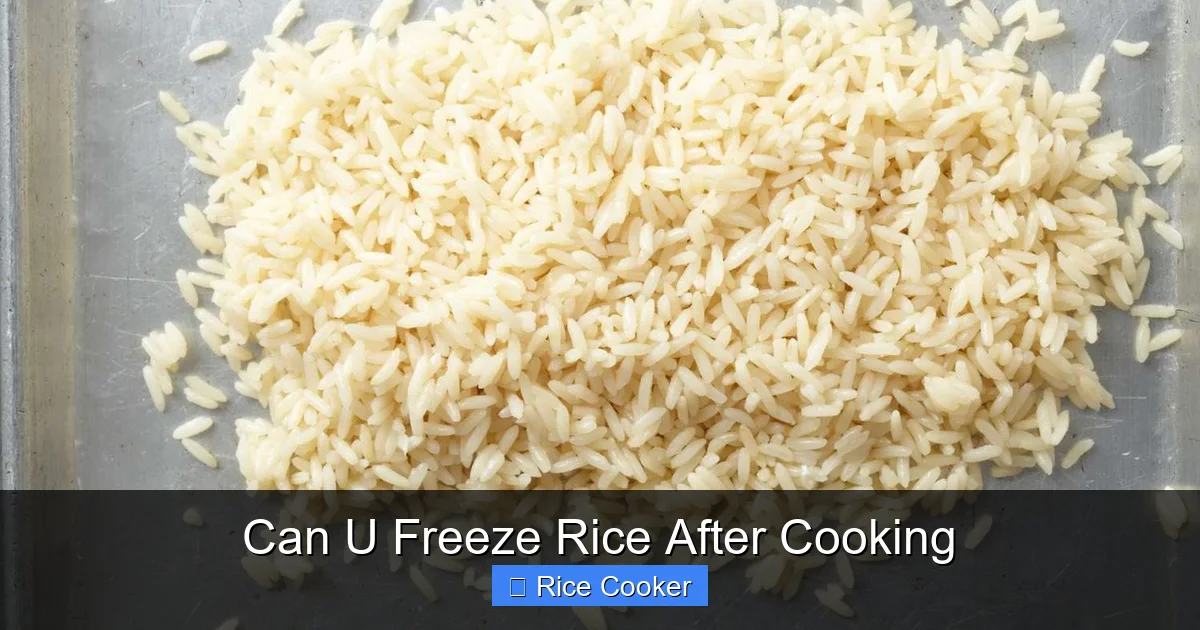
Can you freeze rice after cooking? Absolutely—freezing cooked rice is a smart way to save time and reduce waste. When done right, frozen rice retains its taste and texture, making it ideal for future meals. With proper storage techniques, your leftover rice can last up to 3 months in the freezer.
Have you ever found yourself staring at a pot of perfectly cooked rice, wondering what to do with the leftovers? Maybe you made too much for dinner, or perhaps you just want to save time on busy weekdays. Instead of tossing it out, you might be asking yourself: Can you freeze rice after cooking? The short answer is yes—absolutely. Freezing cooked rice is not only possible but also one of the most practical ways to manage leftovers, cut down on food waste, and prepare ahead for quick meals.
But here’s the catch: not all freezing methods are created equal. If you rush the process or use improper containers, your rice could end up mushy, dry, or freezer-burned when you go to reheat it. That’s why understanding the science (and the simple steps) behind freezing rice makes all the difference. Whether you’re using a rice cooker, stovetop, or Instant Pot, this guide will walk you through everything you need to know—from cooling to portioning to thawing—so your frozen rice tastes just as good as the day it was cooked.
In today’s fast-paced world, meal prepping has become a lifesaver. And when it comes to grains, rice is a kitchen staple that deserves a spot in your freezer rotation. Not only does it pair well with stir-fries, salads, casseroles, and bowls, but it also freezes beautifully if handled correctly. So, let’s dive into the details and unlock the full potential of your cooked rice.
Key Takeaways
- Yes, you can freeze rice after cooking — it’s safe and effective when stored correctly.
- Proper cooling and portioning prevent ice crystals and preserve quality.
- Cooking method matters — jasmine, basmati, and brown rice freeze differently.
- Label and date containers to keep track of freshness and avoid confusion.
- Thaw and reheat safely using the microwave or stovetop for best results.
- Freezing reduces waste and supports efficient meal planning.
- Use airtight containers or freezer bags to maintain moisture and prevent freezer burn.
📑 Table of Contents
- Why Freeze Cooked Rice?
- How Long Can You Keep Cooked Rice in the Freezer?
- Different Types of Rice and Their Freezing Performance
- Step-by-Step Guide: How to Freeze Cooked Rice Safely
- How to Reheat Frozen Rice Without Ruining It
- Common Mistakes to Avoid When Freezing Rice
- Creative Ways to Use Frozen Rice
Why Freeze Cooked Rice?
Before we jump into the “how,” let’s talk about the “why.” Freezing rice isn’t just about convenience—it’s about sustainability, efficiency, and flavor preservation. Here’s why more people should consider freezing their cooked rice:
- Reduces Food Waste: Leftover rice often ends up in the compost bin because people assume it goes bad quickly. But when stored properly, cooked rice can last for weeks—even months—in the freezer.
- Saves Time: Having pre-cooked rice ready to go means no last-minute scrambling when you’re tired or pressed for time. Just thaw, heat, and serve.
- Preserves Flavor and Texture: Unlike raw rice, which loses starch when refrigerated, cooked rice freezes better when cooled rapidly and stored in airtight containers.
- Versatile Meal Base: Frozen rice works great in fried rice, rice bowls, soups, stuffing, and even desserts like rice pudding.
- Cost-Effective: Buying rice in bulk and freezing portions helps stretch your grocery budget further.
Think of your freezer as an extension of your pantry. Just like how you might freeze bread dough or homemade pasta, cooked rice deserves the same treatment. With a little planning, you can turn yesterday’s dinner into tomorrow’s lunch—no stress, no waste, just delicious, ready-to-eat grains.
How Long Can You Keep Cooked Rice in the Freezer?
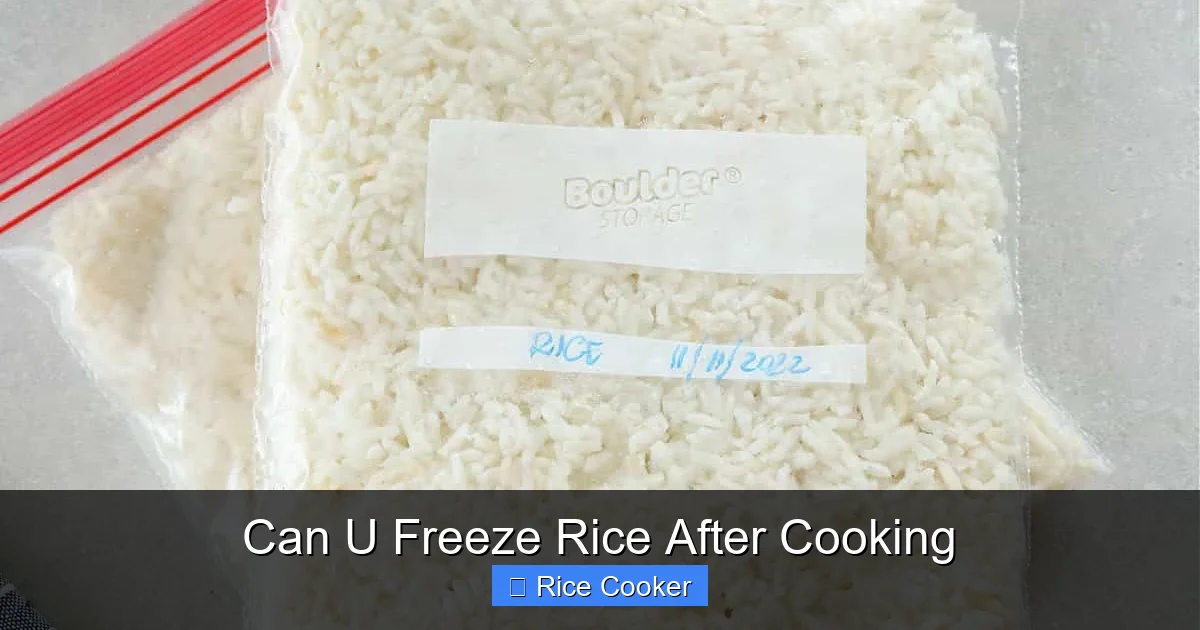
Visual guide about Can U Freeze Rice After Cooking
Image source: crunchycreamysweet.com
This is one of the most common questions people have: How long does cooked rice last in the freezer? The good news is that properly frozen rice can stay edible for up to 3 months. However, quality starts to decline after about 1–2 months, so it’s best to use it within that window for optimal taste and texture.
Here’s a quick breakdown:
- Best Quality: Within 1 month
- Safe to Eat: Up to 3 months
- Beyond 3 Months: Possible, but may develop off-flavors or dryness
It’s important to note that these timeframes apply only if the rice was cooled and stored correctly. Rapid cooling prevents bacterial growth (like Bacillus cereus, which can survive refrigeration), while airtight packaging keeps moisture in and contaminants out.
Also, different types of rice may have slightly different shelf lives due to their grain structure and oil content. For example, sushi rice—which has more moisture—might not freeze as well as jasmine or basmati. We’ll explore this more in the next section.
Different Types of Rice and Their Freezing Performance
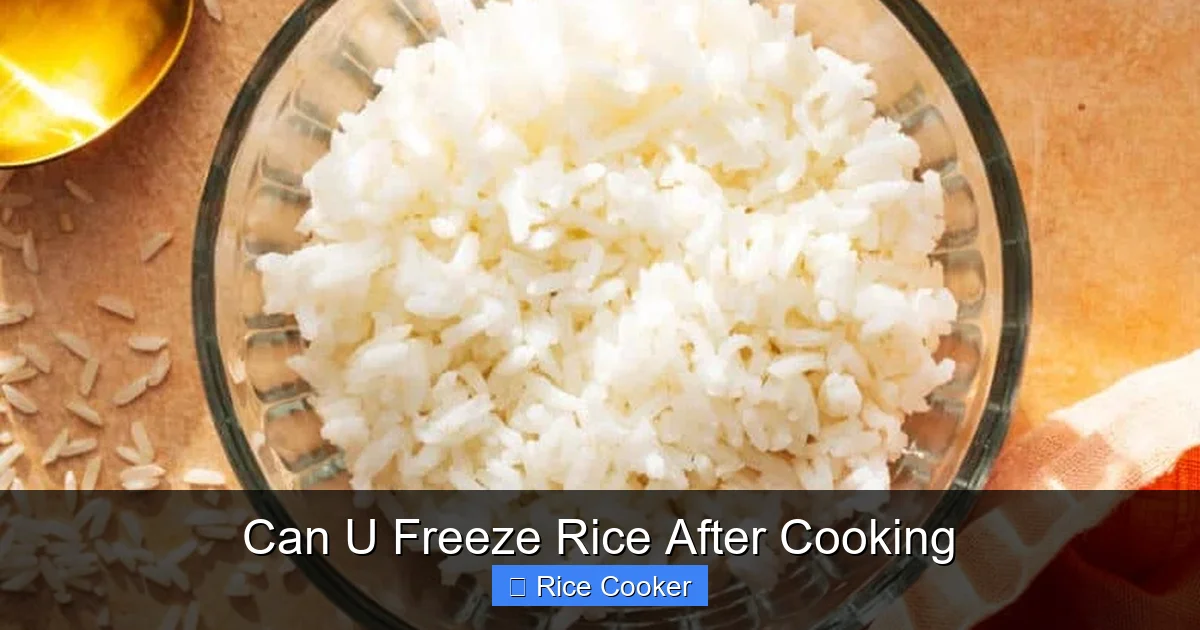
Visual guide about Can U Freeze Rice After Cooking
Image source: acouplecooks.com
Not all rice is created equal—and that includes how it handles freezing. The type of rice you cook affects how well it freezes, thaws, and reheats. Let’s break it down by variety:
White Rice (Long-Grain, Medium-Grain)
- Best For Freezing: Yes, especially long-grain varieties like jasmine and basmati.
- Texture After Thawing: Tends to hold shape well; less likely to become gummy.
- Tips: Rinse before cooking to remove excess starch, then cool completely before freezing.
Brown Rice
- Best For Freezing: Yes, but with caution.
- Texture After Thawing: Can become firmer and chewier due to higher fiber and oil content.
- Tips: Cook until tender but still slightly firm (al dente), then cool fast. Avoid overcooking before freezing.
Sushi Rice
- Best For Freezing: Not recommended.
- Reason: High water content and sticky texture make it prone to clumping and mushiness after thawing.
- Alternative: Use fresh for sushi; freeze only if repurposing into dishes like fried rice (with added sauce to mask texture).
Arborio or Short-Grain Rice (Used in Risotto)
- Best For Freezing: Only if you plan to reheat immediately and add liquid during cooking.
- Reason: Creamy texture doesn’t freeze well—it turns glue-like.
- Tip: Freeze risotto in small portions and reheat with broth or cream to restore creaminess.
In general, long-grain white rice is your safest bet for freezing. It resists breaking down and maintains a pleasant bite. Brown rice works too, but monitor closely after thawing. And remember: even if a rice variety freezes well, the key is always proper handling.
Step-by-Step Guide: How to Freeze Cooked Rice Safely
Now that you know *why* and *what*, let’s get into the *how*. Freezing rice doesn’t require special equipment—just a bit of patience and the right technique. Follow these steps for foolproof results:
Step 1: Cool the Rice Quickly
Never leave hot rice sitting at room temperature for more than two hours. Bacteria multiply rapidly between 40°F and 140°F (the “danger zone”). To speed things up:
- Spread the rice in a shallow pan or tray.
- Drape a clean towel over it to help draw out heat.
- Stir occasionally to release steam and cool evenly.
Alternatively, place the pot in an ice bath (cold water + ice cubes) for 10–15 minutes. This rapid cooling method is especially useful for large batches.
Step 2: Portion Into Usable Sizes
Don’t freeze a whole pot at once. Instead, divide the rice into single-serving or meal-sized portions. Use:
- Freezer-safe glass jars
- Plastic containers with tight lids
- Reusable silicone ice cube trays (great for small portions!)
Label each container with the date and type of rice. Trust me—you’ll thank yourself later when you open the freezer and see clear labels instead of mystery blobs.
Step 3: Pack Tightly and Remove Air
Air causes freezer burn. Press the rice down firmly in the container to eliminate air pockets. For extra protection:
- Use freezer bags and squeeze out as much air as possible before sealing.
- Leave about ½ inch of headspace to allow expansion during freezing.
Step 4: Freeze Flat
Stack containers flat in the freezer so they freeze evenly and don’t take up too much space. If using bags, lay them flat instead of folding them.
Step 5: Store Properly
Keep your frozen rice away from strong-smelling foods (like fish or onions) to avoid flavor transfer. A standard freezer set at 0°F (-18°C) will preserve quality for up to 3 months.
By following these steps, you’ll ensure your rice stays fresh, flavorful, and ready whenever you need it.
How to Reheat Frozen Rice Without Ruining It
The moment of truth: bringing your frozen rice back to life. Many people panic when they pull out a block of frozen rice and wonder, “Will it be dry? Mushy? Unappetizing?” The secret lies in gentle reheating and adding moisture.
Method 1: Microwave (Quick & Easy)
- Place frozen rice in a microwave-safe bowl.
- Cover with a damp paper towel or lid to trap steam.
- Heat on high for 1–2 minutes, stir, then repeat in 30-second intervals until heated through.
- Add a splash of water, broth, or soy sauce if it seems dry.
Method 2: Stovetop (Best for Even Heating)
- Transfer frozen rice to a saucepan.
- Add 1 tablespoon of water or broth per cup of rice.
- Cook over medium-low heat, stirring frequently, for 5–7 minutes.
- Cover partially to let steam circulate.
Method 3: Oven or Air Fryer
- Preheat oven to 350°F (175°C).
- Spread rice on a baking sheet lined with parchment.
- Cover tightly with foil and bake for 10–15 minutes, stirring halfway.
- In an air fryer, spray rice lightly and heat at 350°F for 8–10 minutes.
Pro Tip: Never microwave without covering—it leads to uneven heating and dry spots. And always check internal temperature with a thermometer; rice should reach at least 165°F (74°C) to be safe.
With these methods, your rice will come out soft, fluffy, and restaurant-quality—not rubbery or stale.
Common Mistakes to Avoid When Freezing Rice
Even with the best intentions, mistakes happen. Here are the top errors people make—and how to fix them:
Mistake #1: Skipping the Cooling Step
Leaving hot rice in the container and putting it straight into the freezer creates huge ice crystals and uneven freezing. Always cool first!
Mistake #2: Overcrowding the Freezer
If everything is packed tightly, air can’t circulate, leading to freezer burn. Leave space between containers.
Mistake #3: Using Non-Freezer-Safe Containers
Some plastics warp or leach chemicals when frozen. Stick to BPA-free, food-grade containers.
Mistake #4: Not Labeling
You’ll forget which batch is which after a few weeks. Always label with date and rice type.
Mistake #5: Thawing at Room Temperature
Slow thawing encourages bacteria growth. Always thaw in the fridge overnight or use the microwave’s defrost setting.
Avoid these pitfalls, and your frozen rice journey will be smooth sailing.
Creative Ways to Use Frozen Rice
Once you master freezing, the possibilities expand. Frozen rice isn’t just for reheating plain—it’s a blank canvas. Try these ideas:
- Fried Rice: Sauté frozen rice with veggies, eggs, and your favorite sauce. Add a splash of soy or oyster sauce to revive moisture.
- Rice Bowls: Layer thawed rice with roasted vegetables, protein, and tahini dressing.
- Soups & Stews: Stir into miso soup, curry, or chili for body and heartiness.
- Stuffing & Desserts: Mix with herbs and breadcrumbs for savory stuffing, or combine with milk, sugar, and cinnamon for rice pudding.
- Pizza Topping: Yes, really! Crumble thawed rice over pizza crust for a unique crunch.
Get creative—your freezer stash becomes a pantry powerhouse.
Frequently Asked Questions
Can you freeze rice right after cooking?
Yes, but only after it’s cooled. Never put hot rice directly into the freezer—it raises the temperature and compromises food safety. Cool it quickly using an ice bath or shallow pan before freezing.
How long does cooked rice last in the freezer?
Properly stored cooked rice can last up to 3 months in the freezer. For best quality, use within 1 month. Always check for signs of freezer burn or off odors before consuming.
Does freezing ruin the taste of rice?
No, if done correctly. Freezing preserves flavor when rice is cooled rapidly and stored in airtight containers. However, prolonged storage or improper reheating can affect texture and taste.
Can you freeze rice in aluminum foil?
Not recommended. Aluminum foil isn’t designed for long-term freezer storage and can lead to oxidation or contamination. Use plastic containers, glass jars, or freezer bags instead.
Is it safe to eat rice that’s been frozen and reheated?
Yes, as long as it was frozen promptly after cooking and reheated to 165°F (74°C). Freezing stops bacterial growth, so frozen rice is safer than room-temperature leftovers.
Should you rinse rice before freezing?
Only if you’re planning to freeze it raw. If freezing cooked rice, rinsing isn’t necessary. However, rinsing before cooking helps remove excess starch and prevents stickiness—especially for long-grain varieties.