
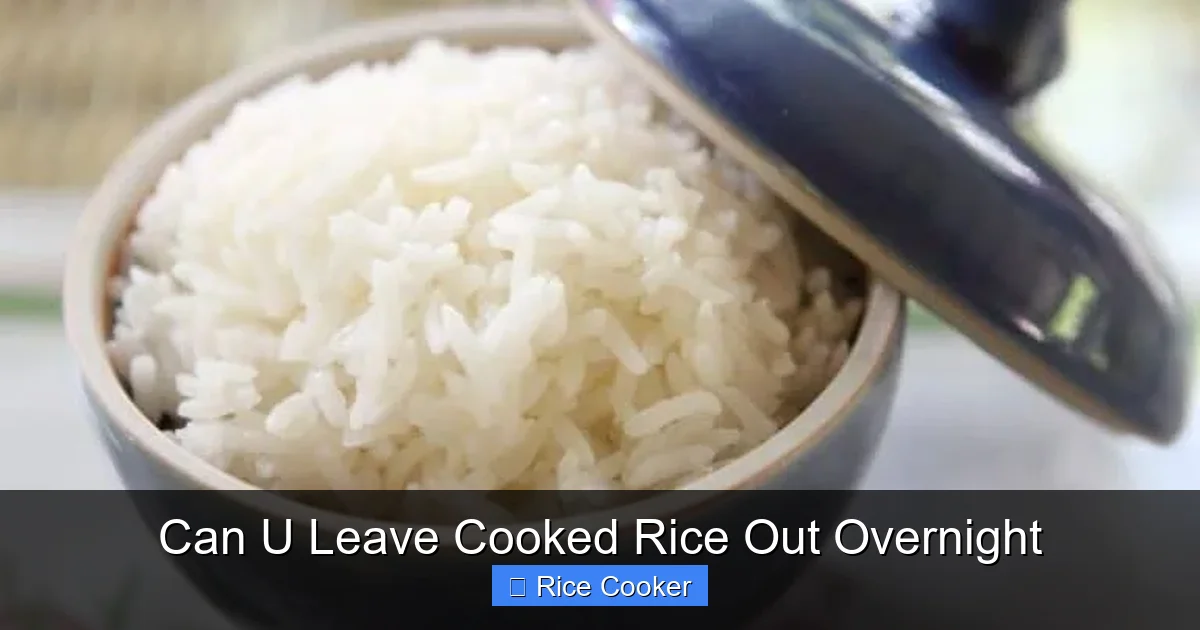
Leaving cooked rice out overnight is unsafe due to bacterial growth. Rice can harbor Bacillus cereus, which thrives in warm environments and causes food poisoning. Always refrigerate leftover rice within 2 hours or freeze it for long-term storage.
Key Takeaways
- Bacillus cereus risk: Cooked rice left at room temperature can grow this toxin-producing bacteria, leading to vomiting or diarrhea.
- Safe time limit: Refrigerate rice within 2 hours of cooking to prevent bacterial growth—especially in temperatures above 40°F (4°C).
- Proper reheating matters: Reheat rice thoroughly until steaming hot to kill any potential spores that survived refrigeration.
- Use airtight containers: Store cooled rice in shallow, sealed containers to speed up cooling and reduce contamination risk.
- Freeze for longer storage: Freeze rice within 3–4 days of cooking for safe consumption up to 6 months.
- Trust your senses: Discard rice that smells off, looks slimy, or tastes strange—even if it passed initial reheating tests.
📑 Table of Contents
- Can U Leave Cooked Rice Out Overnight? The Truth About Food Safety
- The Science Behind Rice and Bacteria
- Why Bacillus Cereus Is a Big Deal
- How Long Can Cooked Rice Safely Sit Out?
- Safe Storage Tips for Leftover Rice
- Reheating Rice Safely
- Signs Your Rice Has Gone Bad
- Special Considerations for Different Types of Rice
- Common Misconceptions About Rice Storage
- How Rice Cookers Fit Into Food Safety
- Tips for Eating Out or Traveling with Rice
- What Happens If You Eat Bad Rice?
- Final Thoughts: When in Doubt, Refrigerate
Can U Leave Cooked Rice Out Overnight? The Truth About Food Safety
We’ve all been there—you’ve just finished a delicious dinner with perfectly fluffy rice, but instead of eating it right away, life gets in the way. You go out, come back late, and find yourself staring at a pot of leftover rice sitting on the counter. A quick Google search pops up: “Can u leave cooked rice out overnight?”
The short answer? No. Not really. And here’s why it matters more than you might think. While rice may look and smell fine, it can quietly harbor dangerous bacteria that multiply rapidly when left at room temperature. Unlike other foods, rice has a unique relationship with a particular type of bacteria called Bacillus cereus, which can survive even after cooking and produce toxins that cause foodborne illness.
The Science Behind Rice and Bacteria
You might be wondering—why rice, specifically? Well, rice contains starches that are perfect breeding grounds for bacteria. When rice is cooked, the starches gelatinize, creating a warm, moist environment ideal for microbial growth. If the rice isn’t cooled quickly enough and then stored improperly, Bacillus cereus spores can wake up, multiply, and release toxins that aren’t destroyed by normal cooking temperatures.

Visual guide about Can U Leave Cooked Rice Out Overnight
Image source: preparedcooks.com
These spores are naturally present in soil and grains, including uncooked rice. Cooking usually kills the bacteria, but not the spores—which are incredibly resilient. Once the rice cools to room temperature, those spores begin to germinate and grow. In as little as 12 to 24 hours, they can reach dangerous levels, especially if the rice was left out during warm weather or in an unrefrigerated space like a kitchen counter or picnic table.
Why Bacillus Cereus Is a Big Deal
There are two main types of food poisoning caused by Bacillus cereus: emetic (vomiting) and diarrheal. The emetic form is particularly linked to rice because it produces a heat-stable toxin that survives cooking. This means even reheating won’t destroy it—so eating rice that’s been sitting around could make you sick without warning.
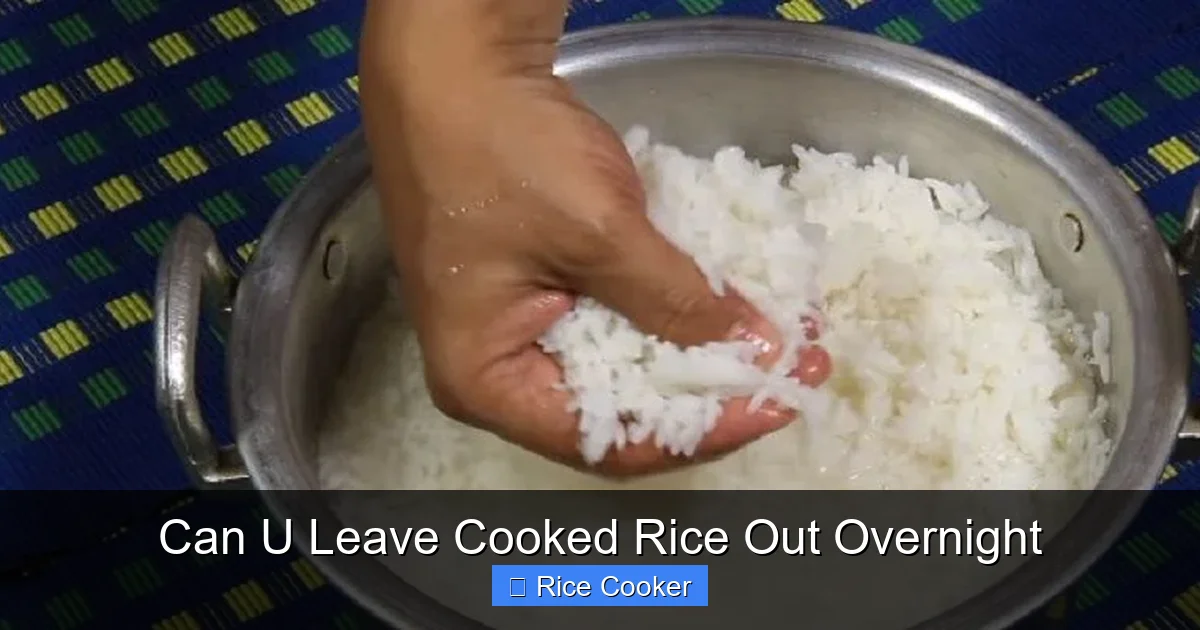
Visual guide about Can U Leave Cooked Rice Out Overnight
Image source: recipeofbangladesh.com
Symptoms typically appear 1 to 5 hours after eating contaminated rice and include nausea, vomiting, and abdominal cramps. Diarrhea-type symptoms show up a bit later, usually 6 to 15 hours post-consumption, and involve watery bowel movements and stomach pain. While most cases are mild and resolve on their own, repeated exposure or higher doses can lead to dehydration, especially in children, elderly individuals, or those with weakened immune systems.
How Long Can Cooked Rice Safely Sit Out?
The golden rule for perishable foods—not just rice—is the “danger zone” between 40°F and 140°F (4°C to 60°C), where bacteria multiply fastest. The USDA recommends that perishable foods should not be left in this range for more than 2 hours. That includes rice.
If you’re in a hot environment—say, a summer picnic or a kitchen without air conditioning—the time drops to just 1 hour. So if your cooked rice has been sitting out since last night, it’s almost certainly in the danger zone for too long.
Even if the rice feels cool to the touch, internal temperatures may still be warm enough to encourage bacterial growth. That’s why experts always advise refrigerating or freezing rice promptly.
Safe Storage Tips for Leftover Rice
So what’s the best way to store leftover rice so you don’t have to toss it out—or worse, get sick? Follow these simple steps:
1. Cool It Fast
Don’t let rice sit in a hot pot or pan for too long after cooking. Spread it out in a shallow container or on a baking sheet to speed up cooling. Stir occasionally to help distribute heat evenly.
2. Use Airtight Containers
Once cooled, transfer the rice into clean, airtight containers. Glass or BPA-free plastic works well. Avoid reusing old takeout containers unless they’re thoroughly washed and dried.
3. Label and Date
Write the date on the container so you know how long it’s been stored. Freshly cooked white rice lasts about 3–4 days in the fridge; brown rice, with its higher oil content, should be eaten within 2–3 days due to faster spoilage.
4. Freeze for Long-Term Storage
Want to save rice for future stir-fries, fried rice, or casseroles? Freeze it in portion-sized bags or containers. Frozen rice stays safe for up to 6 months. Just thaw it in the fridge overnight before reheating.
Reheating Rice Safely
Many people assume that reheating rice kills all bacteria, but that’s not entirely true. While high heat will destroy active Bacillus cereus cells, it won’t eliminate pre-formed toxins. However, proper reheating does minimize risk by killing any remaining bacteria in the outer layers.
Here’s how to do it safely:
- Microwave method: Place rice in a microwave-safe dish, add a tablespoon of water to create steam, cover loosely, and heat in 30-second intervals until steaming throughout.
- Stovetop method: Heat rice over medium-low heat with a splash of water or broth, stirring frequently until heated through.
- Oven method: Spread rice on a baking sheet, drizzle with a little oil or water, and bake at 350°F (175°C) for 10–15 minutes, flipping halfway through.
Aim for an internal temperature of at least 165°F (74°C). Let it rest for a minute after heating to ensure even warmth.
Signs Your Rice Has Gone Bad
Even with careful storage, rice can spoil. Trust your senses—if something looks, smells, or tastes off, don’t risk it.
Watch out for:
- Unpleasant odor: Sour, rancid, or fermented smells are red flags.
- Texture changes: Slimy, sticky, or overly dry rice may indicate spoilage.
- Mold growth: White, green, or black spots mean immediate disposal.
- Off color: Discoloration, especially darkening or gray tones, suggests bacterial or mold contamination.
When in doubt, throw it out. Better safe than sorry when it comes to food safety.
Special Considerations for Different Types of Rice
Not all rice behaves the same way when stored. Here’s how different varieties compare:
White Rice
Refined white rice has a longer shelf life than brown rice because it lacks the bran layer that contains oils prone to oxidation. Still, once cooked, both types are equally vulnerable to bacterial growth if mishandled.
Brown Rice
Brown rice contains natural oils that can turn rancid over time, even in the fridge. For best quality, consume within 2–3 days. Freezing helps preserve freshness longer.
Instant Rice
Packets of instant rice (like Minute Rice) are precooked and dried. They’re convenient, but once opened and mixed with water, follow the same storage rules as regular cooked rice.
Fried or Stuffed Rice
Dishes like fried rice, biryani, or stuffed peppers with rice introduce additional ingredients—meat, vegetables, sauces—that can increase spoilage risk. These should always be refrigerated within 2 hours.
Common Misconceptions About Rice Storage
Let’s clear up some myths that might have led you to leave rice out overnight:
Myth #1: “If I eat it right away, it’s fine.”
Even if you eat rice within hours of cooking, improper cooling afterward creates a window for bacterial growth. Waiting too long before refrigeration is risky no matter how quickly you plan to consume it.
Myth #2: “Cooking it again will fix it.”
Reheating doesn’t undo toxins produced by Bacillus cereus. While it kills live bacteria, the damage is already done once the toxin forms.
Myth #3: “It’s just rice—it can’t hurt.”
Rice may seem harmless, but it’s actually one of the top culprits in foodborne illness outbreaks linked to restaurants and home kitchens alike.
How Rice Cookers Fit Into Food Safety
Modern rice cookers are fantastic appliances—they automate cooking, maintain consistent temperatures, and often have keep-warm settings. But that doesn’t mean they protect against bacterial growth.
Many rice cookers stay in the “keep warm” mode for several hours, holding food between 120°F and 140°F—right in the danger zone. If you’re using your rice cooker to store leftover rice, turn it off after cooking and remove the inner pot immediately. Don’t let it sit on the warmer plate for extended periods.
For optimal safety, always cool rice quickly and transfer it to the refrigerator. Some advanced models even have rapid-cooling functions or smart sensors, but basic care remains essential.
Tips for Eating Out or Traveling with Rice
Life happens outside the kitchen. Whether you’re at a buffet, on a road trip, or enjoying a meal at a restaurant, here’s how to handle rice responsibly:
- At buffets: Ask staff about how long dishes have been sitting. Avoid rice dishes that have been out for more than 2 hours.
- On flights: Pack rice-based sides in insulated bags with ice packs if carrying them home.
- Picnics: Keep rice in a cooler until ready to serve, and never leave it exposed to direct sunlight or heat.
- Takeout containers: Treat restaurant leftovers the same as homemade ones—refrigerate within 2 hours.
What Happens If You Eat Bad Rice?
If you accidentally eat rice that’s been left out too long, monitor yourself for symptoms. Most cases resolve within 24 hours with rest and hydration. Drink plenty of fluids, avoid dairy, and consider over-the-counter remedies like Pepto-Bismol for nausea or Imodium for diarrhea—but consult a doctor if symptoms worsen or persist.
Keep track of what you ate if possible. This information can help healthcare providers diagnose foodborne illness accurately.
Final Thoughts: When in Doubt, Refrigerate
The bottom line is simple: can u leave cooked rice out overnight? No. Even if it looks and smells fine, the risk of food poisoning is real and serious. With just a few extra seconds of effort—cooling it fast, putting it in a container, and placing it in the fridge—you can enjoy your rice safely tomorrow.
Your health isn’t worth the gamble. Next time you cook up a batch, plan ahead. Portion it out, label it, and refrigerate promptly. Then, when hunger strikes again, you’ll have delicious, safe rice ready to go—no questions asked.
Frequently Asked Questions
Can you eat rice left out overnight?
No, eating rice left out overnight is not safe due to the risk of Bacillus cereus growth. This bacteria can produce toxins that cause food poisoning, even after reheating. It’s best to discard rice that has been sitting out for more than 2 hours.
How long is rice good for in the fridge?
Cooked rice should be consumed within 3 to 4 days when stored properly in the refrigerator. Brown rice has a shorter shelf life—about 2 to 3 days—due to its higher oil content. Always use airtight containers and check for signs of spoilage before eating.
Can reheating rice kill bacteria?
Reheating rice can kill active bacteria, but it cannot destroy pre-formed toxins from Bacillus cereus. That’s why it’s crucial to store rice correctly from the start. Proper reheating reduces risk but doesn’t guarantee safety if the rice was mishandled earlier.
Is it okay to leave rice in the rice cooker overnight?
No, leaving rice in the rice cooker overnight is unsafe. Many rice cookers keep food in the “keep warm” mode between 120°F and 140°F—ideal for bacterial growth. Turn off the cooker after use and refrigerate leftovers promptly.
Can I freeze cooked rice?
Yes, cooked rice freezes very well. Place it in freezer-safe containers or bags, label with the date, and store for up to 6 months. Thaw in the refrigerator before reheating. Frozen rice retains quality and safety much longer than refrigerated rice.
What should I do if I think I ate bad rice?
If you suspect you’ve eaten spoiled rice, watch for symptoms like nausea, vomiting, or diarrhea. Stay hydrated and rest. Seek medical attention if symptoms are severe or last more than a day. Try to recall what was served so healthcare providers can assess the situation.