
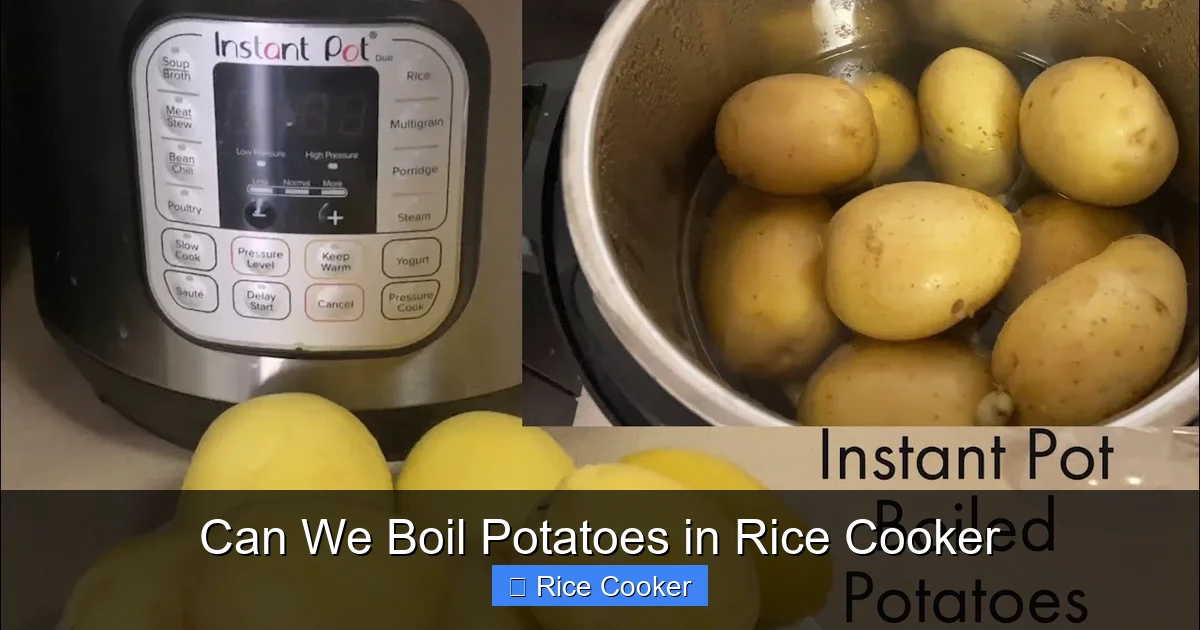
Yes, you can absolutely boil potatoes in a rice cooker—it’s quick, convenient, and requires no extra effort. This method saves time and energy, making it ideal for busy cooks who want perfectly tender potatoes without boiling water on the stove. Whether you’re meal prepping or cooking side dishes, your rice cooker is a hidden kitchen hero.
Have you ever been in the middle of preparing a delicious meal, realized you need boiled potatoes for a salad or mash, and then had to deal with a full pot of boiling water on the stovetop? It’s messy, time-consuming, and often leads to overcooked edges or underdone centers. But what if I told you there’s a smarter, easier way—using something you probably already own: your rice cooker?
Yes, that’s right! You can boil potatoes in a rice cooker, and it’s one of those simple kitchen hacks that makes everyday cooking so much more convenient. Not only does this method save time and reduce cleanup, but it also delivers consistently cooked, perfectly tender potatoes every single time. Whether you’re a beginner cook or a seasoned home chef, learning how to use your rice cooker for more than just rice opens up a world of possibilities. In this article, we’ll walk you through everything you need to know about boiling potatoes in a rice cooker—from preparation to serving—so you can master this trick like a pro.
Key Takeaways
- Yes, it’s possible: Boiling potatoes in a rice cooker is not only doable but also efficient.
- Saves time and energy: No need to monitor a pot of boiling water or use multiple appliances. Even cooking: The sealed environment ensures uniform tenderness from core to edge.
- Minimal cleanup: One pot means fewer dishes to wash after dinner.
- Versatile use: Great for mashed potatoes, potato salads, or as a side dish.
- Customizable timing: Adjust cook time based on potato size and desired texture.
- Tip: Use cold water: Starting with cold water helps control heat and prevents sticking.
📑 Table of Contents
- Why Use a Rice Cooker to Boil Potatoes?
- What You’ll Need to Boil Potatoes in a Rice Cooker
- Step-by-Step Guide: How to Boil Potatoes in a Rice Cooker
- Tips for Perfectly Cooked Potatoes Every Time
- Common Mistakes to Avoid
- Beyond Basic Boiling: Creative Uses for Cooked Potatoes
- How Long Does It Take to Boil Potatoes in a Rice Cooker?
- Can You Cook Other Vegetables Alongside Potatoes?
- Cleaning Your Rice Cooker After Boiling Potatoes
Why Use a Rice Cooker to Boil Potatoes?
Using a rice cooker to boil potatoes isn’t just a gimmick—it’s a practical solution backed by convenience and efficiency. First, let’s talk about why this method stands out. Unlike traditional boiling, which requires constant attention and risks scorching or uneven cooking, the rice cooker operates automatically once you set it. It uses steam and controlled heat to cook food evenly, making it ideal for starchy vegetables like potatoes.
Another major advantage is energy savings. Instead of heating a large pot of water on the stove, you’re using the internal heating element of the rice cooker, which consumes far less power. Plus, because everything happens in one appliance, cleanup is a breeze. No more scrubbing bubbling pots or dealing with splattered stovetops.
But beyond practicality, cooking potatoes in a rice cooker preserves their flavor and texture better than some other methods. The enclosed environment locks in moisture, resulting in fluffy insides and smooth skins—perfect for mashing, roasting, or slicing into salads. And since there’s no direct flame or high heat exposure, you avoid bitterness or dryness that can occur with overboiling.
What You’ll Need to Boil Potatoes in a Rice Cooker
Before you start, gather these simple supplies:
Essential Equipment
- Rice cooker with a steaming function: Most modern rice cookers come with this feature, but check your manual if unsure.
- Potato peeler or knife: For peeling (optional) and cutting.
- Cutting board: To safely slice the potatoes.
- Measuring cup or scale: To estimate water volume accurately.
Ingredients & Tools
- Fresh potatoes: Russet, Yukon Gold, or red potatoes all work well.
- Cold water: Start with cold water to ensure even heating.
- Salt (optional): Add ½ teaspoon per quart of water for flavor.
- Lid or trivet (if needed): Some models require a small amount of water at the bottom; others have built-in steam trays.
Recommended Potato Types
Different varieties offer different textures when boiled. Russets are great for mashing due to their high starch content, while Yukon Golds stay creamy and buttery. Red potatoes hold their shape better and are perfect for salads. Choose based on your recipe needs—but any waxy or all-purpose potato will cook beautifully in a rice cooker.
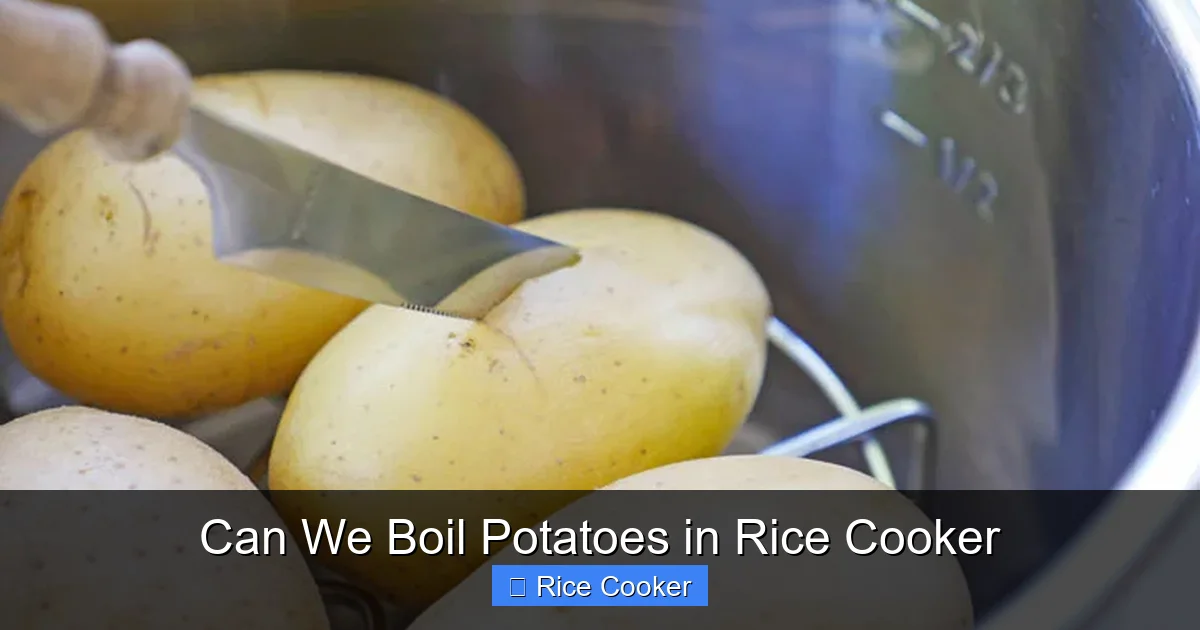
Visual guide about Can We Boil Potatoes in Rice Cooker
Image source: myheartbeets.com
Step-by-Step Guide: How to Boil Potatoes in a Rice Cooker
Ready to give it a try? Follow these easy steps for foolproof results:
1. Wash and Prep Your Potatoes
Start by thoroughly washing your potatoes under cool running water. Scrub away dirt gently—no need for a brush unless they’re particularly muddy. Then peel (if desired) and cut into uniform pieces. Small cubes or wedges between ¾ to 1 inch thick cook fastest and most evenly. Avoid irregular shapes, as they may lead to inconsistent doneness.
Visual guide about Can We Boil Potatoes in Rice Cooker
Image source: thespruceeats.com
2. Add Water to the Rice Cooker
Fill the inner pot with enough cold water to cover the potatoes completely—about 1–2 inches above the vegetable layer. Too little water risks burning; too much extends cook time. A good rule of thumb is 1 cup of water per pound of potatoes.
3. Place Potatoes Inside
Arrange the potato pieces in a single layer at the bottom of the rice cooker. Don’t overcrowd—this helps hot water circulate and ensures even cooking. If your model has a steaming rack, you can place them on it instead of directly touching the water (though direct contact usually works fine).
4. Season Lightly (Optional)
Add a pinch of salt or a drizzle of olive oil for extra flavor. Be careful not to over-salinate, as the potatoes will absorb the seasoning during cooking.
5. Close the Lid and Turn On
Secure the lid tightly and press the “Cook” or “Boil” button (depending on your model). Most rice cookers default to white rice mode, which mimics boiling conditions. Let it run until the cycle completes—usually 20–30 minutes for medium-sized potatoes.
6. Test for Doneness
Once the cycle ends, open the lid carefully (steam may escape). Use a fork to test a piece—it should pierce easily with little resistance. If still firm, close the lid and cook for another 5 minutes.
7. Drain and Serve
Use a slotted spoon or strainer to remove the potatoes. Let them drain briefly before transferring to a bowl or platter. Now they’re ready for mashing, roasting, or tossing into a salad!
Tips for Perfectly Cooked Potatoes Every Time
Even though boiling potatoes in a rice cooker is straightforward, a few smart tips can elevate your results:
Use Cold Water, Not Hot
Starting with cold water allows gradual heating, preventing the outer layers from breaking down before the center cooks through. Hot water can cause rapid surface softening, leading to mushy results.
Cut Uniformly
Inconsistent sizes mean some pieces finish early while others remain undercooked. Aim for pieces of similar thickness—this is especially important for larger batches.
Don’t Overfill
Limit the number of potatoes to about 2–3 pounds per rice cooker. Overloading restricts water movement and increases cook time unpredictably.
Try the Steaming Rack Method
If your rice cooker includes a removable steaming tray, use it. This keeps potatoes slightly elevated and reduces the chance of sogginess.
Save Cooking Liquid
The leftover water from cooking can be strained and used as a base for soups or sauces—it’s packed with potato flavor!
Let Them Rest Briefly
After draining, let the potatoes sit for 1–2 minutes. This allows excess moisture to evaporate slightly, improving texture for mashing or roasting.
Common Mistakes to Avoid
While the process is simple, beginners sometimes run into issues. Here’s how to dodge common pitfalls:
Mistake #1: Using Too Little Water
If the water level doesn’t fully cover the potatoes, the bottom layer may stick or burn. Always double-check before starting.
Mistake #2: Skipping the Cold Start
Jumping straight to boiling water disrupts temperature control and can ruin texture. Patience pays off here.
Mistake #3: Overcooking
Unlike stovetop boiling, you can’t see the bubbles, so timing is key. Set a timer and check frequently toward the end.
Mistake #4: Not Draining Properly
Sitting wet potatoes in a bowl traps moisture, making them slimy. Always drain thoroughly before further use.
Mistake #5: Ignoring Potato Variety
Some dense types (like sweet potatoes) take longer. Adjust time accordingly—sweet potatoes may need 35–40 minutes.
Beyond Basic Boiling: Creative Uses for Cooked Potatoes
Once you’ve mastered boiling, your rice cooker opens doors to endless culinary creativity:
Mashed Potatoes Made Easy
Boil potatoes until fork-tender, drain, then return them to the warm rice cooker pot. Add butter, milk, salt, and pepper. Cover and let sit for 5 minutes—the residual heat finishes the job without extra effort.
Roasted Potato Wedges
Toss peeled wedges with olive oil, garlic powder, and paprika before boiling. After draining, spread them on a baking sheet and roast at 425°F (220°C) for 20–25 minutes until golden.
Potato Salad Base
Boil cubed potatoes with hard-boiled eggs and celery. Cool slightly, then mix with mustard vinaigrette. Chill before serving for a refreshing side dish.
Instant Potato Soup
Combine boiled potatoes with broth, onions, and cheese in a blender or food processor for a quick purée. Reheat gently on the stove or in the microwave.
Baked Potato Filling
Scoop out cooled boiled potato flesh and mix with sour cream, chives, and bacon bits. Spoon into hollowed-out shells and bake until warm.
How Long Does It Take to Boil Potatoes in a Rice Cooker?
Timing depends on several factors, but here’s a general guideline:
– Small cubes (½ inch): 15–20 minutes
– Medium cubes (¾ inch): 20–25 minutes
– Large wedges (1–1½ inch): 25–30 minutes
– Sweet potatoes: Add 5–10 minutes
Always verify doneness with a fork. Remember, rice cookers vary slightly in performance, so adjust based on your specific model.
Can You Cook Other Vegetables Alongside Potatoes?
Absolutely! Carrots, green beans, cauliflower florets, and peas all pair well with potatoes. Just add them at the same time, but consider their cook times—carrots may need an extra 5 minutes compared to potatoes. Layer denser veggies at the bottom and softer ones on top for best results.
Cleaning Your Rice Cooker After Boiling Potatoes
Since potatoes can leave starch behind, cleaning promptly is essential:
– Unplug and allow the unit to cool completely.
– Remove the inner pot and rinse it under warm water.
– Use a soft sponge or brush to wipe away residue—avoid abrasive scrubbers.
– Wipe the exterior with a damp cloth.
– Replace the inner pot and store until next use.
Regular cleaning prevents buildup and maintains your rice cooker’s efficiency.
Frequently Asked Questions
Can I boil whole potatoes in a rice cooker?
Yes, but smaller pieces cook faster and more evenly. Whole russet potatoes may take 35–45 minutes. For best results, pierce skin with a fork before cooking.
Do I need to add oil when boiling potatoes in a rice cooker?
Not required—potatoes absorb water-based flavors well. However, a splash of oil adds richness, especially for mashed potatoes.
Will my rice cooker burn if I forget to add water?
Most modern models have safety features that prevent dry-burning, but it’s always safer to add water. Empty units can damage the heating plate.
Can I reheat leftover boiled potatoes in the rice cooker?
Yes! Add a tablespoon of water, cover, and select “Warm” or “Cook” for 5–10 minutes until heated through.
Are there any rice cookers not suitable for boiling potatoes?
Very basic models without steam functions may struggle, but most standard electric rice cookers handle boiling tasks well. Always consult your user manual.
Is it healthier than boiling on the stove?
Both methods preserve nutrients similarly. The rice cooker wins in convenience and reduced risk of overcooking due to automated timing.