
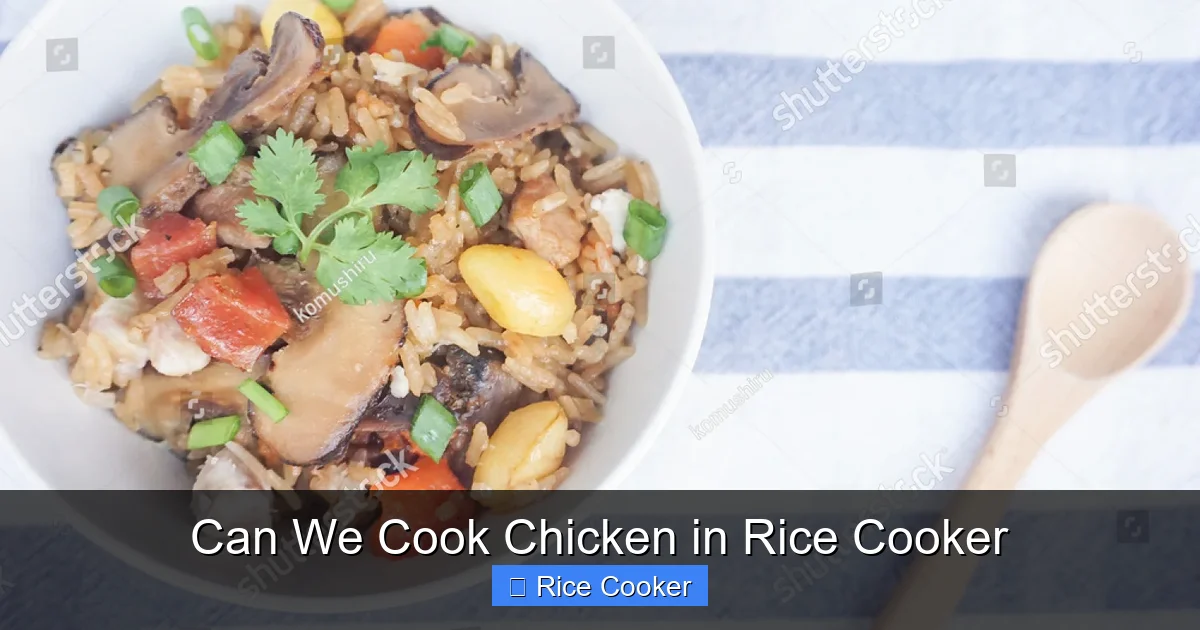
Can you cook chicken in a rice cooker? The answer is yes—and it’s one of the easiest ways to prepare juicy, evenly cooked chicken with little cleanup. You don’t need special equipment or complicated steps; just add your ingredients, press a button, and let the rice cooker do the work. From one-pot meals like chicken and rice to flavor-packed stews, this kitchen hack opens up a world of simple, delicious dinners.
Key Takeaways
- Yes, you can safely cook chicken in a rice cooker. Modern rice cookers reach temperatures high enough to cook poultry thoroughly, as long as internal temperature reaches 165°F (74°C).
- It’s perfect for one-pot meals. Combine chicken, rice, broth, and seasonings for hands-off cooking that frees up stove space.
- You can marinate or season chicken directly in the cooker. No need for pre-cooking or extra pans—just layer flavors from the start.
- Different cuts require different timing. Bone-in pieces need longer cooking than boneless breasts or thighs to stay moist and safe.
- Cleansup is a breeze. Use the inner pot for cooking and skip multiple dirty dishes.
- Experiment with recipes beyond plain rice and chicken. Try soups, curries, casseroles, and even desserts using your rice cooker.
📑 Table of Contents
- Can We Cook Chicken in Rice Cooker? Absolutely—And It’s Genius!
- Is It Safe to Cook Chicken in a Rice Cooker?
- What Cuts of Chicken Work Best?
- How Long Does It Take to Cook Chicken in a Rice Cooker?
- Best Recipes to Try First
- Tips for Perfectly Juicy Chicken
- Beyond Chicken and Rice: Expand Your Horizons
- Common Mistakes to Avoid
- Final Thoughts: Why Every Kitchen Needs This Hack
Can We Cook Chicken in Rice Cooker? Absolutely—And It’s Genius!
Have you ever stared at your stove, overwhelmed by the number of pots and pans needed for dinner? Or maybe you’re short on time but still want something hearty and satisfying? If so, you’re not alone. That’s where the humble rice cooker comes in—not just for fluffy white rice, but as a surprisingly versatile kitchen tool for cooking chicken too. Yes, you read that right: you can cook chicken in a rice cooker, and it might just become your new favorite cooking hack.
The idea may sound unconventional at first, but rice cookers are designed to maintain consistent heat and moisture—perfect conditions for tenderizing meat without drying it out. Whether you’re preparing a simple chicken and rice dish or experimenting with global flavors like Thai curry or Mexican chili, your rice cooker can handle it all. Plus, because everything cooks together in one pot, cleanup is minimal and flavor blending is automatic.
In this article, we’ll walk through everything you need to know about cooking chicken in a rice cooker—from safety tips to recipe ideas, timing, and pro techniques. By the end, you’ll be confident turning your rice cooker into a full-fledged multitasking appliance that simplifies dinner.
Is It Safe to Cook Chicken in a Rice Cooker?
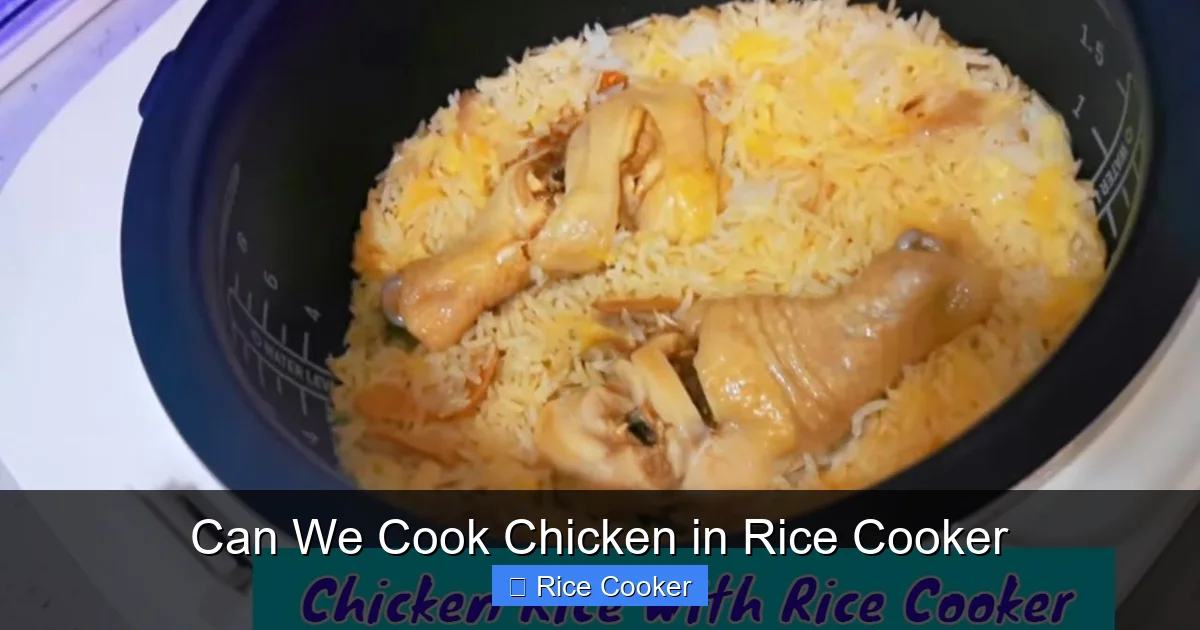
Visual guide about Can We Cook Chicken in Rice Cooker
Image source: i.ytimg.com
Before we dive into recipes, let’s address the most important question: Is it safe to cook chicken in a rice cooker? The short answer is yes—but only if done correctly.
Rice cookers typically reach temperatures between 180°F and 212°F (82°C to 100°C), depending on the model and settings. While some older models may not get hot enough to fully cook raw chicken, modern electric rice cookers—especially those with advanced heating elements—are capable of reaching the minimum safe internal temperature for poultry: 165°F (74°C). This ensures harmful bacteria like Salmonella are destroyed.
However, safety depends on more than just temperature. You must ensure the chicken reaches that critical 165°F throughout, especially in thicker cuts or bone-in pieces. To verify, use a food thermometer inserted into the thickest part of the meat. Never rely solely on visual cues like color or firmness.
Another key tip: avoid overcrowding the pot. Overfilling can prevent proper heat circulation and lead to uneven cooking. Stick to filling no more than two-thirds of the inner pot for best results.
Finally, always rinse raw chicken before placing it in the rice cooker to reduce the risk of cross-contamination. Even though the cooker will sanitize during cooking, it’s better to start clean.
With these precautions in mind, cooking chicken in your rice cooker becomes not only safe but also incredibly convenient.
What Cuts of Chicken Work Best?
Visual guide about Can We Cook Chicken in Rice Cooker
Image source: shutterstock.com
Not all chicken cuts are created equal when it comes to rice cooker cooking. Choosing the right cut makes a big difference in texture, flavor, and cooking time.
Boneless Skinless Breasts
These are lean and quick-cooking, making them ideal for lighter meals. However, they can dry out easily if overcooked. To prevent this, cut them into small, uniform pieces or pound them slightly thin. Cooking with liquid (like broth or sauce) helps keep them moist.
Bone-In Thighs or Drumsticks
Thighs are forgiving and stay juicy even after longer cook times. The bone adds flavor and acts as an insulator, protecting the meat from drying out. These are excellent for one-pot dishes like chicken and rice or creamy parmesan chicken.
Whole Chicken Pieces (Breasts, Wings, Legs)
Using whole pieces works well if you’re making a large batch or feeding multiple people. Just remember that darker meat (thighs, legs) takes longer to cook than breast meat. You can remove breasts earlier if needed—just cover them loosely with foil to retain moisture.
Chicken Tenders or Nuggets
Perfect for kids or quick snacks! These cook quickly and absorb flavors easily. Try adding them to a stir-fry-style rice cooker meal with soy sauce, garlic, and veggies.
Avoid using very fatty cuts unless you’re okay with rendering fat—most rice cookers aren’t designed for pan-frying. Instead, opt for trimmed pieces and cook with a splash of oil or broth for moisture.
How Long Does It Take to Cook Chicken in a Rice Cooker?
Timing varies based on the cut, quantity, and whether you’re cooking with rice or another grain. Here’s a general guide:
– **Boneless chicken breasts (cubed):** 15–20 minutes on “Cook” setting
– **Bone-in chicken thighs:** 25–30 minutes
– **Whole drumsticks or wings:** 30–35 minutes
– **Chicken and rice combo (1:1 ratio):** 20–25 minutes
Most rice cookers have a standard “Cook” cycle that heats the contents to boiling, then automatically switches to “Keep Warm.” Once the switch happens, the chicken is usually done—but always check with a thermometer to confirm.
If your chicken isn’t tender after the cycle ends, let it sit for 5–10 minutes off-heat. Residual heat continues cooking gently, which can finish the job without over-drying.
For added convenience, many newer models offer preset programs like “Soup,” “Slow Cook,” or “Steam.” While these aren’t always necessary for chicken, they can help if you’re simmering sauces or reducing liquids.
Best Recipes to Try First
Ready to give it a go? Start with these foolproof, crowd-pleasing recipes that showcase what your rice cooker can do.
Classic Chicken and White Rice
This timeless combo couldn’t be easier. In a rice cooker, layer chicken (cut into bite-sized pieces), rinsed jasmine or basmati rice, and water or chicken broth. Season with salt, pepper, garlic powder, and onion powder. Press “Cook.” When done, fluff with a fork and serve with lemon wedges or herbs.
Pro tip: Add a slice of lemon or a bay leaf during cooking for extra aroma.
Honey Garlic Chicken with Rice
Combine chicken thighs, cooked rice, soy sauce, honey, minced garlic, and a pinch of ginger. Cook until tender and glazed. Top with sesame seeds and green onions for restaurant-quality flavor.
Thai Basil Chicken (Pad Krapow Gai)
Simmer ground chicken with rice noodles, fish sauce, oyster sauce, chili flakes, and fresh basil leaves. Finish with a fried egg on top for authenticity. Note: This works best with flat-bottomed pots or rice cookers that accommodate noodles.
Mexican Chicken and Beans
Brown chicken pieces in a drop of oil, then add black beans, diced tomatoes, corn, cumin, chili powder, and cooked rice. Simmer until flavors meld. Serve with avocado and sour cream.
One-Pot Creamy Parmesan Chicken
Sear chicken quickly in oil, then add chicken broth, uncooked rice, heavy cream, and grated Parmesan. Cover and cook until rice absorbs the liquid. Stir in spinach during the last minute for a green boost.
Each recipe uses minimal prep and maximizes flavor through steam and slow cooking. And since all ingredients go in one pot, you save time and dishes.
Tips for Perfectly Juicy Chicken
Even the simplest method can fall flat if you skip a few key steps. Here’s how to guarantee perfectly tender, juicy chicken every time.
Cut Uniform Pieces
Irregular shapes cook unevenly. Aim for cubes or strips about 1 inch across. Smaller pieces cook faster and stay moist; larger ones risk drying out.
Don’t Skip the Liquid
Whether it’s broth, wine, tomato sauce, or plain water, liquid prevents sticking and keeps chicken succulent. At least ½ cup per serving is recommended.
Season Generously
Marinate chicken for 30 minutes to overnight (in a sealed container outside the rice cooker) for deeper flavor. If marinating isn’t possible, mix spices directly into the rice cooker—just make sure they’re evenly distributed.
Use the Right Ratio
Too much liquid = mushy rice. Too little = dry chicken. A good rule: for every cup of rice, use 1¼ cups liquid plus whatever moisture the chicken releases.
Let It Rest After Cooking
Just like steak, chicken benefits from resting. Turn off the cooker, leave the lid closed for 5–10 minutes, then uncover and fluff gently.
Clean Immediately
Rice cooker pots are non-stick and easy to wash—but let them cool first. Rinse while warm to prevent starch buildup. Avoid abrasive scrubbers that damage the coating.
By following these tips, you’ll transform your rice cooker into a gourmet kitchen powerhouse.
Beyond Chicken and Rice: Expand Your Horizons
Once you master chicken in the rice cooker, you’ll realize its true potential goes far beyond basics. Think of it as a programmable slow cooker with precise temperature control.
Try making chicken curry with coconut milk and basmati rice—the steam softens the spices beautifully. Or whip up a Vietnamese lemongrass chicken bowl with jasmine rice, red bell peppers, and cilantro.
You can even cook chicken soup or stew by adding carrots, celery, onions, and herbs. The rice cooker maintains a gentle simmer without scorching, creating rich, layered flavors.
For adventurous cooks, experiment with chicken tikka masala, chicken biryani, or Mediterranean chicken pilaf. The key is balancing liquid levels and cooking times so both protein and grains turn out perfectly.
And hey—why stop at savory? Some rice cookers can handle light baking too. Imagine a chocolate chip banana bread made entirely in the rice cooker… but that’s a story for another day!
The beauty of the rice cooker lies in its simplicity and reliability. With a little creativity, it becomes a centerpiece for stress-free, delicious meals.
Common Mistakes to Avoid
Even experienced home cooks stumble sometimes. Here are the most frequent errors when cooking chicken in a rice cooker—and how to fix them.
Mistake #1: Not Preheating the Pot
Some believe preheating helps sear chicken, but most rice cookers don’t get hot enough for browning. Instead, quickly sauté chicken in a skillet before transferring it to the rice cooker if you want a golden crust.
Mistake #2: Overfilling the Inner Pot
Filling past the max line disrupts heat flow and increases risk of spills. Keep it under two-thirds full.
Mistake #3: Ignoring the Keep-Warm Setting
After cooking, don’t leave chicken sitting in the keep-warm mode for hours. Bacteria grow rapidly above 40°F (4°C). Cooked chicken should be eaten within 2 hours or refrigerated promptly.
Mistake #4: Using Cold Ingredients
Always start with room-temperature chicken and liquid. Sudden temperature shifts can affect cooking consistency.
Mistake #5: Skipping the Thermometer Check
Visual cues are helpful, but only a food thermometer tells you for sure if chicken is safe to eat. Make it a habit!
Avoiding these pitfalls ensures consistently great results—every single time.
Final Thoughts: Why Every Kitchen Needs This Hack
Cooking chicken in a rice cooker isn’t just a clever trick—it’s a game-changer for busy households, college students, and anyone who wants fewer dishes and more flavor. It reduces kitchen clutter, saves energy compared to using multiple appliances, and delivers restaurant-quality meals with zero guesswork.
Whether you’re whipping up a family dinner, meal-prepping lunches, or impressing guests with minimal effort, your rice cooker has your back. And once you try it, you’ll wonder why you ever cooked chicken any other way.
So go ahead—grab your inner pot, toss in some chicken and rice, and press “Cook.” Your taste buds (and your schedule) will thank you.
Frequently Asked Questions
Can I cook frozen chicken in a rice cooker?
Yes, but it requires longer cooking time and careful monitoring. Add 10–15 extra minutes and ensure the internal temperature reaches 165°F. For safety, thaw partially if possible to speed up the process.
Do I need to rinse the chicken before cooking?
Yes, always rinse raw chicken under cold water to reduce bacteria. Pat dry afterward before seasoning or adding to the rice cooker.
Can I cook chicken with brown rice instead of white?
Absolutely! Brown rice takes longer to cook, so increase liquid slightly and extend cooking time by 5–10 minutes. Soak brown rice beforehand for even better texture.
What if my rice cooker doesn’t have a “Keep Warm” function?
That’s okay! Just turn off the cooker immediately after the cycle ends and serve within 30 minutes. The residual heat will hold the food at a safe temperature briefly.
Can I cook vegetables along with chicken?
Yes! Add hardy veggies like carrots, potatoes, or broccoli during the last 10–15 minutes of cooking so they don’t turn to mush. Leafy greens go in during the final minute.
How do I prevent the rice from getting soggy?
Use the correct water-to-rice ratio and avoid opening the lid during cooking. Also, let the rice rest covered for 5 minutes after the cycle ends before fluffing.