

Yes, you can take an electric kettle in flight—but only in your checked luggage, not carry-on. Most airlines and security agencies like the TSA allow electric kettles as checked items, but they’re typically prohibited in cabin baggage due to power and safety concerns. Always check your airline’s specific rules before packing.
Key Takeaways
- Electric kettles are allowed in checked baggage: You can pack your electric kettle in your suitcase, but it must be clean, dry, and securely wrapped to avoid damage.
- Carry-on restrictions apply: Due to electrical components and potential fire risks, electric kettles are generally not permitted in hand luggage on commercial flights.
- Check airline-specific policies: While TSA and ICAO provide general guidelines, individual airlines may have additional rules—always verify before flying.
- Consider travel-friendly alternatives: Compact, battery-powered or portable kettles designed for travel may offer a safer, more convenient option for in-flight or hotel use.
- Clean and dry before packing: Residual water or mineral buildup can raise red flags during security checks or damage your luggage.
- Label and protect your kettle: Use a sturdy case or wrap it in clothing to prevent breakage and clearly label it to avoid confusion at baggage claim.
- Know international regulations: Some countries have stricter import rules on electrical appliances—research destination laws if traveling abroad.
📑 Table of Contents
- Can We Take Electric Kettle in Flight? The Complete Guide
- Understanding TSA and Aviation Security Rules
- Airline Policies: What You Need to Know
- Packing Your Electric Kettle Safely
- Travel-Friendly Alternatives to Electric Kettles
- Real-Life Scenarios and Tips from Travelers
- Conclusion: Smart Travel with Your Electric Kettle
Can We Take Electric Kettle in Flight? The Complete Guide
Traveling with comfort in mind often means bringing along a few home essentials—like your favorite electric kettle. Whether you’re a tea lover, need hot water for instant meals, or simply prefer your morning coffee brewed just right, the electric kettle has become a staple in many households. But when it comes to flying, the question arises: Can we take an electric kettle in flight? The short answer is yes—but with important caveats.
Unlike liquids or sharp objects, electric kettles aren’t outright banned by aviation authorities. However, their classification as electrical appliances with heating elements places them under special scrutiny. Most airlines and security agencies, including the U.S. Transportation Security Administration (TSA), allow electric kettles—but only in checked luggage. Carrying one in your carry-on bag is typically not permitted due to safety concerns related to lithium batteries (if present), electrical wiring, and the risk of overheating.
This guide will walk you through everything you need to know about traveling with an electric kettle, from TSA rules and airline policies to practical packing tips and smart alternatives. Whether you’re flying domestically or internationally, understanding these guidelines will help you avoid surprises at the airport and ensure a smoother journey.
Understanding TSA and Aviation Security Rules
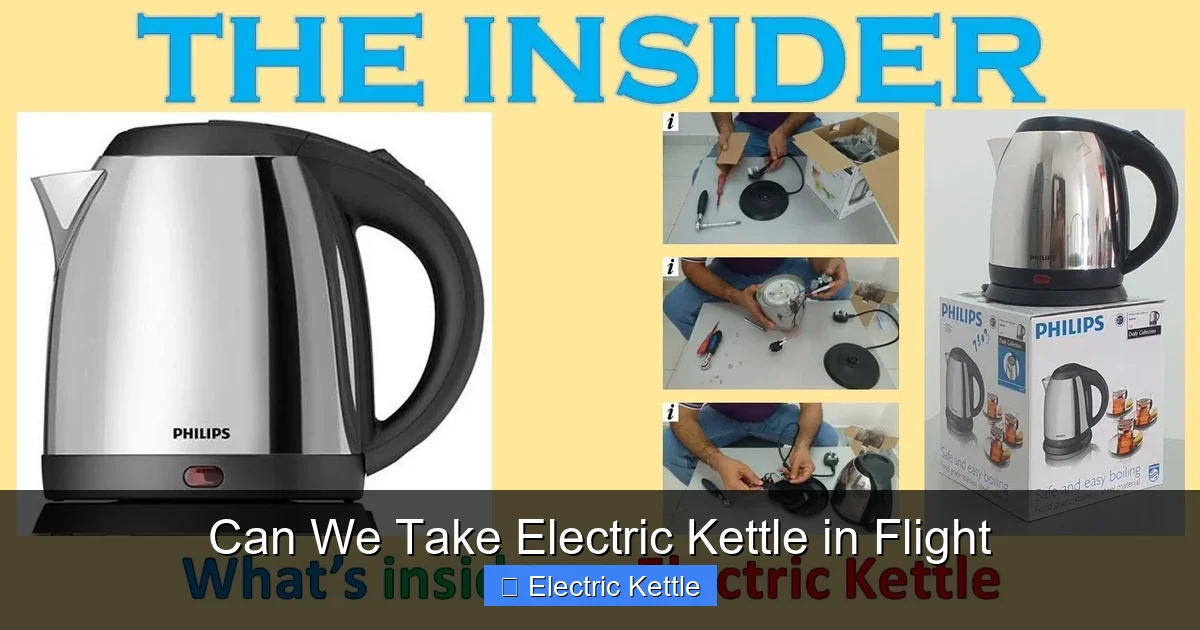
Visual guide about Can We Take Electric Kettle in Flight
Image source: i.ytimg.com
When it comes to air travel, the TSA sets the baseline for what passengers can and cannot bring on flights in the United States. Their primary concern is passenger safety, especially when it comes to items that could pose fire, electrical, or mechanical hazards. Electric kettles fall into a gray area—they’re not weapons or explosives, but they do contain electrical components that can be risky if mishandled.
According to TSA guidelines, electric kettles are allowed in checked baggage but are not permitted in carry-on luggage. This is because carry-on items are subject to stricter screening, and any device with a heating element or internal wiring could be flagged as a potential threat. Even if your kettle doesn’t have a battery, the heating coil and electrical cord can trigger alarms during X-ray screening.
The reasoning is simple: in the confined space of an aircraft cabin, any malfunctioning electrical device could pose a fire risk. While modern kettles are designed with safety features like automatic shut-off, the TSA errs on the side of caution. This policy aligns with international standards set by the International Civil Aviation Organization (ICAO), which recommends restricting personal electrical appliances in the cabin unless explicitly approved.
It’s also worth noting that if your electric kettle has a built-in lithium battery (some newer models do for portability), it may be subject to additional restrictions. Lithium batteries are tightly regulated due to their flammability, and many airlines limit the number you can carry—even in checked bags. Always check the manufacturer’s specifications to see if your kettle contains such components.
Why Carry-On Bags Are Off-Limits
The main reason electric kettles are banned from carry-on luggage is safety. During flight, cabin pressure and temperature can fluctuate, and electrical devices with heating elements may behave unpredictably. Even if the kettle is turned off, residual heat or a short circuit could theoretically ignite nearby materials.
Additionally, carry-on bags are scanned using advanced imaging technology that detects anomalies in electronic devices. An electric kettle’s internal wiring and heating coil can resemble prohibited items, leading to time-consuming inspections or even confiscation. Security officers may not be able to quickly determine whether the device is safe, so they often err on the side of caution.
Another factor is space. Carry-on luggage is limited in size and weight, and bulky items like electric kettles take up valuable room. Most travelers prefer to pack lightweight, essential items in their cabin bags, leaving larger appliances for checked luggage.
What the TSA Says About Similar Appliances
To better understand the rules, it helps to look at how the TSA treats similar devices. For example, hair dryers, straighteners, and coffee makers are generally allowed in checked bags but restricted in carry-ons. The same logic applies to electric kettles—they’re seen as non-essential appliances with potential risks.
However, there are exceptions. Some travel-sized electric kettles are designed specifically for air travel and may be permitted in carry-on if they meet certain criteria (more on that later). These models often lack heating elements or use alternative heating methods, making them safer for cabin use.
Always check the TSA’s official website or use their “Can I Bring?” tool before your trip. Rules can change, and it’s better to be safe than sorry.
Airline Policies: What You Need to Know
While TSA guidelines provide a general framework, individual airlines may have their own rules regarding electric kettles. Most major carriers—including Delta, United, American Airlines, and Southwest—follow TSA recommendations and allow electric kettles in checked luggage. However, some international airlines or budget carriers may impose stricter policies.
For example, airlines flying to or from countries with heightened security measures (such as Israel or the UAE) may prohibit all personal electrical appliances in both carry-on and checked bags. Others may require you to declare the item at check-in or provide documentation proving it’s safe for transport.
It’s also common for airlines to restrict the wattage of electrical devices. Most household electric kettles operate between 1,500 and 3,000 watts, which exceeds the typical limit for in-flight use. Even if you could bring it on board, you wouldn’t be able to plug it in—airplane outlets are limited and reserved for essential devices like laptops or medical equipment.
How to Check Your Airline’s Policy
Before packing your electric kettle, visit your airline’s official website and search for “baggage restrictions” or “prohibited items.” Look for sections on electrical appliances, heating devices, or personal electronics. If you can’t find clear information, contact customer service directly.
When calling, ask specific questions like:
– “Are electric kettles allowed in checked luggage?”
– “Is there a wattage limit for personal appliances?”
– “Do I need to declare the item at check-in?”
Keep a record of the response, including the agent’s name and reference number, in case there’s a dispute at the airport.
International Travel Considerations
If you’re flying internationally, research the regulations of your destination country. Some nations have strict import laws on electrical appliances, especially those not certified for local voltage (e.g., 110V vs. 220V). Bringing a U.S.-made kettle to Europe could result in it being confiscated or damaged due to incompatible power standards.
Additionally, customs officials may view personal appliances as commercial goods, potentially requiring you to pay duties or taxes. While this is rare for a single kettle, it’s something to consider if you’re moving abroad or traveling with multiple devices.
Packing Your Electric Kettle Safely
Once you’ve confirmed that your airline allows electric kettles in checked luggage, the next step is packing it properly. A poorly packed kettle can break, leak, or damage other items in your suitcase—leading to frustration and potential fees.
Step-by-Step Packing Guide
1. **Clean and Dry Thoroughly**: Residual water or mineral deposits can cause mold, corrosion, or false alarms during security screening. Wash the kettle with vinegar and water to remove limescale, then rinse and dry completely.
2. **Unplug and Coil the Cord**: Detach the power cord if possible, or neatly coil it around the base. Use a Velcro strap or twist tie to secure it and prevent tangling.
3. **Wrap in Protective Material**: Use bubble wrap, foam, or soft clothing (like socks or a sweater) to cushion the kettle. Focus on the handle, lid, and heating element, which are most vulnerable to damage.
4. **Place in a Sturdy Container**: If your kettle came with a box, reuse it. Otherwise, place it in a hard-shell toiletry bag or a small plastic container with a lid. This adds an extra layer of protection.
5. **Position in the Center of Your Luggage**: Place the wrapped kettle in the middle of your suitcase, surrounded by soft items like clothes or towels. Avoid placing heavy items on top.
6. **Label Clearly**: Attach a luggage tag or write “Fragile – Electric Kettle” on the container. This helps baggage handlers identify it and reduces the risk of rough handling.
What to Avoid
– Don’t pack a wet or damp kettle—even a small amount of moisture can cause rust or electrical issues.
– Avoid placing sharp objects (like scissors or knives) near the kettle, as they could puncture the wrapping.
– Don’t overload your suitcase—excess weight can cause zippers to burst and increase the risk of damage.
Insurance and Liability
Most airlines offer limited liability for checked baggage, typically covering up to $3,800 per passenger (in the U.S.). However, high-value items like electronics may require additional insurance. Consider purchasing travel insurance that covers baggage damage or loss, especially if your kettle is expensive or sentimental.
Travel-Friendly Alternatives to Electric Kettles
If packing your electric kettle feels like too much hassle, or if you’re concerned about damage, consider these practical alternatives designed for travel.
Portable Electric Kettles
Some manufacturers now offer compact, battery-powered kettles that are approved for carry-on use. These models use USB or rechargeable batteries to heat water and often lack traditional heating coils, making them safer for air travel. Examples include the Travel Kettle by Goat Story or the Nomad Kettle, which heat water in under 5 minutes and fit in a backpack.
While these kettles are convenient, they have limitations: smaller capacity (usually 200–300ml), longer heating times, and reliance on battery life. They’re ideal for short trips or solo travelers but may not suit families or long stays.
Collapsible Silicone Kettles
Made from food-grade silicone, these kettles fold down to a fraction of their size when not in use. They’re lightweight, leak-proof, and often come with built-in filters. While they don’t heat water themselves, they’re perfect for use with hotel kettles, microwaves, or portable stoves.
Brands like Sea to Summit and Klean Kanteen offer durable, BPA-free options that are easy to clean and pack.
Instant Hot Water Dispensers
For frequent travelers, a portable hot water dispenser can be a worthwhile investment. These devices heat water on demand and are often small enough to fit in a carry-on. Some models even connect to smartphone apps for temperature control.
However, like electric kettles, they may be subject to airline restrictions if they contain heating elements. Always check the specifications and airline policies before purchasing.
Hotel and Airport Amenities
Many hotels now provide in-room kettles or coffee makers, especially in business or luxury accommodations. Airports also offer hot water stations in lounges or near food courts. While not as convenient as having your own kettle, these options can save you the trouble of packing one.
Real-Life Scenarios and Tips from Travelers
To bring this information to life, let’s look at a few real-world examples of travelers who’ve navigated the electric kettle dilemma.
Case Study: Business Traveler in Europe
Sarah, a consultant from Chicago, travels to Germany every month for work. She relies on her electric kettle for herbal tea and instant oatmeal. After being denied carry-on access at O’Hare, she switched to packing her kettle in checked luggage. She wraps it in a towel, places it in a hard case, and always arrives with it intact. “It’s a small inconvenience,” she says, “but worth it for my morning routine.”
Case Study: Backpacker in Southeast Asia
Jake, a digital nomad, avoids electric kettles altogether. Instead, he uses a collapsible silicone kettle and boils water on a portable gas stove. “It’s slower, but I don’t have to worry about airline rules or voltage differences,” he explains. “Plus, it saves space in my backpack.”
Pro Tips from Frequent Flyers
– **Call ahead**: Always confirm with your airline before packing.
– **Pack smart**: Use soft items as padding and avoid overstuffing.
– **Consider voltage**: If traveling abroad, bring a voltage converter or buy a local kettle.
– **Label everything**: Clear labeling reduces the risk of loss or damage.
– **Have a backup plan**: Know where to find hot water at your destination.
Conclusion: Smart Travel with Your Electric Kettle
So, can we take an electric kettle in flight? The answer is a cautious yes—but only in checked luggage. While it’s technically allowed by most airlines and security agencies, strict rules apply to ensure safety and compliance. Carry-on bags are off-limits due to the risks associated with electrical heating elements, and international travel adds another layer of complexity.
The key to a stress-free journey is preparation. Clean and dry your kettle, pack it securely, and verify your airline’s policies in advance. If the hassle outweighs the benefit, consider travel-friendly alternatives like portable or collapsible kettles that offer convenience without the restrictions.
Ultimately, traveling with an electric kettle is possible—but it requires planning, awareness, and a willingness to adapt. Whether you’re sipping tea at 30,000 feet or brewing coffee in a hotel room, a little foresight goes a long way. So pack smart, fly safe, and enjoy your hot beverage wherever your journey takes you.
Frequently Asked Questions
Can I bring an electric kettle in my carry-on bag?
No, electric kettles are generally not allowed in carry-on luggage due to safety concerns related to heating elements and electrical components. They must be packed in checked baggage.
Will TSA confiscate my electric kettle?
The TSA will not confiscate your electric kettle if it’s in checked luggage and properly packed. However, if found in carry-on, it may be removed during screening.
Are there any electric kettles approved for carry-on?
Some battery-powered or portable kettles without heating coils may be allowed in carry-on, but you must check with your airline first. Most traditional kettles are still prohibited.
Can I use my electric kettle on the plane?
No, you cannot use personal electrical appliances like kettles during flight. Airplane outlets are limited and reserved for essential devices.
What if my kettle has a lithium battery?
Kettles with lithium batteries are subject to stricter regulations. Check airline rules and TSA guidelines, as these batteries may require special handling or be prohibited altogether.
Do I need to declare my electric kettle at check-in?
Most airlines do not require declaration, but it’s wise to mention it if asked. Some international carriers may have specific reporting requirements—always verify beforehand.