
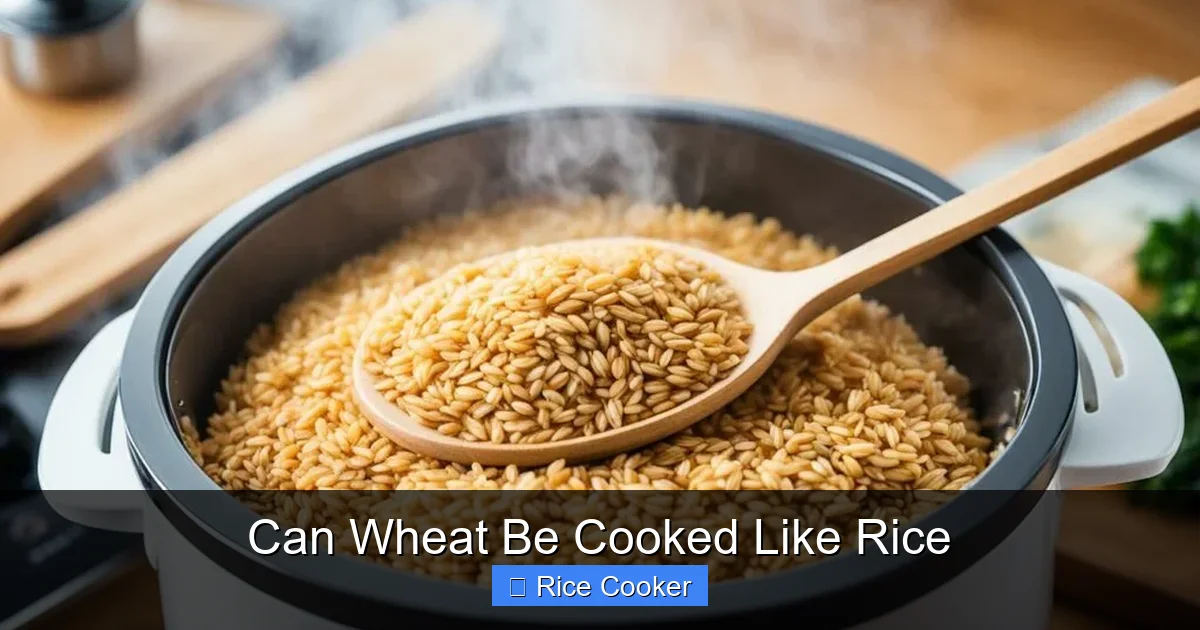
Can wheat be cooked like rice? Absolutely! While they’re different grains, wheat can be prepared using similar techniques, especially in a rice cooker. Both are versatile, nutritious staples that transform with the right method.
Wheat (like bulgur or cracked wheat) shares cooking principles with rice—equal water ratios, soaking, and gentle heat. With a rice cooker, you get consistent results without constant monitoring. Whether you’re making pilafs, side dishes, or even breakfast porridge, wheat adapts beautifully to rice-cooker cooking.
This article explores how to cook wheat like rice, compares their textures and nutrients, and gives you practical tips for everyday meals. You’ll also learn why many people prefer wheat over rice for its fiber and protein content. Ready to upgrade your grain game? Let’s dive in.
[FEATURED_IMAGE_PLACEHOLDER]
Key Takeaways
- Yes, wheat can be cooked like rice: Using a rice cooker, you can prepare wheat grains such as bulgur, cracked wheat, or emmer just like rice—with similar timing and water ratios.
- Texture comparison: Wheat becomes tender but retains more bite than rice, offering a chewier, heartier mouthfeel ideal for pilafs, salads, and stuffed vegetables.
- Nutritional edge: Wheat is higher in protein and fiber than white rice, making it a healthier long-term choice for sustained energy and digestion.
- Cooking time varies: Bulgur cooks faster (10–15 minutes), while whole wheat berries may take 45–60 minutes—adjust based on grain type and rice cooker settings.
- Soaking improves results: Soaking wheat before cooking reduces cook time and enhances digestibility, especially for older grains or harder varieties.
- Rice cooker versatility: Most rice cookers have a “brown rice” or “multigrain” setting perfect for wheat, ensuring even cooking and preventing sticking.
- Flavor and pairing potential: Wheat absorbs flavors well—use it in Mediterranean dishes, grain bowls, or as a base for savory sauces.
Introduction: The Grain Showdown – Rice vs. Wheat
Imagine standing in your kitchen, staring at two pantry staples: a bag of rice and a box of wheat berries. You’ve got a rice cooker humming on the counter, and you’re wondering—can wheat be cooked like rice? The short answer? Yes, absolutely. But not all wheat is created equal, and not every rice cooker treats them the same way.
Rice has long held the crown as the go-to grain for simplicity, quick prep, and universal appeal. But wheat—especially whole grain varieties—is quietly stealing the spotlight. It’s denser, richer in nutrients, and surprisingly easy to prepare using tools already in your kitchen. And yes, your trusty rice cooker? It’s more than just for white rice. With a few tweaks, you can turn wheat into fluffy, tender grains that hold up beautifully in salads, soups, and side dishes.
In this deep dive, we’ll explore everything from the science behind cooking wheat to step-by-step instructions, recipe ideas, and even troubleshooting common mistakes. By the end, you’ll feel confident cooking wheat like rice—no chef degree required.
Understanding Wheat: Types and Cooking Behavior
What Is Wheat, and Why Should You Care?
Wheat isn’t just one grain—it’s a family. From ancient emmer to modern durum, each variety behaves differently when cooked. Unlike rice, which is mostly starch-based and softens quickly, wheat contains more protein and fiber, giving it structure and chew.
Common types of wheat used in home cooking include:
- Bulgur: Parboiled, cracked wheat that’s pre-cooked and dried. Cooks in just 10–15 minutes.
- Cracked Wheat (Farro): Often labeled as pearled farro, it’s been polished to speed up cooking. Still chewier than rice.
- Whole Wheat Berries: The entire kernel—bran, germ, and endosperm. Takes longest to cook (up to an hour).
- Dinkel or Spelt: Ancient grains with nutty flavors. Softer than hard wheat but still firmer than rice.
These differences matter because they affect how much water you need, how long to cook, and how the final texture turns out. For example, bulgur is perfect for tabbouleh—light and fluffy—while whole wheat berries shine in hearty stews.
How Wheat Differs from Rice
While both are cereal grains, wheat and rice have distinct cooking profiles:
- Starch vs. Protein: Rice relies heavily on gelatinization of starch for softness. Wheat needs more time to soften due to its bran layer and higher protein content.
- Water Absorption: Wheat typically uses a 2:1 ratio (wheat to water), similar to rice, but sometimes slightly more depending on the variety.
- Texture: Rice tends to fluff up and separate. Wheat grains stay more intact, offering a satisfying chew.
This means that while you can use the same basic process—add water, bring to boil, simmer, rest—you’ll need patience and attention to detail to avoid mushy or undercooked results.
Cooking Wheat Like Rice: Step-by-Step Guide
Choosing the Right Rice Cooker
Not all rice cookers are created equal when it comes to handling wheat. Look for models with:
- Adjustable timers: To prevent overcooking.
- Multiple settings: A “brown rice” or “multigrain” mode works wonders for wheat.
- Non-stick inner pot: Makes cleanup easier, especially with sticky wheat varieties.
Top brands like Zojirushi, Panasonic, and Instant Pot have excellent multigrain programs. If your cooker only has a “white rice” setting, don’t panic—just monitor closely and adjust water levels.
Preparing Wheat Before Cooking
Skipping this step is a common mistake. Rinsing removes dust and debris. Draining ensures even water absorption.
Here’s how:
- Pour wheat into a fine-mesh strainer.
- Run under cold water for 30 seconds.
- Let it drain completely—this prevents clumping.
For best results, especially with whole wheat berries, soak overnight or for at least 4 hours. This softens the outer bran layer and cuts cooking time by half.
Water Ratios and Cooking Times
The golden rule: start with a 2:1 water-to-wheat ratio. That means 2 cups water per 1 cup dry wheat. Adjust slightly based on your cooker and desired texture.
| Grain Type | Water Ratio | Cook Time (Rice Cooker) | Texture After Cooking |
|---|---|---|---|
| Bulgur | 2:1 | 10–15 minutes | Soft, slightly chewy |
| Cracked Wheat (Farro) | 2.5:1 | 20–30 minutes | Firm, al dente |
| Whole Wheat Berries | 3:1 | 45–60 minutes | Chewy, nutty |
| Spelt | 2.5:1 | 30–40 minutes | Rich, tender |
Note: These times assume a standard rice cooker. High-altitude cooking may require more water and longer times.
Step-by-Step Cooking Process
- Add wheat and water: Place rinsed wheat and measured water in the rice cooker pot.
- Optional seasoning: Add a pinch of salt, a bay leaf, or a splash of olive oil for flavor.
- Cook: Close lid and select “Brown Rice” or “Multigrain” setting. If unavailable, use “White Rice” and set timer manually.
- Rest: Once done, let it sit covered for 5–10 minutes. This allows residual steam to finish cooking evenly.
- Fluff gently: Use a fork to separate grains. Don’t mash—wheat should remain intact.
Pro tip: Stir once halfway through cooking if you notice uneven absorption. This helps prevent scorching.
Nutritional Comparison: Wheat vs. Rice
Macronutrient Breakdown
When it comes to nutrition, wheat generally outperforms rice—especially refined rice:
- Protein: Wheat has ~2–3 grams more protein per cooked cup than white rice.
- Fiber: Whole wheat provides 3–4 times more fiber than white rice.
- Carbs: Both are carb-rich, but wheat offers complex carbs with lower glycemic impact.
For example, a 1-cup serving of cooked brown rice has about 216 calories, 5g protein, and 3.5g fiber. In contrast, the same amount of cooked whole wheat berries delivers 247 calories, 8g protein, and 12g fiber.
Micronutrients That Matter
Wheat is rich in B vitamins, magnesium, iron, and selenium—nutrients often stripped during rice polishing. Even bulgur, being parboiled, retains more minerals than instant white rice.
This makes wheat a smarter choice for:
- Heart health (thanks to fiber and magnesium)
- Blood sugar control (lower glycemic load)
- Digestive wellness (soluble and insoluble fiber)
Gluten Considerations
Standard wheat contains gluten, so those with celiac disease or gluten sensitivity should avoid it. However, ancient varieties like spelt or einkorn contain less gluten and may be tolerated by some—though not recommended for celiac individuals.
Alternatives include quinoa, millet, or teff for gluten-free diets.
Best Recipes: Cooking Wheat Like Rice in Delicious Ways
Mediterranean Wheat Pilaf
A crowd favorite, this dish combines cooked wheat with tomatoes, herbs, and lemon zest. Perfect as a side or vegetarian main.
Ingredients:
- 1 cup bulgur or cracked wheat
- 2 cups water or vegetable broth
- 1/2 cup cherry tomatoes, halved
- 2 tbsp olive oil
- Juice of 1 lemon
- Salt, pepper, oregano
Instructions:
- Cook wheat in rice cooker as directed.
- Once done, stir in tomatoes, olive oil, lemon juice, and spices.
- Let sit 5 minutes before serving.
Hearty Winter Wheat Stew Base
Use cooked whole wheat berries as a thickener and base for soups or stews. They add body and nutrition without gumming up.
Breakfast Wheat Porridge
Yes, you can make porridge with wheat! Swap oats for cracked wheat, add milk, cinnamon, and fruit. Cook in rice cooker on “porridge” or “slow cook” setting.
Salad Grain Bowl
Cook wheat, cool, then toss with cucumbers, feta, chickpeas, and tahini dressing. Great for meal prep.
Troubleshooting Common Issues
Mushy Wheat
Caused by too much water or overcooking. Fix: Measure carefully, drain excess liquid after cooking, and avoid opening the lid during steam release.
Undercooked Grains
Often due to low heat or insufficient water. Solution: Use a timer, ensure full submersion, and consider soaking first.
Sticking to Pot
Prevent by using a non-stick pot, adding oil, or rinsing thoroughly. Some users swear by a paper towel soaked in oil placed inside the lid to reduce steam buildup.
Unpleasant Texture
If wheat feels chalky or gritty, it might be old or improperly rinsed. Store in airtight containers, and always rinse before cooking.
Tips for Perfect Wheat Every Time
- Soak overnight: Especially helpful for hard wheat berries.
- Use broth instead of water: Boosts flavor and nutrition.
- Don’t rush the rest period: Residual heat finishes the job gently.
- Experiment with ratios: Try 1:1.5 for creamier results.
- Cool before storing: Prevents bacterial growth; use within 3 days or freeze.
Conclusion: Wheat Is Worth the Wait
So, can wheat be cooked like rice? Without a doubt. With the right technique—and a little patience—you can turn wheat into a delicious, nutritious alternative to rice. Whether you’re using a multigrain setting on your rice cooker or experimenting with ancient grains, the possibilities are endless.
Wheat brings more than just substance to your plate. It offers flavor, texture, and nutrition that white rice simply can’t match. And now, thanks to modern appliances like rice cookers, preparing it at home has never been easier.
Next time you reach for rice, consider swapping in bulgur for tabbouleh, farro for salads, or whole wheat berries for a warm, comforting side. Your taste buds—and your body—will thank you.
FAQs
Can I cook any type of wheat in a rice cooker?
Yes, but different types vary in cook time. Bulgur and cracked wheat work best due to their shorter cooking time. Whole wheat berries are possible but require longer settings or soaking.
Do I need to soak wheat before cooking?
Soaking isn’t mandatory, especially for bulgur or pearled wheat. But soaking whole wheat berries overnight reduces cook time and improves digestibility.
Can I substitute wheat for rice in recipes?
Absolutely. Use a 1:1 ratio by volume, but adjust water slightly upward (e.g., 2.5 cups water per 1 cup wheat). Be mindful that wheat holds its shape better than rice.
Is cooked wheat safe to eat cold?
Yes! Cooked wheat keeps well in the fridge for up to 5 days. It’s perfect for salads, grain bowls, or reheating with sauce.
Why does my wheat stick to the rice cooker pot?
Sticking happens when the pot isn’t non-stick, there’s not enough water, or the wheat wasn’t rinsed. Always rinse thoroughly and ensure proper water ratio.
Can I cook wheat and rice together in one batch?
It’s tricky because they cook at different speeds. If you must, add rice first, let it start cooking, then add wheat and extend time by 10–15 minutes.
This is a comprehensive guide about can wheat be cooked like rice.
Key Takeaways
- Understanding can wheat be cooked like rice: Provides essential knowledge
Frequently Asked Questions
What is can wheat be cooked like rice?
can wheat be cooked like rice is an important topic with many practical applications.