
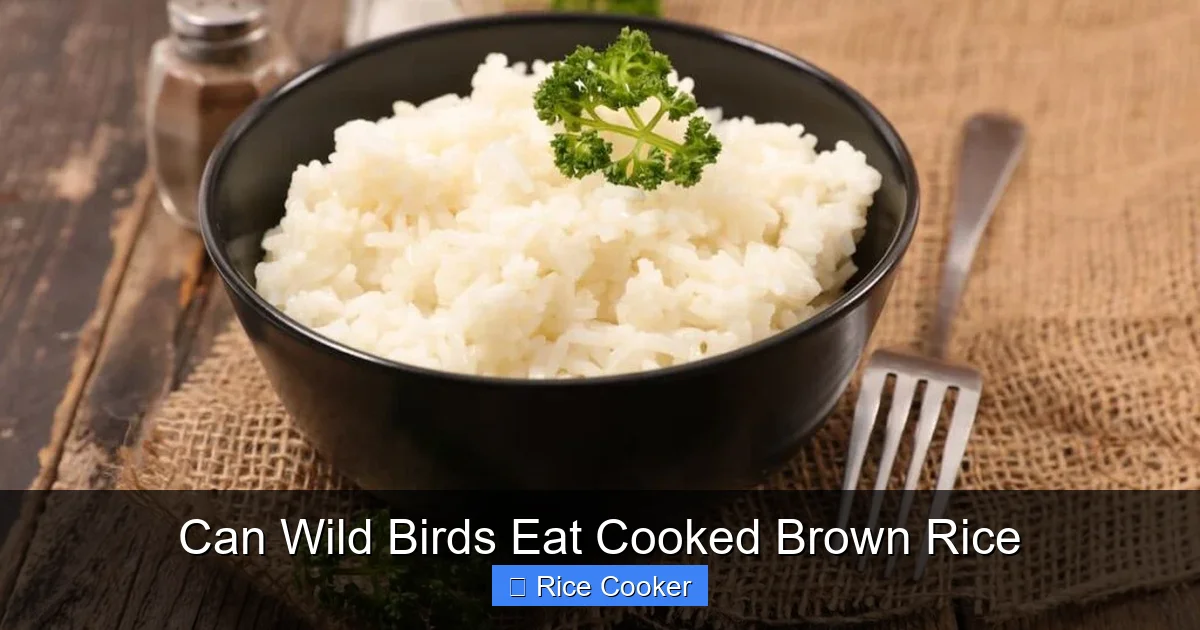
Wild birds can safely eat cooked brown rice, but only in moderation and with proper preparation. While rice offers carbohydrates and some nutrients, it lacks essential proteins and fats that birds need daily. Offering rice occasionally as part of a varied diet is fine, but never rely on it as a primary food source.
Have you ever looked out your window on a chilly morning and spotted a sparrow, finch, or robin pecking at something near your bird feeder? Maybe it was a stray piece of bread, a fallen seed, or even a tiny bit of leftover rice from breakfast. It’s a common sight — people toss scraps outside hoping to help local wildlife. But when it comes to feeding wild birds, not all human foods are created equal. One such question that often comes up is: Can wild birds eat cooked brown rice?
The short answer? Yes — but with caveats. Cooked brown rice is generally safe for birds, and in some cases, even beneficial. However, like many human foods, it’s not a complete meal on its own. Birds have unique dietary needs, and while rice can play a small role in their nutrition, it should never replace their natural food sources. In this article, we’ll dive deep into what cooked brown rice means for wild birds, how to offer it safely, and why balance is key when supporting our feathered neighbors.
Whether you’re a seasoned birdwatcher or just curious about backyard wildlife, understanding what birds can and can’t eat helps us make better choices. So grab a cup of tea, pull up a chair, and let’s explore the world of bird-friendly grains together.
Key Takeaways
- Yes, wild birds can eat cooked brown rice — it’s safe and non-toxic when prepared correctly.
- Brown rice is richer in fiber and nutrients than white rice, making it slightly more beneficial for birds.
- Cooked rice should be plain, unseasoned, and cooled — avoid salt, oil, garlic, or other additives.
- Rice is low in protein and fat, so it shouldn’t replace seeds, nuts, or insects in a bird’s diet.
- Offer rice in moderation — too much can cause digestive issues or attract pests.
- Use shallow dishes to prevent drowning — water-soaked rice can trap small birds.
- Clean feeders regularly — stale rice can mold and harm birds.
📑 Table of Contents
- The Basics: What Is Brown Rice?
- Can Wild Birds Digest Cooked Brown Rice?
- Nutritional Value of Brown Rice for Birds
- How to Safely Feed Cooked Brown Rice to Wild Birds
- Common Risks and Misconceptions
- Alternatives to Rice: Better Bird Food Options
- When to Offer Rice: Seasonal Considerations
- Bird Rescue and Rehabilitation: The Role of Rice
- Final Thoughts: Rice Is Fine — But Not Essential
The Basics: What Is Brown Rice?
Before we get into whether birds can eat it, let’s talk about what brown rice actually is. Unlike white rice, which has been stripped of its outer bran and germ layers during processing, brown rice retains those natural components. This gives it a chewier texture, nuttier flavor, and significantly higher nutritional value.
Brown rice is whole grain rice — meaning it includes the bran (rich in fiber, vitamins, and minerals), the germ (packed with healthy fats and B vitamins), and the endosperm (the starchy core). Because of this, brown rice contains more fiber, magnesium, selenium, and antioxidants than white rice. It also digests more slowly, providing a steady release of energy.
Now, how does this translate to bird nutrition? Well, while birds don’t need the same types of complex carbs humans do, they still benefit from carbohydrates as an energy source. Think of it like fuel for their busy lives — flitting between nests, singing at dawn, and migrating thousands of miles. Carbohydrates from grains like brown rice can support that energy demand.
But here’s the catch: birds require more than just energy. They need high-quality protein (often from insects or seeds), healthy fats (for warmth and feather health), and essential vitamins and minerals. Brown rice alone doesn’t check all those boxes — but it doesn’t check any red-flag boxes either.
Can Wild Birds Digest Cooked Brown Rice?
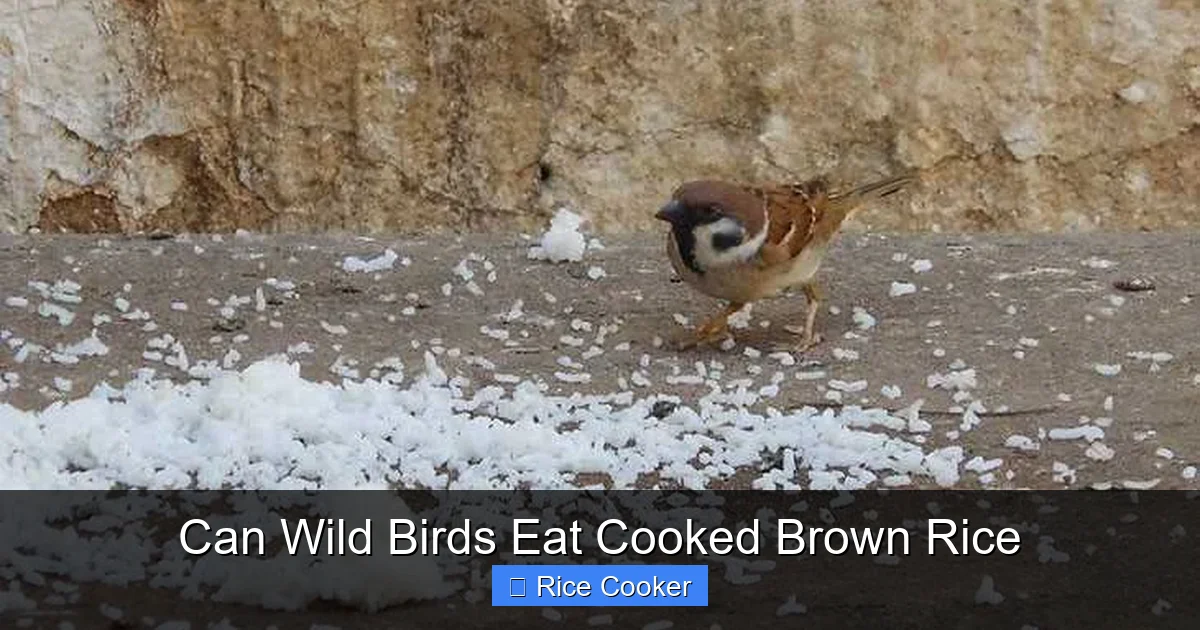
Visual guide about Can Wild Birds Eat Cooked Brown Rice
Image source: metrocookingdallas.com
This is a common concern: if rice expands in your stomach, could it hurt a bird? The good news is that cooked brown rice is fully digestible by most wild birds — including sparrows, robins, jays, and finches. Once cooked, the starches in rice break down, making them easier to process than raw grains.
When rice is cooked, the hard outer shell softens, allowing enzymes in a bird’s digestive system to break it down into usable sugars and nutrients. Birds have strong digestive tracts designed to handle a variety of plant materials, especially when softened by water or saliva.
However, there are two important things to remember:
1. Never feed birds uncooked rice. Raw brown rice contains phytic acid and hard cellulose fibers that can be difficult for birds to digest. It may even expand in a bird’s crop (a pouch-like structure near the throat used to store food), potentially causing blockages or discomfort.
2. Always cool rice before offering it. Hot rice can burn a bird’s mouth or throat. Let it sit until it’s lukewarm or room temperature.
In short, cooked and cooled brown rice is not only safe — it’s often easier for birds to eat than hard seeds or dried fruit. That’s why many bird rescue centers use rice as part of emergency feeding formulas for injured or orphaned birds.
Nutritional Value of Brown Rice for Birds

Visual guide about Can Wild Birds Eat Cooked Brown Rice
Image source: m.media-amazon.com
Let’s take a closer look at what’s inside a serving of cooked brown rice and how it might benefit birds.
| Nutrient | Amount per 100g (cooked) | Relevance to Birds |
|——–|————————–|——————–|
| Carbohydrates | ~23g | Primary energy source |
| Protein | ~2.6g | Supports growth and repair |
| Fiber | ~1.8g | Aids digestion |
| Fat | ~0.9g | Provides essential fatty acids |
| Magnesium | ~42mg | Helps with muscle function |
| Selenium | ~19μg | Antioxidant support |
As you can see, brown rice is far from a powerhouse when it comes to bird nutrition. The protein content is low compared to sunflower seeds or suet, and the fat levels are minimal. But remember — birds don’t eat one food in isolation. They mix seeds, fruits, insects, and even grains throughout the day.
So while brown rice won’t magically turn a skinny finch into a chubby cardinal overnight, it can contribute to overall caloric intake, especially during colder months when birds need extra energy to stay warm.
Also, the fiber in brown rice supports healthy digestion, which is crucial for birds that consume a wide range of foods. A well-balanced gut microbiome helps birds absorb nutrients efficiently and resist infections.
That said, don’t expect brown rice to replace a proper seed mix or mealworms in a bird’s diet. It’s best viewed as a supplemental treat — not a staple.
How to Safely Feed Cooked Brown Rice to Wild Birds
If you’re convinced that cooked brown rice is safe and potentially helpful for birds, you might be wondering: How do I offer it without causing problems?
Here’s a simple step-by-step guide:
1. Cook plain brown rice — Use no salt, no butter, no spices. Just water and rice. Overcooked rice is okay; undercooked rice isn’t.
2. Cool it completely — Wait until it’s no longer warm to the touch.
3. Place it in a shallow dish — Deep bowls can trap small birds or drown them in soaked rice. A saucer or small tray works best.
4. Add fresh water nearby — Birds will need to drink, especially after eating dry rice.
5. Offer in moderation — A few spoonfuls once a week is plenty.
6. Clean up uneaten portions — Moldy rice can grow quickly, especially in damp conditions.
You can scatter the rice on the ground near shrubs or place it on a platform feeder. Some people even mix a small amount with peanut butter or suet to create a paste — great for attracting woodpeckers or nuthatches!
Just avoid offering rice mixed with raisins, nuts, or chocolate — those are toxic to birds. And never feed rice that’s been sitting out for more than a few hours, even if it looks fine.
Common Risks and Misconceptions
Despite being safe, cooked brown rice is sometimes misunderstood — and that can lead to mistakes.
One myth is that rice causes bloating or gas in birds. In reality, cooked rice doesn’t produce gas in the digestive tract like legumes can in humans. Birds process starches very differently, and rice is a gentle, non-reactive carbohydrate.
Another misconception is that birds will only eat rice if you offer it — but in truth, many wild birds rarely encounter rice unless we provide it. Most birds prefer natural foods like seeds, berries, and insects. Rice is more of a “human-introduced” food, and while it’s harmless, it shouldn’t become their main diet.
There’s also a risk of over-reliance. If you start feeding rice every day, birds may stop visiting your yard for other foods, reducing biodiversity. Plus, consistently wet rice can attract unwanted visitors — like rats, raccoons, or ants — who might scare off the birds you’re trying to help.
Finally, be cautious about rice varieties. Instant rice, flavored rice, or rice mixed with vegetables and seasonings can contain harmful ingredients. Stick to plain, long-grain brown rice whenever possible.
Alternatives to Rice: Better Bird Food Options
While rice is safe, there are far better foods to offer wild birds — ones that match their natural diet more closely.
1. Sunflower Seeds
Black oil sunflower seeds are a favorite among cardinals, chickadees, and finches. They’re rich in fat and protein, perfect for winter feeding.
2. Suet Cakes
Made from beef or vegetable fat, suet cakes attract woodpeckers, owls, and nuthatches. You can even add dried fruit or mealworms for extra appeal.
3. Fresh Fruits and Berries
Apples, grapes, blueberries, and bananas (cut into small pieces) are excellent sources of vitamins and hydration. Just remove pits and stems.
4. Mealworms
High in protein, live or dried mealworms are irresistible to insect-eating birds like robins, wrens, and bluebirds.
5. Nuts (in moderation)
Chopped peanuts, almonds, or walnuts can be offered in suet or scattered on the ground. Avoid salted or coated nuts.
6. Oats and Barley
Like rice, these grains are safe and nutritious. Rolled oats, in particular, are easy for birds to crack open and digest.
If you want to support local bird populations effectively, consider setting up a diverse feeding station with multiple food types. This mimics what birds would naturally find in the wild — a mix of seeds, fruits, fats, and insects.
And yes — you can include cooked brown rice as part of that mix, but always as one option among many.
When to Offer Rice: Seasonal Considerations
Timing matters when feeding wild birds. Different seasons call for different strategies.
During winter months, birds burn extra calories to stay warm. At this time, high-fat foods like suet and seeds become critical. Rice can help fill gaps, especially if other food sources are scarce due to snow cover or frozen ground.
In spring and early summer, parent birds are feeding hungry chicks. Protein becomes vital — so offer mealworms, suet with insects, and high-energy fruits. Rice is less necessary here, but still safe.
Come late summer and fall, birds prepare for migration. They need dense, calorie-rich foods to build fat reserves. Again, rice isn’t ideal, but it won’t hurt.
The key is consistency. If you choose to feed birds year-round, do so thoughtfully. Remove old food, clean feeders weekly, and vary offerings based on what’s in season.
Bird Rescue and Rehabilitation: The Role of Rice
You might be surprised to learn that cooked brown rice plays a real role in wildlife care. Many bird rehabilitation centers use rice as part of emergency feeding protocols for injured or dehydrated birds.
Why? Because rice is gentle on the digestive system and provides quick, accessible energy. It’s often included in hand-feeding formulas for species like robins, thrushes, and warblers.
That said, professional rescuers follow strict guidelines. They cook rice separately, strain it to remove excess water, and mix it with vitamins and electrolytes. They never feed raw or salty rice — and they always consult avian veterinarians before hand-feeding.
If you ever find an injured bird, the best thing you can do is contact a licensed wildlife rehabilitator. They have the training, permits, and resources to care for birds properly. Don’t attempt to feed it yourself unless you’re trained.
But knowing that rice is a trusted tool in rescue efforts adds peace of mind — it shows that, when used correctly, it’s not just safe, but genuinely helpful.
Final Thoughts: Rice Is Fine — But Not Essential
So, back to the original question: Can wild birds eat cooked brown rice? Absolutely. Is it a must-have in your bird feeding routine? Definitely not.
Cooked brown rice is a harmless, occasionally useful addition to a bird’s diet. It offers energy, fiber, and a familiar texture that many birds accept readily. But it lacks the complete nutrition birds need to thrive — especially protein, healthy fats, and micronutrients.
Instead of relying on rice, focus on building a diverse feeding environment. Offer seeds, fruits, suet, and protein sources. Keep feeders clean, provide fresh water, and protect birds from predators. And if you want to toss in a bit of rice now and then? Go ahead — just do it responsibly.
Remember, feeding wild birds isn’t about feeding ourselves — it’s about creating opportunities for nature to thrive right outside our windows. Every small choice we make can have a big impact on local ecosystems.
And who knows? Maybe one day, you’ll spot a robin happily pecking at a grain of brown rice — and smile, knowing you helped keep a little piece of nature alive.
Frequently Asked Questions
Is cooked brown rice safe for all bird species?
Yes, most common wild birds like sparrows, finches, robins, and jays can safely eat cooked brown rice. However, very small birds may struggle with large grains, so it’s best to crush or soak the rice first.
Can birds eat brown rice with salt or seasonings?
No, never feed birds rice that contains salt, oil, garlic, onion, or any spices. These can be toxic or cause dehydration. Always serve plain, unseasoned rice.
How much rice should I give wild birds?
Offer rice sparingly — a few tablespoons once a week is sufficient. Overfeeding can displace more nutritious foods and attract pests like rodents.
Will birds eat raw brown rice?
No, raw rice is hard and difficult for birds to digest. It may also expand in their crops. Always cook rice thoroughly before offering it to wild birds.
Can rice help sick or injured birds?
Yes, in controlled settings, cooked brown rice is sometimes used in emergency bird feeding by licensed rehabilitators. However, only trained professionals should handle such cases — contact a wildlife expert immediately if you find an injured bird.
Does rice attract unwanted animals?
Yes, wet or spilled rice can attract raccoons, rats, ants, and other pests. Clean up any leftover rice promptly and avoid overfilling feeders to minimize risks.