
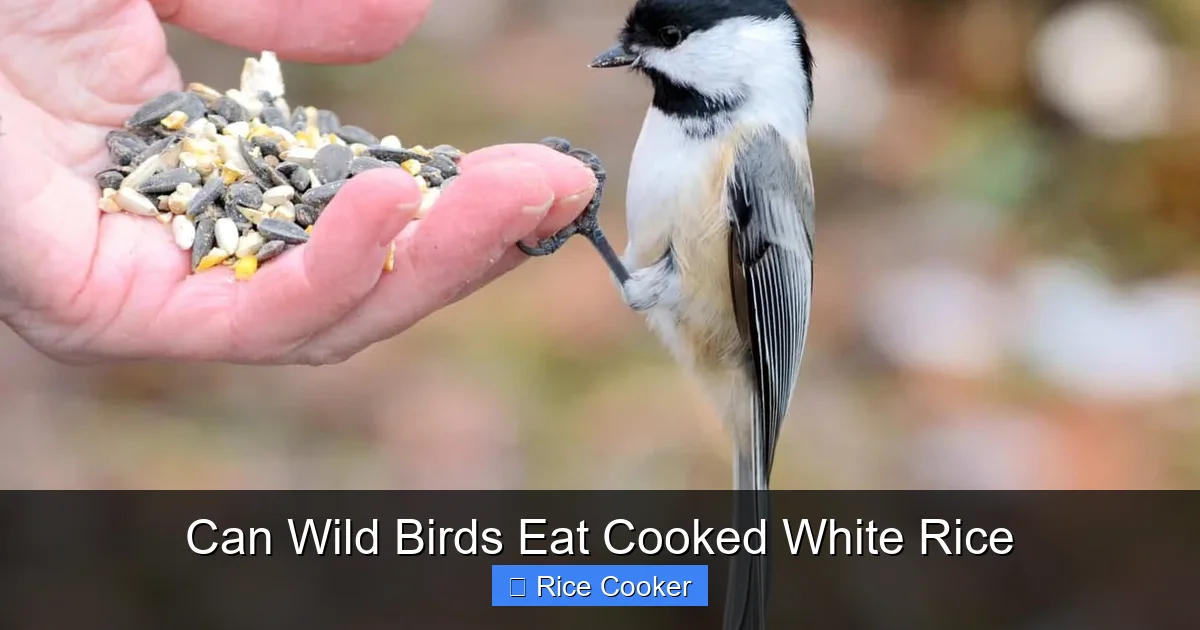
Can wild birds eat cooked white rice? The short answer is yes—cooked white rice is generally safe for most wild birds in moderation. It’s low in fat, easy to digest, and can be a helpful temporary food source during cold weather or food shortages. However, it should never replace a varied diet rich in seeds, insects, and nutrients essential for bird health.
Key Takeaways
- Safety of Cooked Rice: Cooked white rice without seasoning or oil is non-toxic and safe for most wild birds, including sparrows, finches, and robins.
- Nutritional Value: Rice provides carbohydrates for energy but lacks essential proteins and fats, so it should only supplement, not dominate, their diet.
- Feeding Tips: Offer small amounts, cool them first, and avoid seasoned or fried rice—it can harm birds and attract pests.
- Best Practices: Use clean containers, remove uneaten food daily, and combine with other bird-safe foods like seeds and mealworms.
- Environmental Impact: Feeding wild birds rice supports survival during harsh conditions but over-reliance may disrupt natural foraging behaviors.
- Alternative Foods: Consider nutrient-rich options like cracked corn, millet, sunflower seeds, and suet cakes for a balanced diet.
- Wild vs. Domesticated Birds: While domestic birds (like chickens) often eat rice regularly, wild birds have different nutritional needs and digestive systems.
📑 Table of Contents
- Introduction: A Simple Food with Big Questions
- Understanding Wild Bird Diets: What Do They Really Need?
- Is Cooked White Rice Safe for Wild Birds?
- Benefits of Feeding Wild Birds Cooked White Rice
- Practical Tips for Feeding Wild Birds With Cooked White Rice
- Common Myths About Feeding Birds With Rice
- Alternatives to Cooked White Rice for Wild Birds
- When Not to Feed Birds With Rice
- Conclusion: Small Acts, Big Impacts
Introduction: A Simple Food with Big Questions
Have you ever looked out your window and seen a flock of sparrows or robins hopping across your lawn? Maybe one paused near a discarded plate of rice from last night’s dinner. It’s tempting to toss a few grains their way—after all, who wouldn’t want to help our feathered neighbors? But before you grab that bowl, pause. Can wild birds really eat cooked white rice? And if so, is it good for them?
The answer isn’t just a simple “yes” or “no.” Like many things in nature, the truth lies somewhere in between. Cooked white rice can be part of a bird’s diet—but only under the right conditions and in moderation. In this article, we’ll explore everything you need to know about feeding wild birds cooked white rice, from its nutritional benefits and risks to practical tips on how to do it safely.
Whether you’re a seasoned birdwatcher, a backyard observer, or someone who simply loves watching nature unfold, understanding what birds can—and cannot—eat helps us support them in healthier, more sustainable ways. So grab your binoculars (and maybe a bowl of plain rice), because we’re diving deep into the world of avian nutrition.
Understanding Wild Bird Diets: What Do They Really Need?
Visual guide about Can Wild Birds Eat Cooked White Rice
Image source: i0.wp.com
Before deciding to feed wild birds cooked white rice, it’s important to understand what they actually eat in the wild—and why their diets differ from ours.
In nature, wild birds are adapted to eat a wide variety of foods depending on the season, region, and species. For example:
– Seed-eating birds like finches and sparrows thrive on seeds such as millet, sunflower, and thistle.
– Insect-loving birds like warblers and chickadees rely heavily on bugs during breeding season to feed their young.
– Waterfowl like ducks and geese graze on aquatic plants, grains, and small invertebrates.
These diets are carefully balanced to provide protein, fats, vitamins, and minerals. For instance, baby birds need high protein to grow strong wings and muscles, while adult birds require steady energy from carbohydrates during migration or cold months.
Cooked white rice fits into the carbohydrate category—it gives birds quick energy. But unlike whole grains or seeds, rice lacks many essential nutrients. This means it shouldn’t be the mainstay of any bird’s diet.
Think of it like giving your dog a slice of bread occasionally—it’s fine in small doses, but not a replacement for proper kibble. The same applies to wild birds.
Is Cooked White Rice Safe for Wild Birds?
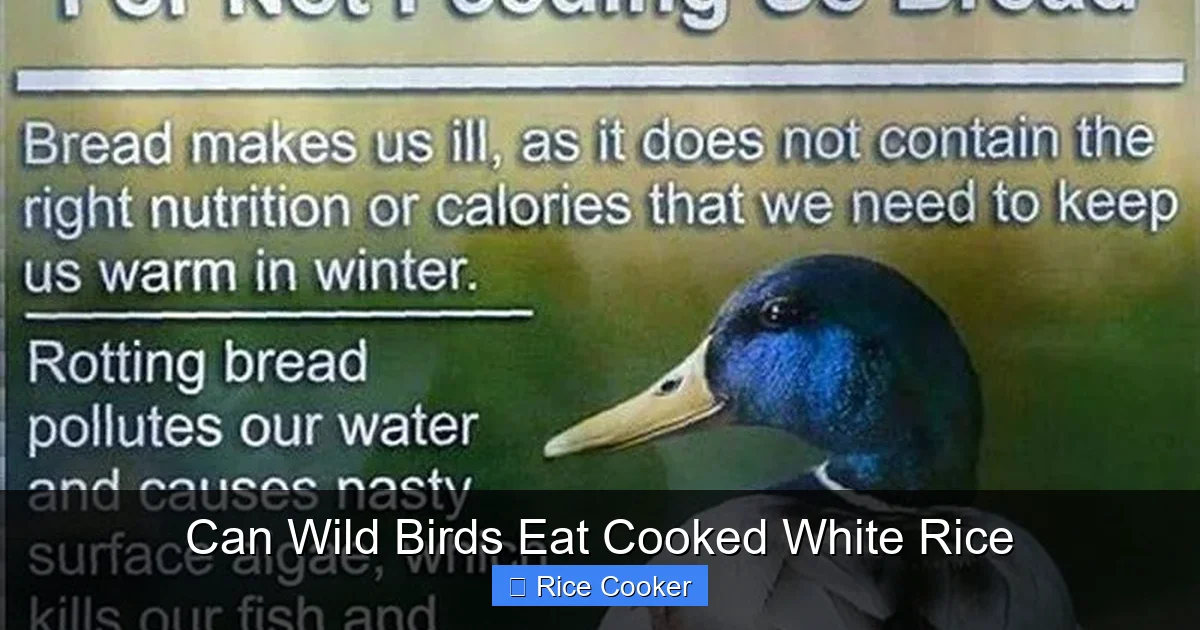
Visual guide about Can Wild Birds Eat Cooked White Rice
Image source: diyseattle.com
Now comes the big question: Is cooked white rice safe for wild birds?
The short answer? Yes—but with caveats.
Plain, cooked white rice without any added salt, spices, butter, or oil is generally safe for most wild birds. It won’t poison them, and many common backyard birds will happily nibble on it.
However, safety isn’t just about toxicity. There are other factors to consider:
Avoid Seasoned or Fried Rice
Never offer birds rice from a takeout container, fried rice dish, or anything with garlic, onion, soy sauce, or MSG. These ingredients are harmful to birds and can cause digestive upset or even death.
Cooking Method Matters
Rice should be boiled or steamed until soft, just like you’d make for yourself. Overcooked or hard rice can be difficult for birds to swallow and may cause choking.
Portion Control Is Key
While rice isn’t dangerous, feeding too much can displace more nutritious foods. Birds might stop eating seeds or insects if rice becomes their primary food source.
Cleanliness Counts
Always use clean bowls or trays. Moldy or spoiled rice can spread disease among birds.
So yes—wild birds can eat cooked white rice safely, as long as it’s plain, properly prepared, and offered responsibly.
Benefits of Feeding Wild Birds Cooked White Rice
Even though rice isn’t a complete food, there are real benefits to offering it—especially during tough times.
Emergency Food Source
During harsh winters or droughts when natural food is scarce, cooked rice can provide much-needed calories. Birds expend extra energy staying warm, so a quick burst of carbs helps maintain their strength.
Easy to Digest
Unlike raw seeds or tough nuts, cooked rice breaks down easily in a bird’s stomach. This makes it ideal for fledglings, sick birds, or those recovering from illness.
Attracts a Variety of Species
Many common backyard birds enjoy rice, including:
– House sparrows
– Northern cardinals
– American robins
– Dark-eyed juncos
Offering rice at feeders or on the ground can draw in curious visitors eager for a snack.
Low Maintenance
Rice doesn’t require special storage or expensive equipment. A leftover portion from your kitchen can become a quick bird treat.
That said, these benefits come with responsibilities. Rice should never be the only thing you offer—and never assume every bird wants it.
Practical Tips for Feeding Wild Birds With Cooked White Rice
If you decide to share your rice with local birds, here’s how to do it safely and effectively.
1. Cool It First
Hot rice can burn delicate beaks and tongues. Always let it cool completely before placing it in a feeder or on the ground.
2. Use Clean Containers
Avoid plastic bags or dirty plates. Use shallow dishes, seed trays, or dedicated bird feeders made of stainless steel or ceramic.
3. Limit Portions
A tablespoon per bird is plenty. Excess rice attracts rats, mice, and raccoons—creatures that can carry diseases and scare away actual birds.
4. Remove Leftovers Daily
Spoiled food breeds bacteria and mold. Clear out uneaten rice each morning to keep the area clean.
5. Mix With Other Foods
Combine rice with cracked corn, millet, or chopped fruits to mimic a natural diet. You could even sprinkle a few mealworms on top for extra protein.
6. Observe From a Distance
Watch how birds react. If they avoid the rice or seem unwell, stop offering it immediately.
By following these steps, you’ll support local wildlife without creating problems for yourself or others.
Common Myths About Feeding Birds With Rice
Over the years, several myths have popped up about feeding birds rice. Let’s clear them up.
Myth #1: Raw Rice Swells in Birds’ Stomachs
This old wives’ tale claims that uncooked rice expands and kills birds. False! Raw rice does expand slightly when wet, but birds’ digestive systems handle it fine. Plus, most birds only eat cooked rice anyway.
Myth #2: All Rice Is Equal
Not true. Brown rice has more fiber and nutrients than white rice, but both are safe. Just avoid instant or pre-seasoned varieties.
Myth #3: Only Certain Birds Eat Rice
Actually, many common backyard species enjoy it. Don’t assume only “small birds” will take it—larger birds like doves or pigeons might also find it appealing.
Myth #4: Feeding Rice Encourages Dependency
While overfeeding can reduce birds’ natural foraging skills, occasional rice sharing doesn’t create dependency. Think of it like giving a friend a cup of coffee now and then—not changing their entire lifestyle.
Separating fact from fiction helps us care for birds in smarter ways.
Alternatives to Cooked White Rice for Wild Birds
While rice is okay in moderation, there are far better options for supporting bird health.
Cracked Corn
A favorite among ground-feeding birds like quail and pheasants. Easy to find at feed stores and lasts well.
Sunflower Seeds (Black Oil & Striped)
High in fat and protein, especially good for winter feeding. Attracts chickadees, nuthatches, and jays.
Millet
Cheap, shelf-stable, and loved by sparrows and doves. Best scattered on the ground rather than in tube feeders.
Suet Cakes
Solid fat blocks packed with insects and seeds. Essential for bluebirds, woodpeckers, and owls during cold months.
Dried Fruit (Unsweetened)
Apples, raisins, or cranberries (chopped) offer vitamins and attract orioles and tanagers.
Mealworms (Live or Dried)
Protein powerhouses for insect-eating birds. Great for attracting robins, wrens, and hummingbirds.
Instead of relying on rice, try rotating these foods throughout the year. Your backyard birds will thank you!
When Not to Feed Birds With Rice
There are situations where offering rice is a bad idea.
If You Have Pests
Rice attracts rodents and insects. If you already deal with rats or ants, adding rice could make things worse.
In High-Risk Areas
Urban environments with frequent human activity increase the chance of contamination. Stick to safer, store-bought feeds in these cases.
For Endangered Species
Some native birds have very specific dietary needs. Consult local wildlife experts before introducing new foods.
During Breeding Season
Baby birds need protein-rich foods to grow. Rice alone won’t cut it—opt for live mealworms instead.
Always prioritize quality over convenience when caring for wildlife.
Conclusion: Small Acts, Big Impacts
So, can wild birds eat cooked white rice? Absolutely—but not as a regular meal, and never as a stand-alone option.
When offered correctly, plain cooked rice can be a gentle lifeline during emergencies, a quick energy boost, or even a fun way to connect with nature. But remember: birds are resilient creatures who thrive best when we support—not replace—their natural instincts.
Instead of tossing leftovers randomly, consider setting up a simple feeding station with a mix of safe foods. Watch the activity. Learn which species visit. Celebrate the tiny moments of connection.
And next time you see a bird eyeing your rice bowl, smile. You’re not just sharing food—you’re participating in something much bigger: the ancient cycle of giving and taking, life and nourishment, wildness and wonder.
Keep learning. Keep observing. And always, always do what’s best for the birds around you.
Frequently Asked Questions
Can wild birds eat uncooked white rice?
Yes, but only in small amounts and rarely. Uncooked rice can expand slightly when wet, but most birds prefer it cooked. Still, it’s safer and easier to digest when softened.
How much cooked rice should I give wild birds?
A teaspoon or two per bird is sufficient. Overfeeding leads to waste, pest attraction, and poor nutrition. Offer only what birds can consume in a day.
Do all types of birds eat cooked white rice?
Most common backyard birds will accept it, including sparrows, finches, robins, and cardinals. Larger birds like hawks or owls won’t touch it, as they don’t typically eat grains.
Is brown rice better than white rice for birds?
Brown rice contains more fiber and nutrients, making it slightly superior. However, both are safe and digestible. Just avoid added oils, salts, or seasonings in either type.
Can feeding rice harm local ecosystems?
Rice itself isn’t harmful, but improper feeding can encourage dependency or attract invasive species. Always clean up leftovers and avoid large quantities near homes.
Should I replace my bird feeder with rice?
No. Rice should complement—not replace—proper bird feeders filled with seeds, suet, or nyjer. Natural foods provide balanced nutrition that rice alone cannot offer.