
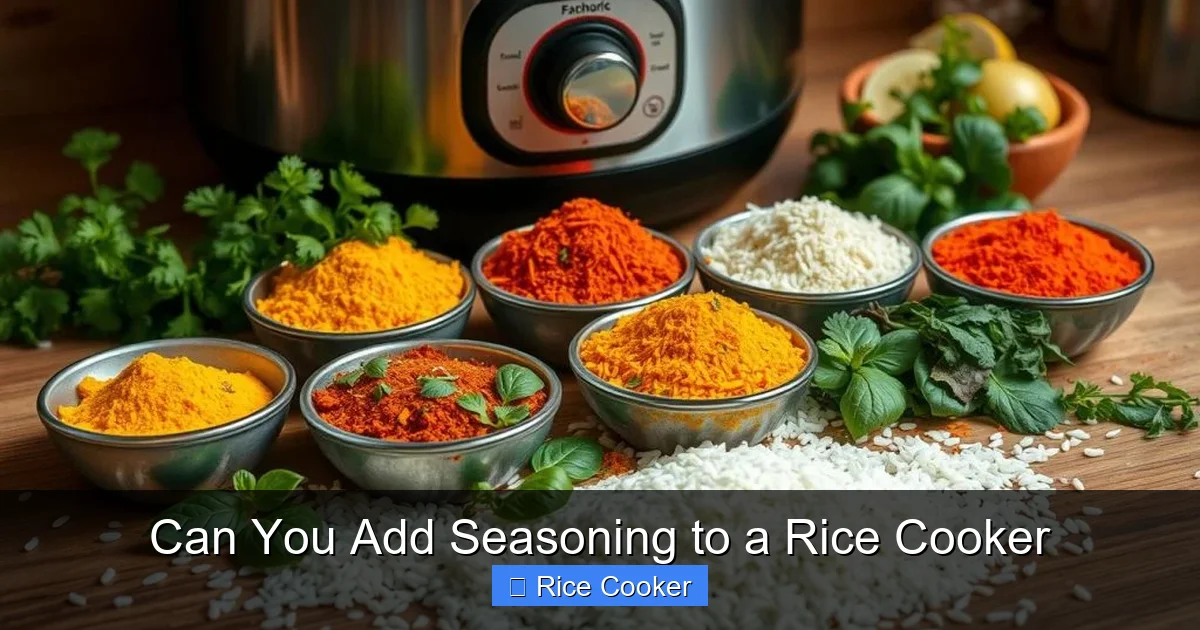
Yes, you can absolutely add seasoning to a rice cooker—and doing so enhances flavor without risking damage. With the right ingredients and techniques, your rice cooker becomes a versatile tool for delicious, well-seasoned meals. Whether you’re using salt, spices, broth, or herbs, seasoning transforms plain rice into a flavorful dish with minimal effort.
Key Takeaways
- Yes, it’s safe and effective: Adding seasonings like salt, broth, or spices to your rice cooker is not only possible but also improves taste.
- Choose the right liquids: Use water, broth, or coconut milk instead of oil to avoid clogging or malfunctioning.
- Timing matters: Add dry spices early, while wet ingredients should be added before cooking begins.
- Cooking method affects flavor: Steaming or simmering methods help distribute seasoning evenly throughout the rice.
- Experiment with combinations: Try garlic, turmeric, cumin, or lemon zest for global-inspired flavors.
- Cleanliness is key: Always clean your rice cooker after use to prevent residue buildup from oils or spices.
- Not all rice types react the same: Basmati, jasmine, and brown rice may absorb flavors differently due to grain structure.
📑 Table of Contents
- Can You Add Seasoning to a Rice Cooker?
- Understanding Your Rice Cooker: What Can Handle Seasoning?
- How to Season Rice in a Rice Cooker: Step-by-Step Guide
- Creative Seasoning Ideas for Different Cuisines
- Troubleshooting Common Seasoning Mistakes
- Advanced Tips for Maximum Flavor
- Cleaning and Maintaining Your Rice Cooker
- Conclusion: Why Seasoning Your Rice Cooker Is Worth It
Can You Add Seasoning to a Rice Cooker?
If you’ve ever wondered whether it’s okay—or even beneficial—to add seasoning to your rice cooker, you’re not alone. Many home cooks love rice but find plain white or brown rice a bit boring on its own. The good news? Yes, you can absolutely add seasoning to a rice cooker, and doing so can elevate your meals without requiring extra steps or special equipment.
Seasoning your rice in the cooker isn’t just about tossing in a pinch of salt at the end. It’s about layering flavors from the very beginning, letting them soak into each grain during the long, gentle cooking process. This method works because rice cookers maintain consistent heat and moisture, allowing seasonings—especially those dissolved in liquid—to infuse deeply into the grains. Whether you’re making a fragrant Indian biryani-style rice, a savory Spanish arroz, or a simple lemon-garlic herb rice, your rice cooker can handle it.
In this guide, we’ll walk you through everything you need to know about adding seasoning to your rice cooker—from basic tips to creative recipes. You’ll learn which seasonings are safe, how to avoid common mistakes, and how to customize every bowl to your taste. So grab your favorite spice blend, and let’s get cooking!
Understanding Your Rice Cooker: What Can Handle Seasoning?
Before diving into seasoning recipes, it’s important to understand what your rice cooker is designed for. Most modern rice cookers are built to handle water, steam, and dry ingredients—but they aren’t meant to process thick sauces, large chunks of meat, or excessive fat. That said, when it comes to seasoning rice, the rules are quite flexible.
Visual guide about Can You Add Seasoning to a Rice Cooker
Image source: ohsofoodie.com
Types of Rice Cookers and Their Limits
There are several types of rice cookers on the market, each with slightly different capabilities:
- Basic White Rice Cookers: Designed primarily for boiling and steaming rice. These work well with simple liquid-based seasonings.
- Sterilizers or Multicookers: Often include functions like slow cook, pressure cook, or soup settings. These can handle more complex seasoning blends, including small amounts of oil or protein.
- Induction Heating Models: More advanced models offer precise temperature control, making them ideal for delicate seasoning techniques.
Regardless of type, the key is to avoid overloading the inner pot with ingredients that could block vents or create steam issues. Also, never use metal utensils that could scratch the non-stick surface—stick to silicone, wood, or plastic tools.
Safe Ingredients for Seasoning
Not all seasonings are created equal when used in a rice cooker. Here’s what’s safe—and what to avoid:
- Safe Seasonings: Salt, pepper, garlic powder, onion powder, turmeric, cumin, paprika, dried herbs (like thyme or oregano), and low-sodium broth.
- Liquids: Water, vegetable broth, chicken broth, coconut milk, soy sauce (in moderation), or even a splash of wine.
- Oils: A teaspoon of olive oil or sesame oil is fine, but avoid heavy frying oils or large quantities.
- Avoid: Fresh herbs that may burn, overly sticky sauces, large pieces of cheese or butter (unless melted separately), and acidic citrus juices directly on the heating element.
Remember: the goal is to enhance flavor, not to create a gourmet casserole. Keep it simple and let the rice cooker do its job.
How to Season Rice in a Rice Cooker: Step-by-Step Guide
Adding seasoning to your rice cooker doesn’t require complicated techniques. With a few easy steps, you can transform basic rice into something extraordinary. Follow this foolproof method for perfectly seasoned rice every time.
Visual guide about Can You Add Seasoning to a Rice Cooker
Image source: ohsofoodie.com
Step 1: Measure Your Rice and Liquid
Start by measuring your rice and the liquid base. For most white rice, the standard ratio is 1 cup rice to 1.5 cups liquid. For brown rice, use 1.5 cups liquid per 1 cup rice. If you’re using broth instead of water, reduce the amount of added salt—broth already contains sodium.
Example: For 1 cup jasmine rice with chicken broth:
- 1 cup jasmine rice
- 1.5 cups warm chicken broth
- 1 tsp soy sauce
- 1 clove crushed garlic
Step 2: Add Dry and Wet Ingredients Together
Combine your rice and liquid in the inner pot. Then add your seasonings. Stir gently to ensure even distribution. Don’t over-stir—just mix until the rice is coated and the seasonings dissolve.
Tip: Warm your broth slightly before adding it. Cold liquids can extend cooking time and affect texture.
Step 3: Close and Start Cooking
Secure the lid and select the appropriate setting—usually “White Rice” or “Normal.” Avoid using “Quick Cook” or “Risotto” modes unless your model supports them, as these can alter the seasoning absorption process.
Step 4: Let It Rest
Once the cycle ends, let the rice sit for 5–10 minutes with the lid closed. This allows residual steam to finish cooking the rice and helps distribute flavors evenly.
Step 5: Fluff and Serve
Use a wooden or silicone spatula to fluff the rice gently. Taste and adjust if needed—sometimes an extra sprinkle of salt or a squeeze of lemon brightens the dish.
Creative Seasoning Ideas for Different Cuisines
The beauty of seasoning rice in a rice cooker is its versatility. You can mimic dishes from around the world with minimal effort. Here are some popular global-inspired ideas to try.
1. Lemon Herb Rice (Mediterranean Style)
This light, aromatic rice pairs beautifully with grilled fish or chicken.
- 1 cup basmati rice
- 1.5 cups water or chicken broth
- Zest of 1 lemon
- Juice of ½ lemon
- 2 tbsp fresh parsley, chopped
- 1 tsp dried thyme
- 1 clove garlic, minced
- Salt and pepper to taste
Combine all ingredients in the rice cooker. Cook on normal setting. After resting, fluff and garnish with extra parsley.
2. Turmeric Golden Rice (Indian-Inspired)
A vibrant, health-boosting dish perfect for curries or lentil soups.
- 1 cup long-grain rice
- 1.5 cups water
- 1 tsp ground turmeric
- ½ tsp cumin seeds
- Pinch of black pepper
- 1 tbsp ghee or coconut oil
Heat the ghee in a pan first, then add cumin seeds and toast until fragrant. Transfer to rice cooker with other ingredients. Cook and serve with raita or dal.
3. Coconut Jalapeño Rice (Mexican Fusion)
Spicy, creamy, and full of flavor—great with tacos or enchiladas.
- 1 cup jasmine rice
- 1.75 cups coconut milk
- 1 small jalapeño, seeded and finely diced
- 1 tsp smoked paprika
- 1 clove garlic
- ½ tsp cumin
- Salt to taste
Add everything to the cooker. Cook normally. For creaminess, stir in a dollop of sour cream after cooking.
4. Garlic Parmesan Rice (Italian-American Style)
A cheesy, garlicky side that kids and adults love.
- 1 cup white rice
- 1.5 cups water
- 2 cloves garlic, minced
- ¼ cup grated Parmesan
- 1 tbsp olive oil
- ½ tsp Italian seasoning
- Pinch of nutmeg
Mix oil, garlic, and Parmesan in the inner pot first. Add rice and remaining ingredients. Cook and stir in extra Parmesan before serving.
Troubleshooting Common Seasoning Mistakes
Even experienced cooks make mistakes when seasoning rice in a rice cooker. Here’s how to avoid and fix common issues.
Mistake 1: Too Much Salt
Too much salt can make rice taste bitter or overly salty. Always start with less than you think you’ll need—you can always add more after tasting.
Fix: Rinse extra salt off with cold water, then add a small amount of unsalted rice and re-cook if necessary.
Mistake 2: Not Enough Liquid
If you forget to account for liquid from seasonings (like broth or soy sauce), your rice may turn out dry.
Fix: Stick to measured ratios. If using soy sauce or broth, reduce plain water accordingly.
Mistake 3: Burnt or Sticky Rice
Overcrowding or high heat can cause burning, especially with oily seasonings.
Fix: Don’t exceed recommended rice-to-liquid ratios. Stir once halfway through cooking if your model allows it.
Mistake 4: Uneven Flavoring
If some grains are seasoned and others aren’t, it may be due to poor mixing.
Fix: Stir gently after adding seasonings and before closing the lid.
Mistake 5: Using Fresh Herbs Directly
Fresh herbs like basil or cilantro can wilt or burn during the long cook cycle.
Fix: Add them in the last 5 minutes of cooking, or stir them in after the cycle ends.
Advanced Tips for Maximum Flavor
Want to take your seasoned rice to the next level? Try these pro-level techniques.
Infuse Broths Before Adding
Instead of using plain broth, make a quick flavored stock by simmering onions, garlic, bay leaves, and herbs for 10 minutes. Strain and use this as your base liquid. The result? Deep, rich flavor in every grain.
Toast Spices First
For dry spices like cumin or coriander, lightly toast them in a dry pan for 1–2 minutes before adding to the rice cooker. This releases their essential oils and intensifies their aroma.
Use Aromatic Oils Wisely
A single drop of sesame oil or truffle oil can transform plain rice into something luxurious. Add it with the liquid—no need for a large amount.
Layer Flavors Over Time
For complex dishes like biryani, cook the rice partially, remove half, then add saffron-infused milk to the rest and finish cooking together. This creates two distinct layers of flavor.
Try Fermented Ingredients
Fish sauce, miso paste, or tamari can add umami depth. Use sparingly—just a teaspoon goes a long way.
Cleaning and Maintaining Your Rice Cooker
Proper maintenance ensures your rice cooker stays in great shape—even after cooking seasoned rice.
Clean Immediately After Use
Rinse the inner pot with warm, soapy water immediately after cooking. Residue from oils or spices can harden and become difficult to remove later.
Avoid Harsh Cleaners
Never use abrasive scrubbers or bleach on the non-stick coating. Stick to soft sponges and mild detergent.
Check the Steam Vent
After cooking oily or sticky rice, wipe down the steam vent and outer lid with a damp cloth to prevent clogging.
Deep Clean Monthly
Every few weeks, run the inner pot through a hot water rinse with a little baking soda to break down any buildup.
Conclusion: Why Seasoning Your Rice Cooker Is Worth It
Adding seasoning to your rice cooker opens up a world of culinary possibilities. It’s not just about making rice tastier—it’s about turning a simple staple into the centerpiece of a meal. With the right ingredients and a few smart techniques, you can create restaurant-quality dishes with minimal effort.
Whether you’re feeding a family, meal-prepping for the week, or impressing dinner guests, seasoned rice in a rice cooker delivers consistent, delicious results. Experiment with global flavors, adjust to your dietary needs, and make it your own. And remember: there’s no such thing as too much flavor—especially when it starts in the kitchen with a simple act of seasoning.
So go ahead—grab that bottle of curry powder, open a can of coconut milk, or chop up some fresh garlic. Your rice cooker is ready. Your taste buds will thank you.
Frequently Asked Questions
Can I use soy sauce to season rice in a rice cooker?
Yes, you can add soy sauce to your rice cooker for a savory, umami-rich flavor. Use it in moderation—about 1–2 teaspoons per cup of rice—and reduce the water slightly since soy sauce adds moisture. Be mindful of sodium content if you’re monitoring salt intake.
Is it safe to add oil or butter to rice in a rice cooker?
A small amount of oil (1–2 teaspoons) is generally safe and can improve texture and prevent sticking. However, avoid large quantities or solid fats like butter, which may not melt evenly and could leave residue or block the steam vent.
What happens if I add too much salt to my seasoned rice?
Excess salt can make rice taste bitter or overly salty. To fix it, you can rinse the rice with cold water and re-cook with additional uncooked rice and less liquid. Alternatively, serve with a side of neutral-flavored food to balance the taste.
Can I add fresh herbs to my rice cooker?
Yes, but add them toward the end of cooking or stir them in after the cycle ends. Fresh herbs like cilantro, parsley, or basil can wilt or burn during the long cook time, reducing their flavor and texture.
Will seasoning rice in a rice cooker change the cooking time?
Generally, no—adding mild seasonings like salt, broth, or dry spices won’t significantly alter cooking time. However, using thicker liquids like coconut milk or adding large amounts of liquid may extend the cycle slightly.
Can I make fried rice in a rice cooker?
Traditional fried rice requires high-heat wok cooking, which a rice cooker can’t replicate. However, you can make “cooked” fried rice by pre-cooking seasoned rice, cooling it, and then stir-frying it briefly in a pan with oil and sauce—your rice cooker is only part of the process.