
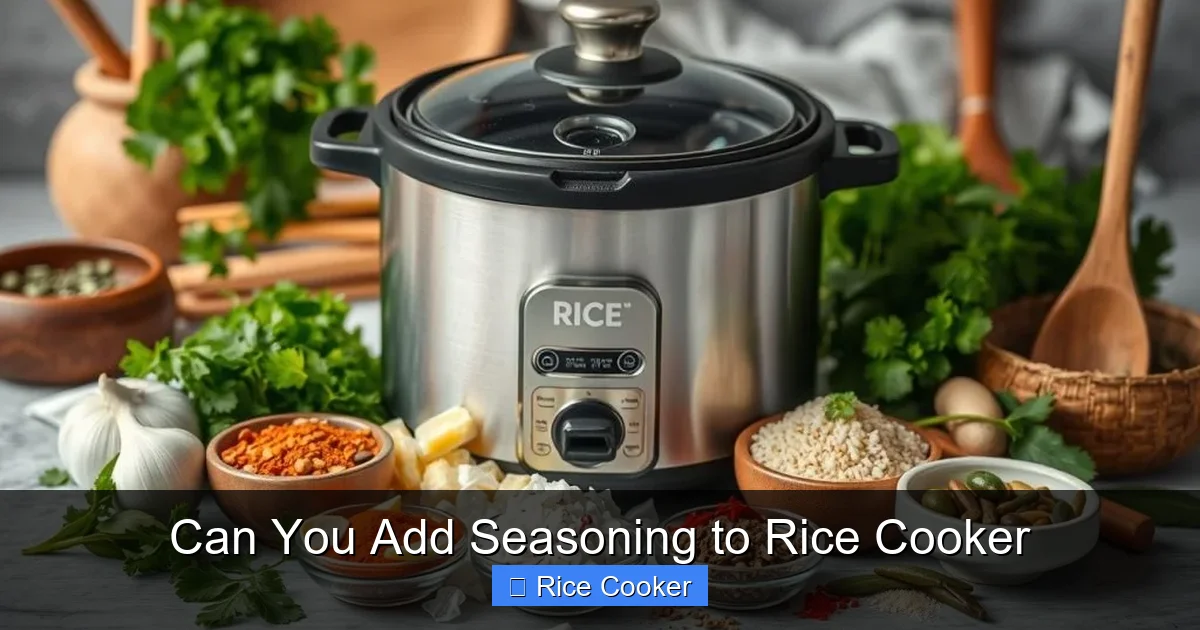
Can you add seasoning to a rice cooker? Absolutely! With just a few ingredients and the right technique, your rice cooker becomes a versatile tool for making flavorful, aromatic dishes. Whether you’re using salt, herbs, or bold spices, adding seasoning enhances taste while keeping cleanup easy. It’s a game-changer for busy weeknights and meal prep!
Key Takeaways
- Yes, you can safely add seasoning to your rice cooker. Most dry spices, herbs, and even broths work well when added before cooking.
- Proper water-to-rice ratio is key. Too much liquid from broth can make rice mushy, so adjust accordingly.
- Layer flavors for depth. Add aromatics like garlic or onions at the beginning to infuse rice with rich taste.
- Experiment with global flavors. Try turmeric for golden rice, soy sauce for Asian-style dishes, or cumin for Mexican-inspired meals.
- Cooking times may vary slightly. Keep an eye on texture and adjust as needed to avoid overcooking.
- Cleaning is simple. Most modern rice cookers are non-stick and dishwasher-safe after use.
- Use it beyond plain white rice. Seasoned rice works as a base for bowls, salads, fried rice, and more.
📑 Table of Contents
- Introduction: The Secret to Flavor-Packed Rice in Minutes
- Why Seasoning Your Rice Matters
- Types of Seasonings You Can Use
- Step-by-Step Guide: How to Season Rice in a Rice Cooker
- Creative Seasoned Rice Recipes to Try Today
- Common Mistakes to Avoid When Seasoning Rice
- Can You Add Seasoning Midway Through Cooking?
- Tips for Different Types of Rice
- Cleaning and Maintaining Your Rice Cooker
- Conclusion: Transform Your Meals with Flavorful Rice
Introduction: The Secret to Flavor-Packed Rice in Minutes
Have you ever opened your rice cooker only to be greeted by bland, unseasoned grains? If so, you’re not alone. For years, many of us treated the rice cooker as a glorified pot—something to hold rice and water until it turned into something edible. But what if we told you that your rice cooker could do so much more? What if you could turn a simple bowl of rice into a vibrant, aromatic side dish that rivals restaurant-quality meals?
The answer lies in one powerful question: Can you add seasoning to a rice cooker? The short answer is yes—absolutely. In fact, adding seasoning is not only safe, but it’s a fantastic way to elevate your rice from basic to brilliant. Whether you’re cooking jasmine rice, brown rice, or wild rice, a few thoughtful additions can transform the entire dish. From fragrant herbs and spices to savory broths and sauces, the possibilities are endless. And the best part? You don’t need advanced culinary skills—just a little creativity and confidence in your appliance.
Why Seasoning Your Rice Matters
Rice is often seen as a neutral food—a blank canvas that absorbs flavors beautifully. But when left unseasoned, it can feel dull and uninspired. Think about it: a plate of plain rice lacks personality. It doesn’t stand out in a meal. It doesn’t make you want to take another bite. But when you infuse rice with seasonings, you’re doing more than just flavoring it—you’re creating a complete sensory experience.
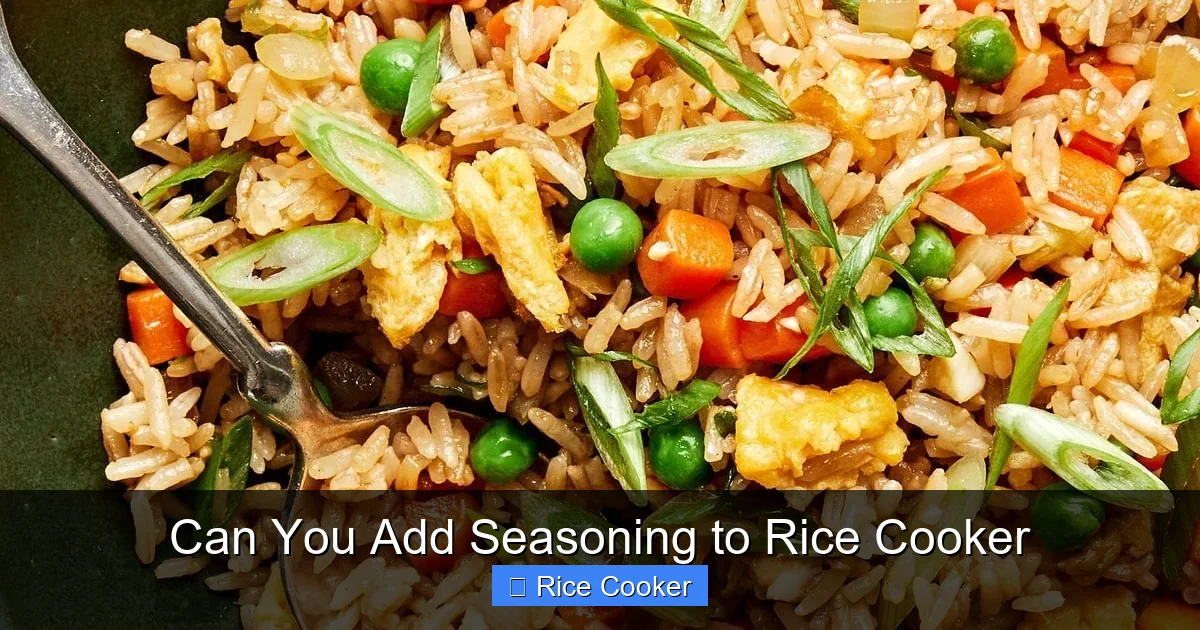
Visual guide about Can You Add Seasoning to Rice Cooker
Image source: sushiandrice.com
Adding seasoning early in the cooking process allows the grains to absorb the essence of the spices, herbs, or liquids. This infusion happens during the steaming phase, when heat and moisture open up the starch molecules, making them receptive to flavor. That means every bite of your seasoned rice isn’t just tasty—it’s deeply satisfying. Plus, cooking seasoned rice at home saves money, reduces waste, and gives you full control over what goes into your meal.
Types of Seasonings You Can Use
One of the joys of using a rice cooker is its versatility. You’re not limited to plain water. In fact, the most common mistake people make is sticking to plain water when cooking rice. While that works fine for basic meals, it misses a huge opportunity. Let’s explore the different types of seasonings you can safely and effectively add to your rice cooker.
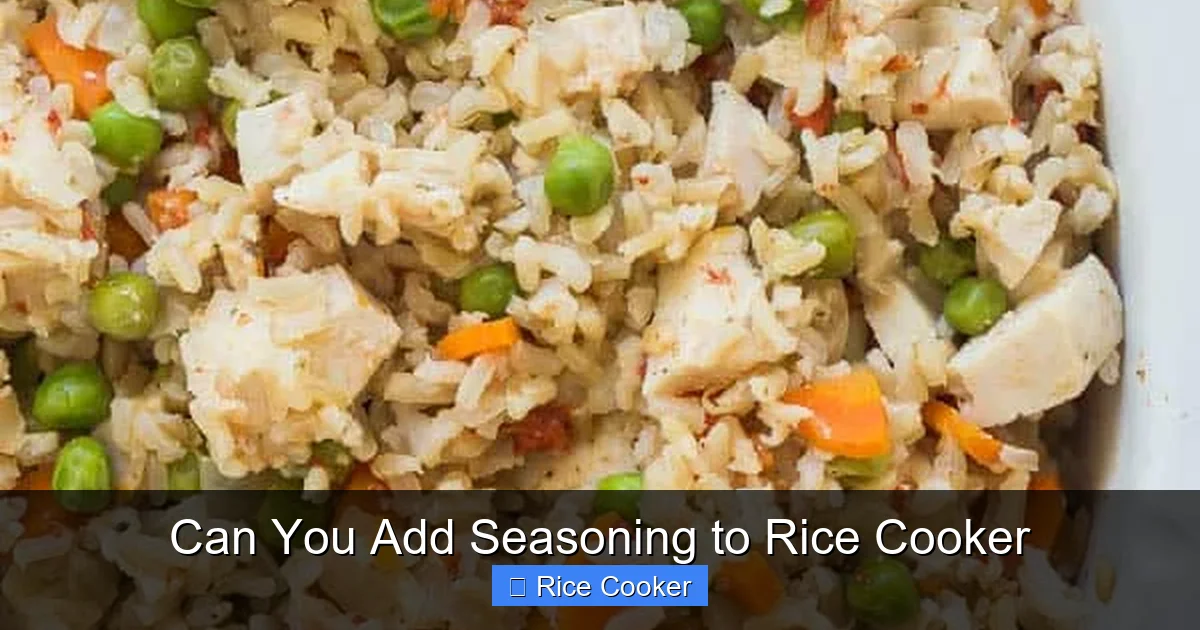
Visual guide about Can You Add Seasoning to Rice Cooker
Image source: thereciperebel.com
Dry Spices and Herbs
Adding dried herbs and spices is one of the easiest ways to boost flavor. Just sprinkle them in with your rice before adding water. Cumin, coriander, turmeric, and paprika are excellent choices for creating bold, earthy profiles. For a Mediterranean twist, try oregano, thyme, or rosemary. These aromatic herbs release their oils during the cooking process, subtly flavoring each grain.
Example: For a Mexican-inspired dish, combine 1 cup of long-grain rice with ½ teaspoon of ground cumin, ¼ teaspoon of smoked paprika, and a pinch of chili powder. Cook with 1¾ cups of water. The result? A fragrant, slightly spicy rice that pairs perfectly with beans and grilled meats.
Liquid Broths and Stocks
Replacing some or all of the water with broth adds richness and depth. Chicken, vegetable, or mushroom broth can dramatically improve the taste of your rice. Just remember to reduce the total liquid slightly—broth contains more flavor and moisture than plain water.
Tip: Always use low-sodium broth if you’re watching your salt intake. You can always add a pinch of salt after cooking if needed.
Sauces and Condiments
Don’t underestimate the power of a splash of sauce. Soy sauce, teriyaki, fish sauce, or even a bit of tomato paste can give your rice a gourmet touch. These condiments introduce umami, which is that savory, mouth-watering flavor that makes food irresistible.
Example: Stir in 1 tablespoon of soy sauce and 1 teaspoon of sesame oil when cooking sushi rice. The result is a sticky, slightly sweet, and deeply savory rice perfect for rolls or bowls.
Onions, Garlic, and Aromatics
Sautéing onions and garlic before adding rice can create a flavorful base. Many rice cookers have a “saute” function—take advantage of it. Sauté 1 minced onion and 2 cloves of garlic in a bit of oil until soft, then add your rice and proceed as usual.
This method builds layers of flavor and prevents the rice from tasting flat. It’s especially effective with white rice and works wonderfully in pilaf-style dishes.
Step-by-Step Guide: How to Season Rice in a Rice Cooker
Now that you know what seasonings to use, let’s walk through a simple, foolproof process for making flavorful rice every time.
Ingredients You’ll Need
- 1 cup rice (white, brown, or wild)
- 1½ to 2 cups liquid (water, broth, or a mix)
- Seasonings of choice (spices, herbs, sauces, etc.)
- Optional: oil, butter, or fat for sautéing aromatics
Step 1: Rinse the Rice (Optional but Recommended)
Washing rice removes excess starch, which helps prevent clumping. Rinse under cold water until the water runs clear. This step is especially important for jasmine or basmati rice.
Step 2: Add Base Flavors
Add your rice to the inner pot. Then toss in your chosen seasonings. Start small—too much spice can overwhelm the dish.
Step 3: Add Liquid
Pour in your liquid. If using broth or sauce, reduce the amount of water slightly to maintain the correct ratio. A good rule of thumb: use 1¾ to 2 cups of liquid per 1 cup of rice.
Step 4: Optional Sauté Step
If your rice cooker has a sauté function, use it to lightly cook onions, garlic, or other aromatics in a bit of oil before adding rice and liquid.
Step 5: Cook and Let It Rest
Close the lid and start the cook cycle. Once done, let the rice sit for 5–10 minutes. This allows the flavors to settle and the rice to firm up slightly.
Step 6: Fluff and Serve
Fluff the rice gently with a fork. Taste and adjust—add a pinch of salt, a squeeze of lime, or extra herbs if desired.
Creative Seasoned Rice Recipes to Try Today
Feeling inspired? Here are five quick, delicious recipes to get you started. Each uses simple ingredients and takes less than 30 minutes from start to finish.
1. Lemon Herb White Rice
Perfect as a side to grilled chicken or fish. Combine 1 cup white rice, 1¾ cups water, 1 tablespoon lemon zest, 1 tablespoon fresh parsley (chopped), and the juice of half a lemon. Cook as usual. The bright, citrusy notes lift the entire dish.
2. Turmeric Golden Rice
Rich in color and antioxidants. Mix 1 cup jasmine rice with 1¾ cups water and ½ teaspoon turmeric. Add a pinch of black pepper to boost absorption. Great with curries or roasted vegetables.
3. Garlic Butter Brown Rice
Use the sauté function to soften 3 minced garlic cloves in 1 tablespoon butter. Add 1 cup brown rice and 2 cups water. Cook until tender. This version is chewy, nutty, and incredibly flavorful.
4. Teriyaki Rice Bowl Base
Stir 2 tablespoons teriyaki sauce into 1 cup cooked white rice along with 1 tablespoon sesame seeds and chopped green onions. Serve topped with grilled tofu or chicken for a complete meal.
5. Spiced Chickpea and Rice Pilaf
In a rice cooker, combine 1 cup brown rice, 1 can chickpeas (drained), 1 diced onion, 1 teaspoon cumin, ½ teaspoon cinnamon, and 2 cups vegetable broth. Cook until done. Fluffy, hearty, and packed with protein.
Common Mistakes to Avoid When Seasoning Rice
Even with the best intentions, things can go wrong. Here are some common pitfalls and how to fix them.
Using Too Much Liquid
Broth, sauces, and juices add moisture. Adding too much can lead to mushy rice. Always measure carefully and stick close to the recommended ratio.
Over-Seasoning
Spices and sauces are potent. Start with small amounts and taste as you go. You can always add more, but you can’t take it out once it’s cooked.
Not Rinsing the Rice
Unwashed rice can be sticky and uneven. Rinsing ensures fluffy, separate grains—especially important for white rice.
Ignoring the Resting Time
Rushing the resting phase means steam escapes and rice becomes dry. Let it sit to redistribute moisture and flavors.
Using Low-Quality Ingredients
Expensive doesn’t always mean better, but low-quality broth or stale spices will ruin even the simplest recipe. Invest in fresh, good-quality seasonings.
Can You Add Seasoning Midway Through Cooking?
Technically, you can add some seasonings halfway through, but it’s not ideal. Most dry spices won’t fully integrate, and liquids may evaporate too quickly. For best results, add everything at the beginning—this allows flavors to meld properly.
Exception: If you’re making fried rice, you’ll add soy sauce and other ingredients after the rice is cooked and fluffed. But that’s a different technique altogether.
Tips for Different Types of Rice
Not all rice behaves the same. Here’s how to season each type effectively.
White Rice
The most versatile. Easily absorbs liquid-based seasonings. Ideal for lemon herb, garlic butter, or teriyaki styles.
Brown Rice
Takes longer to cook and holds more moisture. Use broth generously and consider adding nuts or dried fruit for extra flavor.
Jasmine and Basmati
Fragrant varieties that shine with floral or citrus notes. Try coconut milk instead of water for a Thai-inspired version.
Wild and Black Rice
Naturally nutty and chewy. Pair with mushrooms, thyme, or a splash of balsamic vinegar.
Cleaning and Maintaining Your Rice Cooker
After cooking seasoned rice, cleaning is simple. Most inner pots are non-stick and dishwasher-safe. Just rinse with warm, soapy water or pop it in the dishwasher. Don’t use abrasive scrubbers—they can damage the coating.
Also, wipe the exterior regularly and check the steam vent to ensure it’s clear. Proper maintenance extends the life of your rice cooker and keeps it functioning well.
Conclusion: Transform Your Meals with Flavorful Rice
So, can you add seasoning to a rice cooker? Yes, and doing so opens up a world of flavor possibilities. You no longer have to settle for boring, one-note rice. With a little creativity and the right techniques, your rice cooker becomes a powerful tool for making delicious, restaurant-worthy meals at home.
From aromatic turmeric rice to savory teriyaki bowls, the options are endless. Experiment, taste as you go, and don’t be afraid to tweak recipes. Over time, you’ll develop a sense of what works best for your palate and lifestyle.
Remember: great food starts with great ingredients and a willingness to try something new. So next time you open your rice cooker, think beyond water and rice. Think flavor. Think creativity. Think deliciousness.
Frequently Asked Questions
Can I add salt directly to my rice cooker?
Yes, you can add salt to your rice cooker, but use it sparingly—about ½ teaspoon per cup of rice. Too much salt can make the rice overly salty and affect texture. Dissolve it in the liquid first for even distribution.
Is it okay to add oil or butter to seasoned rice?
Absolutely. Adding 1 teaspoon of oil or butter can help prevent sticking and enhance flavor. It’s especially useful when cooking brown rice or when you want a richer taste.
Can I use broth instead of water for all types of rice?
Yes, broth works well with most rice types. Just reduce the total liquid slightly since broth contains more moisture. For white rice, you can replace up to 100% of the water with broth for maximum flavor.
Do I need to pre-cook onions and garlic?
Not necessarily. If your rice cooker has a sauté function, use it to soften onions and garlic before adding rice. Without it, you can add finely minced raw onions and whole garlic cloves—they’ll infuse flavor during cooking.
How do I prevent my seasoned rice from becoming mushy?
Use the correct water-to-rice ratio and avoid overfilling the pot. Also, don’t lift the lid during cooking, and let the rice rest after it’s done. If using broth or sauces, reduce the amount of water slightly.
Can I freeze seasoned rice for later use?
Yes, cooked rice freezes well for up to 2 months. Let it cool completely, store in airtight containers, and reheat with a splash of water or broth to restore moisture. Perfect for meal prep!