
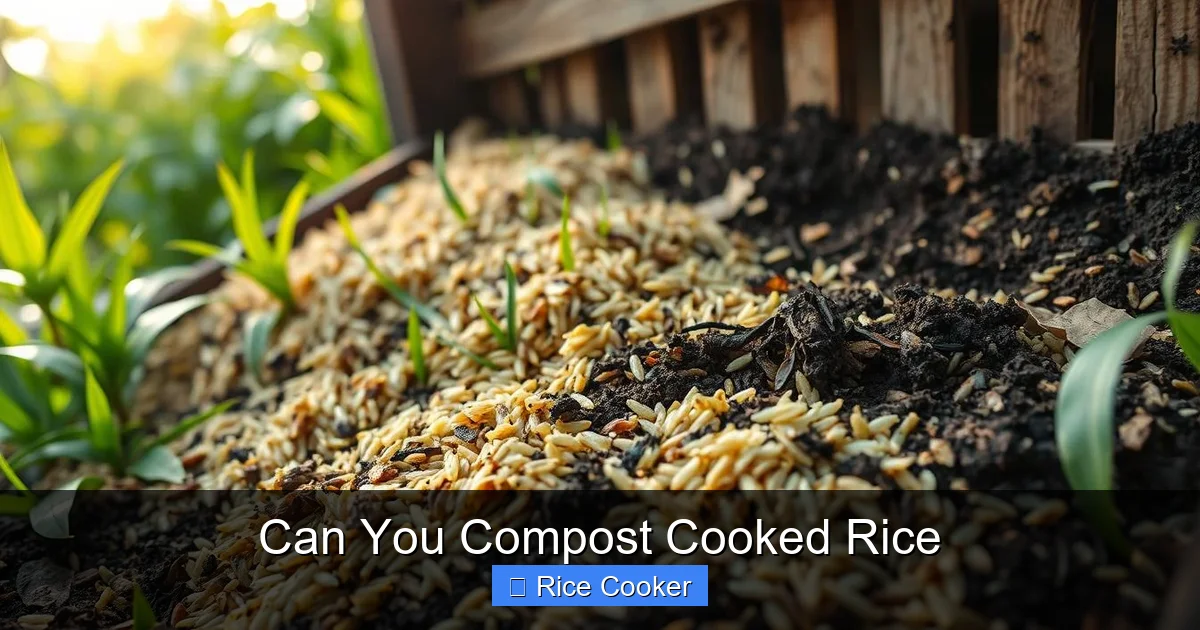
Can you compost cooked rice? Absolutely! Cooked rice is organic matter that breaks down easily in a compost bin, enriching your soil with nutrients. However, it must be added in moderation and mixed well to avoid issues like mold or pests. With the right balance of greens and browns, rice becomes a valuable compost ingredient that supports healthy garden growth.
Have you ever wondered what to do with that bowl of leftover rice from dinner? Maybe you’re using a rice cooker and find yourself with more than you can eat. Instead of tossing it in the trash, you might consider composting it. But can you compost cooked rice? The short answer is yes—but there are some important details to keep in mind to ensure your compost stays healthy, odor-free, and effective.
Composting is nature’s way of recycling. When you compost food scraps like vegetable peels, coffee grounds, and yes, even cooked rice, you’re turning kitchen waste into rich, fertile soil. This process mimics natural decomposition, breaking down organic matter into humus—a dark, crumbly substance full of nutrients. Cooked rice fits perfectly into this cycle because it’s plant-based, biodegradable, and breaks down relatively quickly under the right conditions.
In this article, we’ll explore everything you need to know about composting cooked rice. We’ll cover why it works, how to prepare it properly, what to watch out for, and how to use the finished compost in your garden. Whether you’re new to composting or looking to refine your technique, you’ll find practical tips and expert advice to help you turn kitchen scraps into garden gold.
Key Takeaways
- Cooked rice is compostable: Yes, leftover cooked rice can go into your compost bin as part of the organic waste stream.
- Mix with carbon-rich materials: Always balance rice (a nitrogen source) with browns like leaves or paper to maintain proper compost ratios.
- Avoid raw rice: Raw, uncooked rice takes much longer to break down and may attract rodents if not buried properly.
- Prevent mold and odors: Chop rice into smaller pieces and mix deeply into the pile to reduce clumping and odor.
- Use in finished compost: Once fully decomposed, rice adds carbon and improves soil structure for healthier plants.
- Not ideal for all systems: In worm bins or small-scale setups, rice should be used sparingly to avoid overheating or acidity.
Quick Answers to Common Questions
Can you compost cooked rice in a worm bin?
Yes, but use it sparingly. Worms prefer finely chopped rice mixed with carbon-rich bedding. Too much can lower pH and harm worms.
Does cooked rice attract pests?
Only if left exposed or buried shallowly. Bury rice at least 6 inches deep and avoid oily or salty varieties to minimize risk.
How long does rice take to compost?
About 2–4 weeks in a hot, active compost pile. In colder or slower systems, it may take several months.
Can you compost rice with oil or sauces?
Plain rice is fine, but oily or heavily seasoned rice can attract pests and create odor. Limit these items and mix well with browns.
Is composted rice safe for all plants?
Yes, once fully broken down, rice compost is safe for vegetables, flowers, herbs, and fruit trees. Avoid using unfinished compost on seedlings.
📑 Table of Contents
Why Compost Cooked Rice?
Cooked rice isn’t just food—it’s a valuable resource for your compost heap. Unlike raw grains, which are tough and slow to decompose, cooked rice has already been softened by heat and moisture. This makes it much easier for microorganisms, fungi, and worms to break it down into simpler compounds.
When rice decomposes, it releases carbon, nitrogen, and trace minerals into the compost. These elements are essential for building healthy soil. Carbon helps improve soil structure, while nitrogen supports plant growth. Together, they create a balanced environment where beneficial microbes thrive.
Another benefit of composting rice is waste reduction. In many households, food waste accounts for a significant portion of landfill contributions. By composting cooked rice, you’re diverting that waste from landfills, where it would otherwise release methane—a potent greenhouse gas. Plus, you’re reducing your household’s environmental footprint in a simple, sustainable way.
How Does Cooked Rice Break Down in Compost?
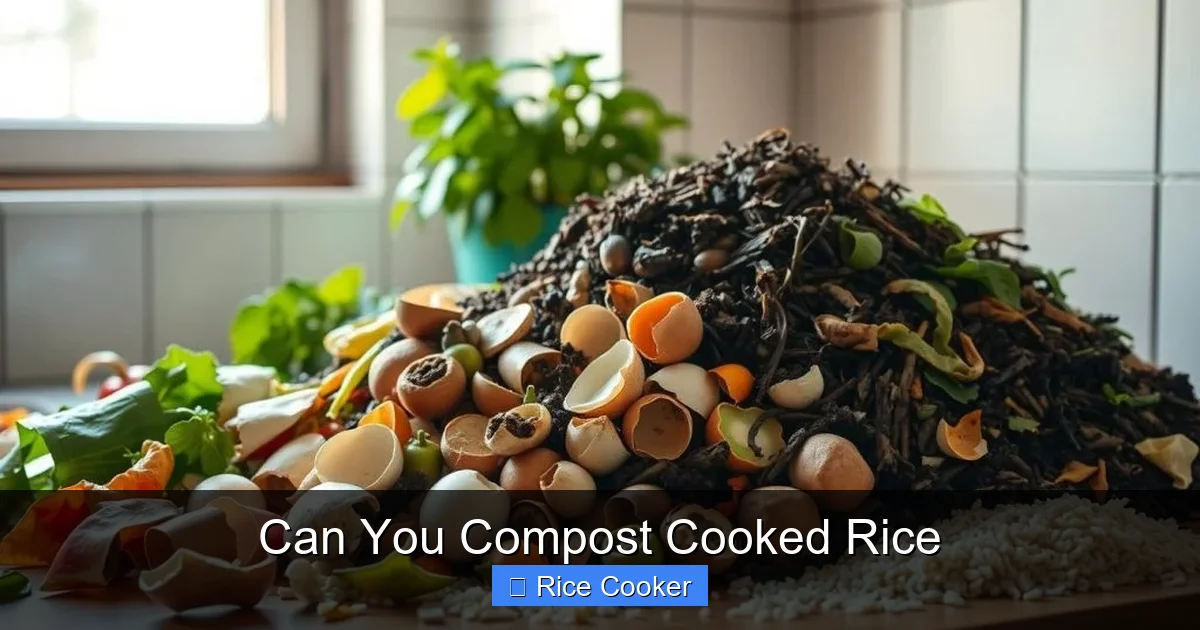
Visual guide about Can You Compost Cooked Rice
Image source: compostcharm.co.uk
The decomposition of cooked rice follows the same basic principles as any organic material: heat, moisture, oxygen, and time. Microorganisms like bacteria and fungi do most of the work, consuming the rice and converting it into humus.
When rice enters the compost pile, its starches begin to ferment slightly, especially if left uncovered. This can produce a faint sour smell, but it won’t harm the compost if managed properly. As the pile heats up (ideally between 130°F and 160°F), thermophilic bacteria multiply rapidly and break down complex carbohydrates into simpler sugars and acids.
Over several weeks to months, depending on conditions, the rice will fully integrate into the compost matrix. Finished compost containing rice will look dark, crumbly, and earthy—signs that decomposition is complete.
It’s important to note that rice doesn’t decompose instantly. While it’s faster than raw grains, it still needs time and the right environment. Keep the pile moist (like a wrung-out sponge), turn it regularly to add oxygen, and monitor temperature to speed up the process.
What About Raw Rice? Can You Compost That Too?
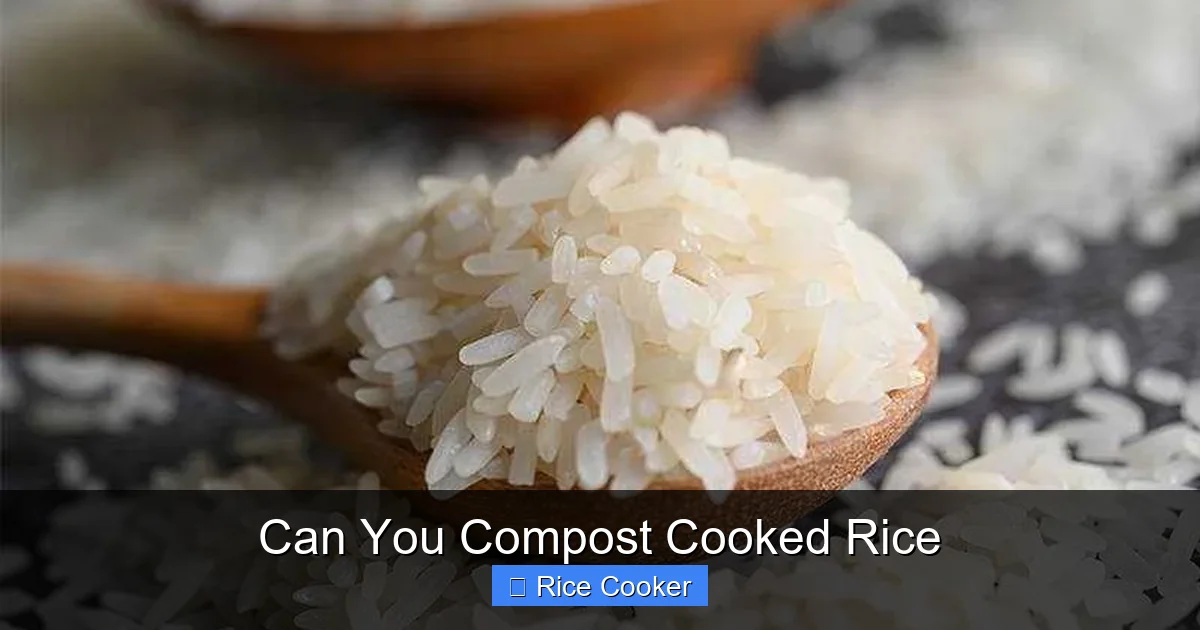
Visual guide about Can You Compost Cooked Rice
Image source: metrocookingdallas.com
This is a common point of confusion: can you compost raw rice? The answer is technically yes, but it’s not recommended for most home composters.
Raw rice is hard, dry, and resistant to breakdown. It can take months—or even years—to decompose completely. In a typical backyard compost pile, raw rice may remain recognizable long after other materials have turned to soil.
Additionally, raw rice can pose a risk. If exposed near the surface, it may attract rodents like mice or rats, especially if stored outdoors. These pests are drawn to the starchy material and could compromise the integrity of your compost system.
For these reasons, it’s best to avoid adding raw rice to your compost unless you have a large, hot, industrial-scale operation where decomposition happens quickly.
Best Practices for Adding Cooked Rice to Compost
To get the most out of composting cooked rice, follow these guidelines:
1. Use Only Fully Cooked Rice
Make sure the rice you’re composting has been cooked thoroughly. Leftovers from a rice cooker, stir-fry, or fried rice are all acceptable. Avoid adding rice that’s been sitting out at room temperature for more than a few hours unless you plan to bury it deep in the pile.
2. Chop It Into Small Pieces
Breaking rice into smaller bits increases the surface area, helping microbes access the material more efficiently. Simply fluff it with a fork before adding it to the compost bin.
3. Mix Well With Browns
Rice is considered a “green” material because it’s high in nitrogen. To balance your compost, combine it with “browns” like dried leaves, shredded newspaper, cardboard, or straw. Aim for a ratio of roughly 1 part green to 2 parts brown.
4. Bury It Deeply
Place rice at least 6–8 inches below the surface of your compost pile. This reduces the chance of attracting pests and helps control odor.
5. Maintain Proper Moisture and Aeration
Keep your compost moist but not soggy. Regular turning introduces oxygen, which speeds up decomposition and prevents anaerobic conditions that cause bad smells.
6. Monitor Temperature
A hot compost pile (between 130°F and 160°F) will break down rice faster. If your pile isn’t getting hot enough, try adding more greens, turning it more often, or increasing its size.
7. Avoid Adding Rice with Oil or Sauces
While plain cooked rice is fine, rice that’s been fried or seasoned with oil, butter, or heavy sauces should be composted cautiously. Oils can create anaerobic pockets and attract pests. If you must compost oily rice, limit the amount and mix it thoroughly with plenty of browns.
Common Mistakes When Composting Rice
Even experienced composters sometimes make mistakes with rice. Here are the most common pitfalls—and how to avoid them:
Mistake 1: Adding Too Much at Once
Piling on too much rice at once can create clumps and disrupt airflow. Spread it out evenly throughout your compost bin.
Mistake 2: Leaving Rice Exposed
If rice sits on top of the pile, it dries out quickly and may develop an unpleasant smell. Always bury food scraps, including rice.
Mistake 3: Using Rice from Takeout or Fried Dishes
Restaurant-style fried rice often contains oil, salt, and preservatives that aren’t ideal for compost. Stick to homemade meals when possible.
Mistake 4: Ignoring Rodent Control
While composting rice indoors (in a sealed bin) is generally safe, outdoor piles can attract pests. Use wire mesh covers and avoid meat, dairy, and oily foods altogether.
Mistake 5: Expecting Instant Results
Composting isn’t magic. Give your pile time. If rice remains in chunks after three months, continue turning and adding browns until it breaks down.
Using Composted Rice in Your Garden
Once your compost has fully matured, you’ll want to put it to good use. Finished compost enriched with rice makes excellent soil amendment. Here’s how to apply it:
For Flower Beds and Vegetable Gardens
Spread a 1- to 2-inch layer of compost over your planting areas and gently work it into the top few inches of soil. This improves drainage, boosts microbial activity, and provides steady nutrients.
In Container Gardens
Mix compost into potting soil before planting. A 20% compost-to-soil ratio works well for container vegetables, herbs, and flowers.
As Mulch
Lightly sprinkle compost around plant bases to retain moisture and suppress weeds. Avoid piling it directly against stems to prevent rot.
For Seed Starting
Blend compost with vermiculite or perlite to create a lightweight seed-starting mix. The gentle nutrients will support early root development.
Remember, compost isn’t fertilizer—it’s living soil. Over time, it builds long-term fertility rather than providing instant bursts of growth.
Alternatives to Traditional Composting
If you don’t have space for a compost pile, don’t worry! There are other ways to handle cooked rice sustainably:
Bokashi Bin
The Bokashi method uses fermentation to break down food waste, including rice. It’s anaerobic (no oxygen needed) and can handle meat and dairy. After two weeks, the fermented waste can be buried or added to compost.
Vermicomposting (Worm Farming)
Red wiggler worms can eat cooked rice, but only in small amounts. Too much can acidify the bin and harm the worms. Mix rice with bedding like coconut coir and add it gradually.
Compost Tea
After rice has broken down in compost, you can steep the liquid (compost tea) and use it as a foliar spray. This delivers nutrients directly to plant leaves.
Direct Soil Application (with Caution)
Small amounts of plain cooked rice can be buried directly in garden beds. Just make sure it’s mixed well and covered with soil to deter pests.
—
Frequently Asked Questions
Can you compost rice that’s been sitting out overnight?
Yes, but only if it’s plain and refrigerated promptly. Bacteria can grow quickly on warm, moist rice, so it’s best to compost it within 24 hours.
Should you rinse rice before composting?
No need to rinse. Any excess water will evaporate in the compost pile. Rinsing adds unnecessary moisture and waste.
Can you compost rice from fried dishes?
Plain fried rice is okay in moderation, but avoid dishes with oil-heavy sauces or excessive salt, which can harm compost microbes.
Will composted rice help my soil?
Absolutely. Rice adds carbon and improves soil structure, aeration, and water retention when fully decomposed.
Can I compost rice in a plastic bin?
Yes, especially indoor bins with tight lids. Make sure the bin allows airflow and isn’t too small, or decomposition will slow down.
Is raw rice better than cooked rice for composting?
Nope. Cooked rice breaks down faster and poses fewer pest risks. Raw rice is harder to decompose and may attract rodents.