
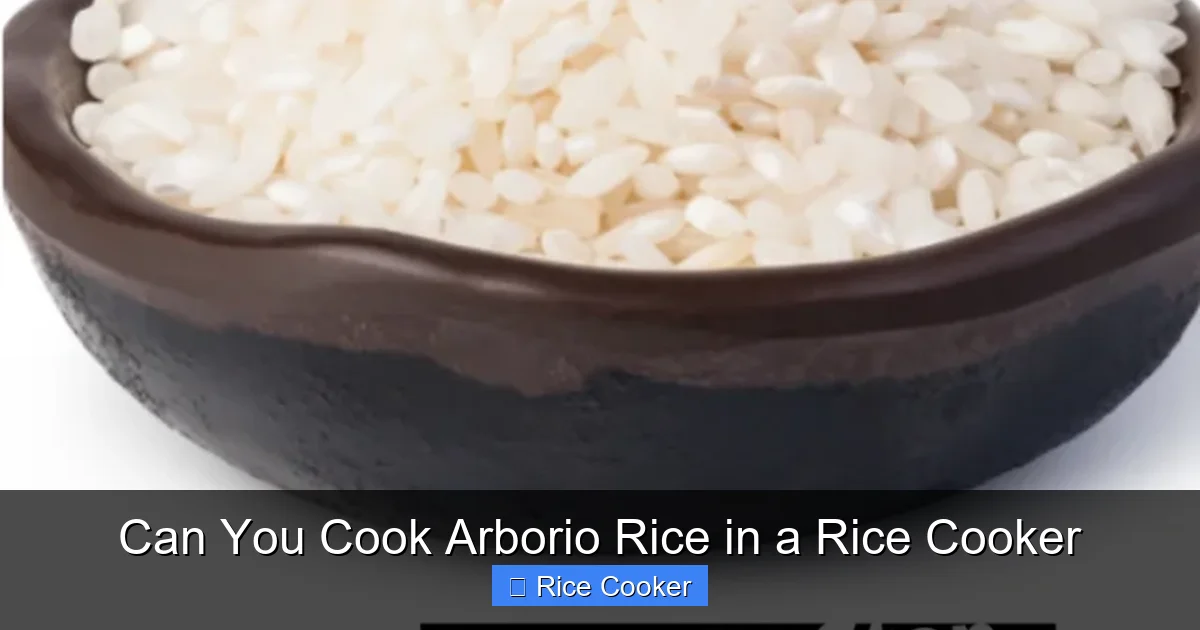
Arborio rice is not only compatible with rice cookers but often produces superior results compared to traditional stovetop methods. With the right water-to-rice ratio and settings, your rice cooker can create perfectly creamy risotto or fluffy grains in just one button press. This guide walks you through everything from preparation to serving, so you’ll never worry about overcooking or drying out your arborio again.
Key Takeaways
- Arborio rice works beautifully in most modern rice cookers—its high starch content responds well to the consistent heat and automated timing of these appliances.
- The ideal water-to-rice ratio is 2:1 (water to rice) for a creamier texture, though some prefer 1.75:1 for slightly firmer bites.
- Pre-soaking arborio rice for 15–30 minutes can reduce cooking time and improve tenderness without sacrificing creaminess.
- Use the “Risotto” or “Congee” setting if available, or default to “White Rice” mode for reliable outcomes.
- Seasoning and broth additions should be done after cooking, since rice cookers don’t allow for gradual stirring like on the stove.
- Cleaning is easy—just rinse the inner pot and wipe any residual sauce to maintain your cooker’s performance.
Quick Answers to Common Questions
Can I cook arborio rice in any rice cooker?
Most modern rice cookers can handle arborio rice, especially those with multiple settings like “Risotto” or “Congee.” Older models without fuzzy logic may require slight adjustments in water ratios.
Do I need to soak arborio rice before cooking?
Soaking isn’t mandatory but helps reduce cooking time and ensures more even tenderness. A 15–30 minute soak is recommended for best results.
What happens if I add too much water?
Excess liquid leads to a gummy, soupy texture. To salvage, transfer half the mixture to another container and reheat on stovetop with a lid removed to evaporate moisture.
Can I brown the onions in my rice cooker first?
Yes! Many rice cookers have a “Sauté” mode. Use it to soften onions and garlic before adding rice and liquid for deeper flavor.
Is leftover arborio rice good the next day?
Absolutely! Refrigerated risotto firms up nicely and develops richer flavors. Reheat gently with a splash of broth or milk to restore creaminess.
📑 Table of Contents
- Can You Cook Arborio Rice in a Rice Cooker?
- Understanding Arborio Rice and Its Unique Properties
- Choosing the Right Rice Cooker for Arborio Rice
- Step-by-Step Guide: How to Cook Arborio Rice in a Rice Cooker
- Flavor Enhancements and Creative Variations
- Comparing Rice Cooker vs. Stovetop Risotto
- Maintenance and Cleaning Tips
Can You Cook Arborio Rice in a Rice Cooker?
If you’ve ever stood over a simmering pot of risotto, stirring for what feels like an eternity, you’re probably wondering: Why am I doing this the hard way? The truth is, arborio rice—known for its ability to absorb liquid and release starches, creating that luxurious, creamy texture beloved in Italian cuisine—can actually be cooked efficiently in a rice cooker. Not only does it save time, but many home cooks find the results just as good, if not better, than traditional stovetop methods. In fact, using a rice cooker eliminates the risk of burning or undercooking, thanks to its precise temperature control and automatic shut-off feature.
Rice cookers were originally designed for short-grain varieties like sushi rice or jasmine, but they’re surprisingly versatile when it comes to other types of grains—including arborio. While purists might argue that risotto must be stirred constantly, modern rice cookers with specialized settings are closing the gap between convenience and authenticity. Whether you’re making mushroom risotto for dinner guests or whipping up a quick weeknight version with Parmesan and white wine, your rice cooker can handle it.
In this comprehensive guide, we’ll walk you through exactly how to cook arborio rice in a rice cooker, share pro tips for achieving restaurant-quality results at home, and explain why this method might become your new favorite kitchen hack. Let’s get started!
Understanding Arborio Rice and Its Unique Properties
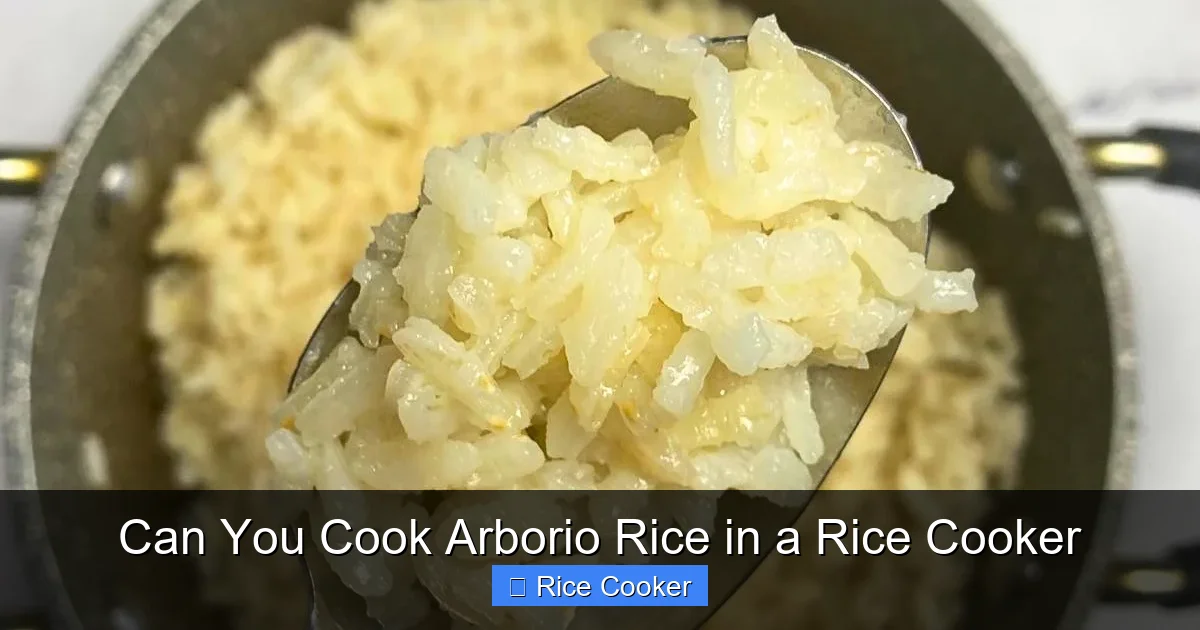
Before diving into cooking techniques, it’s important to understand what makes arborio rice special. Originating from Italy’s Piedmont region, arborio is a medium-grain rice known for its high amylopectin content—a type of starch that gives it exceptional stickiness and creaminess when cooked properly. Unlike long-grain rice that tends to stay separate and fluffy, arborio absorbs liquids slowly while releasing enough starch to coat each grain, resulting in a velvety mouthfeel perfect for risottos, rice puddings, and even paella-style dishes.
Visual guide about Can You Cook Arborio Rice in a Rice Cooker
Image source: theperfectrice.com
The Science Behind Creamy Risotto
When you cook arborio rice on the stovetop, constant stirring helps distribute heat evenly and encourages continuous starch release. But in a rice cooker, heat circulates more uniformly around the entire inner pot, meaning less manual intervention is needed. The key lies in the right balance of moisture and heat: too much water leads to mushiness; too little results in dry, chalky grains. That’s why precision matters—and why understanding your rice cooker’s behavior with different grains is essential.
Common Misconceptions About Rice Cookers
Many people assume rice cookers are only suited for basic white rice recipes. However, advanced models come equipped with multiple settings tailored to specific grain types. Some even have dedicated “risotto” modes that adjust timing and steam release for optimal texture. Even entry-level machines perform admirably with simple adjustments like soaking or altering the water ratio. So don’t let outdated assumptions hold you back—your rice cooker is likely more capable than you think.
Choosing the Right Rice Cooker for Arborio Rice
Not all rice cookers are created equal when it comes to handling sticky, starch-heavy grains like arborio. Here’s what to look for:
Visual guide about Can You Cook Arborio Rice in a Rice Cooker
Image source: wikihow.com
Fuzzy Logic vs. Microprocessor Technology
Modern rice cookers use either fuzzy logic or microprocessor technology to monitor internal temperature and adjust heating cycles accordingly. Fuzzy logic models learn from repeated use and adapt cooking patterns based on previous batches—making them ideal for experimenting with non-traditional grains. Microprocessor units follow fixed programs but offer greater accuracy in maintaining consistent temperatures throughout the cycle.
Non-Stick Inner Pot Quality Matters
A high-quality non-stick coating prevents arborio rice from clumping or sticking during cooking. Look for pots made with ceramic or titanium-infused surfaces, which resist scratches and provide even heat distribution. Avoid aluminum cores unless they’re fully encapsulated—exposed metal can react with acidic ingredients like tomatoes or lemon juice.
Capacity Considerations
Standard 6-cup (uncooked) rice cookers work well for 2–4 servings of risotto. Larger models (8+ cups) may struggle to cook smaller batches evenly due to heat dispersion issues. If you frequently prepare large quantities, consider investing in a multi-function cooker with adjustable heat zones or dual baskets.
Additional Features That Help
- Keep-Warm Function: Ensures your risotto stays warm without drying out.
- Delayed Start Timer: Perfect for meal prep—set it overnight and wake up to hot food.
- Steam Tray: Use it to cook vegetables simultaneously, reducing overall meal time.
- Sauté Mode: Allows browning of aromatics like onions before adding rice and liquid.
Step-by-Step Guide: How to Cook Arborio Rice in a Rice Cooker
Ready to try it yourself? Follow these simple steps for foolproof results every time.
Ingredients You’ll Need
- 1 cup uncooked arborio rice
- 2 cups water (or chicken/vegetable broth for extra flavor)
- Optional: salt, butter, olive oil
Preparation Tips
Start by rinsing the arborio rice under cold running water until the water runs clear. This removes excess surface starch and prevents overly sticky results. Then, soak the rinsed rice in water for 15–30 minutes. Soaking softens the grains slightly and reduces cooking time, leading to a more uniform texture.
Cooking Process
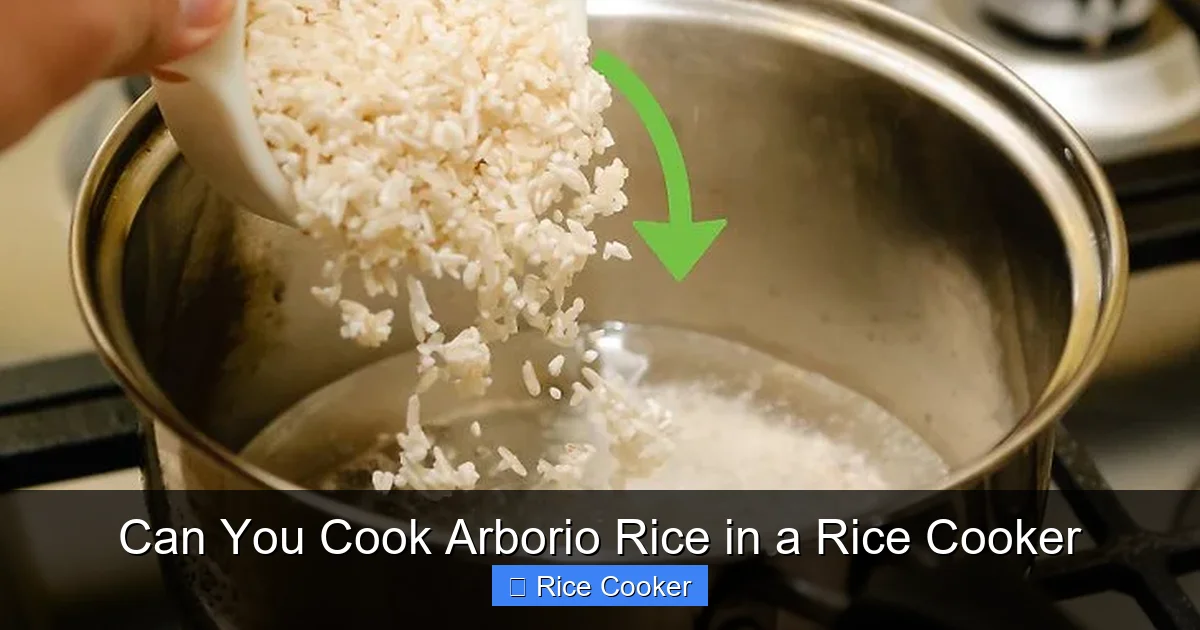
- Add Ingredients: Transfer soaked (or dry) rice to the inner pot of your rice cooker. Pour in the measured liquid—typically 2 parts liquid to 1 part rice for a creamier outcome.
- Season Lightly: Add a pinch of salt and a teaspoon of butter or olive oil for richness (optional).
- Select Setting: Choose “Risotto,” “Congee,” or “White Rice” mode. If unsure, default settings usually suffice.
- Press Start: Close the lid and let the machine do its magic. Total cycle time typically ranges from 25–35 minutes.
- Let It Rest: Once done, turn off the keep-warm function and let the rice sit covered for 5–10 minutes. This allows residual steam to finish cooking any stubborn grains.
Troubleshooting Common Issues
- Gummy Texture: Caused by too much water or insufficient rinsing. Next time, reduce liquid by ¼ cup and rinse longer.
- Dry or Undercooked Grains: Increase water slightly or extend cooking time by 5 minutes next batch.
- Burnt Bottom Layer: Ensure the inner pot isn’t warped or damaged. Clean it thoroughly before reuse.
Flavor Enhancements and Creative Variations
Cooking arborio rice in a rice cooker doesn’t mean sacrificing creativity. Since you can’t stir gradually like on the stove, build layers of flavor beforehand or incorporate them afterward.
Infusing Broth for Depth
Instead of plain water, use aromatic broths. Simmer onion, garlic, bay leaf, and herbs in chicken or vegetable stock for 20 minutes before adding rice. Strain the solids out after cooking for a clean, savory base.
Add-ins After Cooking
This is where rice cookers shine! Once your arborio is tender and creamy, fold in:
– Sautéed mushrooms or wild mushrooms
– Shaved Parmesan and a knob of butter
– Toasted pine nuts or sunflower seeds
– Fresh thyme or rosemary leaves
– White wine reduction for tanginess
Stir gently to avoid breaking the grains.
Vegan and Gluten-Free Options
Replace dairy with cashew cream or coconut milk. For gluten-free versions, ensure all broths and seasonings are certified GF. Nutritional yeast adds a cheesy note without animal products.
Comparing Rice Cooker vs. Stovetop Risotto
Both methods yield delicious results, but they cater to different lifestyles and preferences.
| Method | Pros | Cons |
|---|---|---|
| Rice Cooker | Hands-off, consistent results, less cleanup | Limited browning capability, fewer customization options mid-cycle |
| Stovetop | Full control over texture, better caramelization | Requires constant attention, higher chance of burning |
If you value convenience and consistency, the rice cooker wins. If you enjoy the ritual of stirring and love developing deep flavors through deglazing, stick with the stove.
Maintenance and Cleaning Tips
After enjoying your perfect risotto, proper care keeps your rice cooker performing optimally.
Daily Care
- Rinse the inner pot immediately after use to prevent dried-on residue.
- Wipe the exterior with a damp cloth—avoid submerging electrical components.
- Check the sealing ring regularly; replace if cracked or deformed.
Deep Cleaning
For stubborn stains or odors:
– Fill the pot halfway with warm water and dish soap.
– Run a short cycle without rice.
– Scrub gently with a soft sponge—never metal scouring pads.
– Air-dry completely before storing.
Storage Recommendations
Store the rice cooker in a cool, dry place. Remove the inner pot and seal to prevent mold growth in humid climates.
Frequently Asked Questions
Should I rinse arborio rice before cooking?
Yes, rinsing removes excess starch and prevents overly sticky results. Rinse under cold water until the runoff appears clear.
How much liquid do I need per cup of arborio rice?
A 2:1 ratio (2 cups liquid per 1 cup rice) yields a creamier texture suitable for risotto. Reduce to 1.75:1 if you prefer firmer grains.
Can I make risotto without butter or cheese?
Of course! Vegan versions work well with coconut oil, cashew cream, or nutritional yeast for umami depth.
Why is my rice cooker risotto still crunchy?
This usually indicates insufficient liquid or a faulty unit. Try increasing water by ¼ cup next time or test your cooker with plain white rice first.
Can I cook other types of rice in the same pot?
It’s possible but not recommended unless your model has a dedicated steamer basket. Cross-contamination of flavors and textures may occur.
How long does cooked arborio rice last in the fridge?
Properly stored in an airtight container, cooked arborio lasts 3–4 days. Freeze portions for up to 2 months—reheat with added liquid.