
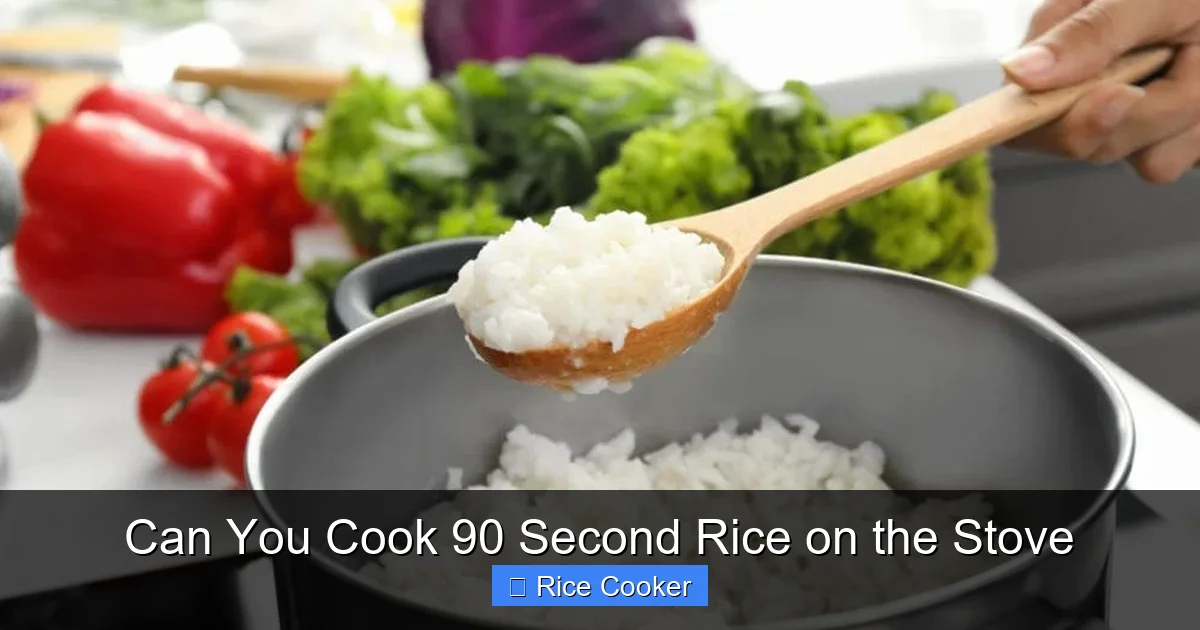
Yes, you can cook 90 second rice on the stove, but it requires more effort and attention than using a microwave. While the quick-cooking nature of 90 second rice is designed for convenience, stovetop cooking offers better control over texture and flavor. With the right technique, you can achieve fluffy, evenly cooked rice without sacrificing quality.
Key Takeaways
- 90 second rice is engineered for microwave use: These products are formulated to absorb moisture and cook quickly when heated in a microwave, which doesn’t translate directly to stovetop methods.
- Stovetop cooking changes texture and timing: Without a microwave’s direct heat and steam, rice may dry out or stick unless properly managed with water and heat adjustments.
- Water ratio is critical: Using more water and adjusting cooking times can help compensate for the lack of microwave efficiency.
- Simmering method works best: A gentle simmer with a tight-fitting lid helps retain steam and moisture, mimicking microwave results.
- Pre-soaking isn’t necessary: Unlike traditional rice, 90 second varieties don’t require soaking before cooking, saving time and effort.
- Alternative cooking tools: Rice cookers, Instant Pots, or even Dutch ovens can offer reliable stovetop alternatives with consistent results.
- Experimentation leads to success: Every stovetop setup is different—fine-tuning water and heat levels ensures perfect rice every time.
📑 Table of Contents
- Can You Cook 90 Second Rice on the Stove?
- Understanding 90 Second Rice: How It Works
- Cooking 90 Second Rice on the Stove: The Basics
- Tips for Perfect Stovetop 90 Second Rice
- Alternative Methods for Stovetop Cooking
- Common Mistakes to Avoid
- How Does Stovetop Cooking Compare to Microwave?
- Best Brands and Varieties to Try
- Frequently Asked Questions About Cooking 90 Second Rice on the Stove
- Final Thoughts: Is It Worth the Effort?
Can You Cook 90 Second Rice on the Stove?
Have you ever opened a box of 90 second rice with the intention of whipping up a quick side dish, only to realize you don’t have a microwave at hand? Whether you’re in a dorm room, camping, or just forgot to plug in your microwave, the question arises: Can you cook 90 second rice on the stove?
This popular instant rice product—originally designed to cook in under two minutes using microwave technology—has become a staple in many households for its speed and convenience. But what happens when you swap the microwave for a stovetop burner? Can you still get that same fluffy, tender result, or does the magic disappear when you try to replicate it on the stove?
In this guide, we’ll dive deep into everything you need to know about cooking 90 second rice on the stovetop. From understanding how these products work to practical tips for achieving great results, we’ll walk you through every step. By the end, you’ll not only know whether it’s possible—but how to do it right.
Understanding 90 Second Rice: How It Works
The Science Behind Quick-Cooking Rice
Before we explore stovetop techniques, it’s important to understand why 90 second rice cooks so fast—and why that matters when switching cooking methods. These products are engineered with a unique formulation that allows them to absorb water rapidly and cook quickly when exposed to high heat in a microwave.

Visual guide about Can You Cook 90 Second Rice on the Stove
Image source: cookingtipsblog.com
The secret lies in the way the rice is processed. Many 90 second rice varieties undergo a process called partial gelatinization, where starch molecules are partially broken down. This makes the rice more receptive to moisture and heat, allowing it to soften and cook in seconds when microwaved.
Additionally, these products often include seasonings or pre-mixed ingredients, which are typically added after cooking in the microwave. This means the flavor profile is designed to be enjoyed post-heating, not during.
Why Microwave Cooking Is Special
A microwave heats food by agitating water molecules, creating friction and generating heat from within. This direct, uniform heating is key to cooking 90 second rice quickly and evenly. When you place the package in the microwave, the combination of steam and rapid internal heating softens the grains in under a minute.
On the stovetop, however, heat transfer happens through conduction and convection—meaning the pan heats the rice from the outside in. This slower process can lead to uneven cooking, with some grains drying out while others remain undercooked. That’s why simply boiling the rice like regular white rice often leads to disappointing results.
Cooking 90 Second Rice on the Stove: The Basics
Is It Possible? Yes—But With Caveats
Absolutely, you can cook 90 second rice on the stove. However, it won’t be as simple as popping it in the microwave and walking away. The stovetop demands attention, proper water ratios, and a few adjustments to mimic the microwave’s efficiency.
The main challenge is that stovetop cooking doesn’t generate the same level of internal steam and rapid moisture absorption. Without that, the rice can dry out, stick to the pan, or cook unevenly. But with the right method, you can still achieve a tasty, fluffy result.
What You’ll Need
- A medium-sized saucepan with a tight-fitting lid
- Water (usually 1.5 to 2 cups per serving)
- A fork or rice paddle for stirring
- A timer (your phone works fine!)
- Optional: A splash of oil or butter for extra fluffiness
Step-by-Step Stovetop Method
Here’s a reliable approach to cooking 90 second rice on the stove:
- Measure Water: For one serving of 90 second rice, use 1.75 cups of water. Adjust slightly based on your preferred texture—more water yields softer rice.
- Bring Water to a Boil: Pour the water into your saucepan and bring it to a rolling boil over high heat.
- Add Rice: Once boiling, stir in the rice. Reduce heat to medium-low to maintain a gentle simmer.
- Cover and Simmer: Cover the pot with a tight-fitting lid. Let it simmer for 8–10 minutes, checking occasionally to prevent sticking.
- Fluff and Rest: Turn off the heat and let the rice sit, covered, for 2–3 minutes. Then fluff gently with a fork.
- Add Flavor (Optional): Stir in any included seasonings, butter, or herbs for extra taste.
This method mimics the steam retention of microwave cooking while ensuring even heat distribution.
Tips for Perfect Stovetop 90 Second Rice
Use a Lid—It Makes All the Difference
One of the biggest advantages of microwave cooking is the sealed environment that traps steam. On the stovetop, you need to replicate that. A tightly sealed lid helps keep moisture inside, preventing the rice from drying out.
If you don’t have a lid that fits snugly, try placing a folded kitchen towel over the pan before closing the lid. This adds an extra layer of insulation and helps retain steam.
Don’t Overcrowd the Pot
Just like with other types of rice, using too much rice in one pot can lead to uneven cooking. Stick to no more than 1–2 servings at a time for the best results.
Adjust Heat Gently
High heat can cause the bottom layer of rice to scorch or stick. Keep the heat low enough to maintain a steady simmer—like a light rolling boil, but not so strong that it bubbles violently.
Try a Double Boiler Approach
If you’re worried about burning the rice, consider using a double boiler. Place your saucepan inside a larger pot filled with a couple inches of water. This indirect heat method provides gentler, more even cooking.
Season After Cooking
Most 90 second rice packages come with seasoning packets. These are best added after** cooking, as their flavors develop during the microwave process. Toss them in once the rice is done and let them dissolve into the warm grains.
Alternative Methods for Stovetop Cooking
Using a Rice Cooker
If you own a rice cooker, this is perhaps the easiest way to cook 90 second rice on the stove. Most rice cookers function as electric appliances, but some models can be used on induction or ceramic stovetops. Check your manual for compatibility.
Simply add the recommended water and rice, close the lid, and set the timer. The rice cooker will handle the rest, delivering consistent, fluffy results every time.
The Instant Pot Method
An Instant Pot or multi-cooker offers another excellent alternative. Set it to “Steam” mode for 5–7 minutes, then let it naturally release pressure. This method closely mimics microwave cooking by using steam and controlled heat.
You can also use the “Manual” or “Pressure Cook” setting on low for 4–5 minutes. Just remember to vent any excess steam carefully.
Dutch Oven for Maximum Steam Control
For serious home cooks, a heavy-bottomed Dutch oven with a tight-fitting lid provides superior heat retention and steam control. This setup is ideal for large batches and gives you the closest approximation to microwave perfection.
Common Mistakes to Avoid
Skipping the Lid
Without a lid, most of the steam escapes, turning your rice into a dry, crumbly mess. Always cover your pot during cooking.
Using Too Little Water
Microwave cooking absorbs moisture quickly, but stovetop evaporation is slower. Underwatering leads to sticky, hard rice. Stick to the recommended ratios and adjust only if needed.
Overstirring
Stirring too often breaks apart the grains and releases starch, making the rice gummy. Stir only once at the beginning and occasionally during simmering.
Ignoring the Resting Time
Letting the rice sit after cooking allows steam to finish the process and distributes moisture evenly. Skipping this step results in inconsistent texture.
Adding Seasonings Too Early
Many seasoning blends contain salt, spices, or powdered ingredients that can clump or burn if added while hot. Always wait until the rice is done.
How Does Stovetop Cooking Compare to Microwave?
Texture and Fluffiness
Microwave cooking tends to produce uniformly soft, fluffy rice in under a minute. Stovetop methods take longer but can yield similar results with proper technique. The main difference is that stovetop rice may have a slightly firmer bite, depending on water and heat levels.
Time Efficiency
While 90 second rice lives up to its name in the microwave, stovetop cooking usually takes 10–12 minutes. This isn’t a dealbreaker for most, but it’s worth noting if you’re in a hurry.
Flavor Development
Some chefs argue that stovetop cooking allows for subtle flavor development, especially if you sauté aromatics first. However, 90 second rice is designed for quick prep, so flavor comes mostly from seasonings added at the end.
Convenience Factor
Microwave cooking wins hands-down for convenience. If you’re always on the go or in a space without a stove, microwave use is unbeatable. But for occasional stovetop use, the difference is minimal with practice.
Best Brands and Varieties to Try
Birds Eye Steamfresh
This brand offers a range of 90 second rice options, including seasoned varieties and plain white rice. Their products are widely available and perform well on both microwave and stovetop.
Goya Yellow Rice
Goya’s yellow rice is a favorite among Latin American cuisine lovers. It’s packed with flavor from turmeric and other spices, though it’s best to follow package directions for seasoning use.
Great Value (Walmart Brand)
Affordable and consistent, Walmart’s Great Value brand offers basic 90 second rice that works well with stovetop methods. Great for budget-conscious cooks.
Ronzoni and Mahatma
These brands focus on traditional rice blends and are known for reliable texture and taste. Some varieties may require slight adjustments in water ratios when cooking on the stove.
Frequently Asked Questions About Cooking 90 Second Rice on the Stove
How much water should I use for stovetop 90 second rice?
Use 1.5 to 2 cups of water per 1 cup of rice. Start with 1.75 cups and adjust based on your desired consistency. More water = softer rice.
Can I reuse leftover 90 second rice?
Yes, but store it in an airtight container in the fridge for up to 3 days. Reheat gently on the stovetop with a splash of water to restore moisture.
Do I need to rinse 90 second rice before cooking?
No rinsing is required. These products are pre-cooked and ready to heat, unlike long-grain brown rice that benefits from rinsing.
Can I cook multiple servings at once?
Yes, but use a larger pot and increase water proportionally. Avoid overfilling—rice expands as it cooks.
Why is my stovetop rice sticky?
Sticky rice usually means too little water or too high heat. Use more liquid and maintain a gentle simmer with a lid on.
Can I freeze cooked 90 second rice?
Absolutely. Portion it into containers or freezer bags and freeze for up to 2 months. Thaw in the microwave or reheat on the stove.
Final Thoughts: Is It Worth the Effort?
So, can you cook 90 second rice on the stove? Yes, absolutely. While it’s not as fast or foolproof as the microwave, it’s entirely doable with a little patience and the right technique. The key is understanding how these products work and adapting your method accordingly.
If you’re someone who enjoys the flexibility of not being tied to a microwave, or you simply want to expand your cooking options, learning how to cook 90 second rice on the stove is a valuable skill. It empowers you to enjoy quick, delicious sides no matter where you are or what appliances you have access to.
And here’s the good news: with practice, you’ll find your rhythm. Soon, you’ll be able to whip up a perfectly cooked side dish in under 15 minutes—no microwave required. So next time you’re craving that quick, fluffy rice, don’t panic. Grab your pot, add some water, and get cooking.
Your taste buds (and your schedule) will thank you.
Frequently Asked Questions
How much water should I use for stovetop 90 second rice?
Use 1.5 to 2 cups of water per 1 cup of rice. Start with 1.75 cups and adjust based on your desired consistency. More water = softer rice.
Can I reuse leftover 90 second rice?
Yes, but store it in an airtight container in the fridge for up to 3 days. Reheat gently on the stovetop with a splash of water to restore moisture.
Do I need to rinse 90 second rice before cooking?
No rinsing is required. These products are pre-cooked and ready to heat, unlike long-grain brown rice that benefits from rinsing.
Can I cook multiple servings at once?
Yes, but use a larger pot and increase water proportionally. Avoid overfilling—rice expands as it cooks.
Why is my stovetop rice sticky?
Sticky rice usually means too little water or too high heat. Use more liquid and maintain a gentle simmer with a lid on.
Can I freeze cooked 90 second rice?
Absolutely. Portion it into containers or freezer bags and freeze for up to 2 months. Thaw in the microwave or reheat on the stove.