
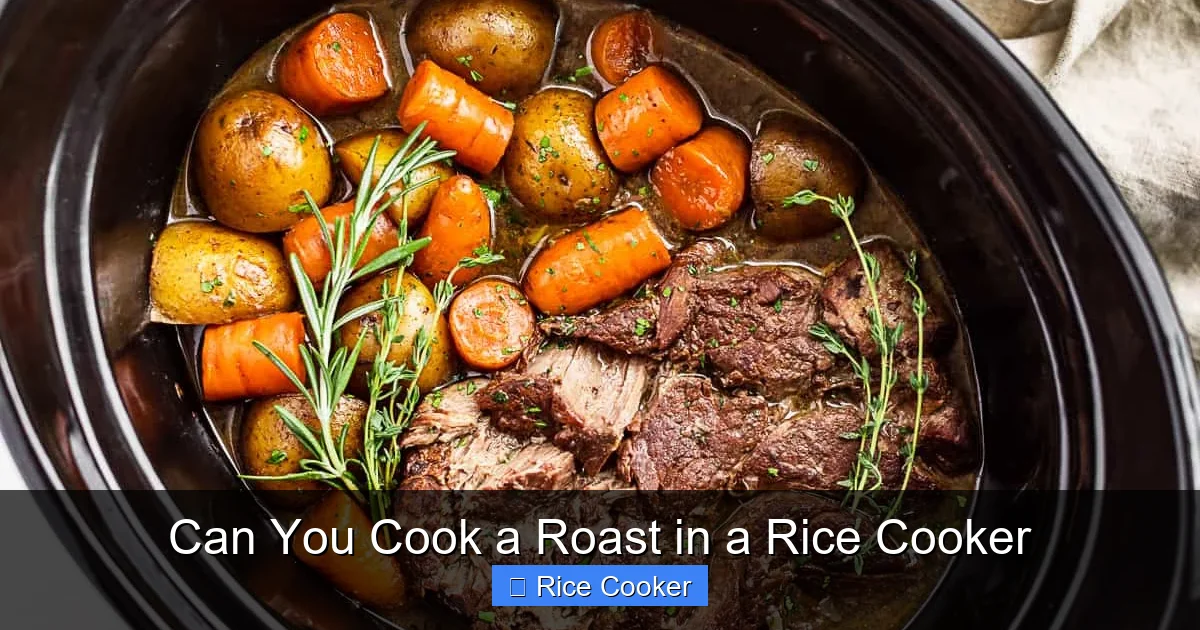
Can you cook a roast in a rice cooker? Absolutely—yes, and it’s easier than you think. With the right prep and technique, your rice cooker can produce a flavorful, fall-apart-tender roast that rivals oven-baked meals. This method saves time, energy, and cleanup, making it ideal for busy weeknights or meal prepping.
Have you ever stared at your full oven and thought, “There’s no way I’m turning that on tonight”? Or maybe you just want something hearty and comforting without the hassle of monitoring a roast for hours? Well, here’s a secret: you might already have the perfect tool for the job—your rice cooker. Yes, that humble countertop appliance you use to make fluffy white rice can actually do so much more. One surprising trick? Cooking a delicious, tender roast from start to finish.
Now, before we dive into recipes and step-by-step guides, let’s clear up one common misconception: a rice cooker isn’t an oven substitute in the traditional sense. It doesn’t dry-heat or brown like conventional ovens do. Instead, it uses steam and simmering liquids to gently coax moisture and flavor out of tough cuts of meat. But when used correctly, this method yields incredibly juicy, flavorful results—especially for roasts like chuck or round, which benefit from slow, moist cooking.
In this comprehensive guide, we’ll walk you through everything you need to know about cooking a roast in a rice cooker, from selecting the right cut to serving it with sides. Whether you’re new to rice cooker hacks or a seasoned pro looking for fresh ideas, you’ll find practical tips, foolproof techniques, and mouthwatering examples below.
Key Takeaways
- Rice cookers can cook roasts: Modern rice cookers are versatile appliances capable of steaming, simmering, and even braising, making them suitable for cooking whole cuts like chuck roast, brisket, or pot roast.
- Moist-heat cooking works best: Since rice cookers rely on steam and water-based heat, moist-heat methods like braising or stewing are most effective for tenderizing tougher cuts.
- Pre-searing adds flavor: While not required, lightly browning the roast before adding it to the cooker enhances depth of flavor through the Maillard reaction.
- Seasoning matters: Use bold seasonings, aromatics (onions, garlic, herbs), and a splash of liquid (broth, wine, or water) to build rich flavor without overpowering the meat.
- Timing is key: Cooking times vary by cut and size—typically 1–3 hours on the “cook” or “slow cook” setting, depending on thickness and tenderness needed.
- Resting ensures juiciness: Let the roast rest for 10–15 minutes after cooking to redistribute juices and achieve optimal texture.
- Cleanup is minimal: Most rice cookers come with non-stick inner pots that make cleaning quick and easy, especially when lined with foil or parchment.
📑 Table of Contents
Understanding How Rice Cookers Work
Before jumping into cooking a roast, it helps to understand what makes your rice cooker tick. Unlike stovetop pots or ovens, most rice cookers operate using a combination of heat, water, and pressure (in pressure cooker models) or consistent simmering (in standard electric rice cookers). They’re designed to maintain steady temperatures—usually around 185°F to 212°F (85°C to 100°C)—depending on the setting.
When you cook rice, the appliance heats water until it evaporates into steam, which then cooks the grains evenly. For roasting, we reverse engineer this process: instead of letting the steam cook the outside while the inside stays raw, we surround the meat with liquid and indirect heat to cook it thoroughly from all sides. Think of it like a gentle stew or braise—just contained within your rice cooker’s inner pot.
The Science Behind Moist Heat Cooking
Tough cuts of beef—like chuck roast or brisket—contain lots of connective tissue made of collagen. When heated slowly in liquid, this collagen breaks down into gelatin, resulting in melt-in-your-mouth tenderness. That’s exactly what happens when you cook a roast in a rice cooker. The constant, low-to-medium heat keeps the meat submerged in its own juices (plus added liquids), preventing drying out while breaking down fibers over time.
This is why pot roast and braised short ribs shine in this method: they’re cut from parts of the animal built for long, slow cooking. And guess what? Your rice cooker is basically a personal sous-vide machine for stews!
Choosing the Right Roast for Your Rice Cooker
Visual guide about Can You Cook a Roast in a Rice Cooker
Image source: electric-pressure-cooker-guru.com
Not every cut will work equally well in a rice cooker. Here’s how to pick the best ones:
Best Cuts for Rice Cooker Roasting
- Chuck Roast: Affordable, flavorful, and packed with connective tissue—perfect for slow cooking.
- Bottom Round: Leaner but still tenderizes nicely when cooked low and slow.
- Flank Steak (cut thick): Can work if marinated well and cooked just until fork-tender.
- Beef Brisket (small portions): Great for shredded dishes like pulled beef tacos.
Avoid very lean cuts like sirloin or tenderloin—they can become rubbery when cooked this way. Also, choose roasts with some fat marbling; it adds richness and prevents dryness during extended cooking.
What About Pork or Lamb?
Absolutely! You can absolutely cook pork shoulder or lamb shanks in a rice cooker too. Just adjust seasonings accordingly—think smoked paprika and thyme for pork, rosemary and garlic for lamb. The principle remains the same: submerge in flavorful liquid and let the appliance do the work.
Step-by-Step Guide: How to Cook a Roast in a Rice Cooker
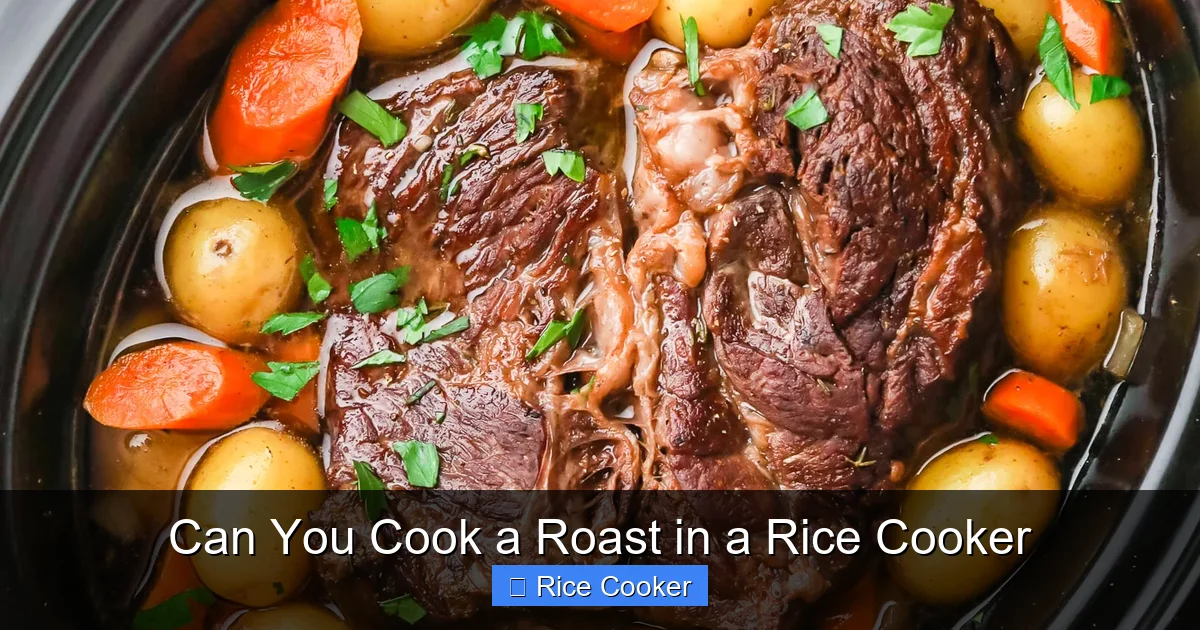
Visual guide about Can You Cook a Roast in a Rice Cooker
Image source: herwholesomekitchen.com
Ready to try it yourself? Follow these simple steps for foolproof results:
1. Prep Your Roast
Pat the roast dry with paper towels. Season generously with salt, pepper, and any dry rubs or marinades you like. Let it sit at room temperature for 30 minutes—this helps even cooking.
2. Sear (Optional but Recommended)
Heat oil in a skillet over medium-high heat. Sear all sides of the roast for 2–3 minutes per side until golden brown. This builds layers of flavor through the Maillard reaction. If skipping searing, expect slightly milder taste—but don’t worry, the liquid will still infuse plenty of savoriness.
3. Layer Flavor Base
Place chopped onions, carrots, celery, garlic cloves, bay leaves, and fresh herbs (like thyme or rosemary) at the bottom of your rice cooker pot. Pour in 1–2 cups of liquid—beef broth, red wine, or even water work great.
4. Add the Roast and Liquid
Set the roast on top of the vegetables. Pour enough liquid to cover about halfway up the sides of the meat. Don’t overfill—the rice cooker needs space to circulate steam.
5. Cook on “Cook” or “Slow Cook” Setting
Close the lid and select the appropriate setting. For most roasts, cook for 1.5 to 3 hours. Check internal temperature with a meat thermometer—you’re aiming for 190°F to 203°F (88°C to 95°C) for fork-tender texture.
6. Rest and Serve
Once done, transfer the roast to a cutting board and let it rest for 10–15 minutes. Then slice against the grain and serve with pan juices as gravy.
Tips for Perfect Rice Cooker Roasts
Want consistent, restaurant-quality results every time? Try these pro tips:
Use the Right Size Pot
Make sure your roast fits comfortably with room for vegetables and liquid. Overcrowding leads to uneven cooking.
Add Acid Late
If using tomatoes or acidic ingredients (vinegar, lemon juice), add them in the last 30 minutes to prevent toughening the meat.
Skim Fat After Cooking
Once cooled slightly, skim excess fat from the surface of the cooking liquid for lighter gravies or sauces.
Double Down on Herbs
Fresh herbs lose potency over long cook times, but dried ones hold up better. Combine both for layered flavor.
Don’t Open the Lid Frequently
Each time you lift the lid, heat escapes and cooking slows down. Only peek when necessary.
Repurpose Leftovers Creatively
Shred leftover roast for sandwiches, tacos, or hash bowls. The tender texture holds up beautifully.
Creative Variations & Recipe Ideas
The beauty of rice cooker roasting is its adaptability. Here are three crowd-pleasing variations:
Classic Beef Pot Roast
Use chuck roast with red wine, pearl onions, baby potatoes, and carrots. Serve with mashed potatoes and green beans.
Creamy Mushroom Roast
Swap broth for heavy cream and add sliced mushrooms. Finish with a sprinkle of parsley for elegance.
Spicy Korean-Style Braised Short Ribs
Marinate short ribs in gochujang, soy sauce, garlic, and sesame oil before cooking. Pair with steamed rice and kimchi.
No matter your preference—comfort food, global flavors, or dietary restrictions—there’s a roast recipe waiting for you in your rice cooker.
Common Mistakes to Avoid
Even experienced cooks slip up sometimes. Watch out for these pitfalls:
Using Too Little Liquid
Underfilling causes scorching and incomplete cooking. Always ensure liquid reaches at least halfway up the roast.
Overcrowding the Pot
Too many ingredients block steam flow and create hot spots. Stick to one main protein plus 2–3 veggies max.
Skipping the Resting Period
Cutting into hot meat squeezes out precious juices. Patience pays off!
Ignoring Internal Temperature
Visual cues aren’t always reliable. Use a digital thermometer for accuracy.
Sticking to High Heat Settings
Rice cookers don’t have “high” heat like ovens. Rely on their programmed cycles instead.
By avoiding these errors, you’ll maximize flavor, texture, and safety every single time.
Cleaning & Maintenance Tips
After enjoying your homemade roast, clean your rice cooker promptly. Most inner pots are dishwasher-safe (check manufacturer instructions first). For stuck-on bits, soak in warm soapy water before scrubbing gently with a nylon brush. Never immerse the base or cord in water.
Regular maintenance extends your appliance’s lifespan and ensures reliable performance. A well-cared-for rice cooker can handle years of rice, stews, and yes—roasts.
Frequently Asked Questions
Is it safe to cook meat in a rice cooker?
Yes, it’s completely safe as long as the meat reaches a minimum internal temperature of 165°F (74°C) for poultry or 145°F (63°C) for beef, followed by a 3-minute rest. Rice cookers maintain consistent temperatures that support safe cooking.
How long does it take to cook a roast in a rice cooker?
Cooking time varies by cut and size—typically 1.5 to 3 hours on the “cook” setting. Thicker roasts may require longer, while smaller cuts cook faster. Always check doneness with a meat thermometer.
Do I need to sear the roast before cooking?
Searing is optional but recommended for enhanced flavor through the Maillard reaction. If skipped, the roast will still be tender, though the crust won’t develop as deeply.
Can I cook a whole bone-in roast?
Yes, bone-in roasts work well since the bone adds moisture and flavor during cooking. Just ensure the entire surface has access to liquid and heat.
What if my rice cooker doesn’t have a “slow cook” setting?
Most standard rice cookers default to a “cook” cycle that maintains simmering temperatures. If yours lacks advanced settings, simply follow the same liquid-based method—it will still yield tender results.
Can I reheat leftovers in the rice cooker?
While possible, reheating isn’t ideal since rice cookers aren’t designed for rapid heating. Use a microwave or stovetop instead to preserve texture and avoid bacterial growth.