
Yes, you can cook amaranth in a rice cooker—it’s simple, healthy, and yields perfectly fluffy grains every time. Amaranth is a nutrient-rich, gluten-free ancient grain that cooks quickly and pairs well with vegetables, meats, or spices. Using a rice cooker makes preparation hands-off and consistent, even for beginners. With the right water ratio and timing, you’ll have tender, golden grains ready in under 30 minutes. Whether you’re meal prepping or cooking dinner on a busy night, this method saves time without sacrificing flavor or nutrition.
Key Takeaways
- Yes, amaranth cooks perfectly in a rice cooker. The appliance handles the precise water-to-grain ratio and timing needed for ideal texture.
- Amaranth is gluten-free and highly nutritious. It’s rich in protein, fiber, iron, magnesium, and antioxidants—making it a superfood powerhouse.
- Cooking time is fast—usually 15–25 minutes. Most rice cookers have a dedicated setting or can be used with the standard white rice function.
- Use a 2:1 water-to-grain ratio for best results. This ensures fluffy, non-sticky grains without being mushy.
- Rinse before cooking to remove excess saponins. This reduces bitterness and improves taste.
- Try adding flavor during or after cooking. Stir in herbs, spices, cheese, or broth for extra taste.
- Store leftovers properly for up to 5 days. Reheat with a splash of water to restore moisture.
📑 Table of Contents
- Introduction: Why Cook Amaranth in a Rice Cooker?
- What Is Amaranth and Why Should You Care?
- Choosing the Right Type of Amaranth
- Do You Need a Special Setting?
- Step-by-Step Guide: Cooking Amaranth in a Rice Cooker
- Tips for Perfect Amaranth Every Time
- Creative Ways to Use Cooked Amaranth
- Health Benefits of Amaranth
- Comparing Rice Cooker vs. Stovetop Methods
- Storing and Reheating Leftovers
- Conclusion: Easy, Nutritious, and Delicious
Introduction: Why Cook Amaranth in a Rice Cooker?
Have you ever heard of amaranth? If not, you’re in for a treat. This tiny, golden-hued grain has been around for over 8,000 years and was once a staple of the Aztec and Inca civilizations. Today, it’s making a comeback as people discover its incredible nutritional benefits and versatility in the kitchen. But here’s the real question: Can you cook amaranth in a rice cooker? Absolutely! In fact, using a rice cooker might just be the easiest way to prepare this superfood.
Why choose a rice cooker? Because it takes the guesswork out of cooking grains. No more watching the pot, stirring constantly, or worrying about burning. A good rice cooker does all the work automatically, delivering consistent, fluffy results every time. And when you use it for amaranth—a grain that requires careful water ratios and timing—you get perfect results with minimal effort.
In this article, we’ll walk you through everything you need to know about cooking amaranth in a rice cooker. From choosing the right type of amaranth, to measuring ingredients, setting your machine, and serving suggestions. We’ll also share pro tips, troubleshooting advice, and creative ways to enjoy your cooked amaranth. So grab your rice cooker, and let’s get started!
What Is Amaranth and Why Should You Care?
Visual guide about Can You Cook Amaranth in a Rice Cooker
Image source: butterypan.com
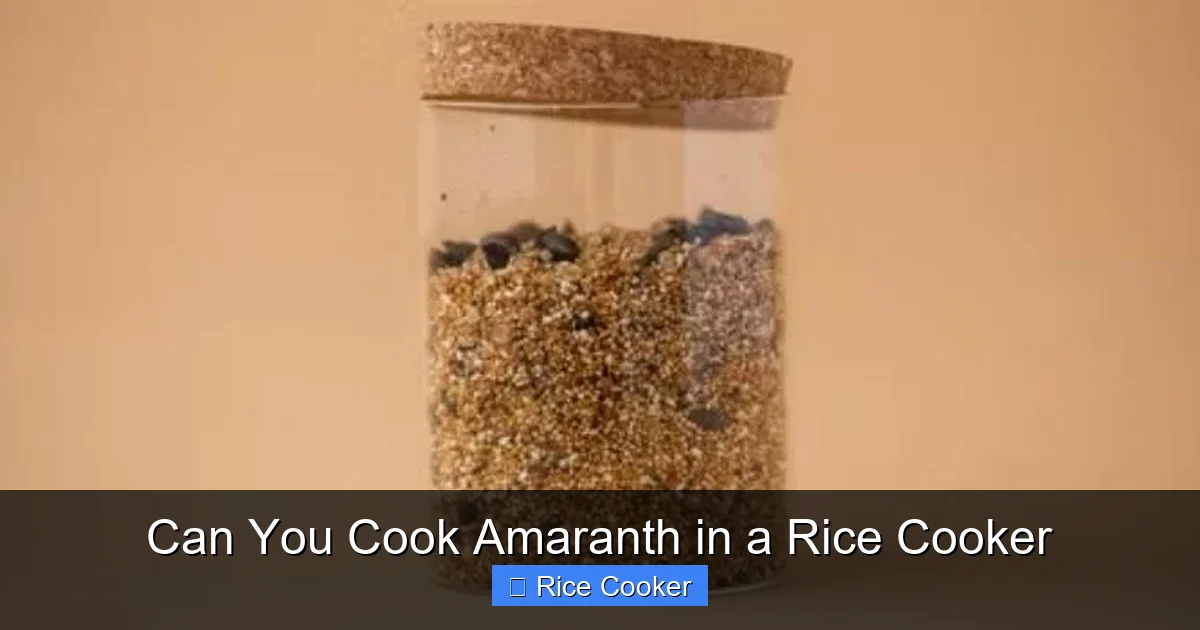
Amaranth isn’t just another grain. It’s an ancient pseudocereal packed with nutrients. Unlike true cereals like wheat or rice, amaranth belongs to the Amaranthus genus and is naturally gluten-free. That makes it a great option for people with celiac disease or anyone looking to reduce gluten intake.
One cup of cooked amaranth delivers about 8 grams of protein and 5 grams of fiber—more than most other grains. It’s also rich in essential minerals like iron, magnesium, phosphorus, and potassium. Plus, it contains lysine, an amino acid often missing in plant-based diets. All these qualities make amaranth a true nutritional powerhouse.
But beyond health, there’s flavor. Amaranth has a slightly nutty, earthy taste with a chewy, slightly crunchy texture when cooked. It absorbs flavors well, so it’s perfect for both savory dishes and sweet ones. Whether you stir it into soups, serve it as a side, or use it as a base for grain bowls, amaranth adds depth and nutrition to any meal.
Choosing the Right Type of Amaranth
Visual guide about Can You Cook Amaranth in a Rice Cooker
Image source: ricecookerjunkie.com
Before you start cooking, it’s important to know the different forms of amaranth available:
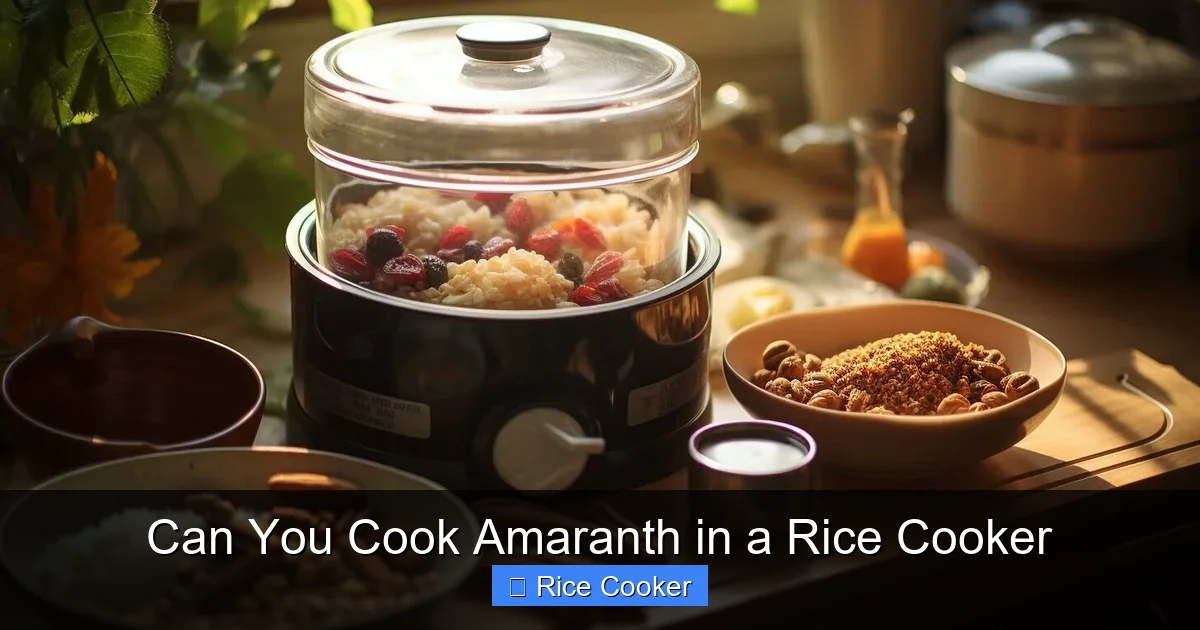
– Pearled amaranth: These are whole grain kernels that have been polished to remove the outer hull. They cook faster and have a softer texture.
– Whole grain amaranth: Unpolished, with a slightly crunchier bite and nuttier flavor. They take longer to cook.
– Amaranth flour: Not suitable for whole-grain cooking but great for baking or thickening sauces.
For rice cooker use, pearled amaranth is usually recommended because it cooks more evenly and quickly. However, if you prefer a chewier texture and don’t mind waiting a bit longer, whole grain works too.
You can find amaranth at health food stores, specialty grocers, or online retailers. Make sure to check the label for added ingredients—some brands mix in salt or preservatives.
Do You Need a Special Setting?
Most modern rice cookers come with multiple settings: white rice, brown rice, quinoa, porridge, and even steam functions. While amaranth isn’t always listed, it typically falls under the “white rice” or “quinoa” setting. If your machine has a “grain” or “pulse” mode, that’s fine too.
If you only have a basic rice cooker with one button, no worries. Amaranth can still be cooked successfully by adjusting the water ratio slightly.
The key is understanding how much liquid your rice cooker needs. Unlike traditional stovetop methods, rice cookers rely on steam pressure and temperature control, which means the grain absorbs moisture efficiently. Too little water, and your amaranth will be dry; too much, and it becomes mushy.
That’s why precision matters. We’ll go over exact measurements shortly.
Step-by-Step Guide: Cooking Amaranth in a Rice Cooker
Ready to try it yourself? Here’s a foolproof method:
Gather Your Ingredients and Tools
You’ll need:
– 1 cup of amaranth (pearled or whole)
– 2 cups of water or broth (for added flavor)
– Optional: pinch of salt, butter, or oil
Prepare the Amaranth
Rinse the amaranth under cold running water using a fine-mesh strainer. Swirl it gently to remove any dust or debris. Rinsing also helps reduce bitterness caused by natural saponins on the surface.
Drain thoroughly—this step prevents clumping later.
Add Ingredients to the Rice Cooker
Pour the rinsed amaranth into the inner pot. Add 2 cups of water or broth. If desired, add a pinch of salt or a teaspoon of oil to enhance flavor and prevent sticking.
Start Cooking
Close the lid and select the “White Rice” or “Quinoa” setting. If your rice cooker doesn’t have specific settings, just press “Cook” and let it do its thing.
The cooking process usually takes 15–25 minutes. You’ll hear a beep when it’s done.
Let It Rest
Once the cycle finishes, let the amaranth sit for 5–10 minutes with the lid closed. This allows residual heat to finish steaming and firms up the texture slightly.
Then fluff with a fork before serving.
Troubleshooting Common Issues
– Too wet? Let it sit longer or transfer to a covered dish and steam for 10 more minutes.
– Too dry? Add a splash of water and cover while resting.
– Sticking to the pot? Ensure you used enough oil or grease the pot lightly before adding ingredients.
Tips for Perfect Amaranth Every Time
Want consistently great results? Try these expert tips:
– Don’t skip rinsing: Even though it’s less noticeable in a rice cooker, rinsing removes unwanted bitterness.
– Use filtered or flavored water: Broth or coconut water adds richness without altering the grain’s color.
– Toast before cooking (optional): Sauté amaranth in a dry pan for 2–3 minutes before adding liquid. This boosts nuttiness and aroma.
– Double the recipe if meal prepping: Amaranth keeps well in the fridge for up to 5 days.
– Reheat gently: Add a little water or milk to revive cooled grains.
Creative Ways to Use Cooked Amaranth
Cooked amaranth is incredibly versatile. Here are some delicious ideas:
Breakfast Bowls
Mix cooked amaranth with almond milk, cinnamon, maple syrup, and fresh berries. Top with nuts and seeds for a hearty breakfast.
Side Dishes
Sauté with garlic, lemon zest, and parsley. Or combine with roasted vegetables and feta cheese for a Mediterranean-inspired plate.
Soups and Stews
Stir amaranth into lentil soup or chili. It thickens the broth and adds texture.
Sweet Treats
Make amaranth porridge or use it in muffins, granola bars, or energy bites. Its mild flavor pairs beautifully with chocolate, banana, or dates.
Vegan/Vegetarian Protein Boost
Combine with beans, corn, and avocado for a complete protein meal.
Health Benefits of Amaranth
Beyond taste and ease, amaranth offers serious health perks:
– High in protein: Contains all nine essential amino acids, including lysine, which supports tissue repair.
– Rich in fiber: Promotes digestive health and helps regulate blood sugar.
– Antioxidant powerhouse: Packed with vitamins E and C, plus flavonoids like quercetin and kaempferol.
– Gluten-free: Safe for those with gluten sensitivities or celiac disease.
– Heart-healthy: Low sodium and high magnesium support cardiovascular wellness.
Regular consumption may also aid in weight management due to its satiety-boosting fiber and protein content.
Comparing Rice Cooker vs. Stovetop Methods
So why choose a rice cooker over the stove?
| Method | Pros | Cons |
|—————|——————————————-|——————————————|
| Rice Cooker | Hands-off, consistent results, precise | Limited capacity, depends on appliance |
| Stovetop | More control, larger batches | Requires monitoring, risk of burning |
For busy families or those new to cooking grains, a rice cooker is unbeatable. It eliminates constant stirring and guesswork. Just set it and forget it.
However, if you love experimenting with textures or cooking large quantities, the stovetop gives you more flexibility. Either way, amaranth adapts beautifully to both methods.
Storing and Reheating Leftovers
Cooked amaranth keeps well in an airtight container in the refrigerator for up to 5 days. When reheating, sprinkle a few drops of water over the grains, cover, and microwave for 1–2 minutes. Alternatively, warm them in a saucepan with a splash of broth or milk.
Avoid freezing unless you plan to use it within a month, as texture can degrade over time.
Conclusion: Easy, Nutritious, and Delicious
Cooking amaranth in a rice cooker is not only possible—it’s one of the simplest and most reliable ways to prepare this ancient grain. With just a few minutes of prep and the push of a button, you’ll have fluffy, golden amaranth ready to enjoy. Whether you’re building a balanced bowl, spicing up your breakfast, or exploring gluten-free options, amaranth delivers on all fronts.
Its impressive nutritional profile, combined with culinary flexibility, makes it a smart addition to any pantry. And thanks to rice cookers, preparing it has never been easier.
Next time you’re looking for a quick, healthy grain that tastes amazing and supports your wellness goals, reach for amaranth—and let your rice cooker handle the rest.
Frequently Asked Questions
How much water do I use for amaranth in a rice cooker?
Use a 2:1 water-to-grain ratio—so 2 cups of water for every 1 cup of amaranth. This ensures the grain cooks fluffy without being soggy or dry.
Can I substitute amaranth with other grains in my rice cooker?
Yes! Quinoa, millet, and buckwheat work well in rice cookers using similar ratios. Amaranth just happens to be especially nutritious and tasty.
Does amaranth need to be soaked before cooking?
No, soaking isn’t necessary when using a rice cooker. Rinsing and adding the correct amount of liquid is enough for perfect results.
Is amaranth safe for people with celiac disease?
Yes, amaranth is naturally gluten-free and safe for those with celiac disease or gluten sensitivity—just ensure it’s labeled certified gluten-free if cross-contamination is a concern.
Can I cook amaranth with broth instead of water?
Absolutely! Using chicken, vegetable, or mushroom broth adds rich flavor. Just keep the total liquid volume the same (2:1 ratio).
How long does it take to cook amaranth in a rice cooker?
Most rice cookers complete the cycle in 15–25 minutes. Exact time depends on your model and whether you’re using pearled or whole grain amaranth.