
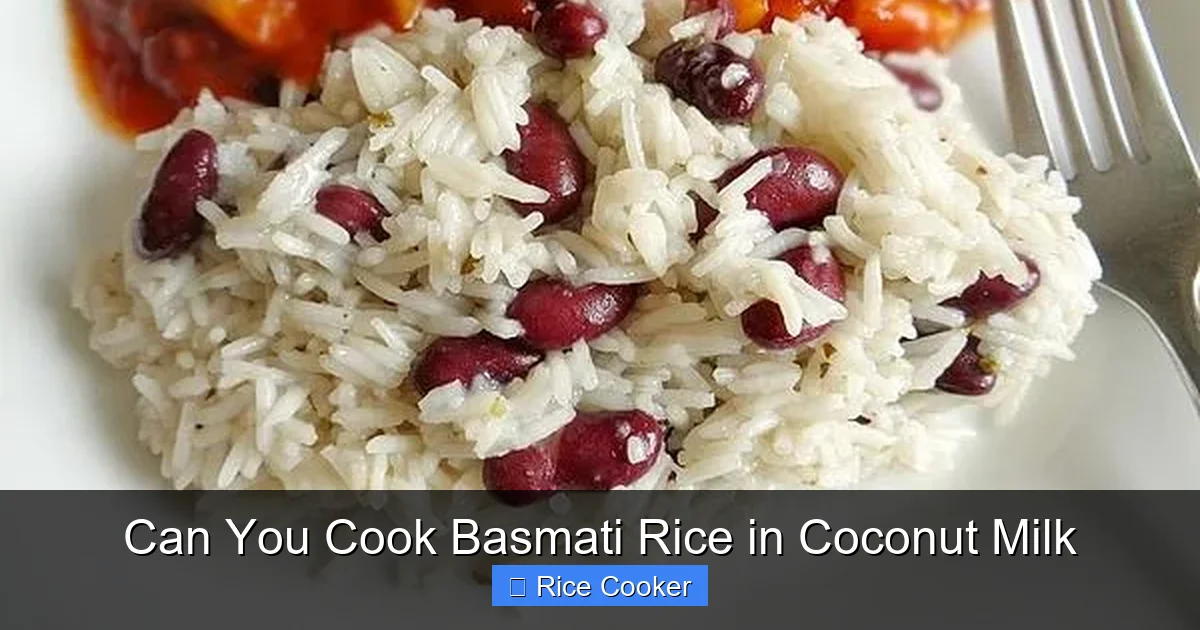
Can you cook basmati rice in coconut milk? Absolutely! This method transforms the classic grain into a luxurious, aromatic side dish or base for Indian, Thai, or Caribbean-inspired meals. While it requires a bit more attention than water-based cooking, the result is creamy, fragrant, and deeply flavorful, with coconut enhancing the rice’s natural nuttiness and aroma. With the right ratio and technique, you’ll achieve fluffy yet tender grains without sacrificing texture or taste.
Key Takeaways
- Yes, basmati rice works beautifully in coconut milk. The long, slender grains absorb the creamy liquid while staying separate and fluffy when cooked properly.
- Coconut milk adds richness and aroma. It enhances the rice’s natural fragrance with subtle tropical notes, making it ideal for curries, biryanis, and rice bowls.
- Use full-fat coconut milk for best results. Light versions lack the fat needed to create a creamy texture; full-fat ensures depth of flavor and mouthfeel.
- Adjust liquid ratios carefully. Basmati absorbs more liquid than short-grain rice, so reduce coconut milk slightly and monitor consistency as it cooks.
- Seasoning elevates the dish. Add salt, cardamom, cinnamon, or lemongrass for authentic flavors that complement the coconut base.
- Resting after cooking improves texture. Let the rice sit covered for 5–10 minutes to allow steam to redistribute moisture evenly.
- Perfect for one-pot meals and rice cookers. This method works on stovetop, Instant Pot, or rice cooker—just adapt timing and pressure settings accordingly.
📑 Table of Contents
- Can You Cook Basmati Rice in Coconut Milk?
- The Science Behind Cooking Rice in Coconut Milk
- Best Types of Coconut Milk to Use
- Step-by-Step Guide: How to Cook Basmati Rice in Coconut Milk
- Flavor Variations and Seasoning Tips
- Common Mistakes to Avoid
- Pairing Basmati Rice with Coconut Milk
- Health Benefits and Nutritional Notes
- Storage and Reheating Tips
- Frequently Asked Questions About Cooking Basmati Rice in Coconut Milk
- Final Thoughts: Why You’ll Love This Method
Can You Cook Basmati Rice in Coconut Milk?
If you love the delicate fragrance and fluffy texture of basmati rice but crave something richer and more exotic, cooking it in coconut milk might be your new favorite technique. This method isn’t just possible—it’s delicious. By replacing or supplementing traditional water with coconut milk, you unlock a whole new dimension of flavor, turning a simple staple into a luxurious side dish or the foundation of an unforgettable meal.
Basmati rice, known for its distinct nutty aroma and long grains, pairs surprisingly well with the creamy sweetness of coconut milk. When cooked together, they create a harmonious blend where the rice absorbs the richness without becoming mushy. Whether you’re preparing a Thai-inspired coconut curry rice, a spiced Indian biryani, or even a sweet dessert version, this technique opens up exciting culinary possibilities. Plus, using a rice cooker simplifies the process, ensuring consistent results every time.
The Science Behind Cooking Rice in Coconut Milk
Understanding how rice absorbs liquid is key to mastering any rice recipe—especially when switching from water to coconut milk. Basmati rice has a lower starch content compared to short-grain varieties like jasmine or sushi rice, which means it doesn’t become gluey when cooked correctly. However, because coconut milk contains both water and fat, the absorption rate changes slightly.
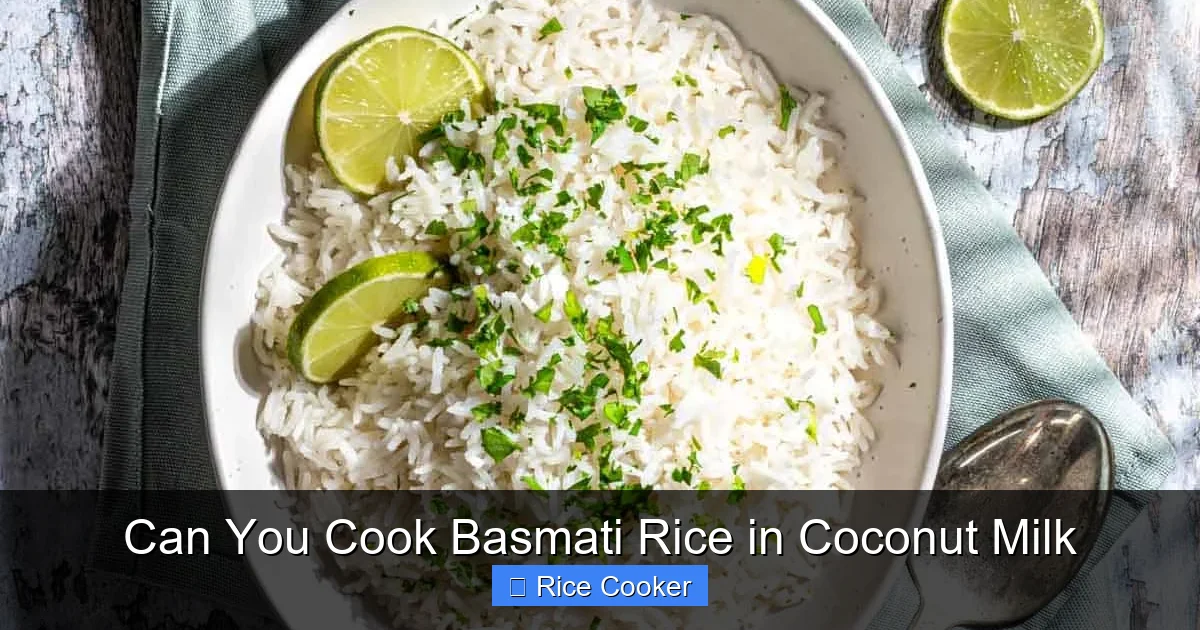
Visual guide about Can You Cook Basmati Rice in Coconut Milk
Image source: thecinnamonjar.com
Why Coconut Milk Works with Basmati
Coconut milk is about 20% fat and 80% water, depending on whether it’s light or full-fat. When you cook basmati in coconut milk, the fat coats each grain during boiling, helping lock in moisture and flavor. This results in a creamier mouthfeel without sacrificing the rice’s signature fluffiness. The aromatic compounds in basmati—like 2-acetyl-1-pyrroline—are also intensified by the gentle heat and fat content of coconut milk, making the scent even more pronounced.
How Liquid Absorption Differs
Unlike water, which evaporates steadily during cooking, coconut milk reduces as it simmers. This means you need to start with slightly less liquid than you would for plain water-cooked basmati. A good rule of thumb is to use ¾ cup of coconut milk per 1 cup of uncooked rice (plus a splash of water if needed). Keep in mind that overcooking can lead to stickiness, so monitoring is essential.
Best Types of Coconut Milk to Use
Not all coconut milks are created equal—and choosing the right one makes a big difference in your final dish.
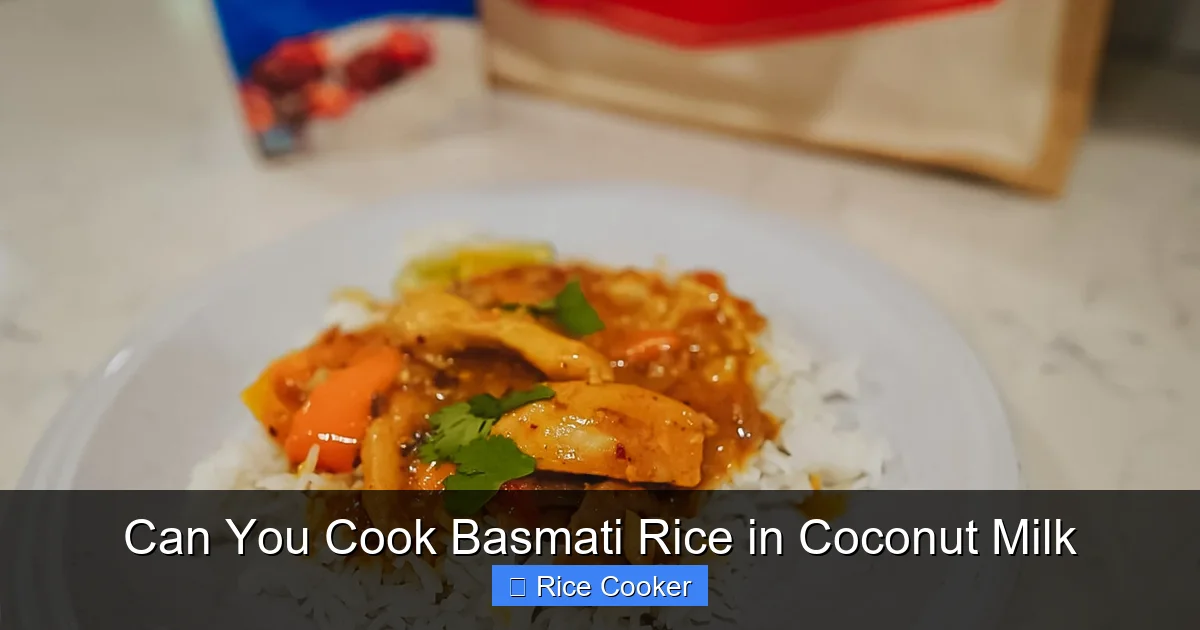
Visual guide about Can You Cook Basmati Rice in Coconut Milk
Image source: successrice.com
Full-Fat vs. Light Coconut Milk
For cooking basmati rice, always opt for **full-fat canned coconut milk**. It provides the richness and creaminess that light versions lack. Light coconut milk has only about 5–7% fat, making it too thin and watery for achieving the desired texture. Full-fat versions, on the other hand, emulsify beautifully during simmering and leave behind a velvety layer on top of the rice—perfect for drizzling or mixing in.
Fresh vs. Canned
While fresh coconut milk is delicious, it’s harder to find and inconsistent in quality. Canned versions are more reliable, especially for home cooking. Shake the can well before opening, as separation is normal. If you prefer homemade, blend unsweetened shredded coconut with hot water, strain through cheesecloth, and use within 24 hours.
Sugar-Free Options for Health-Conscious Cooking
If you’re watching your sugar intake, look for unsweetened or naturally sweetened coconut milk. Some brands add cane sugar or corn syrup, which isn’t necessary for savory dishes. For desserts or sweet rice preparations (like kheer), you may want to add a touch of jaggery or maple syrup separately.
Step-by-Step Guide: How to Cook Basmati Rice in Coconut Milk
Ready to try it? Follow this foolproof method for perfectly cooked, aromatic coconut basmati rice.
Gather Your Ingredients
- 1 cup long-grain basmati rice (rinsed)
- ¾ cup full-fat coconut milk (unsweetened)
- ¼ cup water (optional, for adjustment)
- ½ teaspoon salt
- Pinch of turmeric (optional, for color)
- 1–2 cardamom pods (optional, for fragrance)
Rinse the Rice First
Wash the basmati rice under cold running water until the water runs clear. This removes excess starch and prevents clumping. Soak the rinsed rice in water for 20–30 minutes (optional but recommended) to ensure even cooking and reduce cooking time.
Combine Ingredients in Your Cooker
In a rice cooker or heavy-bottomed pot, combine the soaked (or dry) rice, coconut milk, water (if using), salt, and any aromatics like cardamom. Stir gently to distribute ingredients evenly.
Cook Using Your Preferred Method
- Rice Cooker: Select the standard white rice setting. After cooking, let it rest for 5–10 minutes with the lid closed.
- Stovetop: Bring to a boil over medium-high heat, then reduce to low. Cover tightly and simmer for 15–18 minutes. Turn off heat and rest for 5 minutes.
- Instant Pot: Use high pressure for 6 minutes, followed by a 10-minute natural release. Avoid quick release to prevent mushiness.
Fluff and Serve
After resting, fluff the rice gently with a fork. Taste and adjust seasoning if needed. Serve warm with grilled fish, chicken curry, or a side salad.
Flavor Variations and Seasoning Tips
One of the joys of cooking basmati in coconut milk is how easily it can be customized. Experiment with spices, herbs, and complementary ingredients to match your mood or cuisine style.
Classic Spices for Savory Dishes
- Cardamom + Cinnamon: Adds warmth and depth—ideal for Indian-style coconut rice.
- Turmeric + Ginger: Gives a golden hue and anti-inflammatory boost; great with vegetables.
- Lemongrass + Kaffir Lime Leaves: Brings Southeast Asian flair; perfect with Thai or Malaysian recipes.
Dessert-Style Sweet Coconut Rice
Swap savory spices for sweetness: add 2 tablespoons of sugar, a dash of vanilla extract, and a pinch of saffron. Cook as usual, then chill and serve with fresh fruit or toasted nuts.
Herbed Infusions
Add a few sprigs of fresh cilantro, mint, or basil to the cooking liquid for subtle herbal notes. Remove them before serving to avoid bitterness.
Common Mistakes to Avoid
Even experienced cooks can stumble when trying new methods. Here’s how to sidestep common pitfalls.
Using Too Much Liquid
Too much coconut milk leads to soggy rice. Stick to the ¾-to-1 ratio and reserve extra for later—you can always reheat with a splash of water if needed.
Skipping the Resting Period
Rushing the resting phase causes uneven moisture distribution. Always cover and wait 5–10 minutes after cooking.
Overcooking
Basmati can turn sticky if boiled too long. Use a timer and check near the end. If grains are soft but not mushy, remove from heat immediately.
Not Rinsing the Rice
Unwashed rice leaves behind starch, resulting in gummy clumps. Rinse thoroughly before cooking.
Ignoring Fat Separation
If coconut oil solidifies at the bottom, don’t stir it into the rice. Instead, melt it separately and drizzle over the finished dish for extra richness.
Pairing Basmati Rice with Coconut Milk
This rice shines as a versatile side dish or main component in many global cuisines.
With Curries and Stews
Serve alongside red curry, green papaya salad, or Jamaican jerk chicken. The creaminess balances spicy or tangy flavors.
In Grain Bowls
Top with roasted vegetables, chickpeas, and tahini dressing for a plant-based meal.
As a Base for Biryani
Layer coconut-infused basmati with marinated meat, caramelized onions, and yogurt for a fragrant twist on traditional biryani.
With Seafood
Paired with shrimp, mussels, or fish stew (like Thai tom kha), the rice soaks up the broth beautifully.
Health Benefits and Nutritional Notes
Cooking rice in coconut milk does add calories and fat, but it also offers unique nutritional perks.
- MCTs: Medium-chain triglycerides in coconut provide quick energy and support metabolism.
- Antioxidants: Coconut milk contains polyphenols that help combat oxidative stress.
- Digestive Aid: The healthy fats may ease digestion for some people, though others may find it heavy.
- Lower Glycemic Impact: The fat content slows carbohydrate absorption, potentially stabilizing blood sugar.
If you’re concerned about saturated fat, consider using half coconut milk and half vegetable broth, or substitute with almond milk (though the flavor and texture will differ).
Storage and Reheating Tips
Leftover coconut basmati rice keeps well and even tastes better the next day as flavors meld.
Refrigeration
Store in an airtight container for up to 4 days. The rice may thicken upon cooling—add a spoonful of warm water or coconut milk and fluff before reheating.
Freezing
Portion into freezer-safe containers and freeze for up to 3 months. Thaw overnight in the fridge and reheat gently on the stove.
Reheating Methods
- Stovetop: Place in a saucepan with 1 tablespoon of water or coconut milk. Cover and heat on low, stirring occasionally.
- Microwave: Transfer to a microwave-safe bowl, add a splash of liquid, cover with a damp paper towel, and heat in 30-second intervals.
- Rice Cooker: Use the “warm” function or add a tablespoon of water and heat gently.
Frequently Asked Questions About Cooking Basmati Rice in Coconut Milk
Does coconut milk make basmati rice too greasy?
When cooked properly, basmati rice retains its fluffy texture even with coconut milk. The key is not to overuse the liquid and to drain excess fat after cooking. Drizzle melted coconut oil over individual servings instead of adding it to the pot.
Can I use brown basmati rice in coconut milk?
Yes, but brown basmati takes longer to cook—about 25–30 minutes—and requires more liquid. Increase water or coconut milk slightly and check for tenderness frequently.
Will the rice absorb all the coconut milk?
Most of it will be absorbed, but some fat may rise to the top. Skim off excess before serving, or use it as a finishing touch.
Can I add protein like tofu or chicken to the rice while it cooks?
Absolutely! Add cubed tofu, shredded chicken, or paneer during the last 10 minutes of cooking. Ensure proteins are pre-seasoned and partially cooked first.
Is it okay to mix coconut milk with water?
Yes—this helps control thickness and prevents overly rich results. A 1:1 ratio of coconut milk to water works well for balanced flavor.
Why is my rice still hard after cooking?
Hard rice usually means insufficient liquid or heat. Try adding 2 tablespoons of warm water, covering tightly, and simmering for 5 more minutes on very low heat.
Final Thoughts: Why You’ll Love This Method
Cooking basmati rice in coconut milk isn’t just a gimmick—it’s a gateway to deeper, more complex flavors. Whether you’re looking for a comforting weeknight dinner, a show-stopping side for guests, or a creative twist on classic dishes, this technique delivers on all fronts. With minimal effort and maximum payoff, it deserves a spot in your regular rotation.
Next time you reach for a box of basmati, skip the plain water and grab that can of coconut milk instead. Your taste buds—and your dinner guests—will thank you.
Frequently Asked Questions
Does coconut milk make basmati rice too greasy?
When cooked properly, basmati rice retains its fluffy texture even with coconut milk. The key is not to overuse the liquid and to drain excess fat after cooking. Drizzle melted coconut oil over individual servings instead of adding it to the pot.
Can I use brown basmati rice in coconut milk?
Yes, but brown basmati takes longer to cook—about 25–30 minutes—and requires more liquid. Increase water or coconut milk slightly and check for tenderness frequently.
Will the rice absorb all the coconut milk?
Most of it will be absorbed, but some fat may rise to the top. Skim off excess before serving, or use it as a finishing touch.
Can I add protein like tofu or chicken to the rice while it cooks?
Absolutely! Add cubed tofu, shredded chicken, or paneer during the last 10 minutes of cooking. Ensure proteins are pre-seasoned and partially cooked first.
Is it okay to mix coconut milk with water?
Yes—this helps control thickness and prevents overly rich results. A 1:1 ratio of coconut milk to water works well for balanced flavor.
Why is my rice still hard after cooking?
Hard rice usually means insufficient liquid or heat. Try adding 2 tablespoons of warm water, covering tightly, and simmering for 5 more minutes on very low heat.