
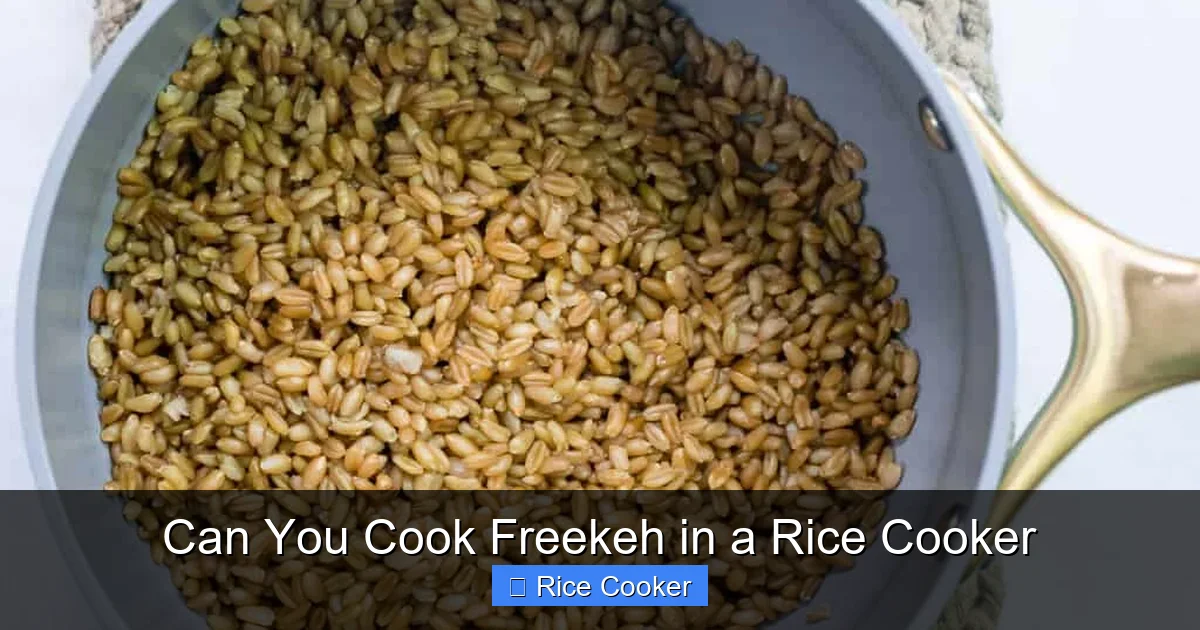
You absolutely can cook freekeh in a rice cooker—it’s one of the easiest and most reliable methods for achieving perfectly cooked, nutty-flavored grains. With the right ratio of water to freekeh and a few simple steps, your rice cooker does all the work. This method saves time, ensures even cooking, and works great for busy weeknights or meal prep.
Key Takeaways
- Freekeh is a nutritious ancient grain made from young green wheat that’s rich in fiber, protein, and minerals like magnesium and iron.
- Cooking freekeh in a rice cooker is simple and foolproof—just use a 2:1 water-to-freekeh ratio and let the machine do the rest.
- The cooking time typically ranges from 20 to 30 minutes, depending on whether the freekeh is cracked or whole.
- Soaking freekeh overnight can reduce cooking time and improve digestibility, especially for sensitive stomachs.
- Freekeh pairs beautifully with vegetables, lean proteins, and Mediterranean flavors—perfect for salads, bowls, or side dishes.
- Storing leftover cooked freekeh is easy—keep it in an airtight container in the fridge for up to 5 days.
- A rice cooker preserves nutrients better than boiling, making it a healthier choice for cooking this superfood grain.
📑 Table of Contents
- Can You Cook Freekeh in a Rice Cooker? Absolutely—Here’s How!
- What Is Freekeh, Anyway?
- Why Use a Rice Cooker to Cook Freekeh?
- How to Cook Freekeh in a Rice Cooker: Step-by-Step Guide
- Pro Tips for Perfect Freekeh in a Rice Cooker
- Variations and Recipe Ideas Using Cooked Freekeh
- Common Mistakes to Avoid When Cooking Freekeh
- Storing and Reheating Cooked Freekeh
- Frequently Asked Questions
Can You Cook Freekeh in a Rice Cooker? Absolutely—Here’s How!
Imagine waking up to the rich, earthy aroma of freshly cooked grains filling your kitchen. You’re not thinking about oatmeal or quinoa—you’re dreaming of freekeh, that vibrant, slightly smoky ancient grain that’s been gaining popularity in modern kitchens. But here’s the big question: can you cook freekeh in a rice cooker? The short answer? Yes, absolutely. And not only can you do it, but doing so might just become your new favorite way to prepare this delicious, nutritious superfood.
Freekeh has a unique flavor profile—nutty, toasty, and subtly sweet—with a chewy texture that holds up beautifully in everything from grain bowls to hearty stews. Unlike some ancient grains that require long soaking times or complex cooking techniques, freekeh is surprisingly forgiving, especially when you use a rice cooker. Whether you’re a seasoned home cook or someone just starting to explore alternative grains, using a rice cooker makes cooking freekeh effortless, consistent, and hands-off. Plus, rice cookers are designed to maintain steady heat and moisture, which helps preserve the grain’s nutrients and delivers evenly cooked results every single time.
In this complete guide, we’ll walk you through everything you need to know about cooking freekeh in a rice cooker—from understanding what freekeh is and why it’s so good for you, to step-by-step instructions, pro tips, and creative recipe ideas. By the end, you’ll be ready to whip up a perfect pot of freekeh without breaking a sweat.
What Is Freekeh, Anyway?
A Brief History and Origin
Freekeh comes from young green durum wheat that’s harvested early—before the kernels fully mature. The stalks are then roasted or kilned, which gives the grain its signature smoky, nutty flavor. Originating in the Middle East, particularly Lebanon, Syria, and parts of Egypt and Turkey, freekeh has been a staple in traditional diets for centuries. It was often used as a symbol of hospitality and prosperity, served at family gatherings and celebrations.
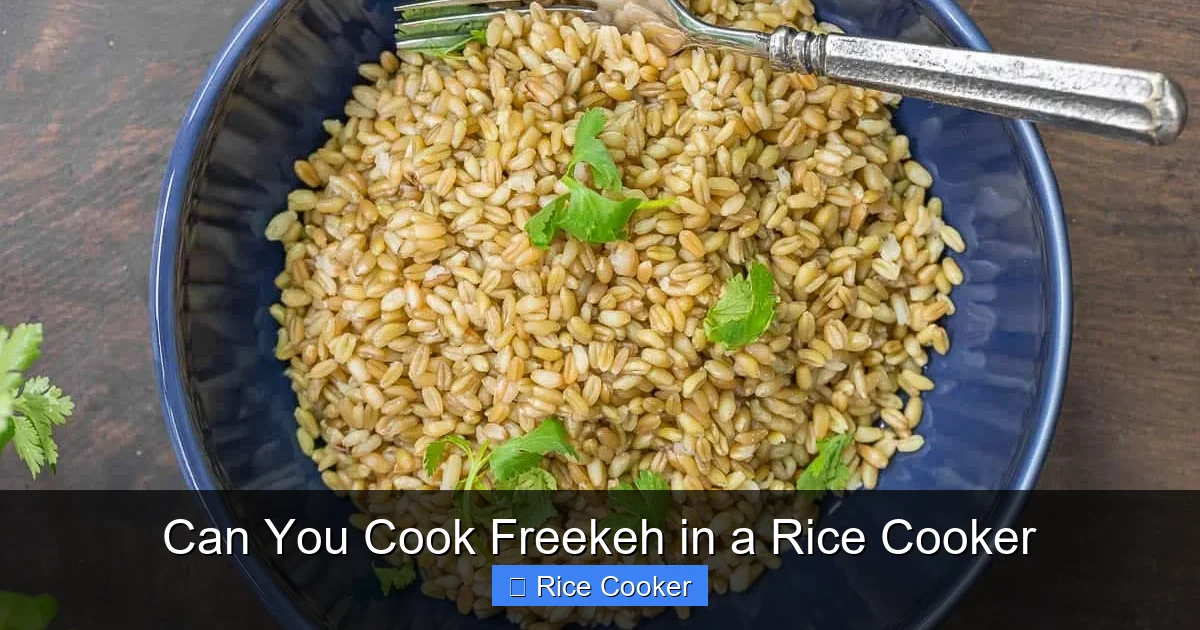
Visual guide about Can You Cook Freekeh in a Rice Cooker
Image source: themediterraneandish.com
Today, freekeh is enjoying a renaissance in global cuisine, thanks to its nutritional benefits and versatility. It’s classified as an ancient grain, meaning it hasn’t been hybridized over thousands of years like many common wheat varieties. This makes it a great option for those looking to avoid refined or genetically modified foods.
Nutritional Benefits of Freekeh
One of the reasons freekeh is so highly regarded is its impressive nutrient profile. A cup of cooked freekeh (about 182 grams) contains:
- About 64 calories
- 12 grams of carbohydrates
- 3 grams of dietary fiber
- 3 grams of protein
- Rich in manganese, selenium, phosphorus, and B vitamins
Because it’s high in fiber and protein, freekeh helps keep you full longer and supports digestive health. Its low glycemic index also means it won’t cause sharp spikes in blood sugar, making it a smart choice for people managing diabetes or insulin sensitivity.
Why Use a Rice Cooker to Cook Freekeh?
The Convenience Factor
If you’ve ever cooked grains like barley or farro by boiling them on the stovetop, you know how much attention they require. Constant stirring, checking for doneness, and risking scorching at the bottom of the pot. With a rice cooker, all of that stress disappears. You simply add ingredients, press a button, and walk away. That’s the beauty of using a rice cooker for freekeh—it’s set it and forget it.
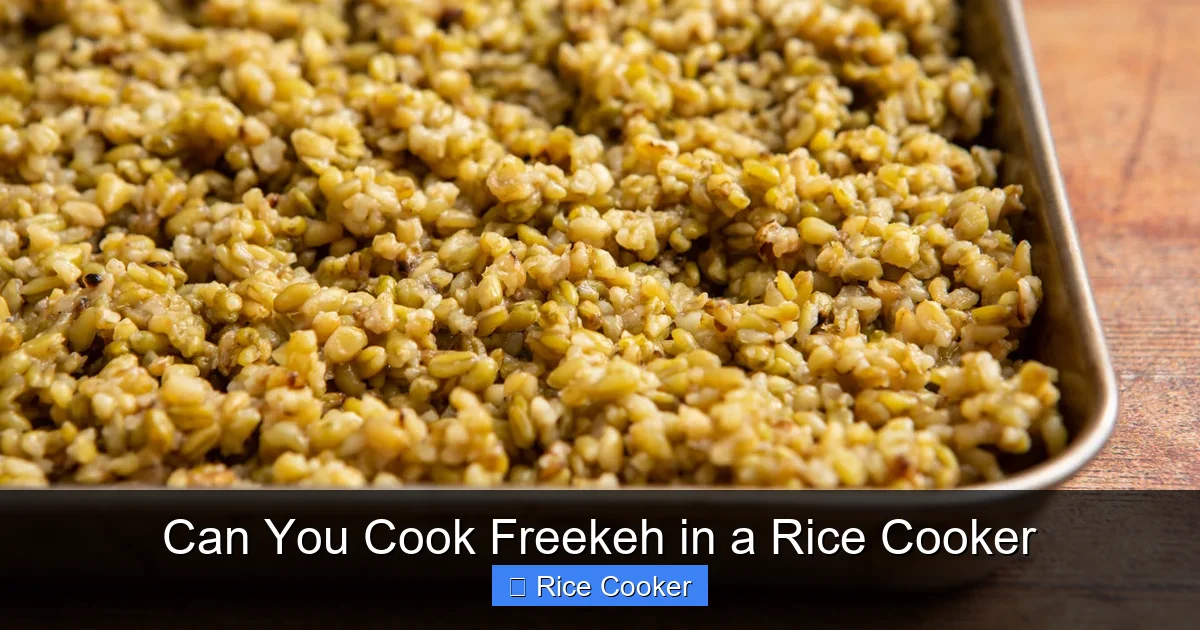
Visual guide about Can You Cook Freekeh in a Rice Cooker
Image source: media-cdn2.greatbritishchefs.com
Even Cooking and Consistent Results
Rice cookers use precise temperature control and steam circulation to cook grains uniformly. This means no more undercooked clumps or mushy spots. Every kernel gets the same treatment, resulting in perfectly fluffy, tender freekeh every time. Whether you’re cooking a small batch for dinner or a large one for meal prep, consistency is guaranteed.
Preserves Nutrients Better Than Boiling
Boiling grains can leach out water-soluble vitamins like B-complex and folate into the cooking water. Since rice cookers use minimal water and recycle steam internally, they help retain more of these essential nutrients. Plus, the closed environment reduces oxidation, keeping the grain fresher and more flavorful.
Perfect for Meal Prep and Batch Cooking
If you love meal prepping, freekeh is a dream come true. Once cooked in the rice cooker, it keeps well in the fridge for up to 5 days. You can easily reheat it in the microwave or on the stovetop and pair it with grilled chicken, roasted vegetables, or tahini dressing for quick, healthy lunches.
How to Cook Freekeh in a Rice Cooker: Step-by-Step Guide
What You’ll Need
- 1 cup raw freekeh
- 2 cups water (or broth for extra flavor)
- Pinch of salt (optional)
- Cleaned rice cooker bowl and lid
- Fine-mesh strainer (for rinsing)
Step 1: Rinse the Freekeh
Before cooking, rinse the freekeh under cold running water using a fine-mesh strainer. This removes any dust or debris and helps prevent bitterness. While not always necessary, rinsing ensures a cleaner taste, especially if the freekeh feels gritty.
Step 2: Add Ingredients to the Rice Cooker
Add the rinsed freekeh and water (and salt, if using) to the inner pot of your rice cooker. Stir gently to combine. Most rice cookers have markings for different grains, but since freekeh behaves similarly to barley or farro, you can treat it like a “white rice” setting—though some models may not have a specific setting.
Step 3: Select the Right Setting
If your rice cooker has a “brown rice,” “whole grain,” or “porridge” setting, that’s perfect for freekeh. If not, the standard “white rice” setting works just fine. Avoid the “quick cook” or “speed cook” options, as they may not allow enough time for proper hydration.
Step 4: Let It Cook
Close the lid and press start. The rice cooker will bring the water to a boil, then automatically switch to a warming cycle once the grains are fully cooked. Total cooking time is usually between 20 and 30 minutes, depending on the variety of freekeh and your rice cooker model.
Step 5: Rest and Fluff
Once the cycle ends, let the freekeh sit for 5–10 minutes with the lid on. This allows residual steam to finish hydrating the grains and prevents them from becoming soggy. After resting, fluff gently with a fork before serving.
Pro Tips for Perfect Freekeh in a Rice Cooker
Use the Right Water Ratio
The golden rule for cooking freekeh is a 2:1 ratio of water to grain. That means 1 cup of freekeh needs 2 cups of liquid. Too little water results in dry, hard grains; too much makes it mushy. If you’re using vegetable or chicken broth instead of water, the flavor will be richer and more complex.
Try Soaking First for Faster Cooking
For even easier preparation, soak the freekeh in water for 4–6 hours (or overnight). This softens the outer hull and significantly reduces cooking time—sometimes down to 15 minutes. Soaked freekeh also cooks more evenly and has a creamier texture.
Toast the Freekeh for Extra Flavor
Want a deeper, nuttier taste? Toast the rinsed freekeh in a dry skillet for 2–3 minutes before adding it to the rice cooker. The brief toasting enhances the smokiness and adds a gourmet touch to your dish.
Don’t Overfill the Rice Cooker
Most rice cookers have a maximum fill line—usually marked inside the pot. Never exceed this line. Overfilling can block steam vents and lead to uneven cooking or even damage your appliance.
Keep the Lid Closed During Cooking
Lifting the lid during the cooking process releases steam and raises the internal temperature, which can interrupt the cooking cycle. Keep it sealed until the timer goes off for best results.
Experiment with Add-Ins
Enhance your freekeh with herbs, spices, or aromatics. Try adding a bay leaf, a sprig of thyme, or a pinch of cumin while cooking. These infuse subtle flavors into the grain without affecting texture.
Variations and Recipe Ideas Using Cooked Freekeh
Freekeh Salad with Roasted Vegetables
Toss cooked freekeh with roasted zucchini, bell peppers, red onion, and chickpeas. Dress with lemon juice, olive oil, parsley, and feta for a refreshing, protein-packed salad. This dish is perfect for meal prep and tastes even better the next day.
Freekeh Pilaf with Sautéed Mushrooms
Sauté sliced mushrooms and garlic in butter or olive oil, then stir in cooked freekeh and a splash of white wine. Finish with fresh thyme and a squeeze of lemon. Serve warm as a comforting side dish.
Freekeh Breakfast Porridge
Instead of oats, try a savory breakfast porridge: cook freekeh with almond milk, cinnamon, and a dash of maple syrup. Top with sliced almonds, chia seeds, and fresh fruit for a satisfying morning meal.
Freekeh-Stuffed Bell Peppers
Fill halved bell peppers with a mixture of cooked freekeh, ground turkey, tomatoes, and spices. Bake at 375°F (190°C) for 25–30 minutes until peppers are tender. This hearty dish is great for dinner parties.
Vegan Freekeh Bowl
Layer cooked freekeh with black beans, avocado, shredded carrots, pickled red onions, and a drizzle of tahini sauce. Sprinkle with pumpkin seeds and cilantro. It’s colorful, flavorful, and packed with plant-based goodness.
Common Mistakes to Avoid When Cooking Freekeh
Not Rinsing Before Cooking
Skipping the rinse can leave behind unwanted grit or bitterness. Always give freekeh a quick wash under cold water before cooking.
Using Too Much Water
While freekeh needs more water than rice, going overboard can lead to a gluey texture. Stick to the 2:1 ratio unless you’ve soaked the grains first.
Opening the Lid Too Early
Resist the urge to peek! Opening the lid mid-cycle disrupts the cooking process and can result in unevenly cooked grains.
Using the Wrong Setting
Avoid quick-cook modes. Freekeh needs time to absorb water and soften. Let it cook fully for the best results.
Not Letting It Rest
Resting allows the freekeh to finish steaming and firm up slightly. Skipping this step can make it feel wet or undercooked.
Storing and Reheating Cooked Freekeh
Store leftover cooked freekeh in an airtight container in the refrigerator for up to 5 days. To reheat, microwave with a splash of water or broth for 1–2 minutes, or warm it on the stovetop in a saucepan over medium-low heat, stirring occasionally.
You can also freeze cooked freekeh for up to 3 months. Thaw in the fridge overnight and reheat as needed. Frozen freekeh works well in soups, stews, or grain bowls.
Frequently Asked Questions
Can I cook freekeh in a rice cooker without soaking?
Yes, you can cook freekeh in a rice cooker without soaking. Just use a 2:1 water-to-freekeh ratio and follow the standard cooking cycle. Soaking is optional but recommended for faster cooking and softer texture.
How long does it take to cook freekeh in a rice cooker?
It typically takes 20 to 30 minutes to cook freekeh in a rice cooker, depending on the variety (cracked vs. whole) and your machine’s settings. The rice cooker will signal when it’s done.
Is freekeh gluten-free?
No, freekeh is made from wheat and contains gluten. It’s not suitable for people with celiac disease or severe gluten intolerance. However, it’s considered a healthier alternative to refined wheat products due to its higher fiber and nutrient content.
Can I substitute freekeh for rice in recipes?
Absolutely! Freekeh can replace rice in most dishes. Because it has a firmer texture and nuttier flavor, it adds heartiness to stir-fries, casseroles, and grain bowls. Use the same amount as you would rice, but adjust liquid accordingly.
Does freekeh need to be soaked before cooking?
Soaking is not required, but it can speed up cooking time and improve digestibility. If you soak freekeh overnight, reduce the cooking time by about 5–10 minutes.
Can I cook freekeh in a multi-cooker or pressure cooker?
Yes, you can cook freekeh in a pressure cooker. Use a 1:1.5 ratio of water to freekeh and cook under high pressure for 6–8 minutes, then natural release for 10 minutes. Adjust timing based on your model.
Frequently Asked Questions
Can I cook freekeh in a rice cooker without soaking?
Yes, you can cook freekeh in a rice cooker without soaking. Just use a 2:1 water-to-freekeh ratio and follow the standard cooking cycle. Soaking is optional but recommended for faster cooking and softer texture.
How long does it take to cook freekeh in a rice cooker?
It typically takes 20 to 30 minutes to cook freekeh in a rice cooker, depending on the variety (cracked vs. whole) and your machine’s settings. The rice cooker will signal when it’s done.
Is freekeh gluten-free?
No, freekeh is made from wheat and contains gluten. It’s not suitable for people with celiac disease or severe gluten intolerance. However, it’s considered a healthier alternative to refined wheat products due to its higher fiber and nutrient content.
Can I substitute freekeh for rice in recipes?
Absolutely! Freekeh can replace rice in most dishes. Because it has a firmer texture and nuttier flavor, it adds heartiness to stir-fries, casseroles, and grain bowls. Use the same amount as you would rice, but adjust liquid accordingly.
Does freekeh need to be soaked before cooking?
Soaking is not required, but it can speed up cooking time and improve digestibility. If you soak freekeh overnight, reduce the cooking time by about 5–10 minutes.
Can I cook freekeh in a multi-cooker or pressure cooker?
Yes, you can cook freekeh in a pressure cooker. Use a 1:1.5 ratio of water to freekeh and cook under high pressure for 6–8 minutes, then natural release for 10 minutes. Adjust timing based on your model.