
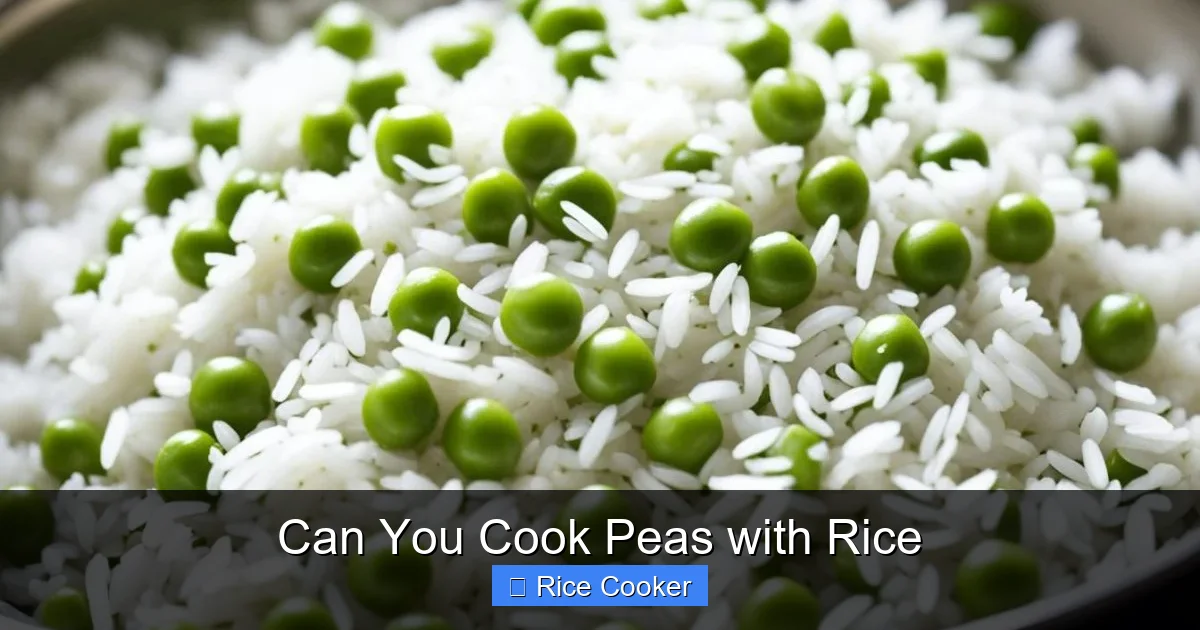
Yes, you can absolutely cook peas with rice—and doing so is easier than you think! Using a rice cooker makes it simple to create flavorful, tender peas alongside fluffy rice, boosting both nutrition and meal efficiency. This guide walks you through techniques, timing, and creative ideas to make the most of combining these two pantry staples.
Key Takeaways
- You can cook peas with rice in a rice cooker—just add them at the right time and adjust water levels slightly.
- Combining peas and rice creates a complete protein dish, especially when paired with grains like brown rice or quinoa.
- Green peas add vitamins, fiber, and natural sweetness that complement the starchy texture of rice beautifully.
- Soaking dried peas before cooking is essential if you’re using them, while fresh or frozen peas require less prep.
- Seasoning matters—simple additions like garlic, onion, salt, and herbs elevate the whole dish.
- Cooking times vary by pea type—frozen peas need only 5–7 minutes after the rice is done, while dried peas may need an hour.
- Experiment with flavors—try Cajun spice, lemon zest, or coconut milk for unique global-inspired versions.
📑 Table of Contents
- Can You Cook Peas with Rice? Yes—and It’s Delicious!
- Why Combine Peas and Rice?
- How to Cook Peas with Rice: Step-by-Step Guide
- Best Types of Rice to Use with Peas
- Pea Varieties: Fresh vs. Frozen vs. Dried
- Tips for Perfect Peas and Rice Every Time
- Creative Recipe Ideas: Beyond Basic Rice and Peas
- Common Mistakes to Avoid
- Health Benefits of Eating Peas with Rice
- Conclusion: A Simple Way to Eat Better
Can You Cook Peas with Rice? Yes—and It’s Delicious!
Have you ever looked into your kitchen cupboard, stared at a bag of rice and a packet of peas, and wondered: “Can I cook these together?”? The short answer? Absolutely! In fact, cooking peas with rice isn’t just possible—it’s a smart, budget-friendly way to build a balanced meal. Whether you’re using a stovetop pot or a modern rice cooker, combining these two ingredients creates something more than just leftover filler. It becomes a satisfying, nutritious dish that’s surprisingly easy to prepare.
When you cook peas with rice, you’re not just mixing two foods—you’re creating harmony. The starch from rice provides structure and heartiness, while the bright, sweet flavor of peas adds color, crunch, and a boost of plant-based nutrients. Plus, if you use brown rice or another whole grain, this combo delivers a complete protein, thanks to the amino acids found in both legumes (peas) and grains (rice). That means one bowl gives you the benefits of meat-free nutrition without sacrificing satisfaction.
In this guide, we’ll walk through everything you need to know about cooking peas with rice—from basic methods to creative recipe ideas. Whether you’re a college student whipping up dinner after class or a busy parent feeding a hungry family, learning how to cook peas with rice can transform your mealtime routine. Let’s get started!
Why Combine Peas and Rice?
At first glance, peas and rice might seem like random teammates. But when you understand their nutritional profiles and culinary synergy, you’ll see why they belong together.
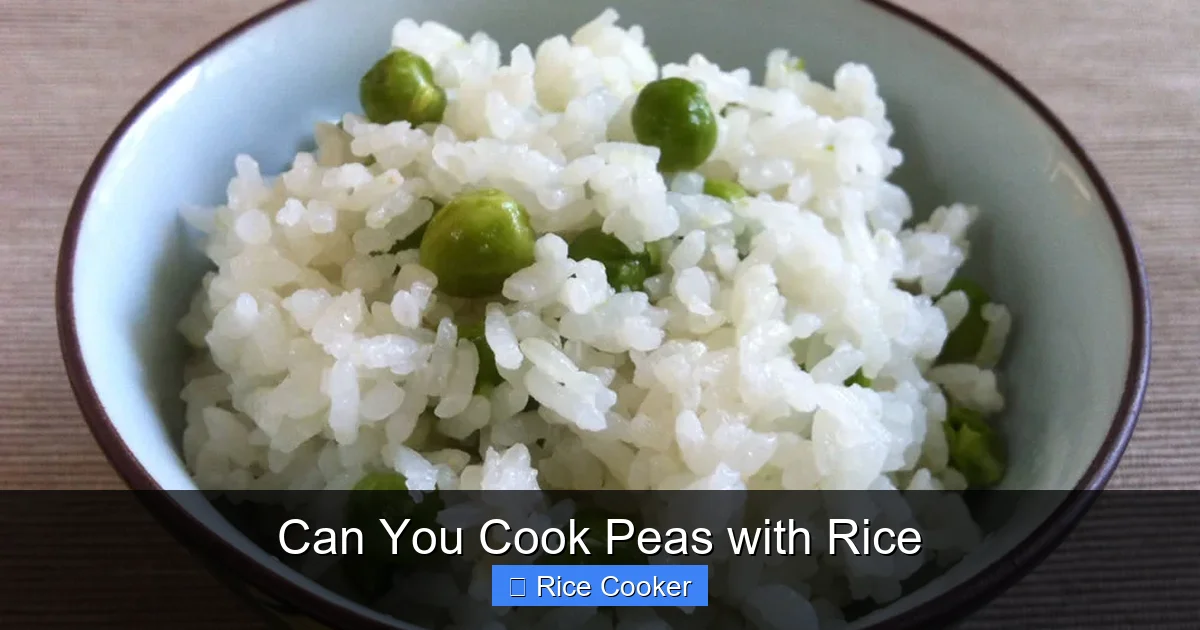
Visual guide about Can You Cook Peas with Rice
Image source: hirokoliston.com
A Nutritional Powerhouse Duo
Rice is a staple carbohydrate source, rich in energy-boosting B vitamins and easily digestible carbs. Peas, on the other hand, are packed with fiber, protein, vitamin C, vitamin K, and folate. When combined, they offer a well-rounded macronutrient balance: complex carbs, plant-based protein, and essential micronutrients.
For example, a typical serving of brown rice contains about 5 grams of protein, while one cup of cooked green peas contributes around 9 grams. Together, they come close to meeting your daily protein needs—especially if you’re following a vegetarian or vegan diet. And because peas are high in fiber, eating them with rice helps stabilize blood sugar and keeps you feeling full longer.
Flavor and Texture Harmony
Peas bring a natural sweetness and subtle earthiness that complements the mild, creamy flavor of rice. Their soft, slightly chewy texture contrasts nicely with the tender-crisp bite of perfectly cooked rice. This combination works especially well in pilafs, stir-fries, soups, and even casseroles.
Think about classic dishes like Spanish paella, Indian biryani, or Southern-style rice and gravy with peas—each celebrates the union of rice and legumes. Even in simpler home cooking, adding peas to rice elevates a basic side dish into a main course.
Time and Effort Savings
Cooking peas with rice saves time because you’re preparing two components simultaneously. Instead of boiling peas separately and then making rice, you can combine them in one pot or rice cooker pan. This reduces cleanup and streamlines your cooking process—perfect for weeknight dinners.
Modern rice cookers even simplify the process further. Many models have settings for mixed grains or delay timers, letting you set it and forget it while you prep other parts of your meal.
How to Cook Peas with Rice: Step-by-Step Guide
Ready to try cooking peas with rice yourself? Follow this straightforward method for foolproof results every time.
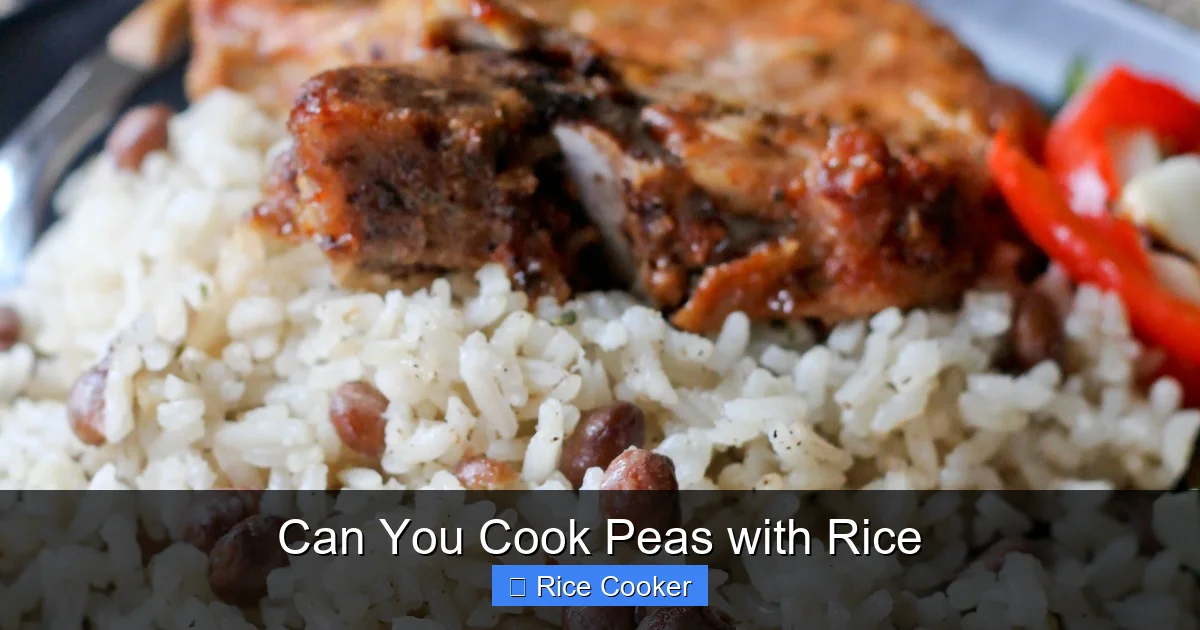
Visual guide about Can You Cook Peas with Rice
Image source: jehancancook.com
Ingredients You’ll Need
- 1 cup long-grain white, brown, or jasmine rice (rinsed)
- 1 cup green peas (fresh, frozen, or soaked dried)
- 1 ½ cups water (adjust based on pea type)
- Salt (to taste)
- Optional: 1 small onion (chopped), 2 cloves garlic (minced), olive oil, butter, or broth for extra flavor
Step 1: Prepare Your Ingredients
If using dried peas, soak them overnight in cold water or use the quick-soak method: boil for 2 minutes, then let sit for 1 hour before draining. This softens them and cuts down cooking time.
Fresh peas should be shelled and trimmed. Frozen peas are ready to go—no thawing needed.
Rinse your rice under cool water until the water runs clear. This removes excess starch and prevents gummy rice.
Step 2: Add Rice, Peas, and Liquid to the Cooker
In your rice cooker pot, add the rinsed rice, peas (fresh or frozen), and enough liquid—usually 1 ½ cups of water or broth. If you’re using dried peas, increase the liquid to 2 cups to ensure proper absorption.
Add a pinch of salt and any aromatics like onions or garlic for extra depth. Drizzle in a teaspoon of oil or butter if desired.
Step 3: Start Cooking
Close the lid and select the standard “white rice” or “brown rice” setting. For brown rice, allow extra time—about 45–50 minutes total. If your rice cooker has a “mixed grains” option, use it for best results.
Once the cycle completes, let the cooker sit for 5–10 minutes before opening. This allows steam to distribute evenly and helps the peas finish cooking gently.
Step 4: Fluff and Serve
Use a fork to gently fluff the rice and peas. Taste and adjust seasoning if needed. Serve warm as a side dish or over greens for a complete meal.
Best Types of Rice to Use with Peas
Not all rice varieties play nicely with peas—some hold up better under pressure, retain shape, or absorb flavors more effectively. Here’s a breakdown of the top choices.
White Rice
White rice is the most common choice for cooking with peas. Its neutral flavor pairs beautifully with the sweetness of peas, and it cooks quickly—usually in 15–20 minutes. Short-grain white rice (like sushi rice) stays sticky and clingy, making it ideal for pilafs. Long-grain rice (like basmati or jasmine) remains separate and light, perfect for stir-fries or grain bowls.
Brown Rice
Brown rice is higher in fiber and nutrients than white rice, and it holds its shape well when cooked with peas. However, it takes longer to cook—around 40–45 minutes—and requires slightly more liquid. Because of its nutty flavor, brown rice works especially well with savory peas seasoned with garlic, thyme, or cumin.
Jasmine and Basmati Rice
These aromatic long-grain rices have fragrant, floral notes that complement the mild sweetness of peas. Jasmine rice, in particular, is excellent in Southeast Asian-inspired dishes like Thai fried rice with peas and carrots. Just remember to rinse thoroughly to avoid stickiness.
Instant or Parboiled Rice
If you’re short on time, instant or parboiled rice can work—but results may be less satisfying. These types tend to break apart more easily and don’t absorb flavors as well as regular rice. Still, they’re convenient for quick meals.
Pea Varieties: Fresh vs. Frozen vs. Dried
The type of peas you use affects preparation time, texture, and final outcome. Understanding the differences ensures your peas cook perfectly alongside rice.
Fresh Peas
Fresh garden peas are sweet, tender, and vibrant green—but they’re only in season during spring and early summer. They cook quickly and don’t need pre-soaking. To use them, simply shell the pods, remove the peas, and add them toward the end of the rice cooking cycle.
Frozen Peas
Frozen peas are the most practical option year-round. They’re flash-frozen at peak ripeness, locking in nutrients and flavor. No thawing is necessary—just toss them directly into the rice cooker with the rice and liquid. Since they’re already blanched, they’ll finish cooking quickly, usually within 5–7 minutes after the rice is done.
Dried Peas
Dried peas (also called split peas or field peas) take much longer to cook—up to an hour—and require soaking. While they’re more affordable and shelf-stable, they’re also denser and chewier. If using dried peas, consider starting them in cold water and bringing to a boil before adding rice. This helps them soften evenly.
Note: Split peas are different from green peas. Split peas are yellow or green and often used in soups. Green peas are the sweet, round ones you typically eat as a vegetable.
Tips for Perfect Peas and Rice Every Time
Even with the right ingredients and method, small details make a big difference. Follow these expert tips for consistently great results.
Don’t Overcrowd the Pot
Your rice cooker has limited space. Avoid packing too much rice and peas into the pot, as this prevents even heat distribution and leads to uneven cooking. Stick to the recommended ratios: about 1 cup rice to 1 cup peas.
Adjust Water Levels
Adding peas increases the volume of liquid needed. If using frozen peas, reduce water by ¼ cup since they release moisture as they thaw. With dried peas, increase water slightly to compensate for their density.
Season Strategically
Instead of salting just the rice, sprinkle some salt directly onto the peas. This enhances their flavor more effectively. Garlic powder, smoked paprika, or a dash of turmeric also work wonders.
Let It Rest
After the rice cooker turns off, wait 5–10 minutes before opening the lid. This lets residual steam finish cooking the peas gently and prevents them from turning mushy.
Stir Gently at the End
Over-stirring can break up the rice grains and make the peas collapse. Use a wooden spoon or fork to fold everything together lightly—just enough to mix, not mash.
Experiment with Add-Ins
Want to jazz things up? Try adding diced ham, shredded chicken, carrots, bell peppers, or a splash of soy sauce. A handful of chopped parsley or cilantro adds brightness at the end.
Creative Recipe Ideas: Beyond Basic Rice and Peas
While plain rice and peas are delicious, there’s no need to stop there. Here are a few inspired variations to try.
Jamaican-Inspired Rice and Peas
This Caribbean classic combines coconut milk, kidney beans, scallions, and thyme for a rich, creamy dish. Replace regular peas with red kidney beans for authenticity, or keep green peas for a lighter version. Serve with grilled fish or roasted plantains.
Cajun Spiced Rice with Black-Eyed Peas
Swap green peas for black-eyed peas and season with Cajun spice blend, onion, bell pepper, and celery. This hearty dish is perfect for New Year’s traditions or weeknight comfort food.
Lemon-Herb Quinoa and Pea Pilaf
For a gluten-free twist, cook quinoa instead of rice. Add lemon zest, chopped parsley, and a squeeze of fresh lime juice right before serving. Top with toasted almonds for crunch.
Indian-Style Biryani with Peas
Layer basmati rice with peas, saffron, yogurt-marinated chicken, and spices like cardamom and cinnamon. Steam slowly for a fragrant, festive meal.
Vegan Pea and Mushroom Fried Rice
Sauté mushrooms and peas separately, then mix with cooked jasmine rice, tamari, and sesame oil. Add scrambled tofu for extra protein.
Common Mistakes to Avoid
Even experienced cooks make errors when combining peas and rice. Watch out for these pitfalls.
Using Too Much Salt Early
Adding too much salt at once can make the rice tough or overly salty. Taste as you go and adjust gradually.
Neglecting to Rinse the Rice
Unrinsed rice releases excess starch, leading to clumpy, sticky grains. Always rinse until the water is mostly clear.
Adding Peas Too Late
If you add frozen peas at the very beginning, they may overcook and turn grayish. Add them during the last 5–7 minutes of cooking instead.
Ignoring the Rice-to-Water Ratio
Too little water = dry rice. Too much = mushy, soupy mixture. Stick to the standard ratio unless adjusting for pea type.
Skipping the Resting Period
Rushing to open the cooker immediately can cause condensation to drip back into the food, making it soggy. Patience pays off!
Health Benefits of Eating Peas with Rice
Beyond taste and convenience, combining peas and rice offers real health perks.
- Complete Proteins: Grains and legumes together provide all nine essential amino acids, supporting muscle repair and immune function.
- Digestive Health: Fiber from both peas and rice promotes healthy digestion and feeds beneficial gut bacteria.
- Heart Health: Low in saturated fat and rich in potassium, magnesium, and antioxidants, this combo supports cardiovascular wellness.
- Blood Sugar Control: The slow-digesting carbs and fiber help prevent spikes in blood glucose.
- Sustainable Nutrition: Plant-based meals like rice and peas have a lower environmental footprint than meat-heavy diets.
For optimal benefit, choose whole grains like brown rice and organic, non-GMO peas when possible.
Conclusion: A Simple Way to Eat Better
Cooking peas with rice isn’t just doable—it’s one of the easiest ways to make nutritious, satisfying meals at home. Whether you’re using a traditional pot, electric rice cooker, or Instant Pot, this duo comes together effortlessly and tastes fantastic.
From budget-friendly dinners to globally inspired feasts, the possibilities are endless. And the best part? You don’t need special skills or expensive ingredients. Just rice, peas, water, and a little creativity.
Next time you reach for that bag of frozen peas or open a box of rice, remember: you’re not just making a side dish. You’re building a foundation for better health, smarter cooking, and happier meals. So go ahead—cook peas with rice. Your taste buds and your body will thank you.
Frequently Asked Questions
Can you cook dried peas with rice in a rice cooker?
Yes, but dried peas need to be soaked first and require longer cooking time—sometimes over an hour. Add them to the cooker after bringing water to a boil, then proceed with rice. Monitor closely to avoid drying out.
Do frozen peas change the cooking time for rice?
Frozen peas add minimal extra time—only about 5–7 minutes after the rice is done. Since they’re already partially cooked, they don’t significantly extend the overall process.
What happens if you add peas too early when cooking rice?
If you add frozen peas at the very start, they may overcook, become mushy, and lose their bright green color. For best texture, add them during the last few minutes of cooking.
Is it safe to cook peas and rice together every day?
Absolutely! As part of a varied diet, rice and peas offer balanced nutrition. Just rotate with other grains and vegetables to ensure you’re getting a wide range of nutrients.
Can I cook peas with rice in a pressure cooker?
Yes! In a pressure cooker, add rice, peas, and liquid, then cook under high pressure for 1–2 minutes for white rice or 3–4 minutes for brown rice. Quick-release when done.
Why does my rice and peas turn out soggy?
Sogginess usually comes from too much liquid or not letting the mixture rest after cooking. Make sure you’re using the correct water ratio and allow 5–10 minutes to sit before opening the lid.