
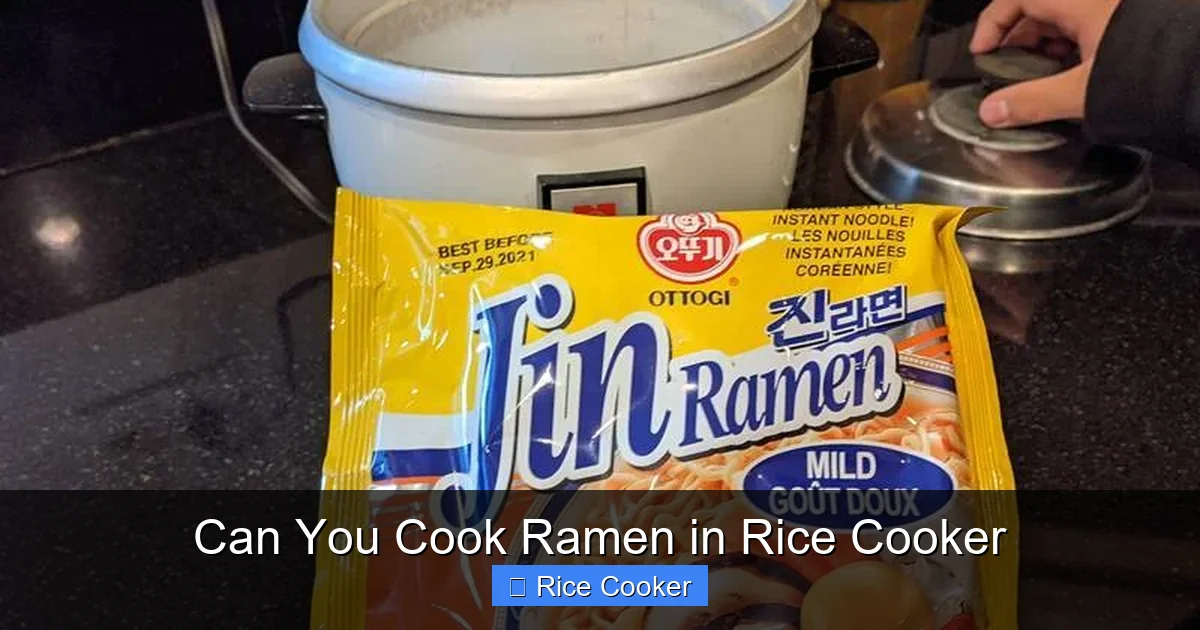
Cooking ramen in a rice cooker is not only possible but also incredibly convenient. With just water and your favorite ramen packet, you can enjoy a steaming bowl of flavorful noodles in minutes. This method uses the rice cooker’s steam and heat functions to cook noodles evenly without constant monitoring.
Have you ever found yourself craving a warm, comforting bowl of ramen—but don’t want to stand over a hot stove? Or maybe you’re in a dorm room with no kitchen access and just a trusty rice cooker? If so, you’ll be thrilled to know that yes, you absolutely can cook ramen in a rice cooker! In fact, it might just be one of the most convenient ways to prepare this beloved Japanese comfort food.
The beauty of using a rice cooker lies in its simplicity and efficiency. Unlike traditional stovetop methods that require constant stirring and attention, a rice cooker does the work for you. It heats water evenly, maintains consistent temperatures, and shuts off automatically when done—making it perfect for cooking ramen noodles without burning them or drying them out. Plus, because the lid stays sealed during cooking, the broth absorbs all the seasoning from the ramen packet while keeping everything moist and tender.
Whether you’re a college student, a busy professional, or someone who simply loves quick meals, learning how to cook ramen in a rice cooker opens up a world of culinary possibilities. Not only is it fast and easy, but it also gives you full control over ingredients and customization. Let’s dive into exactly how it works, why it’s better than boiling on the stove, and some pro tips to take your ramen game to the next level.
Key Takeaways
- Ramen cooks quickly in a rice cooker: Most instant ramen varieties cook fully in 3-5 minutes when submerged in boiling water.
- No extra oil or butter needed: The rice cooker seals tightly, allowing the broth to absorb flavors without drying out the noodles.
- Customizable toppings: Add vegetables, eggs, or protein before cooking for a complete meal in one pot.
- Saves time and energy: One-pot cooking means less cleanup and no need to monitor the stove.
- Works with any ramen type: From classic chicken or miso to vegetarian options, all cook well in a rice cooker.
- Tip: Use high liquid levels: Ensure enough water (at least 3–4 cups) so noodles don’t stick during cooking.
📑 Table of Contents
- Why Choose a Rice Cooker for Ramen?
- The Science Behind Cooking Ramen in a Rice Cooker
- Step-by-Step Guide: How to Cook Ramen in a Rice Cooker
- Tips for Perfect Rice Cooker Ramen Every Time
- Can All Types of Ramen Work in a Rice Cooker?
- Creative Variations: Beyond Basic Ramen
- Common Mistakes to Avoid
- Final Thoughts: Why This Method Deserves a Spot in Your Kitchen
Why Choose a Rice Cooker for Ramen?
You might be wondering: “Isn’t ramen supposed to be boiled on the stove?” And yes—traditionally, that’s how it’s made. But here’s the thing: boiling ramen on the stove often leads to uneven cooking, especially if you’re adding toppings like soft-boiled eggs or leafy greens midway through. You risk overcooking the noodles or undercooking the veggies. With a rice cooker, however, everything cooks together in a controlled environment.
One major advantage is temperature consistency. A rice cooker cycles between heating and warming modes, which helps prevent scorching and ensures the noodles cook uniformly. This means fewer chances of mushy or clumped noodles—something that frequently happens when boiling ramen directly in a small pot of water.
Another benefit is convenience. Once you set it up, there’s nothing left to do but wait. No stirring, no watching the clock, no fear of overflowing water. Just open the lid after a few minutes, stir gently, and serve. For anyone short on time or space, this is a game-changer.
Plus, rice cookers are designed to handle liquids—they’re essentially built for making soups and stews too. So cooking ramen isn’t stretching their limits; it’s using them as intended. Whether you’ve got an older model or a modern smart rice cooker with multiple settings, this technique works across all types.
The Science Behind Cooking Ramen in a Rice Cooker
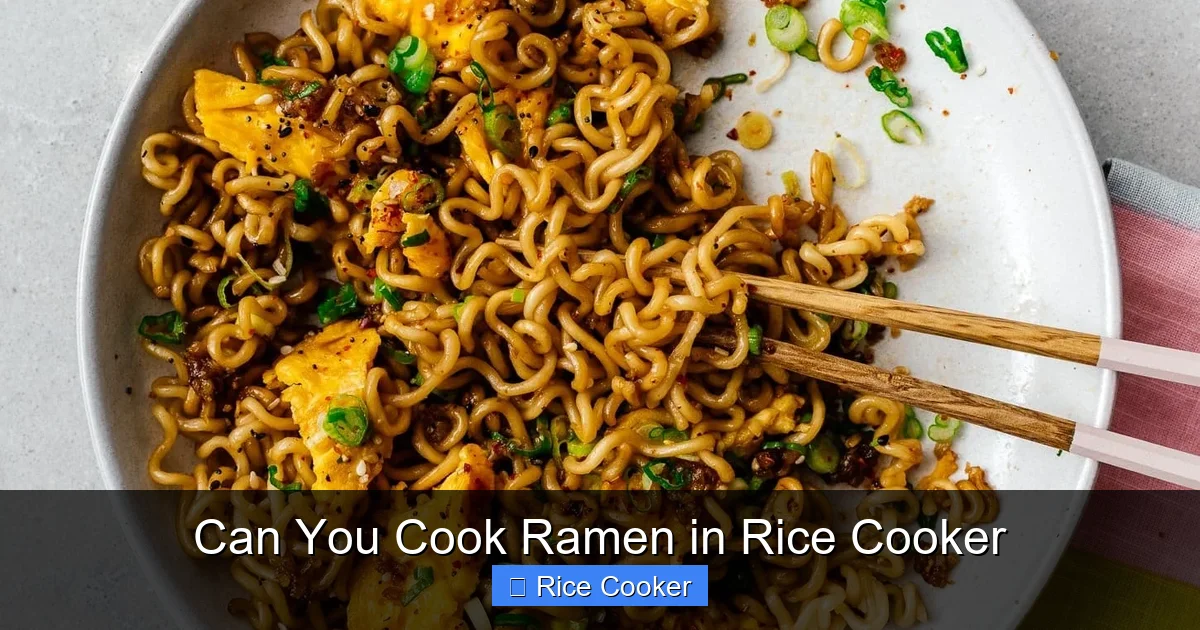
Visual guide about Can You Cook Ramen in Rice Cooker
Image source: recipes.net
Understanding *how* ramen cooks in a rice cooker can help you get better results every time. When you add ramen noodles to boiling water, the starches in the noodles begin to gelatinize—a process that turns raw dough into soft, edible strands. On the stove, this happens rapidly due to direct flame, but it can lead to uneven texture if not monitored.
In contrast, a rice cooker uses radiant heat from below and gentle convection from the steam cycle. This allows the water to stay at or near boiling point without wild fluctuations. As the noodles sit in the hot liquid, they absorb moisture and soften gradually. Because the lid is closed, steam builds inside, creating a mini-greenhouse effect that keeps the broth hot and the noodles moist.
This sealed environment also means less evaporation compared to an open pot. That translates to more concentrated flavor in your final bowl—because all those tasty bits from the seasoning packet stay put instead of floating away into the air.
Additionally, many rice cookers have a “keep warm” function that kicks in after the main cooking cycle ends. While you probably won’t leave ramen sitting in keep-warm mode for hours (it’s best eaten fresh), this feature shows how versatile these appliances really are.
Step-by-Step Guide: How to Cook Ramen in a Rice Cooker
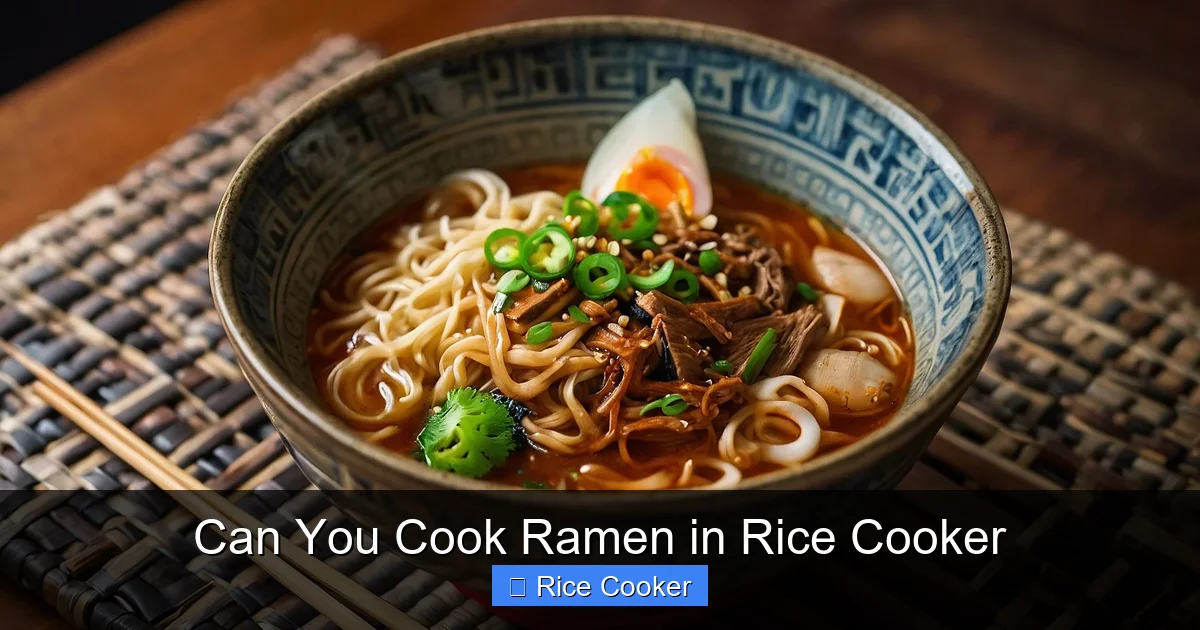
Visual guide about Can You Cook Ramen in Rice Cooker
Image source: recipes.net
Ready to try it yourself? Here’s a foolproof method for making perfect ramen noodles using just your rice cooker:
Gather Your Ingredients
Before turning on your appliance, make sure you have:
– 1 package of instant ramen (any flavor)
– At least 3–4 cups of water (adjust based on your cooker size)
– Optional toppings: sliced green onions, soft-cooked egg, spinach, mushrooms, or diced chicken
Prepare the Rice Cooker
Start by rinsing out the inner pot if it hasn’t been cleaned recently. Then place it back into the base and plug it in. Some models require you to press “Cook” immediately, while others will start heating automatically when powered.
Add Water and Ramen
Pour 3–4 cups of cold water into the pot. Then break the ramen block into pieces and drop it in. If you’re adding other ingredients like vegetables or meat, toss them in now too.
Close the Lid and Start Cooking
Seal the lid tightly—this is crucial for trapping steam and ensuring even heat distribution. Press the “Cook” button (or let it auto-start). The machine will begin heating the water.
Wait and Check
Most ramen varieties will be fully cooked in about 3–5 minutes. After the first timer goes off (if applicable), lift the lid slightly and check the noodles. They should be soft but still slightly chewy (al dente). If they’re not ready yet, close the lid and let it continue cooking for another minute or two.
Serve Immediately
Once done, carefully remove the inner pot using oven mitts or tongs (it gets hot!). Stir the noodles gently, then ladle everything into bowls. Top with extra green onions or chili oil if desired.
Pro tip: Don’t skip the step of breaking up the ramen block! Whole pieces may clump together during cooking, leading to uneven texture.
Tips for Perfect Rice Cooker Ramen Every Time
Even though cooking ramen in a rice cooker is straightforward, a few small adjustments can elevate your dish from good to great:
Use Enough Water
Too little water = dry, stuck-together noodles. Too much = weak broth. Aim for roughly 3–4 cups depending on your cooker’s capacity. If unsure, err on the side of more rather than less.
Break Up the Noodles First
Don’t just dump the whole brick in. Break it into smaller chunks so each strand has room to move around freely. This prevents tangling and ensures uniform cooking.
Don’t Overload With Toppings
While you *can* add lots of extras, too many ingredients slow down the cooking process and can make the noodles soggy. Stick to 2–3 additions max—like an egg and some spinach, for example.
Experiment With Broths
Try different ramen flavors: tonkotsu, shoyu, miso, or even vegan options. Each will create a unique taste profile thanks to the rice cooker’s ability to evenly distribute seasoning throughout the broth.
Let It Rest Briefly
After cooking, let the ramen sit covered for 1–2 minutes. This allows the noodles to finish hydrating and makes them easier to eat without being too crunchy.
Clean Up Is Easy
Since everything cooks in one pot, cleanup takes seconds. Just rinse the inner pot right away—noodles harden quickly if left sitting.
Can All Types of Ramen Work in a Rice Cooker?
Great question! Yes—most instant ramen varieties do well in a rice cooker, including:
– Standard dried ramen noodles (like Maruchan or Nissin)
– Fresh ramen (though these may require slightly longer cooking times)
– Cup ramen (just pour hot water over the cup instead of submerging the noodle block)
However, avoid using ramen that requires frying or deep-frying as part of preparation—those aren’t meant to be boiled.
Also note that while all basic styles work, premium or artisanal ramen (such as handmade wheat noodles) won’t behave the same way. Stick to packaged instant versions for best results.
Creative Variations: Beyond Basic Ramen
Once you master the basics, the sky’s the limit! Here are some fun ways to upgrade your rice cooker ramen:
Vegetarian Ramen Bowl
Skip the pork flavor packet and use vegetable broth instead. Add cubed tofu, bok choy, carrots, and corn. Season with soy sauce and sesame oil for depth.
Spicy Miso Ramen
Mix a spoonful of white or red miso paste into the broth after cooking. Top with nori strips, bean sprouts, and a drizzle of sriracha.
Cheesy Carbonara Twist
After cooking, stir in a handful of shredded cheddar or parmesan along with a beaten egg yolk. The residual heat will gently cook the egg into creamy ribbons.
Meal Prep Friendly Option
Cook larger batches of plain noodles and broth separately. Store in containers and reheat individual portions when needed—great for busy weekdays!
Common Mistakes to Avoid
Even experienced cooks occasionally run into issues. Here’s what to watch out for:
– **Not breaking up the ramen**: Leads to clumpy noodles.
– **Using too little water**: Results in dry, tough bites.
– **Adding delicate toppings too early**: Greens like spinach lose nutrients and wilt fast.
– **Overcooking**: Always check noodles halfway through—they can go from al dente to mushy in seconds.
– **Ignoring the lid**: Opening it too often lets heat escape, slowing cooking.
If your first attempt doesn’t turn out perfectly, don’t worry! Adjust one variable at a time next time and soon you’ll have it down pat.
Final Thoughts: Why This Method Deserves a Spot in Your Kitchen
Cooking ramen in a rice cooker isn’t just a clever hack—it’s a practical solution for modern life. Whether you live alone, travel frequently, or simply hate doing dishes, this technique offers speed, simplicity, and satisfaction in equal measure. And honestly? The results rival what you’d get from a restaurant-style bowl.
What started as a dorm-room necessity has evolved into a flexible cooking method anyone can master. With endless topping combinations and minimal effort required, there’s no reason not to give it a try. Next time hunger strikes and you’re craving something warm and savory, reach for your rice cooker—you’ll be amazed at how well it handles ramen.
Frequently Asked Questions
Do I need special ramen to cook it in a rice cooker?
No, any standard instant ramen works fine. Just make sure to break the noodle block into smaller pieces before cooking to prevent clumping.
How much water should I use?
Aim for 3–4 cups depending on your rice cooker’s size. More water creates a milder broth; less concentrates the flavor but risks dry noodles.
Can I cook ramen without the flavor packet?
Absolutely! Many people prefer plain noodles and customize with soy sauce, sesame oil, or hot sauce afterward. You can also use homemade broths.
Will the noodles stick together?
Only if you don’t break up the ramen block or use too little water. Breaking noodles into pieces and ensuring adequate liquid prevents sticking.
How long does it take to cook ramen in a rice cooker?
Usually 3–5 minutes. Check after the first cycle ends—noodles should be soft but still slightly firm to the bite.
Can I cook ramen and rice together?
Technically yes, but it’s not recommended. Rice needs longer cooking time than ramen, and combining them throws off both textures. Better to cook separately.