

Can you cook ramen noodles in a rice cooker? Absolutely! Using your rice cooker to prepare ramen is not only possible—it’s quick, convenient, and surprisingly delicious. With just a few simple steps, you can enjoy perfectly cooked noodles without the hassle of boiling water or cleaning up a stovetop mess. Whether you’re short on time or just craving a warm bowl of comfort food, your rice cooker can handle it.
Key Takeaways
- Rice cookers are versatile appliances: They’re not just for rice—many models can cook ramen noodles with minimal effort.
- No boiling water required: Simply add noodles, seasoning, and water, then let the rice cooker do the work.
- Customizable flavor options: Use broth, vegetables, or protein to elevate your ramen beyond the standard cup version.
- Clean-up is easier: One pot (or one appliance) means less dishwashing compared to traditional methods.
- Energy-efficient cooking: Rice cookers use less energy than stovetops, making them ideal for small kitchens.
- Perfect for dorm rooms or apartments: Great for students or anyone without access to a stove.
- Experiment with textures: Adjust water levels and cooking time to control noodle firmness.
📑 Table of Contents
- Can You Cook Ramen Noodles in a Rice Cooker? The Ultimate Guide
- The Surprising Versatility of Rice Cookers
- Step-by-Step Guide: How to Cook Ramen in a Rice Cooker
- Pro Tips for Perfect Rice Cooker Ramen
- Troubleshooting Common Issues
- Creative Ramen Recipes You Can Make in a Rice Cooker
- Benefits of Cooking Ramen in a Rice Cooker
- Frequently Asked Questions
- Conclusion: Embrace the Convenience
Can You Cook Ramen Noodles in a Rice Cooker? The Ultimate Guide
Have you ever found yourself staring at a cup of instant ramen, wondering if there’s an easier way to eat it? Maybe you don’t have a stove nearby, or you’re too tired after work to deal with boiling water and a dirty pot. Or perhaps you just love your rice cooker and want to explore more of its hidden talents.
If any of this sounds familiar, you’re in luck—because yes, you can absolutely cook ramen noodles in a rice cooker! It’s one of those clever kitchen hacks that feels almost too good to be true. Not only does it save time, but it also results in tender, evenly cooked noodles with minimal effort. Plus, using a rice cooker opens the door to creative ramen variations you never thought possible.
In this comprehensive guide, we’ll walk you through everything you need to know about making ramen noodles in a rice cooker—from basic instructions to flavor upgrades, troubleshooting tips, and even recipe ideas. So grab your favorite cup of ramen, plug in your rice cooker, and let’s get cooking!
The Surprising Versatility of Rice Cookers
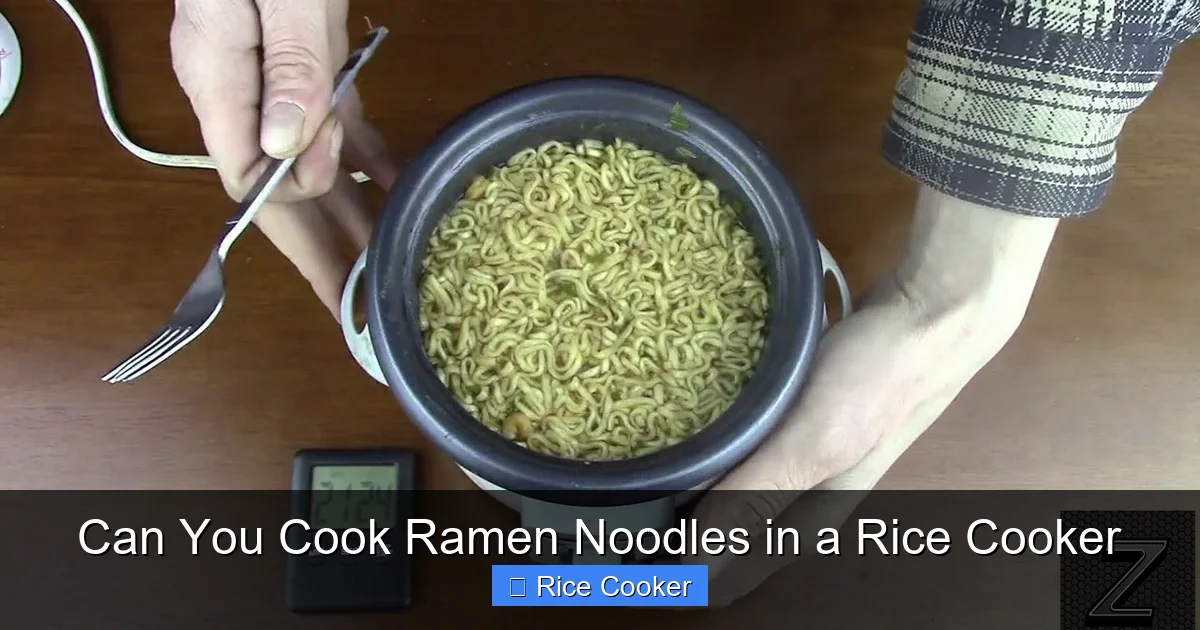
Most people think of rice cookers as single-purpose appliances—perfect for fluffy white rice, maybe some steamed veggies, but definitely not for ramen. But modern rice cookers are far more capable than their reputation suggests. Many models come with multiple settings like “porridge,” “soup,” or “quick cook,” which are perfect for making ramen.
Visual guide about Can You Cook Ramen Noodles in a Rice Cooker
Image source: i.ytimg.com
Why Rice Cookers Work for Ramen
Ramen noodles need two things to cook properly: heat and moisture. A rice cooker delivers both efficiently. When you add water and noodles, the appliance maintains a consistent temperature, preventing scorching while ensuring even cooking. Unlike boiling on the stove—where you must monitor the pot and stir occasionally—the rice cooker keeps everything contained and self-regulating.
Additionally, rice cookers often have a “keep warm” function that gently reheats your meal without drying out the noodles. This makes them ideal for preparing ramen ahead of time or keeping it warm until you’re ready to eat.
Types of Rice Cookers That Work Best
Not all rice cookers are created equal when it comes to cooking ramen. Here’s what to look for:
- Basic Automatic Rice Cookers: These are the most common and affordable. They typically have a single “cook” button and a “keep warm” setting. Perfect for simple ramen recipes.
- Multi-Function Rice Cookers: Models with programmable timers, steamers, or soup settings offer more flexibility. You can even add veggies or protein during the cooking cycle.
- Induction Heating Rice Cookers: These high-end models heat from the bottom up, reducing hot spots and improving texture. They’re excellent for achieving al dente noodles.
For beginners, a standard automatic rice cooker will do just fine. As you get more comfortable, consider upgrading to a multi-function model for added convenience.
Step-by-Step Guide: How to Cook Ramen in a Rice Cooker
Ready to try it yourself? Follow these simple steps to make delicious ramen noodles using your rice cooker:
Visual guide about Can You Cook Ramen Noodles in a Rice Cooker
Image source: storables.com
What You’ll Need
- 1 pack of instant ramen noodles (or dried ramen sheets)
- 1–1½ cups of water (adjust based on your cooker size and desired consistency)
- Ramen seasoning packet (optional—see below for alternatives)
- Optional add-ins: eggs, green onions, spinach, mushrooms, tofu, or cooked chicken
Step 1: Prepare Your Ingredients
Start by breaking the ramen block into smaller pieces—this helps it cook faster and more evenly. If you’re using fresh ramen sheets, separate them gently. Place the noodles into the inner pot of your rice cooker.
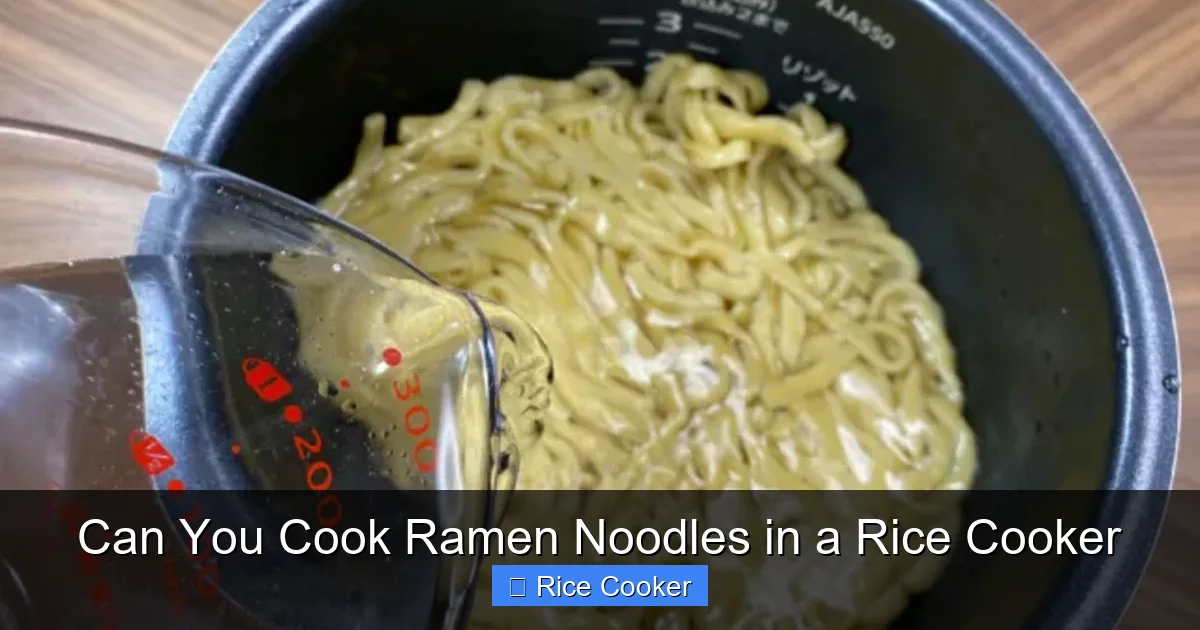
Step 2: Add Water
Add about 1 cup of cold water initially. Some users recommend adding slightly more than usual because the rice cooker retains moisture better than boiling. After pressing “cook,” check the noodles halfway through—if they’re still too firm, add another splash of water and continue cooking.
Step 3: Season the Ramen
Open the seasoning packet and sprinkle it over the noodles. For extra flavor, you can substitute the packet with homemade broth, soy sauce, miso paste, or garlic oil. Just be sure not to add too much liquid—rice cookers absorb water differently than pots.
Step 4: Start Cooking
Close the lid and press the “Cook” button. Most rice cookers take around 10–15 minutes to finish. Once done, let it sit for 2–3 minutes before opening—this allows the noodles to absorb any remaining moisture and firms up slightly.
Step 5: Serve and Enjoy
Fluff the noodles with a fork, top with your favorite garnishes (like soft-boiled egg, nori, or chili oil), and dig in!
Pro Tips for Perfect Rice Cooker Ramen
Want to take your ramen game to the next level? Try these expert tips:
Control the Texture
Ramen noodles can become mushy if overcooked. To keep them chewy and springy, avoid stirring once cooking begins. Instead, rely on the rice cooker’s gentle heat distribution. If your noodles turn out too soft, reduce cooking time slightly next time.
Use Broth Instead of Water
Skip plain water and use low-sodium chicken or vegetable broth for deeper flavor. You can even blend store-bought broth with your seasoning packet or add a spoonful of miso paste for umami richness.
Add Veggies During the Last Minute
Leafy greens like spinach or bok choy wilt quickly. Add them toward the end of the cooking cycle or stir them in after the ramen is done. Mushrooms and carrots can go in earlier since they need more time to soften.
Try Protein Upgrades
Hard-boil an egg and peel it before adding it to your bowl. Tofu cubes, shredded chicken, or even a fried egg on top make the meal heartier. For vegetarian options, crumbled tempeh or edamame work well.
Prevent Sticking
Some rice cooker pots have non-stick coatings, but it’s still wise to lightly grease the bottom or line it with parchment paper when using dried noodles. This prevents clumping and makes clean-up a breeze.
Troubleshooting Common Issues
Even with the best techniques, things don’t always go smoothly. Here’s how to fix common problems:
Noodles Are Too Dry
If your ramen turns out dry or crusty at the bottom, you likely didn’t add enough water. Next time, start with 1½ cups instead of 1 cup, especially if your rice cooker has a thick inner pot.
Noodles Stick Together
This usually happens when too many noodles are packed into the pot or not enough water is used. Break noodles into smaller pieces and ensure adequate liquid. Stirring briefly halfway through can help, though avoid overmixing.
Flavor Is Weak
Instant ramen packets are designed for quick flavor, but they can be salty or artificial-tasting. Try rinsing the noodles briefly under cool water before cooking to remove excess sodium. Alternatively, swap the packet for a homemade spice blend or broth.
Water Doesn’t Absorb Completely
Some rice cookers have a “soak” phase where water sits before heating. If yours does this, it might seem like the noodles aren’t absorbing water. Just follow the manufacturer’s instructions—most will still result in fully cooked ramen.
Creative Ramen Recipes You Can Make in a Rice Cooker
Once you master the basics, the possibilities expand. Here are three tasty variations to inspire you:
Miso Ramen
Replace half the water with miso paste mixed in a small amount of warm broth. Add cubed silken tofu, sliced scallions, and a soft-boiled egg. Finish with a drizzle of sesame oil and crushed roasted seaweed.
Spicy Korean Ramyeon
Mix gochujang (Korean red pepper paste) with soy sauce and a touch of honey. Toss in shredded kimchi, bean sprouts, and a fried egg. Top with crushed peanuts for crunch.
Vegetable-Packed Ramen
Use vegetable broth as your base. Add chopped cabbage, carrots, zucchini, and baby corn. A handful of spinach goes in last. Garnish with cilantro and lime juice for brightness.
Benefits of Cooking Ramen in a Rice Cooker
Beyond convenience, there are several advantages to using a rice cooker for ramen:
- Less Mess: No splattering, no boiling over—just one bowl to clean.
- Hands-Off Cooking: Set it and forget it. Perfect for busy schedules.
- Consistent Results: No guesswork about doneness; the appliance handles timing automatically.
- Great for Small Spaces: Ideal for dorms, RVs, tiny apartments, or camping trips.
- Saves Energy: Uses significantly less electricity than a stovetop burner.
Frequently Asked Questions
How long does it take to cook ramen in a rice cooker?
Most rice cookers take between 10 and 15 minutes to cook ramen noodles. After the cycle ends, let it rest for 2–3 minutes before serving for best texture.
Can I cook other types of noodles in a rice cooker?
Yes! Soba, udon, angel hair pasta, and even pho-style noodles can be cooked in a rice cooker. Just adjust water levels and cooking time as needed.
Do I need to pre-soak the ramen noodles?
No, instant ramen doesn’t require soaking. In fact, soaking can make them too soft. Adding cold water directly to the rice cooker works best.
Can I use fresh ramen noodles instead of instant?
Absolutely. Fresh ramen may take slightly longer to cook, so monitor them closely. You might need to add a bit more water or extend cooking time by a minute or two.
Is it safe to leave ramen in the rice cooker on “keep warm”?
It’s generally safe for up to 2 hours, but noodles can become soggy over time. For best quality, transfer to a thermos or eat immediately.
Can I cook ramen without the seasoning packet?
Definitely. Use broth, soy sauce, garlic, ginger, or spices like turmeric and black pepper to create your own flavor profile.
Conclusion: Embrace the Convenience
Cooking ramen noodles in a rice cooker isn’t just a clever trick—it’s a game-changer for anyone looking to simplify their meals without sacrificing flavor or nutrition. Whether you’re a college student, a busy parent, or someone who simply loves the ease of a one-pot meal, this method delivers consistent, satisfying results every time.
With a little experimentation, you can transform plain instant ramen into gourmet-style bowls loaded with vegetables, proteins, and bold flavors. And the best part? Cleanup takes seconds, and your rice cooker becomes a multitasking kitchen hero.
So next time hunger strikes and you reach for that cup of ramen, remember: your rice cooker is ready to help. Just add noodles, water, seasoning, and whatever extras your heart desires—then press “cook” and enjoy a steaming bowl of comfort in minutes.
Frequently Asked Questions
How long does it take to cook ramen in a rice cooker?
Most rice cookers take between 10 and 15 minutes to cook ramen noodles. After the cycle ends, let it rest for 2–3 minutes before serving for best texture.
Can I cook other types of noodles in a rice cooker?
Yes! Soba, udon, angel hair pasta, and even pho-style noodles can be cooked in a rice cooker. Just adjust water levels and cooking time as needed.
Do I need to pre-soak the ramen noodles?
No, instant ramen doesn’t require soaking. In fact, soaking can make them too soft. Adding cold water directly to the rice cooker works best.
Can I use fresh ramen noodles instead of instant?
Absolutely. Fresh ramen may take slightly longer to cook, so monitor them closely. You might need to add a bit more water or extend cooking time by a minute or two.
Is it safe to leave ramen in the rice cooker on “keep warm”?
It’s generally safe for up to 2 hours, but noodles can become soggy over time. For best quality, transfer to a thermos or eat immediately.
Can I cook ramen without the seasoning packet?
Definitely. Use broth, soy sauce, garlic, ginger, or spices like turmeric and black pepper to create your own flavor profile.