
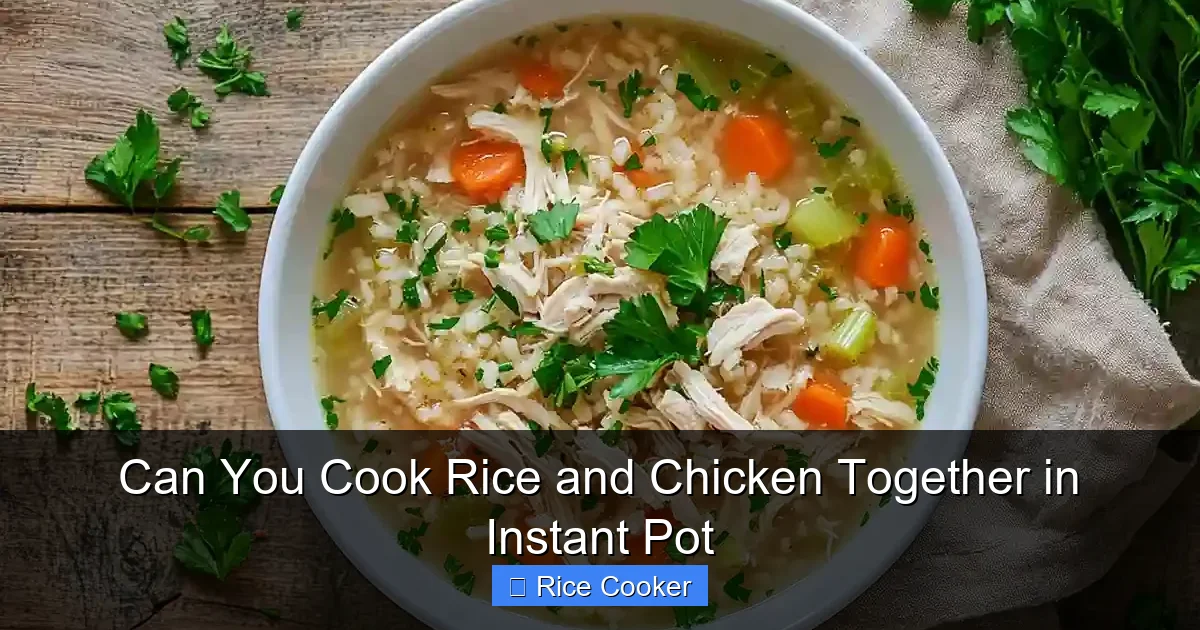
You absolutely can cook rice and chicken together in your Instant Pot—and it’s one of the fastest, most convenient ways to make a complete meal. With the right ratio, seasoning, and timing, you’ll get fluffy, aromatic rice and tender, flavorful chicken without any guesswork. Whether you’re meal prepping or feeding a hungry family, this method cuts down on cleanup and boosts flavor through steam absorption.
Key Takeaways
- Yes, it’s possible: Cooking rice and chicken together in an Instant Pot works when you use the correct water-to-rice and meat-to-liquid ratios.
- Perfect texture: The sealed environment ensures rice absorbs moisture evenly while chicken stays juicy and tender.
- Saves time & effort: One pot means less cleanup and faster meal prep compared to cooking rice and chicken separately.
- Flavor infusion: Chicken releases juices that infuse the rice with rich, savory flavors during the pressure-cooking process.
- Customizable: You can easily adapt the recipe with herbs, vegetables, or spices for different cuisines like biryani, jambalaya, or Mexican-style dishes.
- No need to pre-cook chicken: Raw chicken can be cooked directly into the rice, saving an extra step and dish.
- Pro tip: Letting the pot naturally release pressure helps prevent overcooked rice and dry chicken.
Cooking rice and chicken together in an Instant Pot isn’t just possible—it’s a game-changer for busy home cooks. Imagine coming home after a long day, tossing raw chicken and rice into your electric pressure cooker, and waking up to a full, nutritious dinner with minimal effort. That’s the magic of the Instant Pot, and combining these two staples takes convenience to the next level. Not only does this method save time and reduce cleanup, but it also allows flavors to meld beautifully, resulting in a dish that tastes like you spent hours simmering it low and slow.
But how do you avoid common pitfalls like mushy rice or dry chicken? It all comes down to balance—balancing liquid levels, cooking times, and layering ingredients correctly. In this guide, we’ll walk you through everything you need to know about cooking rice and chicken together in your Instant Pot. From choosing the right cuts of chicken and rice varieties to mastering pressure settings and flavor boosts, you’ll learn how to turn a simple kitchen hack into a gourmet-style meal every single time. Whether you’re new to the Instant Pot or a seasoned pro looking for new ideas, this article will empower you to create delicious, one-pot wonders with confidence.
Key Takeaways
- Understanding can you cook rice and chicken together in instant pot: Provides essential knowledge
📑 Table of Contents
- The Basics: Can Rice and Chicken Even Be Cooked Together?
- Choosing the Right Ingredients
- Step-by-Step Guide: How to Cook Rice and Chicken in Instant Pot
- Tips for Perfect Results Every Time
- Creative Variations and Flavor Ideas
- Health Benefits and Nutrition Insights
- Cleaning and Maintenance Tips
- Final Thoughts: Why This Method Works So Well
The Basics: Can Rice and Chicken Even Be Cooked Together?
At first glance, combining rice and chicken in one pot might seem risky. After all, rice needs consistent moisture to cook properly, while chicken requires enough heat and time to reach safe internal temperatures. But the Instant Pot changes the rules—its pressurized environment locks in steam, allowing both ingredients to cook simultaneously without sacrificing quality. The key is understanding how the pressure cooker transforms cooking dynamics.
When you add raw chicken directly to uncooked rice, the chicken releases its own juices as it cooks. These liquids infuse the rice with flavor and provide additional moisture, which helps prevent the grains from drying out. Meanwhile, the high-pressure setting cooks the chicken thoroughly while keeping it tender, even when submerged in rice. This synergy is what makes the combination so effective—rice acts almost like a sponge, soaking up the savory goodness from the chicken.
However, not all rice types behave the same way. Long-grain white rice, such as basmati or jasmine, works best because it doesn’t get too sticky when mixed with chicken. Short-grain or sushi rice tends to clump when cooked with proteins. Brown rice is trickier due to its higher fiber content and longer cook time, but it can still work if you adjust the liquid ratios accordingly.
Similarly, chicken cuts matter. Boneless, skinless thighs are ideal because they stay moist and absorb flavors well. Bone-in pieces like drumsticks or breasts add depth but require careful monitoring to avoid overcooking. Always pat the chicken dry before adding it to the pot—this helps develop a slight sear-like crust (even without browning), enhancing texture and taste.
Choosing the Right Ingredients
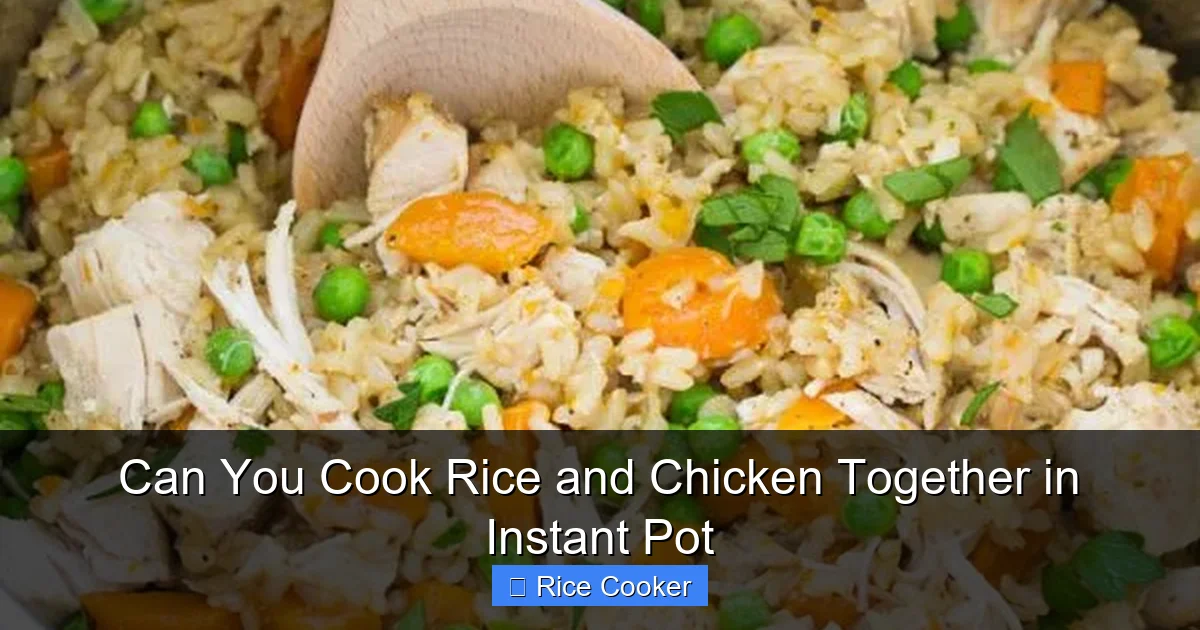
Visual guide about Can You Cook Rice and Chicken Together in Instant Pot
Image source: kristineskitchenblog.com
Getting started begins with selecting quality ingredients. The success of your rice-and-chicken dish hinges on more than just technique—your choices in protein, grain, and seasonings set the foundation.
Start with fresh chicken. Look for firm, odorless meat with vibrant pink coloration. Avoid pre-packaged items with excessive brine unless you plan to drain them first. For best results, cut larger pieces into uniform sizes so they cook evenly alongside the rice. Smaller pieces like chicken tenders or bite-sized cubes work great for kids or quick meals.
Next, pick a rice variety that complements your desired flavor profile. Jasmine rice adds a fragrant, slightly floral note perfect for Asian-inspired dishes. Basmati keeps grains separate and light, making it ideal for pilafs. American long-grain white rice is versatile and widely available—great for beginners. If you’re open to experimenting, wild rice adds a nutty flavor and chewy texture, though it requires extra liquid and time.
Seasonings are where creativity shines. Salt, pepper, garlic powder, onion powder, and paprika form a classic base. But don’t stop there—add bay leaves, thyme, cumin, or turmeric for regional flair. A splash of lemon juice or vinegar at the end brightens the dish and balances richness.
Vegetables can also elevate your meal. Diced carrots, peas, bell peppers, or corn add color, nutrition, and sweetness that contrast beautifully with savory chicken and earthy rice. Just remember: veggies take longer to soften than rice, so consider sautéing them briefly before adding chicken and rice, or opt for quick-cooking options like zucchini or spinach added toward the end.
Step-by-Step Guide: How to Cook Rice and Chicken in Instant Pot
Now that you’ve got your ingredients ready, let’s dive into the actual cooking process. Follow these steps carefully, and you’ll have a foolproof method that yields restaurant-quality results at home.
First, prepare your Instant Pot insert by rinsing 1 cup of rice under cold water until the water runs clear. This removes excess starch and prevents clumping. While rinsing, cube or chop your chicken into bite-sized pieces—about 1-inch chunks for optimal texture.
Next, add 1 tablespoon of oil (like vegetable, olive, or avocado oil) to the pot and select the “Sauté” function. Heat the oil over medium heat until shimmering. Add diced onions, minced garlic, and any other aromatics you’re using (such as ginger or celery). Sauté for 2–3 minutes until fragrant but not browned.
Now, place the chicken pieces in the pot and season generously with salt, pepper, and your chosen spices. Stir to coat evenly. Let the chicken cook for 2–3 minutes per side if possible—this isn’t mandatory, but it adds depth of flavor.
After browning (or skipping that step), add your rinsed rice to the pot. Stir everything together briefly so the rice gets coated in the chicken juices and seasonings. Now, pour in 1½ cups of liquid. Water works fine, but broth (chicken, vegetable, or even coconut milk) significantly boosts flavor. For extra richness, use a mix of water and broth.
Secure the lid tightly and ensure the valve is set to “Sealing.” Select “Manual” or “Pressure Cook” mode and set the timer for 6 minutes for white rice. If using brown rice, increase to 18–20 minutes. Natural pressure release is recommended—let the pot sit undisturbed for 10 minutes after cooking, then carefully vent any remaining pressure using the quick-release method.
Once released, open the lid away from your face and fluff the rice gently with a fork. Taste and adjust seasoning if needed. Serve hot with a garnish of fresh herbs, a squeeze of lime, or a dollop of yogurt or sour cream.
Adjusting Liquid Ratios
One of the biggest concerns people have is getting the liquid right. Too little, and the rice dries out; too much, and it becomes soggy. The general rule is 1½ cups of liquid per 1 cup of uncooked rice. However, when cooking with chicken, you’re adding extra moisture through the meat’s natural juices.
If your chicken is lean (like breast meat), it contributes less liquid. Fatty cuts like thighs release more fat and water, so you may need slightly less initial liquid. A helpful tip: start with 1¼ cups of liquid if using chicken thighs, and 1½ cups if using breasts or mixed cuts.
Always check the manufacturer’s guidelines for your specific Instant Pot model. Some newer versions include built-in sensors that adjust cook time based on weight, but older models rely entirely on user input. When in doubt, err on the side of slightly more liquid—you can always drain excess during natural release.
Natural vs. Quick Pressure Release
Understanding when to use natural versus quick pressure release is crucial for texture. Natural release lets the pressure drop slowly over 10–15 minutes, which helps retain moisture in both the rice and chicken. This method reduces the risk of overcooked grains or rubbery meat.
Quick release involves manually venting steam immediately after cooking, usually within 5 minutes. While faster, it can cause the bottom layer of rice to become mushy or stick to the pot. Use quick release only if you’re short on time and serving immediately—otherwise, stick with natural release for best results.
Tips for Perfect Results Every Time
Even with the right technique, small details can make a big difference. Here are pro-level tips to ensure your rice and chicken combo turns out flawlessly:
- Don’t skip rinsing the rice: Rinsing removes surface starch, preventing gummy textures.
- Use room-temperature chicken: Cold chicken can lower the pot’s temperature and extend cooking time.
- Layer ingredients wisely: Place chicken at the bottom, rice on top, and liquid poured evenly over everything.
- Avoid opening the lid early: Steam escapes quickly, disrupting the cooking process.
- Let it rest: Resist the urge to stir immediately after cooking—let it sit for 5 minutes before fluffing.
- Experiment with broths: Vegetable, mushroom, or even beer-based broths add unique depth.
- Cook in batches if needed: Overcrowding slows heat transfer and affects consistency.
Common Mistakes to Avoid
Beginners often run into issues like undercooked chicken, mushy rice, or bland flavor. Most problems stem from incorrect ratios, poor ingredient prep, or rushing the process.
Undercooked chicken usually happens when the pressure cook time is too short or the meat is too large. Always verify internal temperature reaches at least 165°F (74°C) using a food thermometer inserted into the thickest part of the chicken.
Mushy rice often results from overcooking or insufficient draining. Make sure you allow proper natural release and avoid stirring too vigorously afterward. Also, ensure you’re using the correct rice-to-liquid ratio.
Bland dishes typically come from lack of seasoning or using plain water instead of flavorful liquids. Don’t be afraid to salt generously and add herbs or spices early in the process.
Creative Variations and Flavor Ideas
The beauty of cooking rice and chicken together lies in its adaptability. Once you master the basics, you can transform this humble dish into dozens of global favorites.
For Indian-inspired flavors, try making biryani: layer marinated chicken with basmati rice, saffron-infused milk, fried onions, and green chilies. Cook on high pressure for 8 minutes with 1¾ cups liquid. Finish with a dollop of yogurt and chopped cilantro.
Mexican-style arroz con pollo combines chorizo, tomatoes, olives, and bell peppers with long-grain rice and shredded chicken. Use chicken broth, chili powder, cumin, and oregano for authentic taste.
Thai green curry rice uses coconut milk instead of water, along with green curry paste, bamboo shoots, and Thai basil. Simmer for 7 minutes on high pressure for tender chicken and fragrant rice.
African peanut stew pairs chicken with red kidney beans, sweet potatoes, and peanut butter in a spiced tomato sauce. Serve over jasmine rice for a hearty, protein-packed meal.
Even comfort classics like chicken and rice casserole shine in the Instant Pot. Add cream of mushroom soup, frozen peas, and shredded cheese for a creamy, indulgent twist.
Vegetarian Alternatives
Not everyone eats chicken, but that doesn’t mean you have to miss out. Swap chicken for chickpeas, lentils, or tofu blocks seasoned with smoked paprika, cumin, and garlic. The cooking method remains the same—just adjust cook time slightly since plant proteins don’t take as long to break down.
Health Benefits and Nutrition Insights
Beyond convenience, cooking rice and chicken together offers nutritional advantages. Protein from chicken supports muscle repair and satiety, while rice provides complex carbohydrates for sustained energy. Adding vegetables increases fiber, vitamins, and antioxidants.
Using bone-in chicken adds collagen and minerals like calcium and phosphorus. Broth-based liquids enhance hydration and deliver additional nutrients. Opting for whole-grain rice boosts fiber intake and lowers glycemic load compared to refined white rice.
To keep meals balanced, aim for a 2:1 ratio of rice to protein by volume. Add leafy greens or roasted vegetables on the side for a complete, satisfying plate. Avoid heavy creams or excessive sodium by using homemade broths and fresh herbs instead of store-bought mixes.
Cleaning and Maintenance Tips
After enjoying your delicious meal, cleaning your Instant Pot should be just as easy. Most inserts are dishwasher-safe, but hand-washing preserves non-stick coatings longer. Soak stuck-on rice residue in warm, soapy water before scrubbing gently with a soft sponge.
Never immerse the main unit in water—only the removable parts should touch soap and suds. Regularly clean the sealing ring to prevent lingering odors, especially after cooking strong-smelling dishes like garlic or fish.
Store the lid upside down to allow airflow and prevent mold. Keep the pressure valve clear of debris to ensure safe operation.
Final Thoughts: Why This Method Works So Well
Cooking rice and chicken together in an Instant Pot is more than just a time-saver—it’s a culinary strategy rooted in science and tradition. By leveraging pressurized steam, you create a humid, consistent environment that cooks both ingredients evenly. The synergy between rice absorbing chicken juices and chicken benefiting from the surrounding moisture leads to superior texture and flavor.
This method democratizes home cooking, allowing anyone—from college students to working parents—to whip up a wholesome, restaurant-worthy meal in under 30 minutes. Plus, the versatility means endless possibilities across cultures and dietary preferences.
Whether you’re preparing a weeknight dinner or hosting a casual gathering, mastering this technique puts you ahead. Start simple, experiment boldly, and soon you’ll look forward to mealtime like never before.
Frequently Asked Questions
Can you cook brown rice and chicken together in an Instant Pot?
Yes, but brown rice takes longer to cook and requires more liquid. Use 1¾–2 cups of liquid per 1 cup of brown rice and set the pressure cook time to 18–20 minutes. Natural release for best results.
Do I need to brown the chicken before adding rice?
Not necessarily. While browning adds flavor, it’s optional. For speed and simplicity, you can add raw chicken directly to the pot—just ensure it reaches 165°F internally.
How much water should I use for 1 cup of rice and chicken?
Use 1½ cups of water or broth per 1 cup of uncooked rice. Adjust down to 1¼ cups if using fatty chicken cuts like thighs, which release extra moisture.
Why is my rice mushy when cooked with chicken?
Mushy rice often results from overcooking, too much liquid, or insufficient natural pressure release. Reduce cook time slightly or drain excess liquid after cooking.
Can I freeze leftover rice and chicken?
Yes! Let the mixture cool completely, portion into airtight containers, and freeze for up to 3 months. Reheat in the Instant Pot using the “Steam” function or microwave.
What if I don’t have an Instant Pot?
You can cook rice and chicken together in a regular pot, but it takes longer and requires constant attention. Simmer covered on low heat for 20–30 minutes, checking frequently.