

You absolutely can cook rice in a crock pot with chicken — it’s easier than you think and results in flavorful, tender chicken with perfectly cooked grains. The slow-cooking process lets the rice absorb all the delicious juices from the chicken, creating a complete meal with minimal effort.
This method works because rice needs consistent heat and moisture to cook properly, and the crock pot provides both. You don’t need a special appliance or complicated steps — just add chicken, rice, liquid, and your favorite seasonings to the pot.
Key Takeaways
- Crock pot cooking is perfect for one-pot rice dishes: The moist, consistent heat allows rice to cook thoroughly while chicken becomes tender and juicy.
- Proper liquid ratios are crucial: Use 2 cups of liquid for every cup of rice to prevent burning and ensure even cooking throughout the entire day.
- Chicken should be cut into uniform pieces: Cutting chicken into similar-sized pieces ensures even cooking so everything finishes at the same time.
- Seasonings can go on before or after cooking: While some seasonings work better before cooking, others like fresh herbs taste best added at the end.
- Resting time is essential: Let the dish rest for 10-15 minutes after cooking to allow flavors to meld and rice to finish absorbing any remaining liquid.
- Vegetables can be added for nutrition: Add carrots, peas, or corn during the last hour of cooking for a complete, nutritious meal.
- Cleanup is much easier: Cooking everything in one pot means fewer dishes to wash — perfect for busy weeknights.
📑 Table of Contents
- The Surprising Answer: Yes, You Can Cook Rice and Chicken Together
- Understanding Why This Method Works
- Perfect Ingredients and Equipment Setup
- Step-by-Step Cooking Process
- Flavor Enhancement Techniques
- Troubleshooting Common Problems
- Creative Variations and Meal Ideas
- Healthy Cooking Options
- Conclusion: Mastering the Art of Crock Pot Chicken and Rice
The Surprising Answer: Yes, You Can Cook Rice and Chicken Together
Have you ever stared into your crock pot wondering what to make that’s both hearty and simple? The idea of cooking rice in a crock pot with chicken might seem strange at first — rice usually needs a rice cooker or stovetop attention, right? But here’s the secret: you absolutely can cook rice in a crock pot with chicken, and the results are surprisingly delicious.
Think about it this way: rice is basically just starchy seeds that need consistent heat and moisture to transform from hard grains to fluffy, separate pieces. And that’s exactly what a crock pot provides — gentle, steady heat in a sealed environment full of steam. When you combine that with chicken, which releases its own juices as it cooks, you get the perfect conditions for rice to cook through completely without drying out or burning.
This method isn’t just convenient — it’s actually better than traditional rice cooking in many ways. Since everything cooks together, the rice absorbs all the flavorful juices from the chicken, creating a deeply seasoned dish with minimal cleanup. Plus, you can walk away and let the crock pot do all the work while you focus on other things.
Understanding Why This Method Works
The Science Behind Crock Pot Rice Cooking
Rice contains starches that gelatinize when they reach about 185°F (85°C), transforming from hard grains to soft, cohesive pieces. In a crock pot, the temperature typically stays between 190-205°F (88-96°C) during the “warm” setting, which is perfect for this process. The key is maintaining enough moisture — rice needs about twice as much water as the amount of rice itself to cook properly.
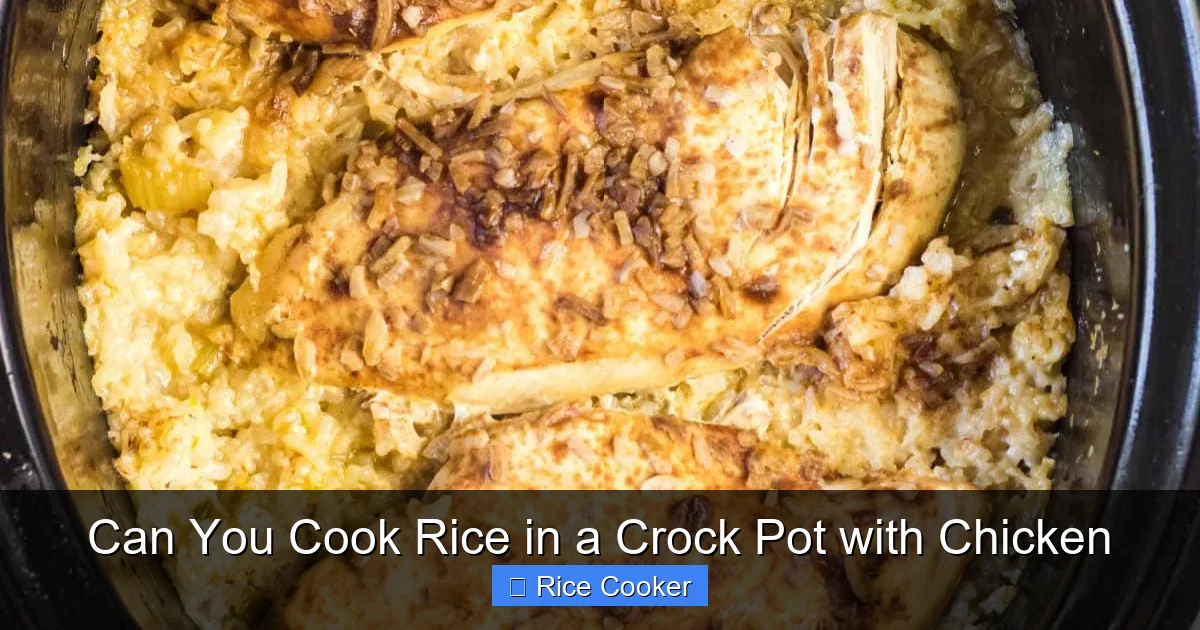
Visual guide about Can You Cook Rice in a Crock Pot with Chicken
Image source: restlesschipotle.com
When you cook chicken in a crock pot, it releases proteins, fats, and natural juices that create the ideal liquid environment for rice. Unlike boiling rice on the stove where water evaporates quickly, the crock pot traps moisture, allowing the rice to gradually absorb the chicken broth and seasonings.
Why Traditional Rice Methods Don’t Work in Crock Pots
If you’ve tried making rice in a crock pot before and had disappointing results, you’re not alone. Many people struggle because they use too little liquid or don’t account for evaporation. The main difference between successful crock pot rice and failed attempts comes down to understanding how heat distributes and how moisture changes throughout the cooking process.
In a regular pot on the stove, you can see the water level and adjust accordingly. But in a crock pot, some liquid evaporates over time, especially during longer cooking periods. That’s why proper ratios and timing are so important. The good news is that once you understand these principles, making rice in a crock pot with chicken becomes incredibly reliable.
Perfect Ingredients and Equipment Setup
Essential Ingredients for Success
Getting the right ingredients is the foundation of a great crock pot chicken and rice meal. For the chicken, boneless skinless thighs work best because they stay moist and flavorful during long cooking times. Bone-in pieces also work well since the bones release extra flavor and help keep the meat tender.
For rice, stick with long-grain white rice like jasmine or basmati — these varieties have less starch and cook more evenly than short-grain or brown rice. If you prefer brown rice, you’ll need to increase the cooking time by about 20-30 minutes and use a bit more liquid.
Don’t forget aromatics — onions, garlic, and celery add depth to the flavor base. Herbs like thyme, bay leaves, or rosemary complement chicken beautifully. Salt, pepper, and whatever other spices you love complete the flavor profile.
Equipment Checklist
You don’t need fancy equipment for this — just a standard crock pot (4-6 quart size works well) and the usual kitchen tools. Make sure your crock pot has a lid that seals tightly to trap steam and moisture.
A measuring cup is essential for getting the right liquid-to-rice ratio. A sharp knife helps cut the chicken into uniform pieces, and having a wooden spoon or spatula makes stirring easy without damaging the crock pot insert.
Ingredient Ratios That Work Every Time
The most common mistake beginners make is using the wrong amount of liquid. Here’s the reliable ratio:
- 1 cup uncooked rice to 2 cups liquid (chicken broth recommended)
- For every pound of chicken, use about 1.5 cups of rice
- Adjust based on your crock pot size — larger pots may need slightly more liquid
Some recipes call for slightly more liquid, but starting with this ratio gives you the best chance of success. You can always add more liquid if needed, but adding too much liquid makes the rice mushy.
Step-by-Step Cooking Process
Preparing Your Ingredients
Start by cutting your chicken into uniform 1-inch pieces. This ensures even cooking — large chunks might still be raw inside while small pieces dry out. Pat the chicken dry with paper towels before seasoning; excess moisture affects browning and texture.
Dice your onions and mince garlic — you want small pieces that will dissolve into the cooking liquid rather than remaining crunchy. If using bone-in chicken pieces, make sure they’re similar in size.
Sautéing vs. Direct Addition
While some recipes suggest sautéing chicken first, it’s not necessary in a crock pot since the long cooking time will tenderize the meat regardless. However, browning the chicken before adding it to the crock pot adds extra flavor depth.
If you choose to brown the chicken, do it in a skillet over medium-high heat for 3-4 minutes per side. Then transfer to the crock pot before adding rice and liquid. Skip the browning step if you’re short on time — your chicken will still turn out great.
Layering Ingredients Properly
Most people make the mistake of just dumping everything into the crock pot, but proper layering improves results. Start with the aromatics (onions, garlic) at the bottom, then add chicken pieces, followed by rice, and finally pour the liquid over everything.
This layering allows flavors to distribute evenly and prevents the rice from sticking to the bottom. Make sure the liquid covers the rice by about an inch — this ensures even cooking throughout.
Cooking Times and Settings
Crock pot settings vary by brand and model, but here are general guidelines:
- High setting: 2-3 hours for most chicken and rice combinations
- Low setting: 4-6 hours for thorough cooking
- Always start checking at the minimum recommended time
Remember that crock pots vary in performance — some cook faster than others. The rice is done when it’s tender and the liquid has been absorbed, not when the timer goes off.
Flavor Enhancement Techniques
Building Layers of Flavor
The secret to amazing crock pot chicken and rice lies in building multiple layers of flavor. Start with a flavorful liquid base — chicken broth works great, but vegetable or beef broth adds different dimensions. Consider making your own stock instead of using canned versions for maximum flavor.
Add aromatic vegetables early in the cooking process — onions, carrots, and celery form the flavor foundation known as a mirepoix. Garlic, shallots, or leeks provide additional complexity. Don’t overcrowd your crock pot with too many vegetables at once — they need room to cook properly.
Seasoning Timing Matters
Here’s when to add different seasonings for maximum effect:
- Before cooking: Salt, black pepper, dried herbs (thyme, rosemary, bay leaves)
- During cooking: Some spices like cumin or paprika benefit from cooking time
- After cooking: Fresh herbs, lemon juice, or hot sauce
Adding salt too early can toughen proteins, while adding it later preserves tenderness. Fresh herbs at the end maintain their bright flavor and beautiful color.
Regional Variations Worth Trying
Different cuisines offer exciting variations on the basic chicken and rice theme:
- Spanish-style: Add smoked paprika, saffron, and bell peppers
- Mediterranean: Include olives, sun-dried tomatoes, and oregano
- Asian-inspired: Soy sauce, ginger, and green onions
- Mexican version: Chili powder, cumin, and corn
Experiment with spices you already have in your pantry — the crock pot is forgiving enough to handle creative combinations.
Troubleshooting Common Problems
Overcooked or Mushy Rice
If your rice turns out mushy, you likely used too much liquid or cooked it too long. Rice should remain separate and fluffy, not clumpy or gluey. Check your liquid ratios first — remember, rice needs about double its volume in liquid.
To fix mushy rice, transfer it to a baking sheet and bake at 350°F for 10-15 minutes to evaporate excess moisture. Alternatively, fluff it with a fork and serve immediately — sometimes the texture improves as it cools.
Undercooked Rice
Undercooked rice usually means insufficient cooking time or too little liquid. Test for doneness by tasting a few grains — they should be tender with no hard centers. If undercooked, continue cooking on high for 30-60 minutes until done.
Sometimes the issue isn’t the recipe but the crock pot itself — older models may not maintain consistent heat. Consider investing in a new crock pot or using a different appliance for critical rice dishes.
Dry or Tough Chicken
Tough chicken usually results from overcooking or using lean cuts. Boneless skinless chicken thighs stay moister than breasts during long cooking times. If using breasts, reduce cooking time and check frequently.
To prevent dryness, avoid opening the lid unnecessarily — each time you lift it, you lose heat and extend cooking time. Also, consider adding a tablespoon of oil or butter to the liquid for extra moisture retention.
Liquid Evaporation Issues
Some liquid always evaporates during crock pot cooking, which can leave rice dry or burnt at the bottom. To minimize evaporation, use a crock pot with a tight-fitting lid and avoid lifting the cover unless necessary.
If you notice the liquid is running low near the end of cooking, add a splash of water or broth carefully with a spoon — pouring directly onto hot surfaces can cause splattering.
Creative Variations and Meal Ideas
Adding Vegetables for Nutrition
One of the best things about crock pot chicken and rice is that you can easily add vegetables. Add root vegetables like potatoes, carrots, or parsnips early in the cooking process since they take longer to soften. Leafy greens like spinach or kale go in during the last 15-20 minutes so they don’t overcook.
Frozen vegetables work well — just add them with the liquid so they thaw and cook properly. Try corn, peas, or mixed vegetables for quick additions. Just remember that adding vegetables changes the cooking time — denser veggies need more time, delicate ones need less.
Protein Variations Beyond Chicken
While chicken is the classic choice, many proteins work well with rice in a crock pot:
- Turkey: Leaner than chicken, cook 10% less time
- Pork shoulder: Falls apart beautifully, great for pulled pork rice
- Fish: Only cook 30-45 minutes, add during last 15 minutes
- Beans and legumes: Great for vegetarian options
Each protein requires slight adjustments in cooking time and liquid amounts. Fish and seafood need very careful timing to prevent overcooking.
Breakfast Versions
Surprisingly, you can make breakfast rice dishes in a crock pot! Try scrambled eggs with rice, oatmeal-style rice porridge, or even savory rice bowls with cheese and vegetables. The crock pot’s gentle heat is perfect for morning cooking without constant attention.
For breakfast rice, reduce the liquid slightly and add milk or cream for creamier texture. Top with fruits, nuts, or honey for sweet versions.
Batch Cooking and Storage Tips
Making large batches of crock pot chicken and rice is perfect for meal prep. Cook extra portions and store them properly for best quality. Cool food quickly by placing containers in ice water, then refrigerate within 2 hours of cooking.
Properly stored chicken and rice keeps well in the refrigerator for 3-4 days and in the freezer for up to 3 months. Reheat thoroughly until steaming hot throughout. Avoid reheating more than once.
Healthy Cooking Options
Lean Protein Choices
For lower-fat options, choose boneless skinless chicken breasts or turkey instead of thighs. These lean proteins cook well in a crock pot but require slightly shorter cooking times. Watch them closely to prevent drying out.
Trim visible fat from meat before cooking, and remove any skin from chicken. This reduces saturated fat content significantly while maintaining flavor.
Whole Grain Alternatives
While white rice cooks best in crock pots, whole grain options are possible with adjustments. Brown rice needs about 30% more liquid and 20-30% more cooking time. Quinoa works surprisingly well and adds protein to your meal.
For whole grains, consider adding an extra 1/4 cup of liquid and extending cooking time by 15-20 minutes. Stir occasionally to prevent sticking.
Nutrition-Focused Additions
Boost the nutritional value by adding nutrient-dense ingredients. Legumes like lentils or chickpeas add protein and fiber. Leafy greens provide vitamins and minerals. Nuts and seeds add healthy fats and crunch.
Consider the overall balance of your meal — aim for protein, complex carbohydrates, and plenty of vegetables. This creates satisfying, nutritious meals that support good health.
Conclusion: Mastering the Art of Crock Pot Chicken and Rice
Cooking rice in a crock pot with chicken opens up endless possibilities for easy, delicious meals. Once you understand the basics — proper liquid ratios, cooking times, and ingredient preparation — you’ll find yourself reaching for your crock pot more often. The beauty of this method lies in its simplicity and the rich, developed flavors that result from everything cooking together slowly.
Don’t be discouraged by initial failures — even experienced cooks encounter issues with crock pot rice occasionally. Each attempt teaches you something new about your specific appliance and your personal preferences. Keep notes on what works for you, experiment with different seasonings and vegetables, and soon you’ll have a reliable go-to recipe that feeds your family beautifully.
Remember that practice makes perfect. Start with the basic recipe, master it, then gradually try variations. The crock pot’s forgiving nature means you can’t really ruin a meal — there’s always another chance to adjust and improve next time. Before long, you’ll be creating restaurant-quality chicken and rice dishes with minimal effort and maximum satisfaction.
Frequently Asked Questions
Can I use brown rice instead of white rice in a crock pot with chicken?
Yes, but brown rice requires more liquid and longer cooking time. Use 2.5 cups liquid per cup of brown rice and cook 20-30 minutes longer than white rice recipes. Stir occasionally to prevent sticking.
How do I prevent my crock pot chicken and rice from being too wet?
Ensure you’re using the correct liquid ratio (2 cups per 1 cup rice), don’t open the lid unnecessarily during cooking, and let the dish rest for 10-15 minutes after cooking to allow excess liquid to be absorbed.
What’s the best chicken cut for crock pot rice dishes?
Boneless chicken thighs work best because they stay moist during long cooking times. Bone-in pieces also work well since they release flavorful juices. Avoid very lean chicken breast to prevent dryness.
Can I add vegetables to my crock pot chicken and rice?
Absolutely! Add root vegetables like carrots and potatoes early, leafy greens during the last 15-20 minutes, and frozen vegetables with the liquid. Adjust cooking time if adding many vegetables.
How long does it take to cook chicken and rice in a crock pot?
Most chicken and rice dishes take 2-3 hours on high or 4-5 hours on low. Always check rice doneness before relying solely on the timer, as crock pot performance varies.
Should I sauté the chicken before adding it to the crock pot?
Sautéing adds extra flavor but isn’t necessary since the long cooking time will tenderize the chicken. If you choose to brown it, do so before adding to the crock pot with other ingredients.