
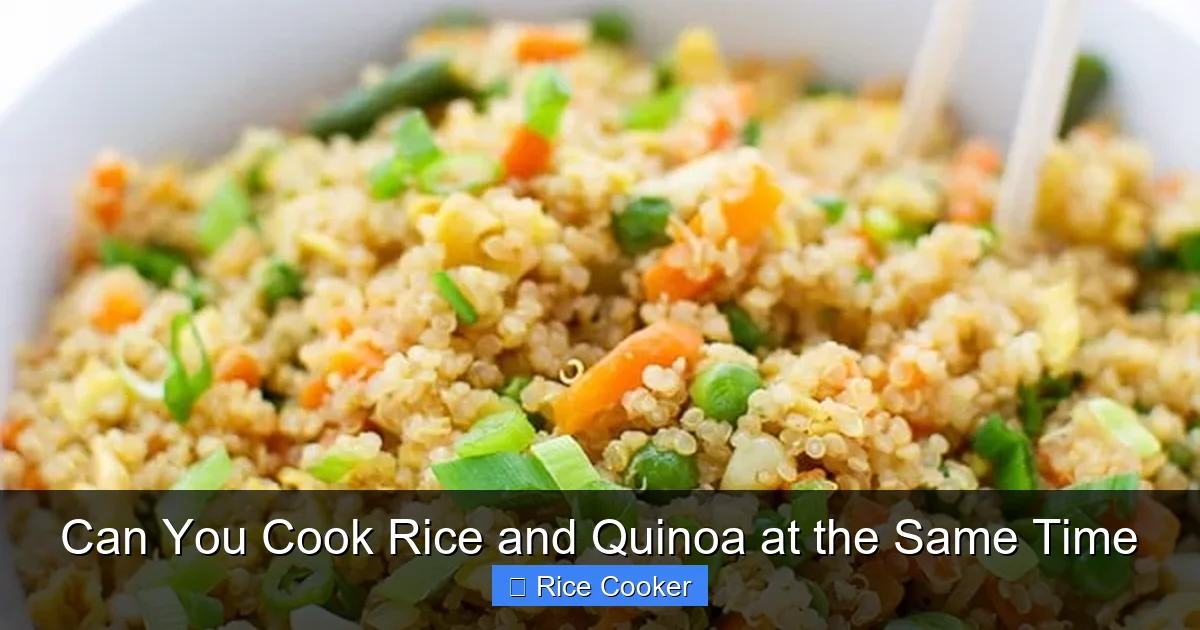
Yes, you absolutely can cook rice and quinoa together in your rice cooker, and doing so saves time, water, and energy. Both grains have similar cooking times and moisture needs, making them perfect partners in one pot. With the right ratios and a few simple tips, you’ll get tender, separate grains every time—no mess, no stress.
Key Takeaways
- Same cooking time: Rice and quinoa both take about 15–20 minutes to cook, making them ideal for simultaneous preparation.
- Similar water absorption: Both require around 1.5 to 2 cups of water per cup of grain, so combining them works well in most rice cookers.
- Use a rice cooker: A rice cooker ensures even heat and automatic shut-off, preventing overcooking and sticking.
- Rinse before cooking: Washing quinoa removes its natural coating (saponin), which can leave a bitter taste if not rinsed properly.
- Flavor and texture: Cooking together allows subtle flavor blending without compromising the integrity of either grain.
- Customize with seasonings: Add herbs, broth, or spices during cooking to enhance taste while the grains steam together.
- Storage-friendly: Cooked mixed grains store well and are great for meal prep—perfect for busy lifestyles.
📑 Table of Contents
- Can You Cook Rice and Quinoa at the Same Time?
- Why Combine Rice and Quinoa?
- How to Cook Rice and Quinoa Together in a Rice Cooker
- What Happens if You Don’t Rinse Quinoa?
- Best Rice Cooker Types for Mixed Grains
- Tips for Perfect Results Every Time
- Meal Prep Ideas with Cooked Rice and Quinoa
- Troubleshooting Common Mistakes
- Can You Add Other Grains?
- Final Thoughts: A Simple Step Toward Healthier Eating
Can You Cook Rice and Quinoa at the Same Time?
Have you ever stood in the kitchen, wondering how to prepare two healthy grains in less time than it takes to boil a single pot? If you’re cooking rice and quinoa regularly, you might be tempted to double up. The good news? Yes, you can cook rice and quinoa at the same time—and doing so is easier than you think. With a little planning and the right tools, you can have two nutritious, fluffy sides ready in just one go. Whether you’re meal prepping, feeding a crowd, or simply trying to simplify dinner, combining these grains in your rice cooker is a smart, efficient move.
Both rice and quinoa are staples in many households for good reason: they’re affordable, versatile, and packed with nutrients. But when you’re juggling multiple dishes or short on time, efficiency matters. Instead of cooking them separately—each with their own pot, water, and attention—you can combine them in one container and let your rice cooker do the work. This method not only saves time but also reduces cleanup, making it a win-win for home cooks of all skill levels.
Why Combine Rice and Quinoa?
Before diving into the “how,” let’s talk about the “why.” Combining rice and quinoa isn’t just about convenience—it’s about nutrition, flavor, and practicality. Here’s why more people are choosing to cook them together:
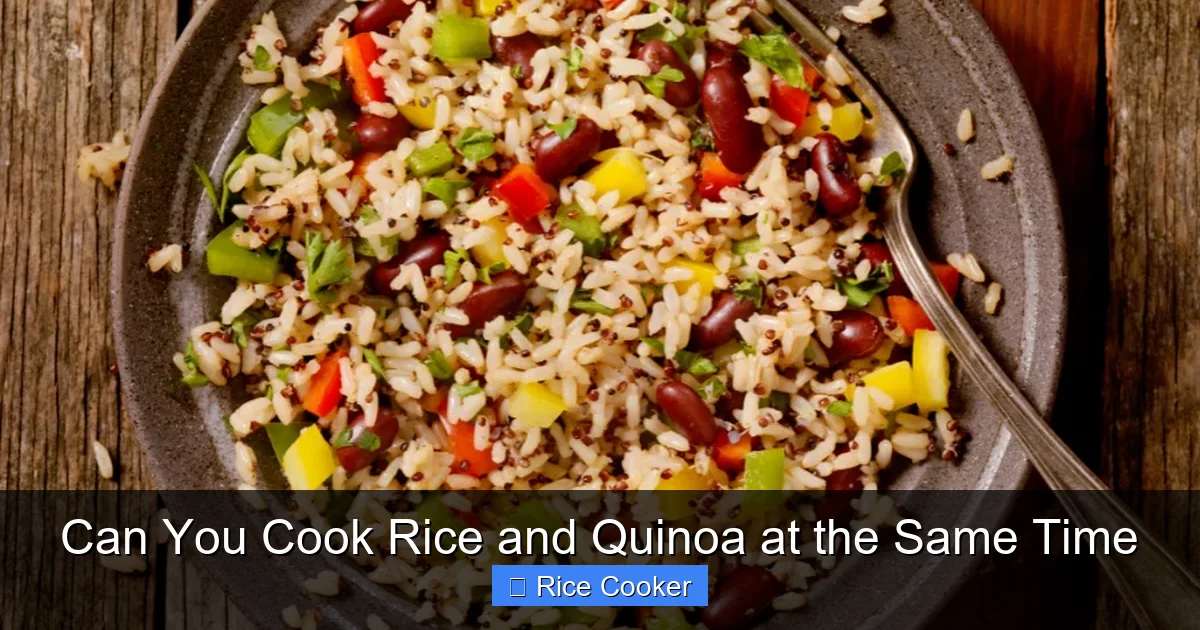
Visual guide about Can You Cook Rice and Quinoa at the Same Time
Image source: foodandkitchenappliances.com
Nutritional Boost
Quinoa is often called a superfood for a reason. It’s a complete protein, containing all nine essential amino acids that our bodies can’t produce on their own. Rice, especially brown rice, offers complex carbohydrates and fiber. When you cook them together, you’re doubling down on energy-boosting nutrients without extra effort. Think of it as a two-in-one power lunch or dinner.
Texture Harmony
One of the best parts about cooking rice and quinoa together is how well they complement each other’s texture. Rice tends to be softer and more absorbent, while quinoa holds its shape and has a slightly nutty bite. When cooked simultaneously, they create a balanced mix—fluffy yet firm, light yet satisfying. Perfect for grain bowls, salads, or even stuffing recipes.
Savings on Water and Energy
Cooking grains separately means using more water and energy. By combining rice and quinoa, you reduce both. Most rice cookers are designed to handle small variations in grain types, and since both need similar amounts of liquid, you won’t end up with a soggy disaster or dry, cracked quinoa.
How to Cook Rice and Quinoa Together in a Rice Cooker
Ready to give it a try? Follow this simple step-by-step guide to cook rice and quinoa together like a pro. It’s straightforward, foolproof, and works with most standard rice cookers.
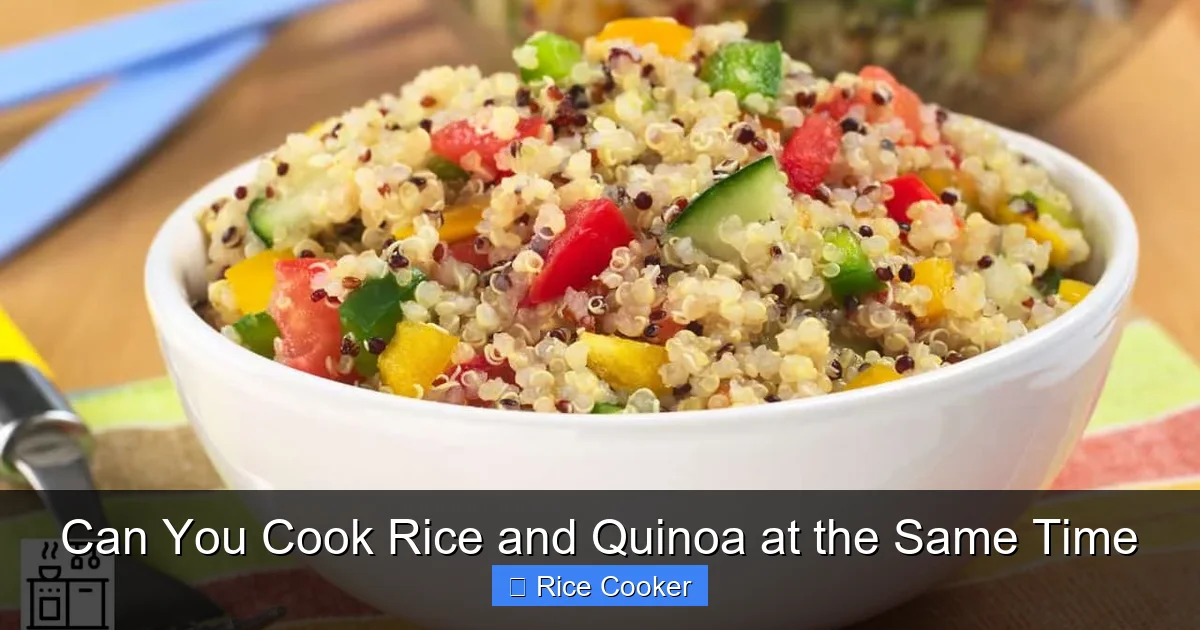
Visual guide about Can You Cook Rice and Quinoa at the Same Time
Image source: kitchencuddle.com
Step 1: Measure and Rinse
Start by measuring out equal or near-equal amounts of rice and quinoa. A common ratio is 1 cup of each, but you can adjust based on your appetite or recipe needs. For example, use ¾ cup rice and ¾ cup quinoa if you prefer more rice.
Next, rinse both grains thoroughly under cold running water. Why rinse? Because quinoa comes with a natural coating called saponin, which can make it taste bitter if not washed off. Rinsing also helps remove excess starch from rice, preventing clumping.
Step 2: Add Liquid
The magic number for rice and quinoa is about 1.5 to 2 cups of water (or broth) per cup of grain. So for 1 cup each, use 3 to 4 cups total. If you’re using chicken or vegetable broth instead of water, your dish will gain extra flavor—great for soups or grain bowls.
Pro tip: If you’re using brown rice, increase the liquid slightly—up to 2.5 cups per cup of grain—since it absorbs more moisture.
Step 3: Add Flavor (Optional)
Want to jazz things up? Add a pinch of salt, a teaspoon of olive oil, or even a bay leaf before cooking. Herbs like thyme or rosemary can infuse subtle earthy notes. Just remember: keep it minimal, as too much salt or fat can affect how the grains absorb water and cook evenly.
Step 4: Cook and Let It Rest
Place everything in your rice cooker, close the lid, and press the “Cook” button. Most rice cookers automatically switch to “Keep Warm” once done—usually after 18–20 minutes. Once finished, let the mixture sit for 5–10 minutes with the lid on. This allows any remaining steam to distribute evenly and helps the quinoa firm up without getting mushy.
Step 5: Fluff and Serve
After resting, gently fluff the grains with a fork. You’ll notice the rice stays tender and separate, while the quinoa retains its signature bite. Mix them together or serve side-by-side—either way, you’ve got a balanced, delicious meal ready to go.
What Happens if You Don’t Rinse Quinoa?
This is a common question: Can you skip rinsing? Technically, yes—but it’s not recommended. Unrinsed quinoa can taste soapy or bitter, which ruins an otherwise perfect dish. The saponin isn’t harmful, but it’s definitely not pleasant. Rinsing takes just 30 seconds and is worth the effort.
If you’re short on time, try soaking quinoa in water for 10 minutes instead. Drain and rinse afterward. Or, buy pre-rinsed quinoa—available in many grocery stores. Just check the label; some brands still require a quick rinse.
Best Rice Cooker Types for Mixed Grains
Not all rice cookers are created equal. Some are better suited for handling different grain textures and cooking styles. Here’s what to look for when cooking rice and quinoa together:
Basic Rice Cookers
These are affordable and reliable for everyday cooking. They use simple heating elements and timers. Great for beginners and those who cook rice and quinoa frequently. Just make sure it has enough capacity—at least 6 cups uncooked to comfortably hold 1–2 cups of each grain.
Fuzzy Logic Rice Cookers
These advanced models sense temperature changes and adjust cooking cycles accordingly. Ideal for delicate grains like quinoa, which can easily overcook. Fuzzy logic cookers prevent scorching and ensure even doneness, making them perfect for mixed-grain meals.
Multi-Function Cookers
If you have a pressure cooker-style rice cooker (like Instant Pot), you can also cook rice and quinoa together using the “Manual” or “Rice” setting. Just follow the same water-to-grain ratio and avoid opening the lid during cooking.
Tips for Perfect Results Every Time
Even with the right method, a few small tweaks can make your mixed grain dish stand out. Try these expert tips:
- Don’t overcrowd: Too much grain in one pot can lead to uneven cooking. Stick to half the cooker’s capacity.
- Use room-temperature liquid: Cold water can slow down the cooking process, especially in electric cookers.
- Let it breathe after cooking: Residual steam helps grains finish cooking gently. Avoid lifting the lid too soon.
- Store properly: Leftovers can be refrigerated for up to 5 days or frozen for up to 3 months. Reheat with a splash of water to restore moisture.
Meal Prep Ideas with Cooked Rice and Quinoa
Once you master cooking rice and quinoa together, you’ll want to use it everywhere. Here are some creative ways to put it to work:
Grain Bowls
Layer cooked grains with roasted vegetables, grilled chicken, avocado, and a tahini dressing. Add a boiled egg for extra protein. Customizable, colorful, and nutritious.
Stuffed Peppers or Tomatoes
Mix the grains with sautéed onions, garlic, and spices. Stuff into bell peppers and bake until tender. A hearty vegetarian option.
Fried Rice or Quinoa Salad
Use day-old grains for fried “rice” or toss with cucumbers, cherry tomatoes, feta, and lemon vinaigrette. No need to cook fresh every time!
Breakfast Porridge
Warm the grains with almond milk, cinnamon, and berries. Top with nuts or seeds. A protein-packed morning alternative.
Troubleshooting Common Mistakes
Even seasoned cooks run into hiccups. Here’s how to fix them:
Grains Are Too Dry
Caused by too little water or a faulty seal on the cooker lid. Always measure liquid carefully and ensure the lid fits tightly.
Quinoa Sticks Together
This happens if you didn’t rinse or if the mixture was stirred too much after cooking. Gentle folding is key—don’t mash it.
Rice Is Mushy
Overcooked due to high heat or too much water. Use less liquid next time and avoid opening the lid during cooking.
Uneven Texture
If some grains are soft and others hard, your cooker may not distribute heat evenly. Stir halfway through if safe to do so (some cookers allow this).
Can You Add Other Grains?
Absolutely! Once you’ve mastered rice and quinoa, expand your horizons. Try mixing with barley, farro, or millet. Each has slightly different water needs, so adjust accordingly. For example, barley takes longer to cook, so add it first and set a timer.
Note: Not all grains cook at the same pace. If adding a slower-cooking grain, start it first or use a multi-batch method. But for simplicity, stick to quick-cooking grains like white rice and quinoa.
Final Thoughts: A Simple Step Toward Healthier Eating
Cooking rice and quinoa at the same time isn’t just a time-saver—it’s a lifestyle upgrade. It encourages variety in your diet, supports balanced nutrition, and reduces kitchen clutter. Plus, using a rice cooker takes the guesswork out of grain cooking, ensuring consistent results every time.
Whether you’re new to quinoa or a longtime fan of rice, combining them is a smart, practical choice. Start today with a simple 1:1 ratio, rinse your quinoa, and let technology do the rest. Before long, you’ll wonder how you ever lived without this easy, healthy hack.
So go ahead—grab your rice cooker, measure your grains, and cook up something delicious. Your future self will thank you.
Frequently Asked Questions
Can I cook brown rice and quinoa together?
Yes, but adjust the water ratio. Brown rice needs more liquid (about 2.5 cups per cup), while quinoa uses 1.5–2 cups. Combine 1 cup brown rice and 1 cup quinoa with 4.5–5 cups water for best results.
Do I need to soak quinoa before cooking?
Soaking isn’t necessary, but it can help reduce cooking time slightly and improve texture. Simply soak for 10 minutes, drain, and rinse before cooking.
Can I cook rice and quinoa in a regular pot on the stove?
Yes, but it requires more attention. Bring water to a boil, add grains, reduce heat, cover, and simmer for 18–20 minutes. Stir occasionally to prevent sticking.
Will rice and quinoa cook evenly together?
In most cases, yes. Their similar cooking times and water needs allow them to finish together. Just ensure proper rinsing and correct liquid measurement.
Can I cook rice and quinoa in a slow cooker?
It’s possible, but not ideal. Slow cookers take much longer and may result in uneven texture. Best reserved for soups or stews where grains are cooked with other ingredients.
How long do cooked rice and quinoa last in the fridge?
Stored in an airtight container, mixed grains stay fresh for up to 5 days in the refrigerator and up to 3 months in the freezer. Reheat with a splash of water to restore moisture.