
You absolutely can cook rice and potatoes together—and it’s easier than you think! Using a rice cooker, you can combine both ingredients into one hearty, flavorful dish with minimal effort. Whether you’re meal-prepping or feeding a hungry family, this combo delivers comfort and nutrition in every bite.
Have you ever found yourself staring into your pantry, wondering what to make for dinner? You’ve got rice, you’ve got potatoes—two of the most versatile and affordable ingredients on the planet. But are they compatible? Can you cook rice and potatoes together?
The short answer? Absolutely. In fact, combining rice and potatoes in a rice cooker is not only possible—it’s practical, tasty, and perfect for busy households. This duo creates a satisfying, one-pot meal that’s rich in carbohydrates, fiber, and essential nutrients. Whether you’re feeding a family, meal-prepping for the week, or just want to simplify your cooking routine, this combination checks all the boxes.
In this article, we’ll walk you through everything you need to know about cooking rice and potatoes together. From the science behind why it works to step-by-step instructions, ingredient pairings, and pro tips, you’ll learn how to turn two simple staples into something truly special. Plus, we’ll cover common mistakes to avoid, alternative methods, and creative ways to elevate your dish. By the end, you’ll be ready to confidently toss rice and potatoes into your rice cooker and let magic happen.
Key Takeaways
- Yes, you can cook rice and potatoes together—they’re both starchy and work well in a rice cooker.
- Using a rice cooker is the best method, as it maintains consistent heat and timing for even cooking.
- Rice cooks faster than potatoes, so soaking or pre-cooking potatoes ensures they finish at the same time.
- Adding vegetables or protein makes the dish more complete and balanced.
- Seasoning early enhances flavor—salt, garlic, and herbs infuse both grains and tubers.
- Soaking peeled potatoes prevents browning and helps them cook evenly.
- This method saves time and reduces cleanup, perfect for busy weeknights.
📑 Table of Contents
- Why Cooking Rice and Potatoes Together Works
- The Best Way: Using a Rice Cooker
- Alternative Methods: Stovetop and Instant Pot
- Flavor Enhancements and Creative Variations
- Common Mistakes to Avoid
- Nutritional Benefits of Rice and Potato Combo
- Storage and Reheating Tips
- Conclusion: A Simple Solution for Busy Lives
Why Cooking Rice and Potatoes Together Works
At first glance, rice and potatoes might seem like unlikely bedfellows. One’s a grain, the other a tuber. One absorbs water like a sponge, the other releases starch when cooked. So, can you cook rice and potatoes together without ending up with mushy rice and underdone potatoes?
The secret lies in understanding their cooking behaviors—and how a rice cooker manages both.
Rice needs consistent moisture and heat to gelatinize its starches, transforming raw kernels into fluffy, separate grains. Potatoes, on the other hand, break down over time when exposed to heat and water, releasing natural starches that thicken the cooking liquid. When combined, these two ingredients interact in a way that can either enhance or undermine each other—depending on how you manage them.
That’s where the rice cooker shines. Unlike a pot on the stove, a rice cooker maintains precise temperature control, automatically switching from heating to warming mode once the water evaporates. This prevents scorching and ensures even cooking throughout. It also means you don’t have to babysit the pot—perfect for multitasking or doing something else while dinner cooks itself.
But before you toss everything into the cooker, there’s one important caveat: timing. Rice typically takes 15–20 minutes to cook, while potatoes can take up to 30 minutes or more, depending on size and type. If you add whole potatoes to the rice, they may still be hard when the rice is done—or worse, the rice could dry out.
To solve this, many home cooks peel and cut potatoes into uniform cubes, then soak them briefly to prevent browning and speed up cooking. Others opt for pre-boiling the potatoes for a few minutes before adding them to the rice. Either way, the goal is to match their cooking times so both ingredients finish tender and fully cooked at the same time.
The Best Way: Using a Rice Cooker
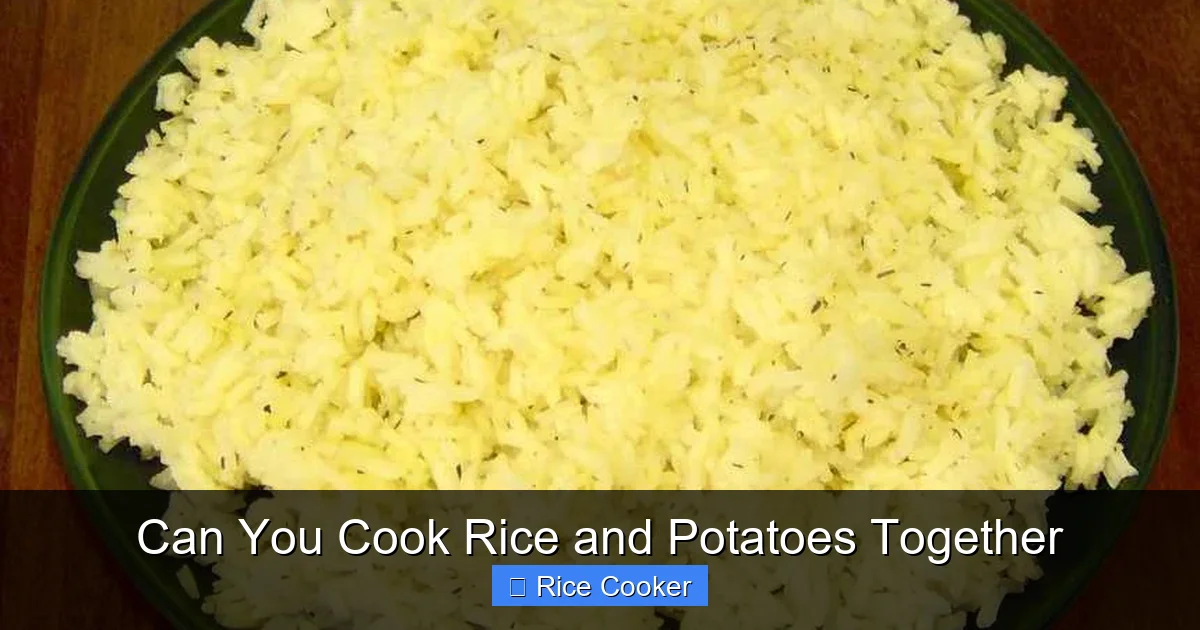
Visual guide about Can You Cook Rice and Potatoes Together
Image source: metrocookingdallas.com
If you’re asking, “Can you cook rice and potatoes together?” the most foolproof method is using a rice cooker. Why? Because it eliminates guesswork and ensures consistent results every time.
Start by measuring your ingredients. A good rule of thumb is to use equal parts rice and potatoes by volume—about 1 cup of uncooked rice and 1 cup of diced potatoes (roughly 1-inch pieces). Adjust based on how much you’re serving.
Begin by rinsing the rice under cold water until the water runs clear. This removes excess starch and prevents gunkiness. Drain well.
Next, dice your potatoes. Peel them if you prefer smoother texture (optional), then cut into even cubes so they cook uniformly. Soak the potato cubes in cold water for 10–15 minutes to remove surface starch and reduce browning. Drain and pat dry.
Now, add everything to the rice cooker: rinsed rice, drained potatoes, salt to taste (about ½ teaspoon per cup of rice), and water. The water ratio is key—typically 1:1.5 to 1:2 (rice to water), but since potatoes absorb some moisture, start with 1.5 cups water per 1 cup rice. If your rice cooker has a “mixed rice” or “multigrain” setting, use that—it adjusts timing and heat for non-traditional grains.
Press start. Once the cycle ends, let the mixture sit for 5–10 minutes with the lid closed. This allows residual steam to finish cooking any remaining potatoes and firms up the rice. Then fluff gently with a fork.
The result? Tender, slightly creamy rice with soft potato chunks that blend seamlessly into the grain. It’s hearty, filling, and surprisingly comforting.
Pro Tips for Perfect Rice and Potato Combos
– Cut potatoes evenly: Uniform pieces ensure consistent cooking.
– Don’t skip soaking: It reduces cooking time and improves texture.
– Add flavor early: Toss in garlic cloves, bay leaves, or onion slices before cooking.
– Try different rice types: Brown rice, wild rice, or basmati can change the texture and nutrition profile.
– Boost nutrition: Add peas, carrots, or cooked beans during the last 5 minutes of cooking.
Alternative Methods: Stovetop and Instant Pot
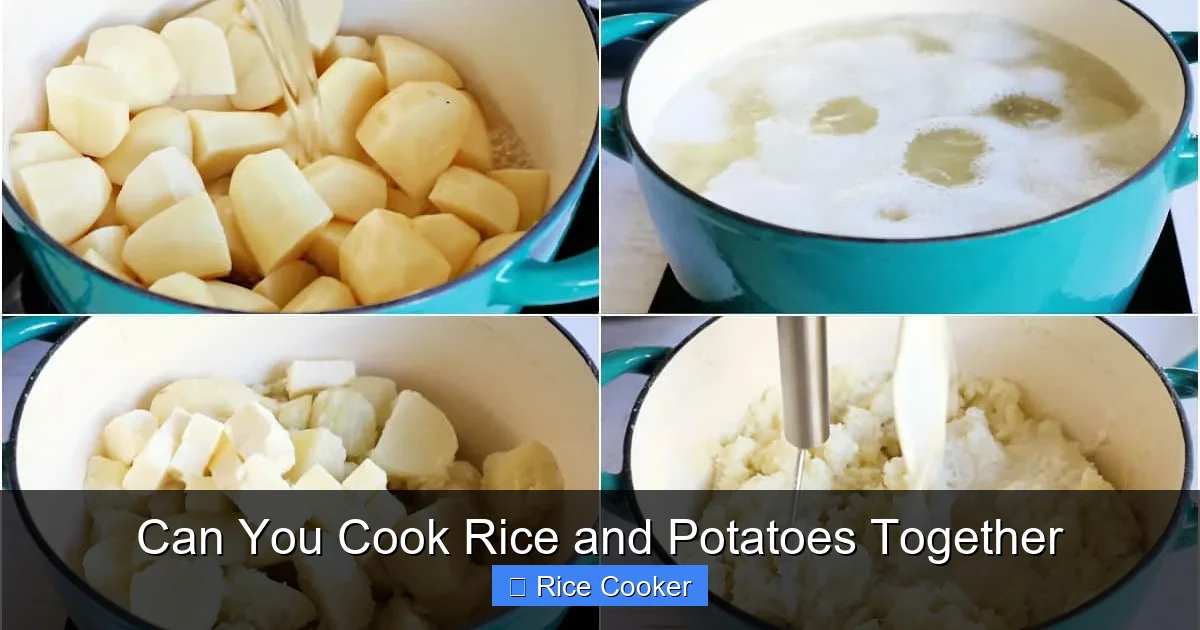
Visual guide about Can You Cook Rice and Potatoes Together
Image source: momontimeout.com
While the rice cooker is ideal, you might not always have one handy. That’s okay! You can also cook rice and potatoes together on the stovetop or in an Instant Pot.
On the stovetop, bring a pot of water to a boil. Add diced potatoes and cook for 5–7 minutes until just tender. Drain and set aside. In the same pot, add rice, the reserved potato water (or fresh water), salt, and any aromatics. Reduce heat to low, cover, and simmer for 18–20 minutes, or until rice is done. Remove from heat and let stand 5 minutes before fluffing.
With an Instant Pot, set it to “Manual” or “Pressure Cook” mode. Combine rice, potatoes, salt, and water (1.5:1 ratio). Lock the lid, vent valve to sealing, and cook on high pressure for 6 minutes. After natural release for 10 minutes, quick-release any remaining pressure. Fluff and serve.
Each method yields slightly different textures—the Instant Pot tends to produce softer potatoes due to higher steam pressure—but all are valid options depending on your kitchen setup.
Flavor Enhancements and Creative Variations
Cooking rice and potatoes together isn’t just about sustenance—it’s an opportunity to get creative. With the right seasonings and additions, you can transform this humble dish into something bold and exciting.
Start with the basics: sauté onions, garlic, or shallots in a little oil before adding rice and potatoes. This builds a flavorful base. Add herbs like thyme, rosemary, or parsley for earthy depth. For warmth, include spices such as cumin, paprika, or turmeric—great in Latin, Mediterranean, or Middle Eastern-inspired versions.
Want to make it a full meal? Stir in cooked chicken, sausage, or black beans during the last few minutes of cooking. Vegetables like corn, bell peppers, or spinach add color and nutrition. For a vegan option, consider mushrooms or lentils.
Dairy lovers can finish with a splash of milk or cream and a sprinkle of grated cheese. Top with fried eggs for extra protein and richness.
Experiment with rice varieties too. Jasmine rice gives a fragrant, sticky texture; arborio rice creates a creamy risotto-like consistency; and brown rice adds nutty flavor and extra fiber.
The possibilities are endless—and all within reach of your rice cooker.
Common Mistakes to Avoid
Even seasoned cooks can stumble when combining rice and potatoes. Here are the most common pitfalls—and how to avoid them.
1. Not cutting potatoes evenly: Irregular sizes lead to uneven cooking. Always aim for 1-inch cubes.
2. Skipping soaking: Unsoaked potatoes release more starch, making the dish gummy. Soak for 10–15 minutes.
3. Using too much water: Potatoes absorb moisture, so don’t add extra beyond the standard rice ratio. Start with 1.5 cups per cup of rice.
4. Adding salt late: Salt draws out moisture and affects texture. Season at the beginning.
5. Overmixing after cooking: Gently fold instead of stir vigorously to keep grains intact.
6. Not letting it rest: Standing time allows steam to finish cooking potatoes and firms up rice.
By sidestepping these errors, you’ll achieve perfectly textured, flavorful results every time.
Nutritional Benefits of Rice and Potato Combo
Beyond taste and convenience, combining rice and potatoes offers notable nutritional advantages.
Both are excellent sources of complex carbohydrates, providing sustained energy. Rice is rich in B vitamins and magnesium, while potatoes offer potassium, vitamin C, and dietary fiber—especially when eaten with skin.
When cooked together, they create a balanced macronutrient profile. Pairing them with protein (like beans or meat) and vegetables makes a complete meal that supports satiety and muscle health.
Brown rice adds extra fiber and antioxidants compared to white rice, further boosting the dish’s nutritional value. And because the rice cooker method requires minimal added fat, it’s a lighter option than frying or heavy sauces.
For those managing blood sugar, choosing brown rice and unpeeled potatoes can help moderate glucose response due to their higher fiber content.
Storage and Reheating Tips
Leftovers? Fantastic! Rice and potato dishes store beautifully.
Let the mixture cool completely, then transfer to an airtight container. Refrigerate for up to 4 days or freeze for up to 3 months. When reheating, add a splash of water or broth to revive moisture—microwave in 30-second intervals, stirring between, until hot throughout.
Avoid reheating in the rice cooker unless it has a reheat function. Instead, warm on the stovetop or in the microwave.
Note: Do not leave cooked rice and potatoes at room temperature for more than 2 hours to prevent bacterial growth.
Conclusion: A Simple Solution for Busy Lives
So, can you cook rice and potatoes together? Without a doubt—yes. It’s not only possible, but practical, nutritious, and delicious. Thanks to modern appliances like the rice cooker, preparing this combo is easier than ever.
Whether you’re a college student, a parent juggling schedules, or someone who simply loves one-pot meals, this technique saves time, reduces cleanup, and delivers satisfying results. With a few simple adjustments—like soaking potatoes and matching cooking times—you can master this dish in minutes.
From classic plain versions to globally inspired twists, the sky’s the limit. Try it once, and you’ll likely find yourself reaching for rice and potatoes together again and again.
Your next meal doesn’t need to be complicated. Sometimes, the best recipes are made of the simplest ingredients—cooked together with care and a little know-how.
Frequently Asked Questions
Can you cook rice and potatoes together in a rice cooker?
Yes, you absolutely can cook rice and potatoes together in a rice cooker. Just peel and dice the potatoes, soak them briefly, and cook with rinsed rice and water. Use a standard or mixed-rice setting for best results.
Do potatoes affect how rice cooks?
Potatoes release starch during cooking, which can slightly thicken the liquid and soften the rice. To avoid mushiness, soak potatoes before adding and monitor water levels carefully.
Should I peel the potatoes before cooking with rice?
Peeling is optional. Peeled potatoes cook faster and yield a smoother texture. Leave the skin on for extra fiber and nutrients, but cut them smaller for even cooking.
How much water do I use when cooking rice and potatoes together?
Use 1.5 cups of water per 1 cup of uncooked rice. Potatoes absorb some moisture, so starting with a bit more water ensures the rice doesn’t dry out.
Can I add other ingredients like vegetables or meat?
Absolutely. Add frozen vegetables during the last 5 minutes, or stir in cooked meat or beans at the end. This turns your basic mix into a full, balanced meal.
What type of rice works best with potatoes?
White rice is traditional and pairs well with potatoes. Try brown rice for extra fiber, or jasmine for fragrance. Each changes the texture and nutritional profile slightly.