
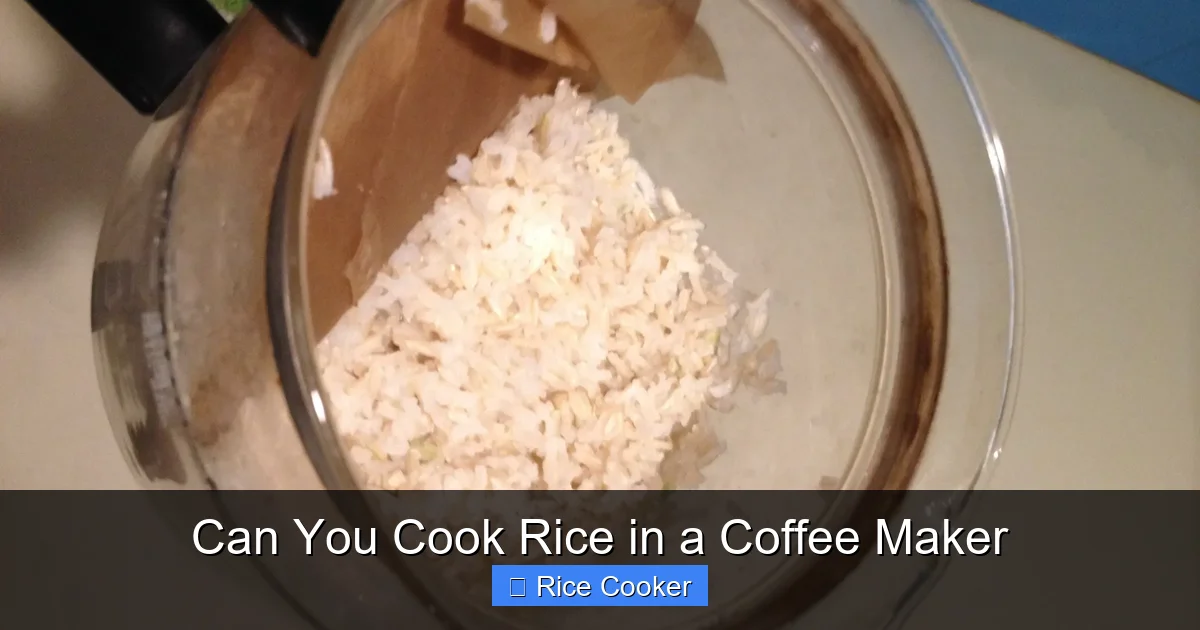
Yes, you can cook rice in a coffee maker, but it’s not ideal. While some models allow it with proper adjustments, most aren’t designed for dry grains like rice, leading to inconsistent results. For reliable, fluffy rice every time, a dedicated rice cooker is still your best bet.
Key Takeaways
- Rice cookers are designed for rice: They use precise temperature control and steam release to cook rice perfectly.
- Coffee makers vary widely: Some older drip models can handle rice, but newer ones often can’t due to design changes.
- Water-to-rice ratio matters: Use 1:1.5 (rice to water) for short-grain varieties; adjust slightly for long-grain.
- Taste and texture suffer: Rice cooked in coffee makers tends to be mushy or undercooked due to lack of proper steaming.
- Safety first: Never leave a coffee maker unattended while cooking rice—it can burn or cause overflow.
- Try it small-scale first: Test with ½ cup of rice to see if your machine handles it before committing to a full meal.
- Consider alternatives: Stovetop, Instant Pot, or rice cooker remain superior options for consistent results.
📑 Table of Contents
- Can You Cook Rice in a Coffee Maker? The Surprising Truth
- How Does Rice Actually Cook?
- Which Types of Coffee Makers Can Handle Rice?
- Step-by-Step: How to Try Cooking Rice in a Drip Coffee Maker
- What Happens When You Cook Rice in a Coffee Maker?
- Better Alternatives to Coffee Maker Rice
- When Might Coffee Maker Rice Be Acceptable?
- Final Thoughts: Is It Worth Trying?
Can You Cook Rice in a Coffee Maker? The Surprising Truth
You’ve probably seen the question pop up on social media or heard it from a friend: “Can you cook rice in a coffee maker?” It sounds like a kitchen hack straight out of a sitcom—imagine your morning brew double-duty as dinner prep. But is it practical? Safe? Actually useful?
Let’s cut through the confusion. Yes, you technically can cook rice in certain types of coffee makers—but only under specific conditions and with major caveats. Most modern coffee makers aren’t built for dry-heat cooking like boiling rice. Instead, they’re designed to heat water and pass steam through grounds. That means even if your machine has a “brew” cycle, it may not reach the sustained, high heat needed to properly cook rice grains.
In this deep dive, we’ll explore what makes a coffee maker tick, how rice actually cooks (or fails to), and whether repurposing your morning appliance for dinner is worth the risk. We’ll also compare it to safer, more effective methods so you can make an informed decision—without wasting rice or burning down your kitchen.
How Does Rice Actually Cook?
The Science Behind Perfectly Cooked Rice
Rice is essentially starch that absorbs water and gelatinizes when heated. The process starts with hydration—soaking or direct absorption of water into each grain. Then comes the cooking phase, where temperatures between 180°F and 212°F (82°C to 100°C) cause the starches to swell and soften. Finally, residual heat finishes the job without boiling off all the moisture, leaving fluffy, separate grains.
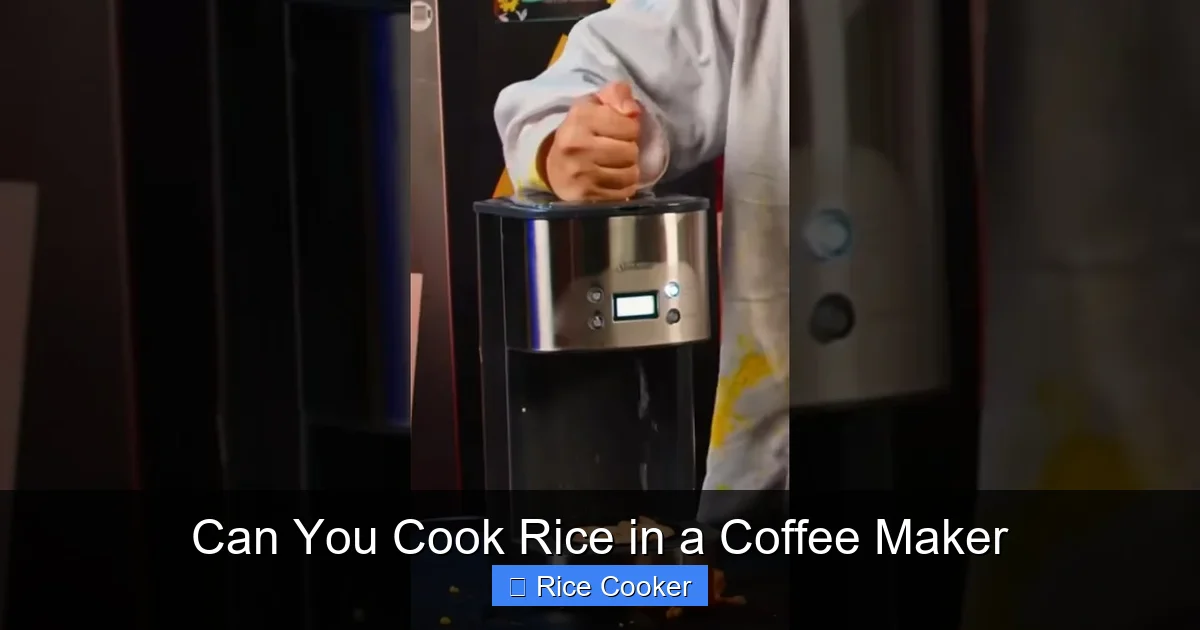
Visual guide about Can You Cook Rice in a Coffee Maker
Image source: i.ytimg.com
A good rice cooker automates this entire process. It boils the water, then switches to a keep-warm mode after absorbing enough moisture. This two-stage method prevents scorching and ensures even cooking. Coffee makers, by contrast, don’t have this dual-phase system. They usually just heat water and let it drip through—no monitoring of internal rice moisture levels.
Why Most People Avoid Coffee Makers for Rice
Even if your coffee maker has a large carafe or thermal reservoir, it wasn’t made to hold solid food. The heating element sits at the bottom, which means rice could scorch or stick if there’s too little liquid. Also, coffee makers aren’t sealed—they release steam during brewing, which would evaporate precious water meant for rice. Without enough water, your rice turns gummy. With too much, it becomes soupy.
Another issue? Timing. Rice needs about 15–40 minutes (depending on type) to cook fully. But coffee makers typically run cycles under 10 minutes unless you manually extend them. If you stop the cycle early, your rice might be hard in the center. Leave it too long, and it risks overcooking or burning.
Which Types of Coffee Makers Can Handle Rice?
Drip Coffee Makers: The Only Real Possibility
If you want to try cooking rice in a coffee maker, your best shot is an old-fashioned drip model—not a single-serve pod machine or French press. These have a water reservoir and heating plate, similar to a rice cooker’s design. You’d pour pre-measured water into the reservoir, add rinsed rice directly into the filter basket (or use a mesh strainer), and run a full brew cycle.
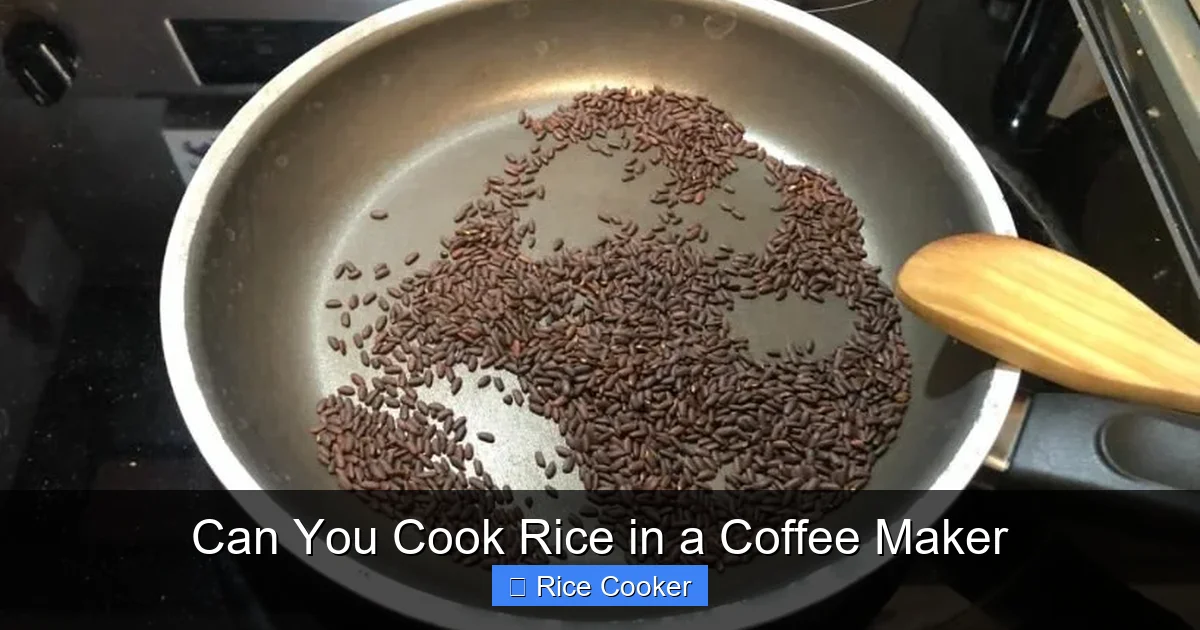
Visual guide about Can You Cook Rice in a Coffee Maker
Image source: homegrounds.co
But wait—there’s a catch. Even here, success isn’t guaranteed. Many drip machines only heat water to around 195°F, not quite hot enough to fully gelatinize long-grain rice. And because the “brew” cycle ends automatically, you’d need to monitor closely or manually restart it if the rice isn’t done.
Single-Serve Pod Machines: Not Recommended
Think Keurig or Nespresso? Don’t even think about it. These machines use tiny reservoirs and high-pressure pumps to force hot water through capsules. There’s no room for solid ingredients, and the mechanism can’t handle rice at all. Plus, pouring rice into a portafilter or pod holder would clog the machine instantly.
French Press and Pour-Over: Still Not Ideal
These manual methods require constant stirring and monitoring. Sure, you could theoretically boil rice water in a French press, but again—you’re not getting the controlled environment of a rice cooker. And forget about leaving it unattended; rice needs steady heat for consistent results.
Step-by-Step: How to Try Cooking Rice in a Drip Coffee Maker
Ready to experiment? Follow these cautious steps if your goal is to test whether your coffee maker can handle rice. Remember: this is experimental, not recommended for regular use.
- Choose the right rice: Short-grain or sushi rice works best—it’s less likely to fall apart and holds shape better under uneven heat.
- Measure precisely: Use ½ cup uncooked rice + ¾ cup water (roughly a 1:1.5 ratio). Adjust based on your machine’s capacity.
- Rinse the rice: Rinse until water runs clear to remove excess starch and prevent gumminess.
- Use a mesh strainer: Place the rice in a fine-mesh sieve or cheesecloth inside the filter basket so grounds won’t mix in.
- Add water to the reservoir: Fill with measured water—don’t exceed max line.
- Brew slowly: Start the cycle and watch carefully. If rice isn’t done after one cycle, pause, stir gently, and restart.
- Fluff and serve: Once tender, remove immediately to avoid mushiness.
Even then, expect variable results. Some users report semi-edible rice; others get sticky clumps. It’s not efficient, and cleanup is messy.
What Happens When You Cook Rice in a Coffee Maker?
Texture and Taste Issues
Because coffee makers don’t maintain consistent heat or monitor moisture, rice often ends up either undercooked (hard centers) or overdone (mushy edges). The lack of a sealed cooking chamber allows steam to escape, drying out parts while leaving others wet. This inconsistency ruins both texture and flavor—your once-lovely arborio rice becomes glue-like instead of creamy.
Additionally, coffee oils and residues from previous brews can leach into the rice, giving it a faint bitter aftertaste. Even if you clean the carafe thoroughly, microscopic particles remain, especially in older machines.
Safety Concerns
Beyond taste, there are real safety risks. Overfilled reservoirs can overflow when rice expands. Burnt rice near the heating element may smoke or catch fire if left unattended. And since coffee makers aren’t rated for cooking solids, prolonged use could damage the warming plate or heating coil.
Manufacturers never intended this use case. Using a coffee maker for anything other than coffee voids warranties and increases wear-and-tear. In rare cases, mineral buildup from hard water interacting with rice starch has caused clogs or malfunctions.
Better Alternatives to Coffee Maker Rice
Stovetop Method: Simple and Reliable
If you don’t own a rice cooker, the stovetop is your next-best option. Bring water to a rolling boil, add salt, then stir in rinsed rice. Reduce heat to low, cover tightly, and simmer for 15–20 minutes (white rice). Let it rest 5 minutes before fluffing. No guesswork, no mess—just classic results.
Instant Pot or Pressure Cooker: Fast & Foolproof
Modern electric pressure cookers take the guesswork out entirely. Add rice, water, and a pinch of salt, seal the lid, set timer, and walk away. In 10 minutes, you’ll have perfect basmati, jasmine, or brown rice. Cleanup takes seconds.
Dedicated Rice Cooker: The Gold Standard
This is why most chefs and home cooks recommend investing in a rice cooker. Models range from $20 basic units to $200 smart appliances with fuzzy logic and multiple settings. They automate every step: heating, steaming, warming, and even reheating leftovers. For under $30, you get restaurant-quality rice every single time.
When Might Coffee Maker Rice Be Acceptable?
There are niche scenarios where trying this hack makes sense—but only if you understand the limitations.
- Emergency backup: If your rice cooker breaks mid-meal prep and you have a drip machine handy, a small batch might save the day.
- Travel or camping: Some portable coffee makers double as rice cookers in a pinch—especially if they have a removable basket.
- Experimentation: Food scientists or culinary students testing alternative cooking methods might document results without expecting perfection.
In all other cases, it’s better to accept that coffee makers and rice belong together only metaphorically—like morning and afternoon.
Final Thoughts: Is It Worth Trying?
Cooking rice in a coffee maker isn’t impossible, but it’s far from practical. The effort, inconsistency, and potential hazards outweigh any minor convenience. Unless you’re curious (and willing to accept subpar results), skip it.
If you love your coffee maker but miss having instant fluffy rice, consider upgrading to a combo appliance—some models now include both coffee and rice functions. Or keep your coffee maker for coffee, and invest in a simple rice cooker. Your taste buds (and dinner guests) will thank you.
Remember: kitchen tools are meant for their intended purposes. While creativity is great, respecting how devices work leads to safer, tastier meals.
Frequently Asked Questions
Can I cook white rice in a coffee maker?
Technically yes, but only with a drip coffee maker and careful monitoring. Expect variable results—sometimes undercooked, sometimes mushy. It’s not recommended for regular use.
Will cooking rice in a coffee maker void the warranty?
Yes, if the manufacturer specifies “for coffee use only.” Using it for cooking solids may invalidate coverage and increase fire risks.
What type of coffee maker works best for rice?
Only traditional drip coffee makers with large reservoirs and heating plates have a chance. Single-serve or espresso machines cannot handle solid ingredients.
How do I prevent rice from burning in a coffee maker?
Never let the machine run unattended. Stir occasionally if possible, and ensure adequate water. A mesh strainer helps contain rice while allowing steam to escape.
Is rice cooked in a coffee maker safe to eat?
Generally yes, if done correctly. However, due to inconsistent cooking and potential cross-contamination from coffee residues, it’s not ideal for sensitive diets or health-conscious eaters.
Should I buy a rice cooker instead?
Absolutely. A basic rice cooker costs under $30 and delivers consistent, fluffy rice every time—far better than any coffee maker hack.