
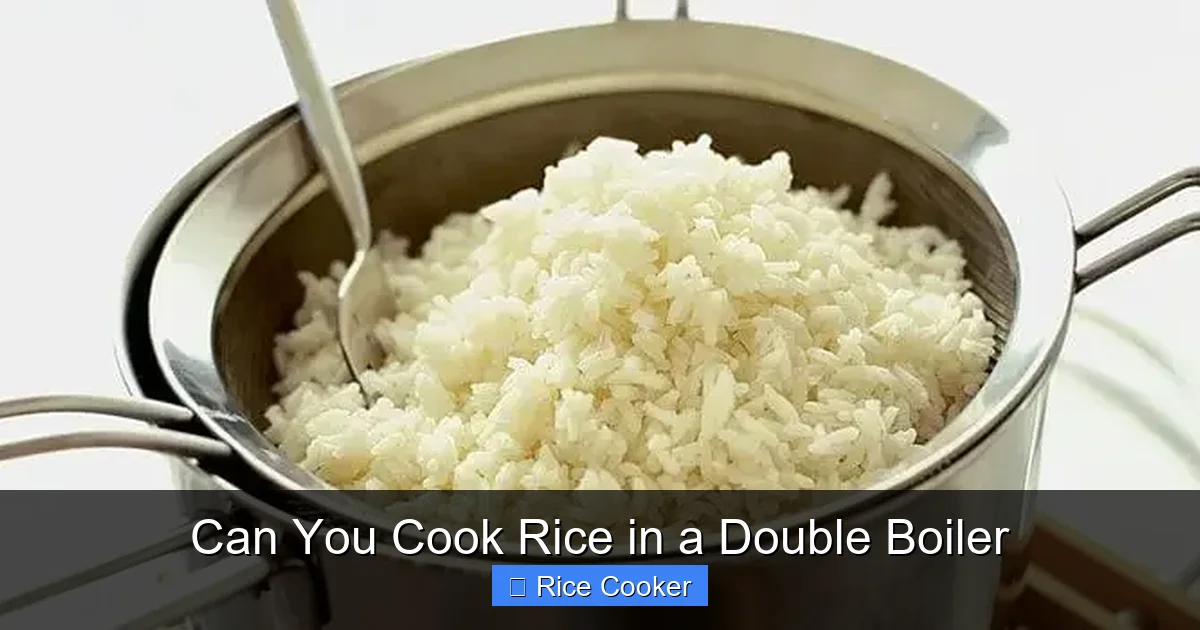
Can you cook rice in a double boiler? Yes, but it requires patience and the right technique. Unlike traditional methods, using a double boiler ensures gentle, even heat that prevents scorching and keeps your rice fluffy. While not the fastest option, it’s ideal for delicate dishes or when you want full control over texture and consistency.
Have you ever wondered if you can cook rice in a double boiler? Most people reach for a pot on the stove or a rice cooker, but what about that elegant, tiered setup you see in pastry kitchens? The double boiler—a two-pot system where the upper pot sits inside a larger one filled with simmering water—is traditionally used for melting chocolate or warming custards. But can it handle something as humble yet complex as rice?
Cooking rice isn’t just about hydration; it’s about transforming starch molecules through precise temperature control. Too high a heat, and the grains burst or stick to the bottom. Too low, and you end up with mushy, undercooked clumps. That’s where the double boiler shines. By using gentle, indirect heat, it mimics the slow-cooking environment needed for certain rice types—especially those prized for their fragrance and texture, like jasmine or basmati.
In this comprehensive guide, we’ll walk through everything you need to know: how to set up your double boiler for rice, which varieties work best, step-by-step instructions, pro tips, common mistakes to avoid, and even creative ways to use this method beyond plain white rice. Whether you’re a home cook experimenting with techniques or someone who simply loves the idea of more control over their meals, you’ll find valuable insights ahead.
Key Takeaways
- Rice can be cooked in a double boiler, though it takes longer than direct boiling due to indirect heat.
- Long-grain varieties like jasmine or basmati work best because they absorb water evenly and stay separate.
- Using the right water-to-rice ratio is critical; aim for 1:1.5 to 1:2 (rice to water).
- Covering the inner pot helps retain steam, speeding up cooking and improving moisture retention.
- Patience is key—double-boiled rice typically takes 30–40 minutes instead of 15–20 minutes.
- Stirring occasionally prevents sticking, especially during the first 10 minutes.
- It’s great for making rice puddings or steamed rice cakes where controlled heat enhances flavor.
📑 Table of Contents
- The Science Behind Cooking Rice in a Double Boiler
- Which Types of Rice Work Best in a Double Boiler?
- Step-by-Step Guide: How to Cook Rice in a Double Boiler
- Pro Tips for Perfect Double-Boiled Rice
- Common Mistakes and How to Avoid Them
- Creative Uses Beyond Plain White Rice
- Double Boiler vs. Other Rice Cooking Methods
- Final Thoughts: Is It Worth the Effort?
The Science Behind Cooking Rice in a Double Boiler
Before diving into the “how,” let’s talk about the “why.” Rice contains amylose and amylopectin—two starches that behave differently when heated. Long-grain rice, such as basmati or jasmine, has more amylose, giving it that signature light, fluffy texture when cooked properly. Short-grain rice, like sushi rice, contains more amylopectin, making it stickier.
When you cook rice directly on high heat, rapid evaporation and uneven temperatures can cause some grains to dry out while others remain hard. In contrast, a double boiler provides consistent, low-to-moderate heat from below. This allows moisture to slowly penetrate each grain without forcing steam too aggressively. Think of it like slow-braising meat—everything stays tender and evenly cooked.
Another benefit? Less stirring means fewer broken grains. Because the top pot isn’t in direct contact with flames, there’s minimal risk of scorching. Plus, the ambient steam builds naturally, helping maintain humidity around the rice—something especially useful if you’re cooking in dry climates.
Which Types of Rice Work Best in a Double Boiler?
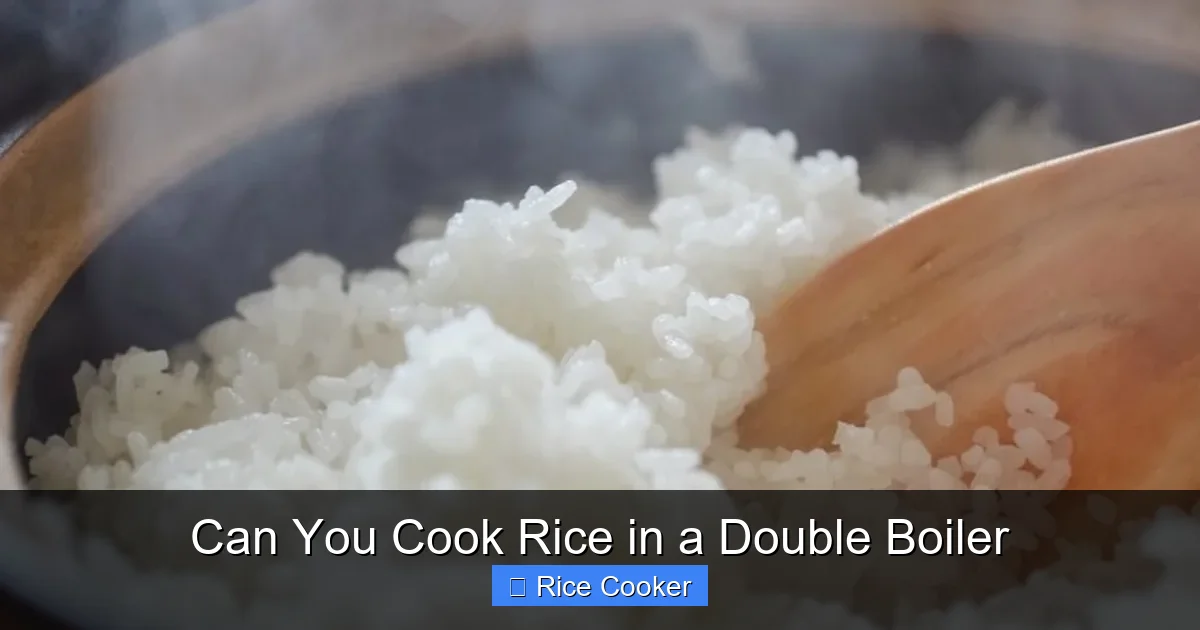
Visual guide about Can You Cook Rice in a Double Boiler
Image source: storables.com
Not all rice is created equal—and not all are suited for double-boiling. Here’s a breakdown:
Long-Grain White Rice (Basmati, Jasmine)
These are your top picks. They have slender shapes, low starch content, and cook up light and separate. Their porous structure absorbs liquid evenly, making them ideal candidates for gentle, extended cooking.
Brown Rice
Yes, it works—but only if you soak it first! Brown rice has a tougher bran layer, so it needs extra time and moisture. Soak overnight, then follow the standard double-boil method with increased water (up to 1:2.5 ratio).
Sushi Rice & Medium-Grain Varieties
These tend to clump together quickly, especially under prolonged heat. If you try them in a double boiler, stir frequently and monitor closely. Some chefs even recommend finishing sushi rice in the oven at 200°F (93°C) for better control.
Wild Rice
This unique grain actually belongs to a grass family, not true rice. It’s dense and chewy, requiring long soaking and extended cooking. A double boiler helps manage its stubborn nature without burning.
Avoid instant or pre-cooked rices—they’re engineered for speed and won’t respond well to slow heat.
Step-by-Step Guide: How to Cook Rice in a Double Boiler
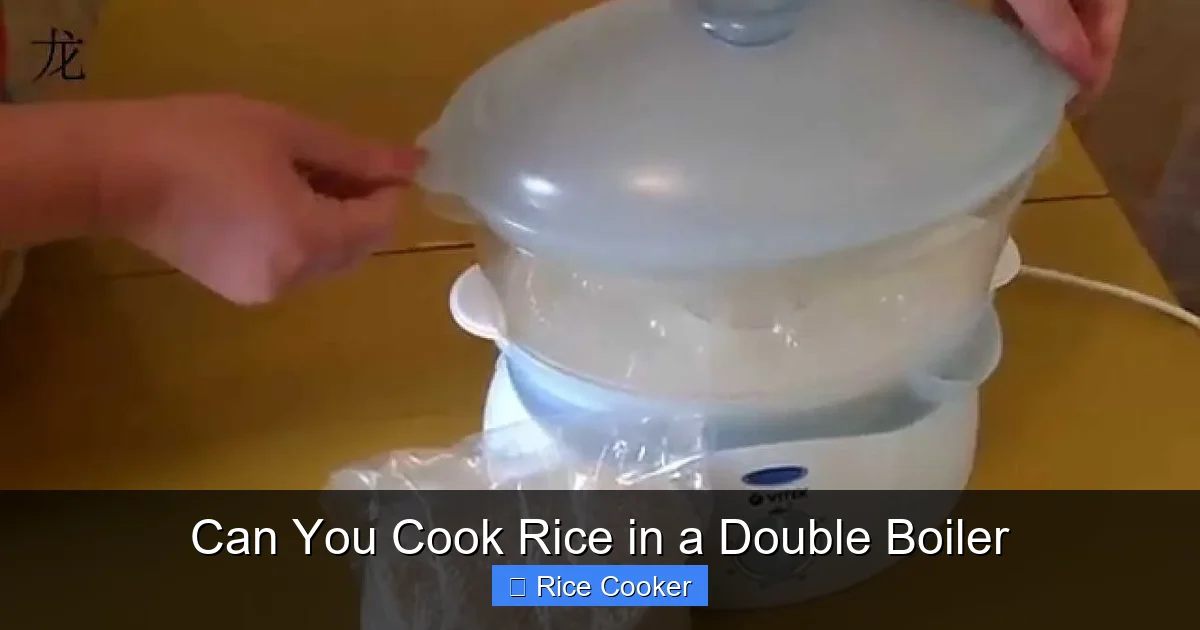
Visual guide about Can You Cook Rice in a Double Boiler
Image source: i.ytimg.com
Ready to give it a try? Follow these simple steps for foolproof results.
Gather Your Tools
You’ll need:
– A large, deep saucepan (at least 4 quarts)
– A heatproof glass or stainless steel bowl that fits snugly inside the pot (with a few inches of clearance above water level)
– Measuring cups and spoons
– A lid (optional but helpful)
Prepare the Water Base
Fill the bottom pot with about 2–3 inches of water. Bring it to a gentle simmer—not a rolling boil. You want steady, consistent steam, not aggressive bubbling.
Rinse and Measure Your Rice
Rinsing removes excess starch, which can make rice gummy. Place your rice in a fine-mesh strainer and rinse under cold water until it runs clear. Then measure using the cup method: one cup dry rice equals roughly three cups cooked.
Add Rice and Liquid to the Inner Pot
Use a 1:1.5 to 1:2 ratio (e.g., 1 cup rice + 1.5 cups water). For brown rice, go higher—1:2.5 or even 1:3. Add a pinch of salt if desired.
Place the Inner Pot Inside the Double Boiler
Ensure the bowl doesn’t touch the water. If it does, lower the heat slightly or reduce water volume. Secure the lid if available—this traps steam and speeds up cooking.
Cook Slowly Over Low-Medium Heat
Let it cook undisturbed for about 15 minutes. Then, gently lift the lid and stir once or twice to prevent sticking. Continue cooking another 15–20 minutes, checking periodically. Total time: 30–40 minutes.
Rest Before Fluffing
Once done, remove from heat and let stand covered for 5–10 minutes. This final rest allows residual heat to finish cooking evenly. Fluff with a fork before serving.
Pro Tips for Perfect Double-Boiled Rice
Want restaurant-quality results at home? Try these insider tricks.
Soak When Possible
For brown rice or wild rice, soaking reduces cooking time by up to half and improves digestibility. Just drain thoroughly before adding liquid.
Use a Thermometer (Optional)
Keep an eye on the water temperature—ideally between 180°F and 190°F (82°C–88°C). Too hot, and you risk scorching; too cool, and cooking stalls.
Don’t Rush the Process
Resist the urge to turn up the heat. Patience yields fluffier, more aromatic rice.
Season Creatively
Add aromatics like bay leaves, cardamom pods, or saffron threads directly to the water. These infuse subtle flavors without muddying the dish.
Save Leftovers Properly
Store cooled rice in an airtight container. Reheat gently in a microwave with a splash of water or steam in a covered pan.
Common Mistakes and How to Avoid Them
Even experienced cooks slip up sometimes. Here’s what to watch out for:
Mistake #1: Using Too Much Water
Excess liquid leads to soggy rice. Stick to recommended ratios and drain any leftover water after resting.
Mistake #2: Not Covering the Inner Pot
Without a lid, steam escapes, slowing cooking and drying out the surface. Use one if possible.
Mistake #3: Stirring Too Often
Over-stirring breaks grains. Limit stirring to once every 10–15 minutes after the initial soak period.
Mistake #4: Wrong Pot Size
If your inner bowl is too small, rice will overflow. If it’s too big, heat transfer suffers. Aim for a tight but safe fit.
Mistake #5: Skipping the Rinse
Unrinsed rice often turns gluey. Always rinse long-grain varieties unless instructed otherwise.
Creative Uses Beyond Plain White Rice
Why stop at basics? The double boiler’s gentle heat opens doors to exciting culinary possibilities.
Rice Pudding
Combine milk, sugar, cinnamon, and rice in the inner pot. Cook slowly for 60+ minutes until creamy and thickened. Chill and top with nuts or fruit.
Steamed Sushi Rice
Instead of boiling, cook sushi rice in the double boiler with rice vinegar added to the water. Results are lighter and less sticky than stovetop versions.
Risotto-Like Dishes
Add broth gradually while stirring occasionally. The slow infusion mimics traditional risotto but with less hands-on effort.
Dessert Rice Balls (Onigiri Style)
Cool cooked rice, shape into balls, coat in sesame seeds, and briefly sear in oil before serving warm.
Vegan Fried Rice Alternative
Cook rice ahead, chill overnight, then reheat gently in the double boiler with veggies and tamari.
Double Boiler vs. Other Rice Cooking Methods
How does double-boiled rice stack up against alternatives?
| Method | Time | Texture | Best For |
|---|---|---|---|
| Double Boiler | 30–40 min | Fluffy, separate | Delicate grains, desserts |
| Stovetop (Boiling) | 15–20 min | Variable (can be mushy) | Quick weeknight meals |
| Rice Cooker | 20–30 min | Consistently fluffy | Hands-off convenience |
| Oven (Covered) | 45–60 min | Chewy, moist | Large batches, casseroles |
| Pressure Cooker | 5–8 min | Tender but soft | Efficiency, tough grains |
Each method has strengths. The double boiler wins for precision and versatility, especially in baking or when integrating flavors subtly.
Final Thoughts: Is It Worth the Effort?
So, can you cook rice in a double boiler? Absolutely. Is it always necessary? Not really—unless you’re aiming for specific textures, working with tricky grains, or preparing elaborate desserts. But learning this technique expands your culinary toolkit. It teaches mindfulness in cooking, rewarding you with richer flavors and better control.
Next time you’re craving perfectly fluffed jasmine rice or dreaming up a silky rice pudding, consider reaching for that double boiler. Your taste buds—and your dinner guests—will thank you.
Frequently Asked Questions
Can I cook rice in a double boiler without a lid?
Yes, but covering the inner pot helps retain steam and speeds up cooking. Without a lid, expect longer times and potentially drier results. Use aluminum foil as a makeshift cover if needed.
How do I prevent my rice from sticking in a double boiler?
Stir gently once every 10–15 minutes after the initial soak. Avoid vigorous mixing. Also, ensure your inner bowl fits snugly so heat distributes evenly without hot spots.
What’s the ideal water-to-rice ratio for double-boiled rice?
For long-grain white rice: 1:1.5 to 1:2. Brown rice needs more—try 1:2.5. Always adjust based on grain type and personal preference for wetness.
Can I add spices or herbs directly to the water?
Absolutely! Bay leaves, cardamom pods, or saffron threads infuse subtle flavor. Remove solids before serving, but leave liquids in for extra aroma.
Is it safe to use non-stick bowls in a double boiler?
Only if labeled oven-safe and heat-resistant up to 400°F (204°C). Glass or stainless steel is safest. Avoid plastic-coated bowls—they may warp or release chemicals.
How do I store and reheat double-boiled rice?
Refrigerate in an airtight container for up to 5 days. Reheat with a splash of water in the microwave or steam in a covered pan over low heat to restore moisture.