
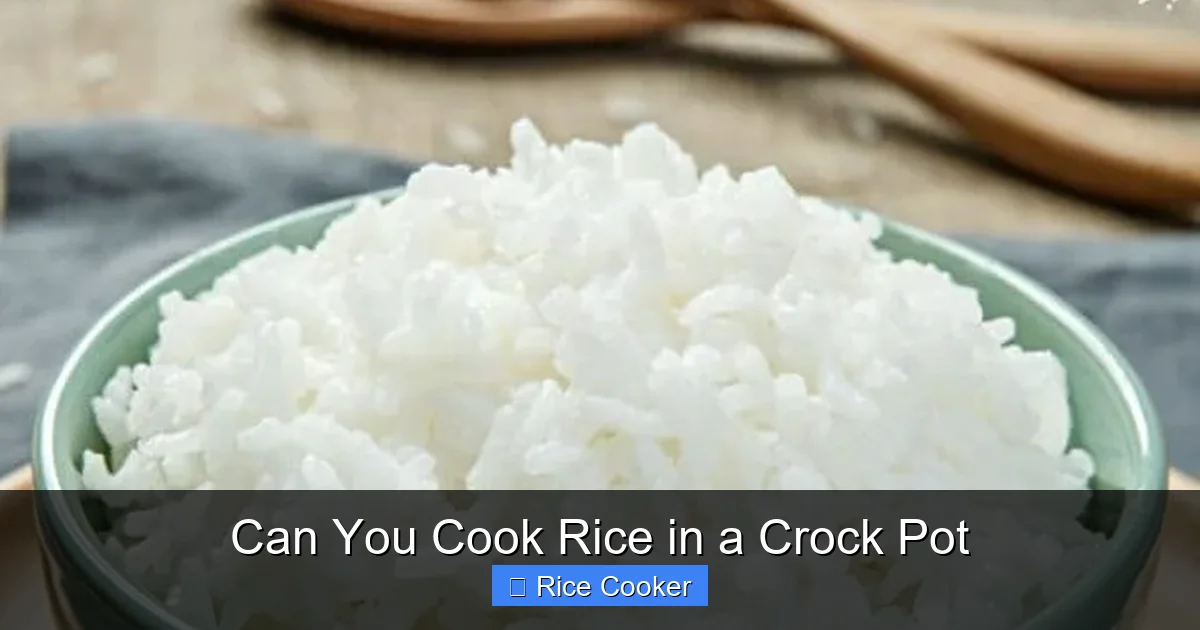
Can you cook rice in a crock pot? Absolutely! While not the most common method, a crock pot (slow cooker) can produce tender, fluffy rice when used correctly. With the right ratio of water to rice and proper timing, your slow cooker becomes a convenient alternative to traditional stovetop or electric rice cookers. This method saves energy, frees up your kitchen, and works great for meal prep or one-pot dinners.
Key Takeaways
- Yes, it’s possible: A crock pot can cook rice successfully with the right technique and ingredients.
- Use the right ratio: The standard rice-to-water ratio is 1:2 (1 cup rice to 2 cups water), but adjustments may be needed based on grain type.
- Choose the right rice: Long-grain white rice works best; avoid short-grain or instant varieties for consistent results.
- Pre-soaking helps: Soaking rice for 15–30 minutes before cooking improves texture and reduces cooking time.
- Don’t lift the lid: Resist opening the crock pot during cooking—steam loss affects temperature and results.
- Rest after cooking: Let rice sit covered for 5–10 minutes after cooking to finish absorbing moisture evenly.
- Clean-up is easy: Use a non-stick liner or parchment paper to simplify washing the inner pot.
Quick Answers to Common Questions
Can you cook rice in a crock pot?
Yes, absolutely! With the right technique, your crock pot can produce fluffy, tender rice that rivals stovetop or electric rice cooker results.
What type of rice works best in a slow cooker?
Long-grain white rice such as Jasmine or Basmati performs best due to its low starch content and ability to stay separate and fluffy.
Do I need to soak rice before cooking it in a crock pot?
Soaking isn’t required but highly recommended—it helps the rice absorb water evenly and reduces overall cooking time.
How long does it take to cook rice in a crock pot?
On low heat, long-grain white rice typically takes 70–90 minutes. Brown rice may need up to 2 hours on low or 90 minutes on high.
Can I cook brown rice in a crock pot?
Yes, but it requires more water and longer cooking time. Expect a chewier texture compared to white rice.
📑 Table of Contents
- Introduction: Why Cook Rice in a Crock Pot?
- The Basics: Can You Actually Cook Rice in a Slow Cooker?
- Choosing the Right Type of Rice for Your Crock Pot
- Perfecting the Water-to-Rice Ratio
- Cooking Times and Settings: Low vs. High
- Troubleshooting Common Crock Pot Rice Problems
- Tips for Perfect Crock Pot Rice Every Time
- Creative Ways to Serve Crock Pot Rice
- Conclusion: Embrace the Convenience of Crock Pot Rice
Introduction: Why Cook Rice in a Crock Pot?
Have you ever been in the middle of meal prep, only to realize your rice cooker is still dirty from last week’s batch of jasmine rice? Or maybe you’re hosting a dinner party and don’t want to clutter up your stove? That’s where the humble crock pot shines—especially when it comes to making rice. Yes, you read that right: you can absolutely cook rice in a crock pot, and it might just become your new go-to method.
While rice cookers are designed specifically for this task, many people don’t own one, or they prefer using their slow cookers for other dishes like stews, soups, or even roasts. The crock pot offers a hands-off approach, consistent low heat, and the ability to multitask—perfect for busy weekdays or lazy weekends. Plus, once you get the hang of it, you’ll be amazed at how fluffy and delicious the rice turns out.
In this complete guide, we’ll walk through everything you need to know about cooking rice in a crock pot. From choosing the right type of rice to troubleshooting common pitfalls, we’ve got you covered. Whether you’re a beginner or a seasoned home cook looking to expand your repertoire, this article will help you master the art of crock pot rice.
The Basics: Can You Actually Cook Rice in a Slow Cooker?
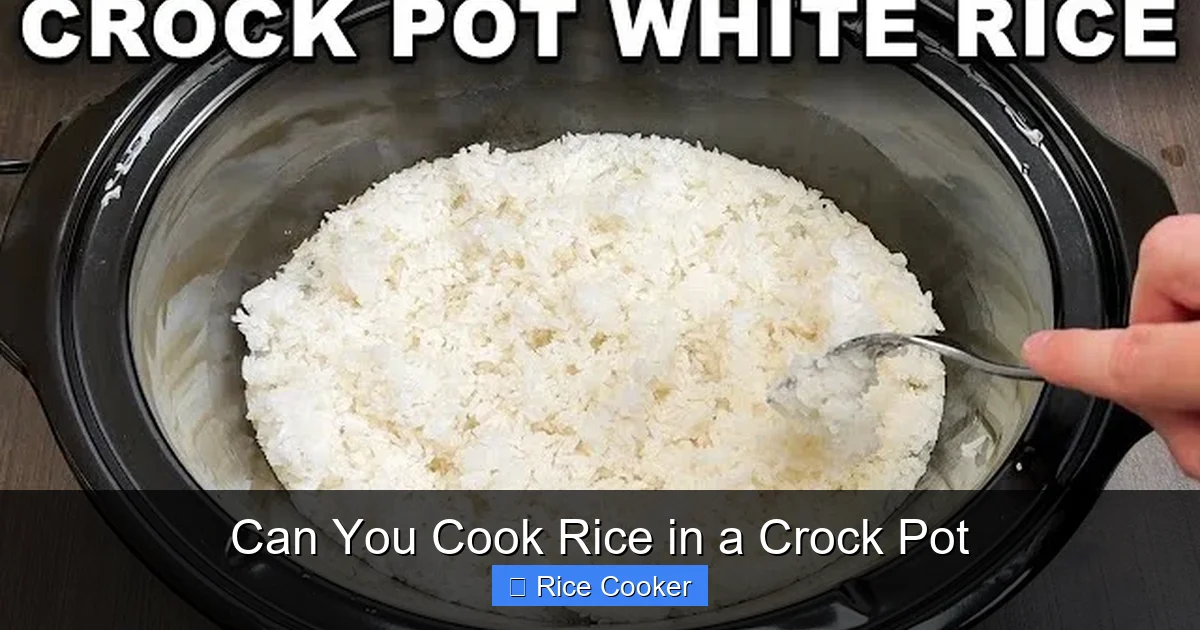
Visual guide about Can You Cook Rice in a Crock Pot
Image source: i.ytimg.com
At first glance, it might seem odd to use a device built for long, slow braising to cook something as quick as rice. After all, rice usually cooks in under 20 minutes on the stovetop or in an electric rice cooker. But here’s the truth: yes, you can cook rice in a crock pot—and it works surprisingly well.
The key lies in the slow, steady heat and consistent moisture. Unlike boiling water on the stove, which can cause rice to clump or dry out, a crock pot maintains a gentle simmer throughout the cooking process. This allows the grains to absorb water evenly and swell without breaking apart. When done right, the result is soft, fluffy rice that holds its shape beautifully.
Of course, not all crock pots are created equal. Some models have better temperature control than others, and some come with multiple settings (low, high, warm). For rice, you’ll typically want to use the “low” setting for longer cooking times or “high” for faster results. We’ll dive deeper into timing and settings later, but the bottom line is this: with patience and attention to detail, your slow cooker can deliver restaurant-quality rice at home.
Choosing the Right Type of Rice for Your Crock Pot
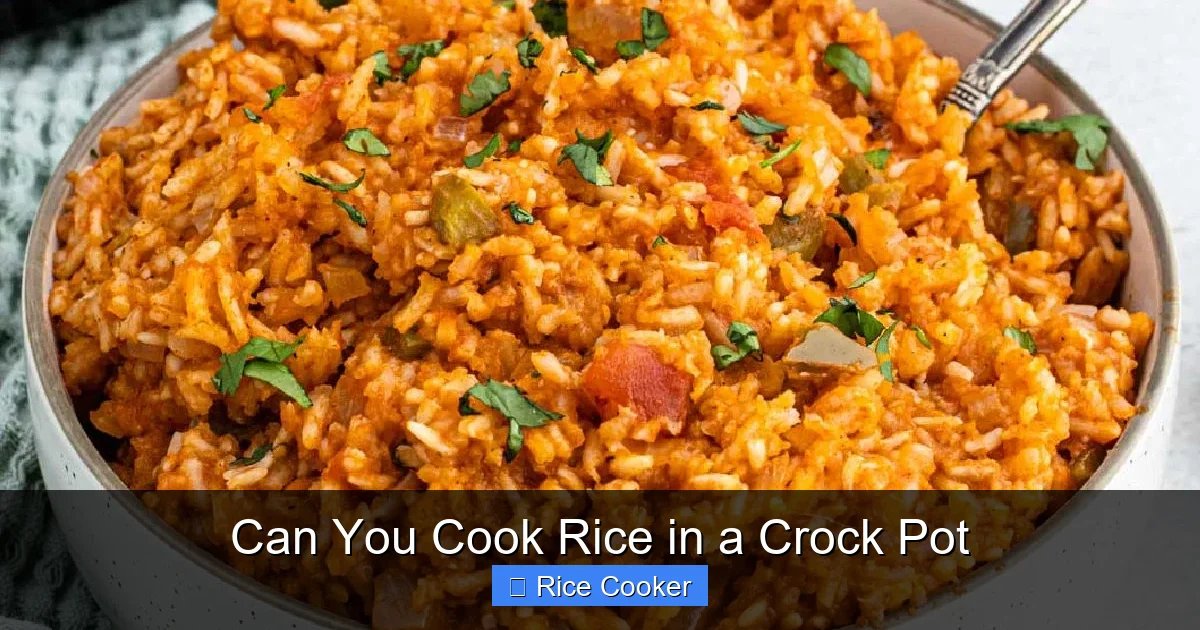
Visual guide about Can You Cook Rice in a Crock Pot
Image source: eatingonadime.com
Not all rice is created equal—and when it comes to cooking in a crock pot, certain types perform much better than others. If you’ve tried once and ended up with mushy, overcooked rice, blame the grain, not the appliance.
Long-Grain White Rice Is Your Best Bet
For beginners, long-grain white rice is the clear winner. Varieties like Jasmine, Basmati, or regular American long-grain white rice have a lower starch content compared to short-grain or brown rice. This means they stay separate and fluffy instead of becoming sticky or gummy. They also absorb water steadily, making them ideal for slow-cooking environments.
Avoid short-grain rice (like sushi rice or Arborio) unless you’re experienced. These high-starch grains tend to clump together in a crock pot because they release more amylopectin (the glue-like starch) during cooking. The same goes for instant rice—it’s designed to cook quickly and often falls apart when exposed to prolonged heat.
Brown Rice Requires More Attention
If you love whole grains, you can still make brown rice in a crock pot—but it takes extra effort. Brown rice has a tougher outer bran layer, so it needs more water and longer cooking time. Most recipes recommend a 1:2.5 ratio (1 cup rice to 2.5 cups water) and cooking on low for 90 minutes to 2 hours. Even then, results can vary widely depending on your model.
Many people find that brown rice doesn’t achieve the same light, airy texture as white rice in a slow cooker. If fluffiness is your priority, stick with white rice for now. But if you’re up for a challenge, give brown rice a try—just be prepared to experiment with ratios and timing.
Specialty Rices Like Wild or Calrose
Wild rice, despite its name, isn’t actually rice—it’s a grass seed that requires even longer cooking times (up to 2 hours on high). It’s also very absorbent, so expect a hearty, chewy texture rather than fluffy grains. Similarly, Calrose rice (common in California-style dishes) behaves like long-grain rice and works well in a crock pot.
When in doubt, check the package instructions for recommended cooking methods. If the label says “stovetop” or “rice cooker,” it probably won’t work well in a slow cooker—unless you adjust the process significantly.
Perfecting the Water-to-Rice Ratio
One of the biggest challenges in crock pot rice is getting the liquid balance just right. Too little water, and your rice turns out dry and chalky. Too much, and it becomes soggy or soupy. Fortunately, there’s a tried-and-true formula that works for most situations.
The Standard Ratio: 1:2
For long-grain white rice, start with a 1:2 ratio—one part rice to two parts water. So if you’re using 1 cup of rice, measure out exactly 2 cups of water. This works well for most standard 6- to 8-quart crock pots. The rice will absorb the water slowly over time, leaving behind fluffy, separated grains.
But remember: this is a starting point. Factors like altitude, humidity, and even the brand of your rice can affect how much liquid it needs. In high-altitude areas, for example, rice may require slightly more water due to lower boiling points. Always keep a little extra water on hand just in case.
Adjusting for Different Quantities
Whether you’re making a small batch for one person or feeding a crowd, the 1:2 ratio scales easily. Just double or triple both the rice and water accordingly. However, larger batches in a crock pot can cook unevenly, especially if the pot is too full. Aim to fill the inner pot no more than halfway to ensure even heat distribution.
Adding Flavor: Broth Instead of Water
Want to take your rice from plain to phenomenal? Swap plain water for chicken broth, vegetable stock, or even coconut milk for added flavor. This is especially useful if you’re making a side dish that complements a main course. Just remember to account for any saltiness in the liquid—you may not need to add additional seasoning.
Cooking Times and Settings: Low vs. High
Timing is everything when it comes to crock pot rice. Unlike the precise 18-minute cycle of an electric rice cooker, slow cookers operate on a gentler, slower schedule. Understanding how different heat settings affect your rice will help you avoid overcooking or undercooking.
Using the Low Setting (Recommended)
For most rice types—especially long-grain white rice—the low setting is your best friend. Set your crock pot to low and let the rice cook for 70 to 90 minutes. This extended time allows the grains to absorb moisture gradually, resulting in tender, fully cooked kernels without risk of burning.
Low heat also prevents the bottom of the pot from scorching, which can happen on higher temperatures. If you’re cooking brown rice or wild rice, extend the time to 90 minutes or more, checking occasionally for doneness.
High Setting for Faster Results
If you’re short on time, you can use the high setting—but expect a shorter cooking window. On high, white rice typically takes 45 to 60 minutes. However, this method increases the chance of uneven cooking, especially if your crock pot runs hotter than average. To reduce risk, stir the rice once halfway through and ensure the water level is sufficient.
Note: Not all crock pots have identical heating elements. Older models or those with worn seals may run hotter or cooler than advertised. When in doubt, lean toward low heat and longer cook times.
How to Tell When Rice Is Done
Rice is ready when it’s tender and all the water has been absorbed. You should see small holes or steam vents around the edges of the rice—this indicates internal moisture release. If the rice looks dry and cracked, it’s overdone. If it feels hard in the center, give it another 10–15 minutes on warm.
Pro tip: Insert a fork into the center. If it slides in easily with slight resistance, it’s done. If it meets strong resistance, continue cooking.
Troubleshooting Common Crock Pot Rice Problems
Even with the best techniques, things don’t always go according to plan. Here are the most common issues you might encounter—and how to fix them.
Problem: Rice Is Too Dry or Crunchy
This usually happens when there’s not enough water or the cooking time was too short. If your rice is undercooked and hard, add a splash of water (¼ cup at a time) and cover the pot. Switch to the warm setting and let it sit for 10–15 minutes to reabsorb the liquid.
Problem: Rice Is Soupy or Sticky
Overcooked rice or too much liquid leads to mushy results. Unfortunately, once rice reaches this stage, there’s no reversing it. Future batches should use less water or shorter cook times. Stirring occasionally can help redistribute moisture.
Problem: Rice Burns at the Bottom
This occurs when the bottom layer dries out before the top is done. To prevent scorching, never stir the rice once it starts absorbing water (after about 30 minutes). Also, consider using a trivet or parchment paper barrier between the rice and the pot bottom.
Problem: Uneven Cooking
Some grains cook faster than others, leading to clumps or soft spots. To minimize this, rinse your rice thoroughly before cooking to remove excess surface starch. Also, avoid overcrowding the pot—use no more than half full.
Tips for Perfect Crock Pot Rice Every Time
Now that you understand the basics, here are some pro-level tips to elevate your crock pot rice game.
Rinse Before Cooking
Just like with stovetop rice, rinsing removes excess starch that causes clumping. Place your rice in a fine-mesh strainer and rinse under cold running water until the water runs clear. This step alone can dramatically improve texture.
Soak for Better Results
Soaking rice for 15–30 minutes before cooking helps it absorb water more evenly. This reduces cooking time and ensures each grain swells uniformly. Simply cover your rinsed rice with water and let it sit while you prep other ingredients.
Use a Non-Stick Liner
To simplify cleanup and prevent sticking, line your crock pot insert with parchment paper or a silicone baking mat. This creates a barrier between the rice and the pot, making it easy to lift out a perfect block of rice—or scoop individual servings.
Lift the Lid Only When Necessary
Every time you open the lid, you lose precious steam and heat. Try to resist temptation! If you must check progress, do so quickly and close immediately. Consistent heat is key to even cooking.
Let It Rest
After turning off the crock pot, let the rice rest for 5–10 minutes with the lid on. This final step allows residual heat to finish steaming the grains and redistributes moisture for a fluffier result.
Creative Ways to Serve Crock Pot Rice
Plain white rice is versatile, but why stop there? Once you’ve mastered the basics, you can transform your crock pot rice into exciting meals.
Garlic Herb Rice
Sauté minced garlic in olive oil before adding rice and water. Season with thyme, rosemary, or bay leaves for aromatic flavor. Remove herbs before serving.
Cheese and Butter Rice
Stir in grated Parmesan, shredded cheddar, or crumbled feta after cooking. Drizzle with melted butter and let it melt into the grains for rich, creamy goodness.
Fried Rice Leftovers
Save leftover crock pot rice (cooled completely) for fried rice. Reheat in a skillet with soy sauce, scrambled eggs, peas, and carrots for a quick Asian-inspired meal.
Stuffed Peppers or Casseroles
Use cooked rice as a filling for bell peppers, or mix it into taco meat, chili, or lasagna for extra heartiness.
Conclusion: Embrace the Convenience of Crock Pot Rice
Cooking rice in a crock pot isn’t just possible—it’s practical, efficient, and surprisingly effective. While it may take a bit more planning than using a dedicated rice cooker, the payoff is worth it: hands-free cooking, consistent results, and the freedom to focus on other parts of your meal.
With the right rice, water ratio, and patience, your slow cooker can become a secret weapon in the kitchen. Whether you’re making a simple side dish or building a one-pot meal, crock pot rice delivers. And who knows? You might just discover it’s your favorite way to cook rice altogether.
So next time you’re wondering, “Can you cook rice in a crock pot?”—remember this guide. Grab your rice, fire up that slow cooker, and enjoy perfectly fluffy grains without the hassle.
Frequently Asked Questions
Is it safe to cook rice in a crock pot?
Yes, it’s safe as long as you follow proper cooking times and water ratios. Just ensure the rice reaches full tenderness to avoid undercooked grains.
Why is my crock pot rice sticky?
Sticky rice usually results from too much water or overcooking. Try reducing water by 1–2 tablespoons next time and avoid stirring after the rice begins absorbing liquid.
Can I add spices or herbs to crock pot rice?
Absolutely! Add bay leaves, garlic cloves, or onion slices at the beginning for subtle flavor infusion. Remove solids before serving.
Do I need to stir the rice while it’s cooking?
No—once the rice starts absorbing water (after about 30 minutes), avoid stirring to prevent breaking apart and uneven cooking.
Can I cook rice overnight in a crock pot?
It’s not recommended. Rice left unrefrigerated for too long can develop bacterial growth. Cook during the day and store leftovers properly in the fridge.
What if my crock pot runs hotter than normal?
If your slow cooker tends to scorch food, use less water or switch to the warm setting after cooking. Consider using a trivet or lining the pot to protect the base.