
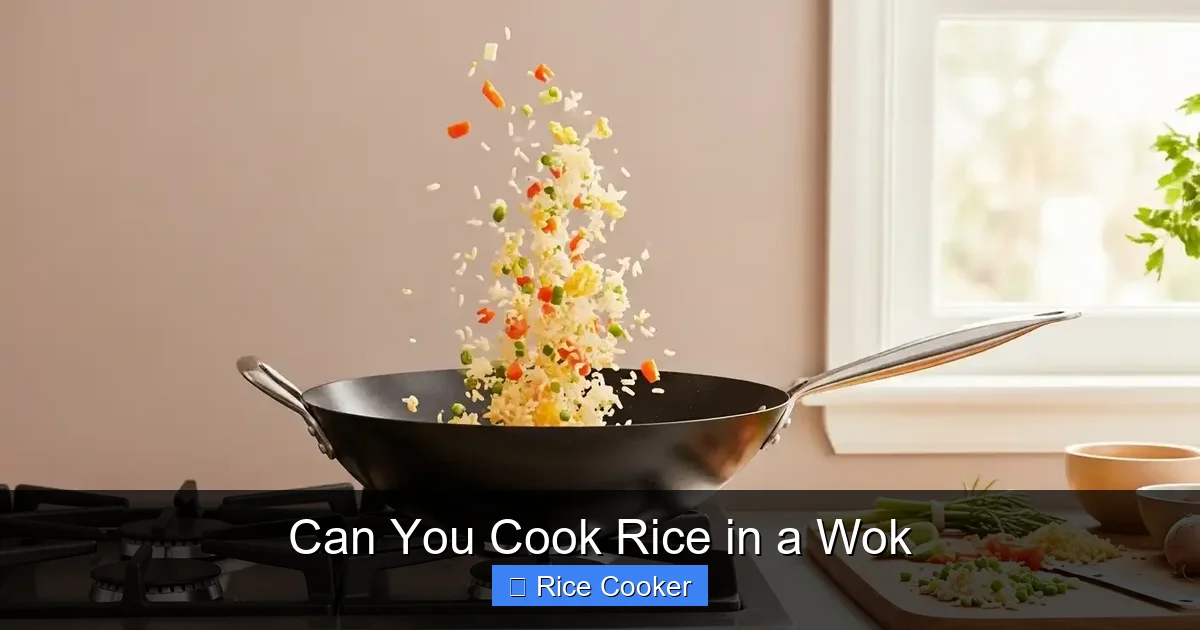
Yes, you can absolutely cook rice in a wok, and it’s easier than you think. With the right method, ingredients, and technique, your wok can become your go-to appliance for fluffy, flavorful rice. Whether you’re cooking jasmine, basmati, or brown rice, this guide shows you how to do it like a pro—without needing a rice cooker.
Key Takeaways
- Woks are excellent for cooking rice when used correctly—especially with high heat and proper stirring.
- Use the right type of rice like jasmine or basmati for best results; avoid long-grain varieties that clump.
- Preheat the wok properly before adding rice to prevent sticking and ensure even cooking.
- Don’t overfill the wok; leave space for rice to expand and move freely while cooking.
- Add water gradually and use a lid if available to trap steam and speed up cooking.
- Fluff with a fork at the end to separate grains and restore texture lost during cooking.
- Clean your wok promptly after cooking rice to maintain its seasoning and longevity.
📑 Table of Contents
- Can You Cook Rice in a Wok? Absolutely—Here’s How!
- Why Use a Wok for Cooking Rice?
- Choosing the Right Rice for Your Wok
- Essential Tools and Equipment
- Step-by-Step Guide: How to Cook Rice in a Wok
- Troubleshooting Common Issues
- Creative Ways to Cook Rice in a Wok
- Maintenance and Cleaning Tips
- Frequently Asked Questions
- Final Thoughts: Embrace the Versatility of Your Wok
Can You Cook Rice in a Wok? Absolutely—Here’s How!
Imagine standing in your kitchen, hungry and ready for dinner, but your electric rice cooker is broken. Or maybe you just want to try something new. Instead of reaching for instant rice or ordering takeout, what if you could make perfectly cooked rice using one of your most versatile tools—the wok?
Yes, you can cook rice in a wok. In fact, many home cooks swear by this method, especially when making stir-fried rice or fried rice dishes. The wok’s wide, shallow design allows for quick heat distribution and easy tossing, which helps prevent burnt spots and ensures even cooking. While traditional rice cookers are designed specifically for steaming rice, a well-seasoned wok can deliver delicious results—especially when you know the tricks.
In this comprehensive guide, we’ll walk you through everything you need to know about cooking rice in a wok. From choosing the right rice variety to mastering the heat and timing, you’ll learn how to turn your trusty wok into a rice-making powerhouse. Whether you’re a beginner or an experienced cook, these tips will help you serve up fluffy, aromatic rice that rivals anything from a professional kitchen.
Why Use a Wok for Cooking Rice?
At first glance, a wok might seem like an odd choice for cooking rice. After all, isn’t a rice cooker built specifically for this purpose? And isn’t a wok meant for stir-frying vegetables and meats? The truth is, both appliances have their strengths—and sometimes, using a wok can give you more control, better flavor, and faster results.
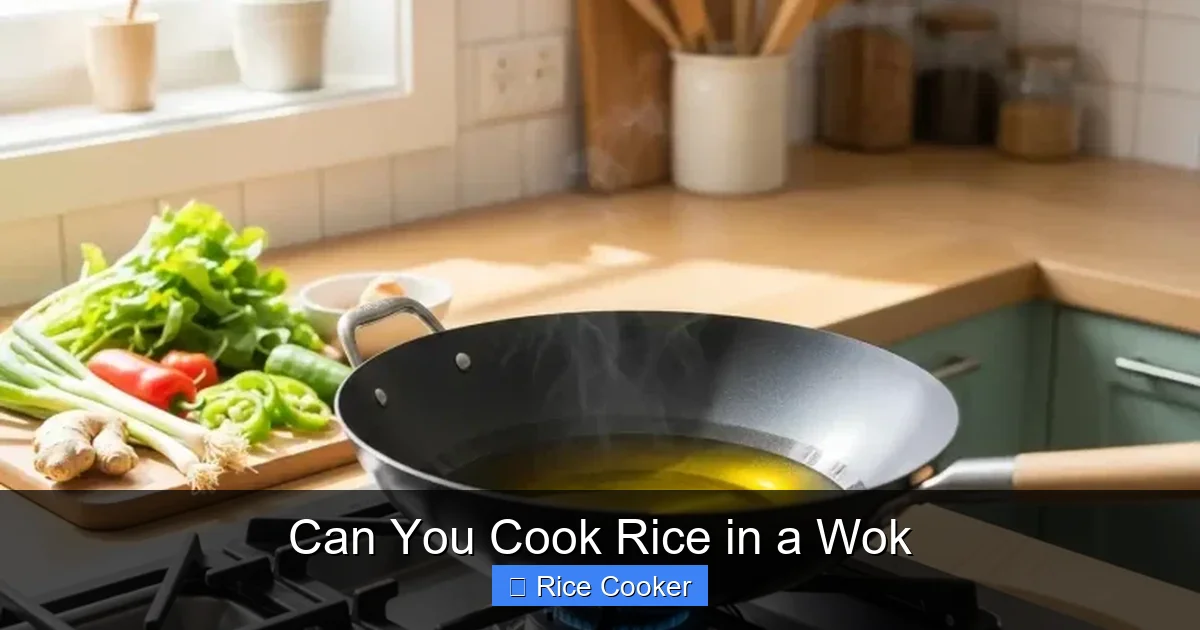
Visual guide about Can You Cook Rice in a Wok
Image source: cookwarely.com
The Advantages of Cooking Rice in a Wok
One of the biggest benefits of using a wok is its ability to cook rice quickly on high heat. Unlike a rice cooker, which typically takes 20–40 minutes to steam rice, a wok can reduce cooking time significantly—especially when using the right technique. This is particularly useful when you’re making fried rice or want to incorporate other ingredients like eggs, vegetables, or soy sauce mid-cook.
Another advantage is versatility. A wok can handle everything from plain steamed rice to complex one-pot meals like biryanis or rice-based soups. Because the wok distributes heat so efficiently, you get a nice sear on the bottom of the rice without burning it—something that’s hard to achieve in a standard pot.
When Not to Use a Wok (And When It’s Perfect)
That said, there are times when a rice cooker is still the better option. For example, if you’re cooking a large batch of rice for a crowd or prefer hands-off cooking, a rice cooker is more reliable. Also, if you’re making delicate rice dishes like sushi rice or risotto, a wok may not offer the gentle, consistent heat needed.
But when you’re in a hurry, want to add extra flavors during cooking, or simply enjoy the process of stir-frying rice, the wok shines. It’s ideal for weeknight dinners, meal prep, or experimenting with global cuisines like Chinese, Thai, or Mexican fried rice.
Choosing the Right Rice for Your Wok
Not all rice is created equal—and some types work better in a wok than others. The key is selecting a variety that holds its shape well, absorbs liquid evenly, and doesn’t turn mushy when stirred frequently.
Visual guide about Can You Cook Rice in a Wok
Image source: cookwarely.com
Best Rice Types for Wok Cooking
- Jasmine Rice: Fragrant, slightly sticky, and tender—perfect for Asian-style fried rice.
- Basmati Rice: Long-grain, aromatic, and light; great for pilafs and biryanis made in a wok.
- Medium-Grain Rice: Moist and chewy; good for dishes where texture matters.
- Brown Rice: Healthier option, but requires longer cooking time and more water.
Avoid short-grain or glutinous rice unless you’re making sushi or desserts—these tend to clump together when stirred constantly in a wok.
Rinsing and Soaking Tips
Before cooking, always rinse your rice under cold running water until the water runs clear. This removes excess starch and prevents gummy results. For best texture, soak jasmine or basmati rice for 20–30 minutes before cooking—this helps them cook evenly and stay separate.
Essential Tools and Equipment
You don’t need fancy gadgets to cook rice in a wok, but having the right tools makes the process smoother and more enjoyable.
What You’ll Need
- A well-seasoned carbon steel or cast iron wok (non-stick woks can work but require gentler handling).
- A wooden or silicone spatula for stirring.
- A measuring cup and bowl for rinsing rice.
- A lid (optional but helpful for trapping steam).
- A fine-mesh strainer (for rinsing).
Proper Seasoning Matters
If you’re using a new wok, make sure it’s properly seasoned. This creates a natural non-stick surface and protects the metal from rust. To season, rub a thin layer of oil over the entire interior (including the handle) and heat it on medium-high until smoking. Let it cool completely before washing and drying thoroughly.
Step-by-Step Guide: How to Cook Rice in a Wok
Now comes the fun part—actually cooking the rice. Follow these steps carefully, and you’ll end up with restaurant-quality results.
Step 1: Prepare the Rice
Start by measuring out your rice. As a general rule, use 1 cup of uncooked rice per 2 cups of water. Rinse the rice thoroughly and drain it. If soaking, place the rinsed rice in a bowl with enough water to cover it by an inch. Let it sit for 20–30 minutes, then drain again.
Step 2: Heat the Wok
Place your wok over medium-high heat. Allow it to warm up for 2–3 minutes—you should feel the heat radiating from the surface. Add a small amount of oil (about 1 teaspoon) and swirl it around to coat the bottom and sides. This prevents sticking and adds flavor.
Step 3: Add Rice and Water
Once the oil is shimmering (not smoking), add the drained rice. Spread it evenly across the bottom of the wok. Pour in the measured water and give everything a gentle stir to combine. Bring the mixture to a boil.
Step 4: Adjust Heat and Stir
Once boiling, reduce the heat to low-medium. Cover the wok with a lid or aluminum foil to trap steam. Cook for 8–12 minutes, depending on the rice type and desired doneness. Check periodically and stir gently every 2–3 minutes to prevent sticking and promote even cooking.
Step 5: Test for Doneness
After 8 minutes, taste a grain. It should be tender but not mushy, with no hard center. If it’s still undercooked, add a splash of water, cover again, and cook for another 2–3 minutes.
Step 6: Rest and Fluff
Remove the wok from heat and let the rice rest, covered, for 5 minutes. This allows residual heat to finish cooking the rice evenly. Then, fluff it gently with a fork to separate the grains. Avoid pressing down—this squishes the rice and makes it dense.
Troubleshooting Common Issues
Even experienced cooks run into hiccups now and then. Here’s how to fix the most common problems when cooking rice in a wok.
Rice Sticks to the Bottom
This usually happens when the wok isn’t hot enough or the rice isn’t stirred frequently. Always preheat your wok thoroughly and stir every few minutes. If rice starts sticking, add a tablespoon of water and lift it gently with your spatula.
Rice Is Too Dry or Crumbly
If your rice comes out dry, you likely didn’t use enough water or removed the lid too early. For future batches, increase water slightly (try 2.25 cups per 1 cup of rice) and keep the lid on until the last few minutes.
Rice Is Gummy or Clumpy
This is often due to over-stirring or using the wrong rice variety. Stir only when necessary, and stick to long- or medium-grain rice. Also, make sure you rinsed the rice well before cooking.
Water Evaporates Too Quickly
If the wok dries out while cooking, it means the heat was too high or the lid wasn’t sealing properly. Lower the temperature slightly and ensure the lid fits snugly. You can also tent a piece of foil over the opening if needed.
Creative Ways to Cook Rice in a Wok
Cooking rice in a wok opens up a world of possibilities beyond plain white rice. Once you’ve mastered the basics, you can elevate your meals with bold flavors and textures.
Stir-Fried Rice
After cooking plain rice and letting it cool, reheat it in the wok with a bit of oil, garlic, soy sauce, and your favorite veggies or protein. Add beaten egg toward the end for a classic Cantonese fried rice.
Vegetable Rice Bowls
Cook rice as usual, then top with sautéed mushrooms, carrots, broccoli, and a drizzle of sesame oil. Serve warm for a nutritious, satisfying meal.
One-Pot Meals
Combine cooked rice with canned beans, corn, tomatoes, and spices for a quick burrito bowl or Mexican-style arroz con frijoles.
Biriyani-Style Rice
Layer partially cooked rice with spiced meat or chicken, caramelized onions, and aromatic herbs. Cover and cook slowly to infuse deep flavors.
Maintenance and Cleaning Tips
Taking care of your wok after cooking rice ensures it lasts for years and continues to perform well.
Immediate Cleanup
Let the wok cool slightly before cleaning. Scrape off any stuck bits with a spatula. Wash with warm water and a soft sponge—avoid harsh detergents or steel wool, which can strip the seasoning.
Drying and Re-oiling
After washing, dry the wok immediately over medium heat or with a towel. Once dry, apply a thin layer of food-safe oil (like vegetable or flaxseed oil) and wipe off the excess. This maintains the non-stick surface and prevents rust.
Storage Advice
Store your wok in a dry place. If stacking woks, place a cloth or paper towel between them to protect the seasoning.
Frequently Asked Questions
Can I use a non-stick wok to cook rice?
Yes, but non-stick coatings can degrade under high heat and frequent stirring. If using a non-stick wok, cook on medium heat and avoid metal utensils. Consider switching to a stainless steel or cast iron wok for long-term durability.
How much water do I need for rice in a wok?
A standard ratio is 2 cups of water per 1 cup of uncooked rice. Adjust slightly based on rice type—brown rice needs more water, while jasmine rice can use slightly less due to its stickiness.
Do I need to cover the wok while cooking?
Covering traps steam and speeds up cooking, especially for longer grains like basmati. However, if you prefer firmer rice or want to add sauces mid-cook, you can leave the lid off and stir more often.
Can I cook rice directly in the wok without pre-soaking?
Yes, but soaking helps rice cook more evenly and prevents uneven textures. If skipping soaking, rinse well and monitor closely during cooking.
What if I don’t have a lid for my wok?
Use a tight-fitting lid from another pot or tent aluminum foil over the opening. The goal is to retain steam while allowing excess moisture to escape.
Can I cook brown rice in a wok?
Absolutely. Brown rice takes longer to cook—usually 20–25 minutes—and requires more water (2.5–3 cups per 1 cup of rice). Keep an eye on it and stir occasionally to avoid sticking.
Final Thoughts: Embrace the Versatility of Your Wok
Cooking rice in a wok isn’t just possible—it’s practical, delicious, and surprisingly simple. With the right approach, your wok becomes a multi-tool capable of delivering everything from everyday side dishes to gourmet-inspired meals. No rice cooker? No problem. Just remember to respect the heat, choose the right rice, and don’t be afraid to experiment.
Whether you’re whipping up a quick dinner or impressing guests with homemade fried rice, mastering this skill gives you more flexibility in the kitchen. Plus, you’ll develop a deeper understanding of how different cooking methods affect food—something that pays off in every dish you prepare.
So next time you reach for your wok, think beyond stir-fry. Open it up to rice, and discover a whole new dimension of flavor and technique. Your taste buds—and your busy schedule—will thank you.
Frequently Asked Questions
Can I use a non-stick wok to cook rice?
Yes, but non-stick coatings can degrade under high heat and frequent stirring. If using a non-stick wok, cook on medium heat and avoid metal utensils. Consider switching to a stainless steel or cast iron wok for long-term durability.
How much water do I need for rice in a wok?
A standard ratio is 2 cups of water per 1 cup of uncooked rice. Adjust slightly based on rice type—brown rice needs more water, while jasmine rice can use slightly less due to its stickiness.
Do I need to cover the wok while cooking?
Covering traps steam and speeds up cooking, especially for longer grains like basmati. However, if you prefer firmer rice or want to add sauces mid-cook, you can leave the lid off and stir more often.
Can I cook rice directly in the wok without pre-soaking?
Yes, but soaking helps rice cook more evenly and prevents uneven textures. If skipping soaking, rinse well and monitor closely during cooking.
What if I don’t have a lid for my wok?
Use a tight-fitting lid from another pot or tent aluminum foil over the opening. The goal is to retain steam while allowing excess moisture to escape.
Can I cook brown rice in a wok?
Absolutely. Brown rice takes longer to cook—usually 20–25 minutes—and requires more water (2.5–3 cups per 1 cup of rice). Keep an eye on it and stir occasionally to avoid sticking.