
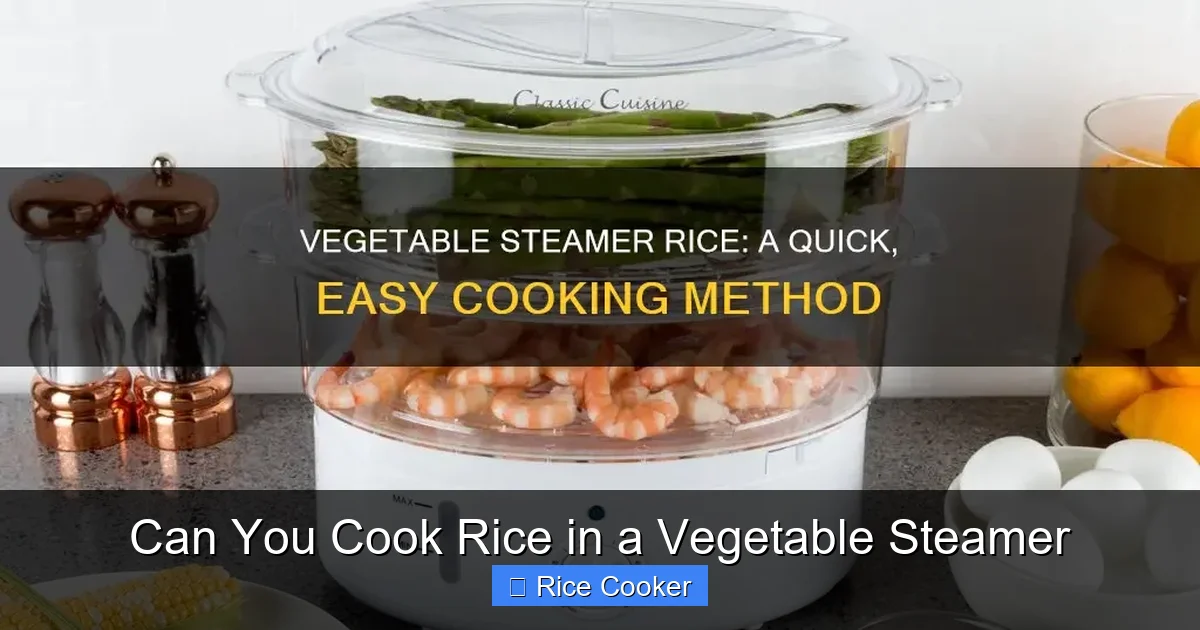
Can you cook rice in a vegetable steamer? Absolutely! While rice cookers are the go-to appliance, a vegetable steamer can deliver delicious, fluffy results with minimal effort. With the right method, timing, and water ratio, steaming rice in a bamboo or metal steamer is not only possible but surprisingly effective.
Key Takeaways
- Yes, it’s possible: You can successfully cook rice in a vegetable steamer, though it requires attention to water levels and timing.
- Use the right rice: Short-grain or medium-grain rice works best because they absorb moisture well and stay tender when steamed.
- Proper water ratio is key: A 1:1.5 (rice to water) ratio usually yields the best texture—more water for softer rice, less for firmer grains.
- Pre-soak helps: Soaking rice for 15–30 minutes before steaming improves texture and reduces cooking time.
- Cover and steam patiently: Keep the lid on and let the rice simmer gently; avoid lifting it too early.
- Fluff with a fork: Once done, fluff the rice gently to separate grains and release steam.
- Cleanup is easy: Most steamer baskets are dishwasher-safe and reusable—ideal for healthy meals.
📑 Table of Contents
- Introduction
- Understanding the Basics: Can Rice Even Be Steamed?
- Choosing the Right Type of Rice
- Preparing Rice for Steaming
- The Step-by-Step Steaming Method
- Troubleshooting Common Mistakes
- Tips for Perfect Steamed Rice Every Time
- Beyond White Rice: Steaming Other Grains
- Benefits of Steaming Rice
- When to Stick with a Rice Cooker
- Conclusion
Introduction
Imagine this: you’re whipping up a stir-fry with fresh broccoli, carrots, and bell peppers, and your vegetable steamer is already humming away, filling your kitchen with a warm, earthy aroma. But then it hits you—you’re out of rice, and dinner is in 20 minutes. Panic? Not if you know the secret. Yes, you can cook rice in a vegetable steamer. It might not be the first thing you think of when you hear “steamer,” but with the right technique, your rice can come out fluffy, fragrant, and just as delicious as the kind made in a rice cooker.
While rice cookers are designed specifically for this task—maintaining precise heat and moisture—vegetable steamers can still do the job beautifully. They’re affordable, compact, and perfect for small batches or when you’re cooking for one or two. Plus, steaming keeps nutrients intact, which is a big win for health-conscious eaters. In this article, we’ll walk through everything you need to know: from choosing the right rice to mastering the water-to-rice ratio, and even troubleshooting common mistakes. By the end, you’ll be confident enough to ditch the rice cooker for a few nights and embrace the humble steamer.
Understanding the Basics: Can Rice Even Be Steamed?
How Steaming Works
Steaming cooks food using moist, hot air—typically between 210°F and 212°F (99°C to 100°C), the boiling point of water. This gentle heat transfers energy to the food without direct contact, preserving texture, flavor, and nutrients. Vegetables, dumplings, and fish shine in a steamer, but rice? Surprisingly, it works.
Visual guide about Can You Cook Rice in a Vegetable Steamer
Image source: expertreviewsbestricecooker.com
Rice is essentially starch-filled seeds that absorb water and swell when heated. When submerged in boiling water, the outer layer gelatinizes, creating a soft, cohesive texture. Steaming mimics this process by surrounding the rice with steam, allowing it to cook evenly without drying out. The key difference? A rice cooker maintains a sealed environment, while a steamer relies on open airflow—so you need to manage water carefully.
Why People Think It Won’t Work
Many assume rice needs to be submerged in water, so steaming seems impossible. Others worry the rice will dry out or stick to the basket. These fears are valid, but they stem from improper technique. With a bit of practice and the right approach, your rice will be just as good—if not better—than the store-bought kind.
Choosing the Right Type of Rice
Short-Grain vs. Long-Grain
Not all rice is created equal. For steaming, short-grain rice (like sushi rice or arborio) is ideal. Its high starch content absorbs moisture well and forms a creamy, cohesive texture. Medium-grain rice (such as Calrose) also works great and is widely available.
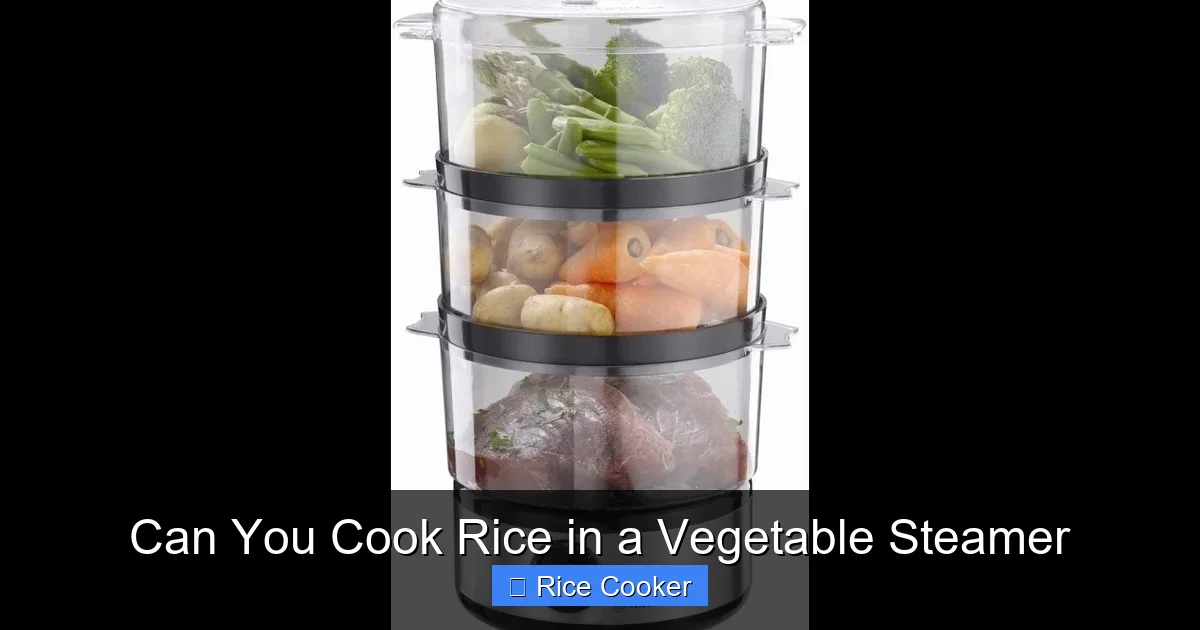
Visual guide about Can You Cook Rice in a Vegetable Steamer
Image source: i.ytimg.com
Long-grain rice (like basmati or jasmine) can be steamed too, but it tends to stay more separate and fluffy. Just be cautious—overcooking long-grain rice in a steamer may lead to uneven texture. If you’re new to this method, start with short-grain.
Instant vs. Regular Rice
Instant rice (pre-cooked and dried) is convenient, but it’s harder to control in a steamer. Since it’s already partially cooked, adding too much water or over-steaming can make it mushy. Regular uncooked rice gives you full control over the final result.
Preparing Rice for Steaming
Rinsing Removes Starch
Always rinse your rice before cooking. Place it in a fine-mesh strainer and run cold water through it until the water runs clear. This removes excess surface starch, which prevents clumping and ensures each grain stays separate.
Skip rinsing if you want a creamier texture (like risotto), but for fluffy rice, it’s essential.
Soaking Improves Texture
Soaking rice for 15–30 minutes before steaming helps it cook more evenly. It allows the grains to rehydrate, reducing the risk of undercooked centers. Simply place rinsed rice in a bowl, cover with water, and let it sit while you prep other ingredients.
The Step-by-Step Steaming Method
Gather Your Tools
You’ll need:
- A large pot with a tight-fitting lid
- A vegetable steamer basket (metal or bamboo)
- Water for the base and for soaking rice
- A timer
Make sure the steamer basket fits snugly in the pot so it doesn’t wobble during cooking.
Measure Water Correctly
The golden rule: 1 cup of rice to 1.5 cups of water. Adjust based on your preference:
- 1:1 ratio = very firm, chewy rice (great for sushi)
- 1:1.5 = balanced, fluffy rice
- 1:2 = soft, porridge-like rice
Never use more than 2 cups of water per 1 cup of rice unless you’re making congee.
Assemble the Setup
- Fill the bottom of your pot with 1–2 inches of water.
- Place the steamer basket inside.
- Add rice to the basket, spreading it evenly.
- Cover with a lid and bring the water in the pot to a boil.
Cooking Time Varies
Once boiling, reduce heat to low and let it steam:
- Short-grain rice: 18–20 minutes
- Medium-grain: 15–17 minutes
- Long-grain: 12–15 minutes
Avoid lifting the lid during cooking—each time you do, steam escapes, extending cook time and risking dryness.
Check for Doneness
After the timer goes off, remove from heat and let it rest for 5 minutes with the lid on. Then, open the lid and check:
- Is the rice tender with no hard kernels?
- Does the water look absorbed?
- If yes—done! If not, cover and steam 2–3 more minutes.
Troubleshooting Common Mistakes
Rice Sticks to the Basket
This happens when there’s not enough water or the steamer isn’t clean. Always use a non-stick or lightly oiled basket. Bamboo steamers work best if they’re well-seasoned (rubbed with oil and baked once before first use).
Rice Is Too Dry or Crunchy
Undercooked rice means either too little water or insufficient steam. Add ½ cup more water next time and extend cooking by 3–5 minutes. Cover any gaps around the lid with a damp cloth to trap steam.
Rice Is Soggy or Sticky
Too much water or overcooking causes this. Use less water next time and avoid opening the lid. Fluffing with a fork after cooking helps release excess moisture.
Grains Are Clumped Together
Excess starch + poor rinsing = sticky rice. Rinse thoroughly and avoid pressing down on the rice during cooking. Let it rest before fluffing.
Tips for Perfect Steamed Rice Every Time
Use a Timer
Set your phone or kitchen timer—don’t guess. Rice can go from perfect to overcooked in seconds.
Keep the Lid On
Steam is your friend. Opening the lid lets heat escape, slowing the cooking process.
Fluff Gently
Use a fork, not a spoon. Spooning breaks the grains. Fork fluffing separates them beautifully.
Let It Rest
Resting allows residual steam to finish cooking the center. It also makes fluffing easier.
Store Leftovers Properly
Cool completely, then refrigerate in an airtight container. Reheat with a splash of water and a quick steam.
Beyond White Rice: Steaming Other Grains
Brown Rice
Brown rice takes longer to cook due to its bran layer. Use a 1:2.5 ratio and steam for 25–30 minutes. It’s chewier and nuttier—great with soups or stews.
Quinoa
Yes, quinoa can be steamed! Use 1:2 ratio and cook for 15 minutes. It becomes light and fluffy, perfect for salads or as a side.
Millet and Buckwheat
These ancient grains love steam. Millet: 1:2.5, 20 minutes. Buckwheat: 1:2, 15 minutes. Both pair well with stir-fries or porridges.
Benefits of Steaming Rice
Nutrient Retention
Unlike boiling (which leaches vitamins into water), steaming keeps B-vitamins and minerals intact. It’s a healthier way to prepare grains.
No Oil or Butter Needed
Traditional rice methods often call for fat, but steaming is naturally low-fat and heart-healthy.
Energy Efficient
Steamers use less electricity than rice cookers and don’t require constant monitoring once started.
Multi-Tasking Kitchen
While rice steams, you can cook veggies, dumplings, or eggs in the same setup—maximizing efficiency.
When to Stick with a Rice Cooker
Despite its versatility, the rice cooker still has advantages:
- Precise temperature control
- Automatic shut-off
- Larger capacity for families
- Built-in settings (brown rice, congee, etc.)
But for single servings, eco-friendly cooking, or when you’re already steaming veggies, the vegetable steamer shines.
Conclusion
So, can you cook rice in a vegetable steamer? Without a doubt—yes. It might take a little trial and error at first, but once you master the basics, you’ll find it’s a fast, healthy, and flexible way to enjoy perfectly cooked rice. Whether you’re meal-prepping for the week, cooking for two, or just running low on counter space, the steamer proves it’s more than just for greens and dumplings.
Remember: the secret lies in water, timing, and patience. Rinse your rice, measure wisely, keep that lid on, and let the magic happen. And who knows? You might just fall in love with steamed rice—fluffy, aromatic, and full of life.
Next time you reach for the rice cooker, pause. Open the steamer. Add rice. Watch it transform. You’ve got this.
Frequently Asked Questions
Can I use a bamboo steamer to cook rice?
Yes, bamboo steamers work well for cooking rice. They allow excellent airflow and retain moisture. For best results, season your bamboo steamer first by rubbing it with oil and baking it at 350°F (175°C) for 30 minutes. This prevents sticking and extends its lifespan.
How much water do I need for 1 cup of rice in a steamer?
For fluffy rice, use 1.5 cups of water per 1 cup of uncooked rice. Adjust based on grain type: short-grain uses slightly more water, while long-grain needs less. Always cover the rice completely and avoid lifting the lid during cooking.
Do I need to soak rice before steaming?
Soaking isn’t mandatory, but it helps rice cook more evenly. Soak rinsed rice for 15–30 minutes before steaming. This softens the grains and reduces cooking time, resulting in a more uniform texture.
Can I cook brown rice in a vegetable steamer?
Absolutely. Brown rice takes longer to cook due to its bran layer. Use a 1:2.5 water-to-rice ratio and steam for 25–30 minutes. It will be chewier and nuttier than white rice—perfect with hearty dishes like curries or bean stews.
Will rice stick to the steamer basket?
It might if there’s not enough water or if the basket isn’t prepared properly. Use a non-stick or lightly oiled basket. Bamboo steamers should be seasoned first. Also, avoid pressing down on the rice while steaming.
How do I know when the rice is done steaming?
After the set time, check for tenderness. The rice should be soft with no crunchy bits and fully absorbed water. If not, cover and steam 2–3 more minutes. Let it rest 5 minutes before fluffing to ensure even cooking.