

Can you cook rice in the oven? Absolutely! With the right technique, baking rice is not only possible but also convenient—especially when you’re preparing large batches or want to multitask in the kitchen. Unlike traditional stovetop cooking, oven-baked rice relies on consistent heat and proper moisture control to achieve that ideal fluffy texture without constant stirring.
This method saves time and energy, making it a great alternative when your rice cooker is busy or broken. Whether you’re making jasmine, basmati, brown rice, or even wild rice, the oven can deliver delicious results with minimal supervision. In this guide, we’ll walk you through everything you need to know—from ratios and timing to troubleshooting common issues—so you can master oven-cooked rice like a pro.
Key Takeaways
- Yes, you can safely cook rice in the oven using a covered dish with the right water-to-rice ratio (typically 1:2 for white rice, 1:2.5 for brown rice).
- The oven provides even, steady heat, which helps produce evenly cooked grains with less risk of burning compared to some stovetop methods.
- Cooking time varies by rice type: white rice usually takes 30–40 minutes at 375°F (190°C), while brown rice may need 50–60 minutes.
- Using an oven-safe Dutch oven or baking dish improves heat retention and ensures uniform cooking.
- Resting the cooked rice for 10 minutes after baking allows steam to distribute evenly, resulting in fluffier rice.
- You can customize flavor by adding broth, herbs, or spices directly into the cooking liquid for enhanced taste.
- Oven-baked rice is ideal for meal prep, batch cooking, or freeing up your stovetop during busy days.
Quick Answers to Common Questions
Can you cook rice in the oven without a lid?
Technically yes, but it’s not recommended. Without a lid, moisture escapes rapidly, leading to dry, unevenly cooked rice. A tight-fitting lid traps steam, mimicking the effect of a covered pot on the stovetop.
How do you know when rice is done in the oven?
Check after the recommended time by inserting a chopstick or knife into the center. If it comes out clean with no raw rice attached, the grain is fully cooked. You should also see steam escaping gently when you peek (only once).
Does oven rice taste different from stovetop rice?
It can! Some people notice a slightly richer, more aromatic flavor due to slower, indirect heat and extended resting time. Others find them nearly identical. Taste preference varies, but both methods produce excellent rice.
Can you cook rice in a slow cooker instead?
Yes, slow cookers work well for rice, especially on low settings. However, they require longer cooking times (2–4 hours) and careful monitoring to prevent scorching. Oven methods tend to be more consistent for beginners.
What’s the best container for oven rice?
A heavy-duty Dutch oven or cast-iron skillet with a tight-fitting lid is ideal. Avoid thin aluminum pans—they heat unevenly and can warp. Glass baking dishes work too, but monitor closely as they cool faster.
📑 Table of Contents
- Can You Cook Rice in Oven? The Ultimate Guide to Baking Perfect Grains
- Why Choose the Oven Over Other Methods?
- Types of Rice That Work Best in the Oven
- Essential Tools and Equipment
- Step-by-Step Guide: How to Cook Rice in the Oven
- Troubleshooting Common Issues
- Creative Ways to Flavor Oven-Baked Rice
- Meal Prep Made Easy: Batch-Cooking Oven Rice
- Energy Efficiency and Safety Tips
- Final Thoughts: Is Oven Rice Worth It?
Can You Cook Rice in Oven? The Ultimate Guide to Baking Perfect Grains
Have you ever found yourself staring at a full stovetop, wondering how to cook a big pot of rice without taking up precious burner space? Or maybe your trusty rice cooker just broke, and you’re scrambling for a backup plan? Don’t panic—there’s a simple, reliable way to cook rice without any special equipment: the oven.
Cooking rice in the oven might sound unconventional, but it’s actually one of the oldest and most effective methods used in kitchens around the world. From ancient civilizations baking grains in clay ovens to modern home cooks using Dutch ovens, this technique has stood the test of time. Not only does it work, but it can yield beautifully fluffy, evenly cooked rice with minimal effort. And yes, you absolutely can cook rice in the oven—no rice cooker required!
In this comprehensive guide, we’ll walk you through everything you need to know about oven-baked rice. We’ll cover the science behind why it works, the best types of rice to use, step-by-step instructions, troubleshooting tips, and even creative ways to flavor your grains. By the end, you’ll be confident using your oven as your new go-to rice station.
Why Choose the Oven Over Other Methods?
If you’re already familiar with boiling or steaming rice, you might wonder: Why bother with the oven? Well, there are several advantages to baking rice instead of boiling or using a rice cooker:
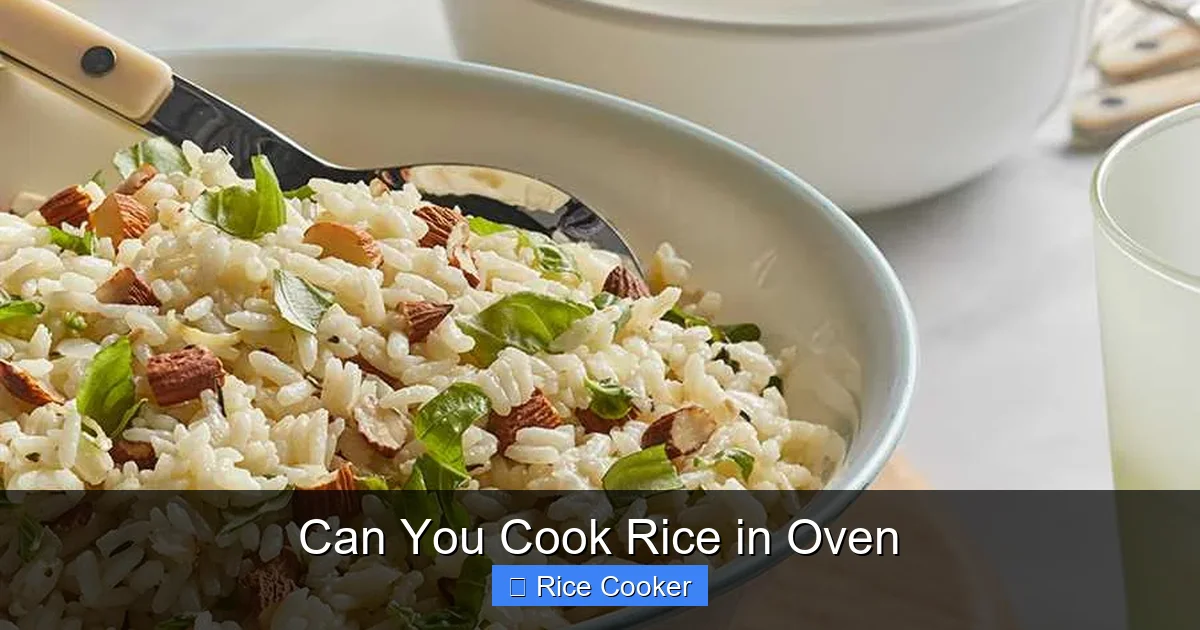
Visual guide about Can You Cook Rice in Oven
Image source: metrocookingdallas.com
- Hands-free convenience: Once you set the oven temperature and timer, you can focus on other tasks without watching the pot.
- Even heat distribution: The oven’s dry, radiant heat cooks rice more uniformly than some stovetop methods, especially if you stir occasionally.
- Better flavor absorption: When rice simmers in liquid, flavors from herbs, garlic, or broth have more time to infuse into each grain.
- Ideal for large batches: Need to make rice for a family dinner or meal prep for the week? A Dutch oven or large baking dish handles it all.
- No special equipment needed: As long as you have an oven-safe pot or baking dish, you’re ready to go.
That said, the oven isn’t perfect for every situation. It uses more energy than boiling rice, and cooking times are slightly longer. But for most home cooks, these trade-offs are worth the convenience and results.
Types of Rice That Work Best in the Oven
Not all rice is created equal—and not all types respond the same way to oven cooking. Here’s a breakdown of the most common varieties and how they perform when baked:
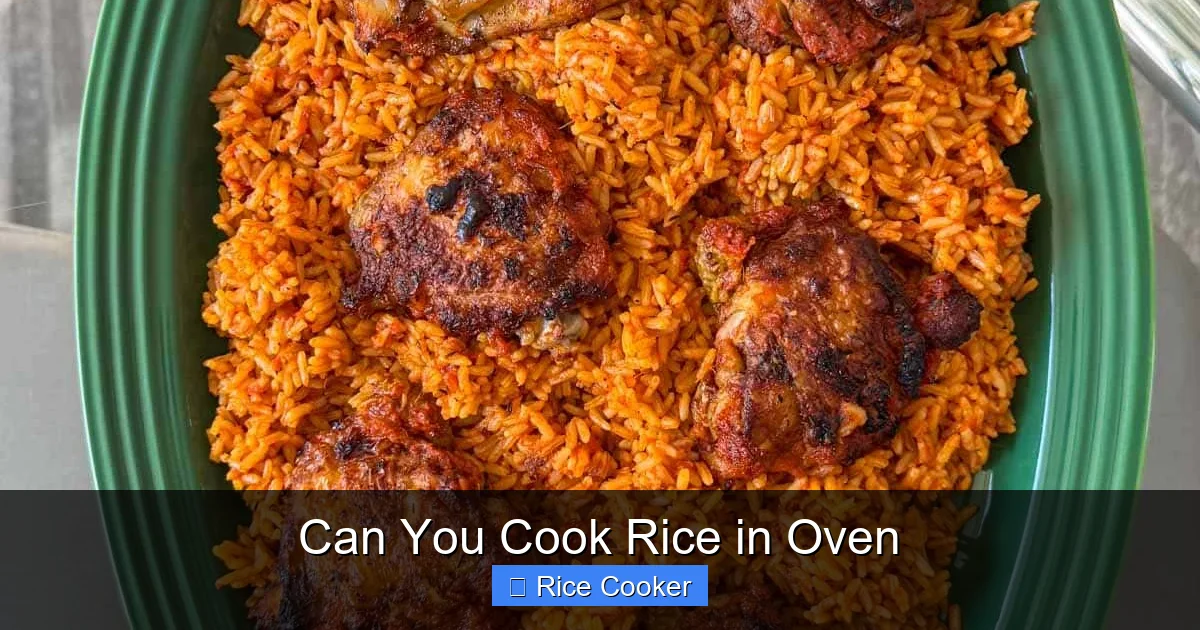
Visual guide about Can You Cook Rice in Oven
Image source: zenaskitchen.com
White Rice (e.g., Jasmine, Basmati, Long-Grain)
White rice is the easiest to cook in the oven because it has a shorter grain length and lower fiber content. It absorbs water quickly and cooks relatively fast. Jasmine and basmati rice, in particular, become fragrant and fluffy when simmered in the oven.
Brown Rice
Brown rice takes longer due to its outer bran layer, which holds onto water and slows down absorption. Because of this, it often needs a higher water ratio and more cooking time. However, oven-baked brown rice tends to be chewier and nuttier in flavor than stovetop versions.
Wild Rice
Wild rice is technically an aquatic grass seed, not a true grain. It expands significantly during cooking and requires extra water. Oven cooking works well here too, but be sure to use a lid and check frequently toward the end to avoid drying out.
Porridge or Short-Grain Rice (e.g., Sushi Rice)
Short-grain rice, like sushi or arborio, can be oven-cooked but tends to clump more unless stirred gently. These are better suited for stovetop or rice cooker methods where agitation is easier.
Tip: Always rinse your rice before cooking to remove excess starch. This prevents gummy textures and helps achieve fluffiness—especially important when baking.
Essential Tools and Equipment
To cook rice in the oven successfully, you don’t need much—but having the right tools makes a difference. Here’s what to gather:
- An oven-safe pot or Dutch oven with a tight-fitting lid. Cast iron or heavy stainless steel works best for even heat retention.
- A baking sheet or trivet (optional): Place the pot on a baking sheet to catch any potential spills and make cleanup easier.
- A fork or rice paddle for fluffing after cooking.
- A timer—oven temperatures can vary, so timing is crucial.
- Measuring cups and spoons for accurate water and rice ratios.
Pro tip: If you don’t own a Dutch oven, a large, deep baking dish with a lid (like a glass Pyrex) will work in a pinch. Just keep an eye on it since glass conducts heat differently than metal.
Step-by-Step Guide: How to Cook Rice in the Oven
Ready to give it a try? Follow these simple steps for foolproof oven-baked rice:
- Rinse the rice: Place rice in a fine-mesh strainer and rinse under cold water until the water runs clear. This removes surface starch.
- Add liquid: For every 1 cup of uncooked rice, add 2 cups of water (for white rice) or 2.5 cups (for brown rice). You can substitute half water, half broth for extra flavor.
- Add flavorings (optional): Toss in a teaspoon of oil, a pinch of salt, or aromatics like garlic cloves, bay leaves, or onions.
- Bake covered: Preheat oven to 375°F (190°C). Transfer rice and liquid to your oven-safe pot. Cover tightly with lid.
- Simmer undisturbed: Bake for 30–40 minutes for white rice, 50–60 minutes for brown rice. Do not lift the lid during this time—this releases steam and can ruin the texture.
- Let it rest: Turn off the oven and let rice sit, covered, for 10 minutes. This allows residual heat to finish cooking and redistributes moisture.
- Fluff and serve: Use a fork to gently break apart any clumps. Serve immediately.
Example recipe: For 2 cups of jasmine rice, combine with 4 cups water, 1 tablespoon butter, and a pinch of salt. Bake at 375°F for 35 minutes, then rest 10 minutes. Result: tender, fragrant, and perfectly separated grains.
Troubleshooting Common Issues
Even with the best technique, things can go wrong. Here’s how to fix the most frequent problems:
Rice is too dry or hard
This usually means insufficient liquid or premature opening of the lid. Next time, increase water by ¼ cup and ensure the lid stays sealed throughout baking. Also, verify your oven temperature isn’t too high—excessive heat evaporates moisture too quickly.
Rice is mushy or sticky
Overcooking or too much starch leads to gummy rice. Rinse thoroughly before cooking, avoid lifting the lid early, and don’t overfill the pot (stirring helps prevent sticking). For sticky rice types like sushi, consider reducing water by ½ cup.
Rice burns on the bottom
This happens when the pot heats unevenly or lacks enough liquid at the base. Use a heavy-bottomed pot, ensure adequate water level, and place a baking sheet underneath to stabilize heat distribution.
Rice doesn’t cook evenly
Stir once halfway through (if safe with your vessel), or choose a rice variety known for even cooking. Brown rice, in particular, benefits from occasional gentle mixing to prevent hot spots.
Bonus tip: To check doneness without opening the oven, insert a chopstick or skewer into the center. If it comes out clean with no wet rice clinging to it, it’s done.
Creative Ways to Flavor Oven-Baked Rice
Plain white rice is fine—but why settle for plain when you can elevate your grains? Oven cooking is perfect for infusing subtle, rich flavors. Try these ideas:
- Herbed Rice: Add fresh thyme, rosemary, or sage directly into the cooking liquid.
- Garlic & Lemon: Toss in 2–3 crushed garlic cloves and zest of one lemon for brightness.
- Saffron Rice: Steep saffron threads in warm water before adding to the pot—classic Spanish or Persian dish.
- Chicken or Vegetable Broth: Replace half the water with broth for deeper savory notes.
- Cheese Infusion: Stir in grated Parmesan or feta just before serving for creamy undertones.
For vegetarian or vegan meals, mushrooms, carrots, or celery added to the pot enhance both flavor and nutrition. You can even bake rice with beans or lentils for a complete protein-packed side.
Meal Prep Made Easy: Batch-Cooking Oven Rice
One of the biggest perks of oven rice is its scalability. Want 10 cups of perfectly cooked basmati for tacos, stir-fries, or salads? No problem.
Here’s how to scale up safely:
- Use a large Dutch oven or two separate pots.
- Increase water proportionally (always stick to tested ratios).
- Bake one pot at a time if your oven rack space is limited.
- Store cooled rice in airtight containers for up to 5 days in the fridge, or freeze for 2–3 months.
Reheating? Simply microwave with a splash of water or steam in the oven for 5–7 minutes. Fluffing always helps revive texture.
Energy Efficiency and Safety Tips
While oven cooking is convenient, it does use more electricity or gas than boiling rice. Here’s how to minimize impact:
- Preheat efficiently: Only preheat the portion of the oven you’ll use.
- Insulate with lids: A tight-fitting lid reduces heat loss and shortens cooking time.
- Choose energy-efficient ovens: Convection models circulate hot air, potentially cutting time by 25%.
- Don’t open unnecessarily: Each time you open the door, you lose heat and extend baking time.
Safety note: Always use oven mitts when handling hot pots. Never leave the oven unattended when baking liquids—though rice is low-risk due to contained steam, accidents happen.
Final Thoughts: Is Oven Rice Worth It?
After learning how versatile and reliable oven-cooked rice is, you might be wondering: Should I switch permanently?
The answer depends on your lifestyle. If you love meal prep, rarely use your stovetop, or just want more kitchen flexibility, then yes—oven rice is a game-changer. It’s especially handy during holidays, when multiple dishes are on the go, or if you’re hosting guests and need backup cooking space.
That said, traditional methods still have their place. Boiling is faster for small quantities, and rice cookers offer automated precision. But for many home cooks, the simplicity and hands-off nature of oven baking make it a valuable addition to their toolkit.
So go ahead—grab that pot, preheat your oven, and prove to yourself that you really can cook rice in the oven. Your future self (and your hungry family) will thank you.
Frequently Asked Questions
Is it safe to cook rice in the oven?
Absolutely! As long as you use proper ratios, maintain consistent heat, and follow basic safety practices, oven-cooked rice is completely safe and nutritious.
Do I need to soak rice before baking it in the oven?
Soaking is optional and mainly beneficial for very hard or aged rice varieties. Most supermarket rice (jasmine, basmati, etc.) doesn’t require soaking and bakes beautifully without it.
Can you cook instant rice in the oven?
Yes, but it’s unnecessary—instant rice is designed for quick boiling. Oven cooking would take longer than needed and could result in overcooked, mushy grains.
What temperature should I bake rice at?
The standard temperature is 375°F (190°C). This provides gentle, steady heat that cooks rice through without burning. Adjust only if your oven runs hot or cold.
Can I add vegetables to oven-baked rice?
Yes! Carrots, peas, corn, or diced potatoes can be added during the last 15–20 minutes of baking. Make sure they’re cut into similar sizes for even cooking.
How long does leftover oven rice stay fresh?
Cooked rice lasts 3–5 days in the refrigerator if stored properly in an airtight container. Freeze portions for up to 3 months for longer shelf life.