
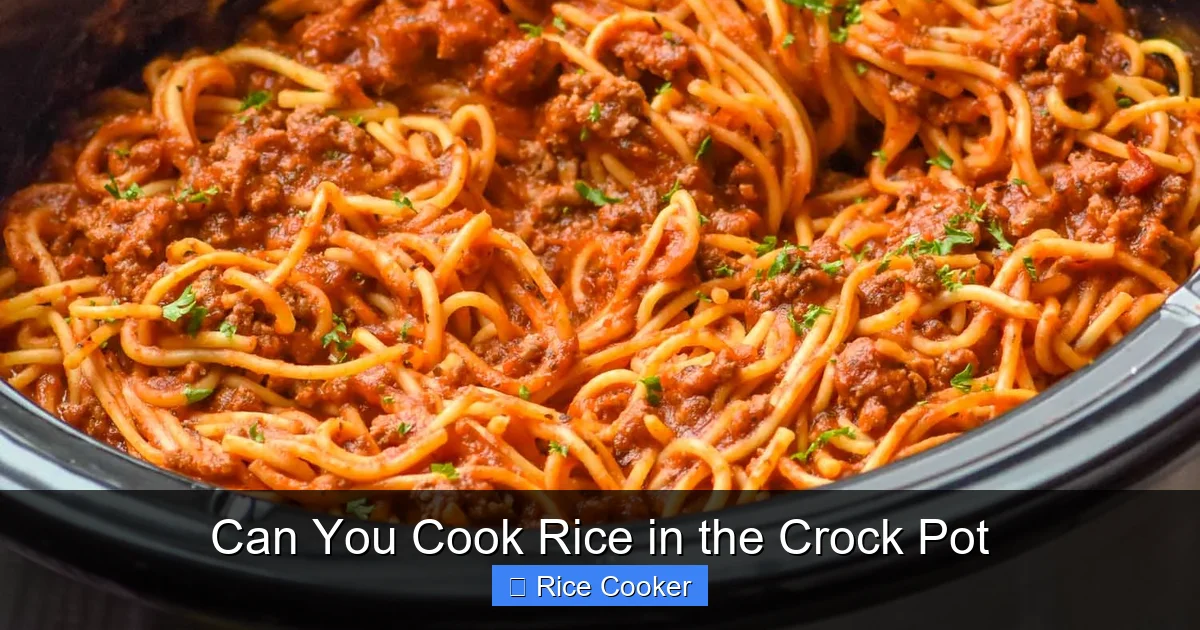
You absolutely can cook rice in a crock pot, and it’s easier than you think. With the right water-to-rice ratio and a few timing tweaks, you’ll get perfectly cooked grains without babysitting the stove. Whether you’re making jasmine, brown, or wild rice, a slow cooker delivers consistent results with minimal effort.
Key Takeaways
- Yes, crock pots work for rice: With the right technique, your slow cooker can produce fluffy, evenly cooked grains.
- Water is key: Use 1.5 to 2 cups of water per cup of uncooked rice, adjusting for grain type and desired texture.
- Cooking time varies: White rice takes about 1 hour on high; brown rice needs 2–3 hours on low.
- Pre-soaking helps: Soak brown or wild rice for 20–30 minutes to reduce cooking time and improve texture.
- Fluff and rest: Let rice sit covered for 10 minutes after cooking to finish absorbing moisture.
- Avoid lifting the lid: Resist checking frequently—each opening lets steam escape and affects cooking.
- Clean-up is easy: Most crock pot inserts are dishwasher safe, making cleanup a breeze.
Quick Answers to Common Questions
Can I use a crock pot to cook instant rice?
Yes, but it’s not recommended. Instant rice is designed for short cooking times (usually 1 minute on the stovetop or in the microwave). Using a crock pot will likely result in overly soft or mushy rice. Stick to regular long-grain, brown, or wild rice for best results.
Do I need to soak brown rice before cooking it in a crock pot?
Soaking is optional but helpful. It reduces cooking time and improves texture by allowing the grain to rehydrate. If you skip soaking, increase cooking time by 15–30 minutes and ensure the rice is fully tender before serving.
Can I cook rice in a crock pot without a lid?
No. The lid is essential—it traps steam and maintains consistent internal temperature. Without it, the rice won’t cook evenly and may dry out or remain undercooked.
How do I prevent rice from sticking to the crock pot?
Use a nonstick insert (most modern crock pots come with one), add a small amount of oil or butter, and avoid stirring too vigorously. Also, never leave rice unattended for long periods—occasional gentle mixing can help.
Can I cook rice directly in the crock pot without an insert?
Only if your model has a stoneware base (not just a metal pot). Stoneware inserts are designed for direct cooking. Using a metal pot without proper insulation may damage your unit or affect performance.
📑 Table of Contents
- Can You Cook Rice in the Crock Pot? The Definitive Guide
- The Science Behind Cooking Rice in a Slow Cooker
- Types of Rice Perfect for Slow Cooking
- Step-by-Step Guide: How to Cook Rice in a Crock Pot
- Tips for Perfect Crock Pot Rice Every Time
- Beyond Basic Rice: Creative Crock Pot Recipes
- Final Thoughts: Is It Worth It?
Can You Cook Rice in the Crock Pot? The Definitive Guide
Picture this: It’s 5 p.m., and you’ve just come home from a long day at work. Your stomach is growling, but dinner prep feels overwhelming. You want something quick, nutritious, and delicious—something that doesn’t require constant attention on the stovetop. Enter the humble crock pot. That trusty kitchen appliance sitting on your countertop? It’s not just for stews and soups anymore. Yes, you can absolutely cook rice in a crock pot, and it’s one of the most convenient, foolproof ways to prepare this staple grain.
Rice is a global food powerhouse—used in everything from sushi to risotto, pilafs to fried rice. But traditional methods often demand careful monitoring, precise timing, and a watchful eye to prevent burning or undercooking. That’s where the slow cooker shines. With minimal effort and maximum flavor potential, a crock pot transforms rice into a tender, aromatic side dish or even the base of a hearty meal. In this guide, we’ll walk you through everything you need to know—from basic techniques to advanced tips—so you can master rice in your slow cooker with confidence.
The Science Behind Cooking Rice in a Slow Cooker
How Does Heat Transfer Work?
Understanding how heat moves in a crock pot is crucial for success. Unlike boiling rice on the stove, which uses direct, intense heat, a slow cooker uses gentle, indirect warmth. This method allows moisture to gradually penetrate each grain, cooking them evenly from the inside out. The ceramic insert retains heat beautifully, maintaining a steady temperature throughout the cooking process.
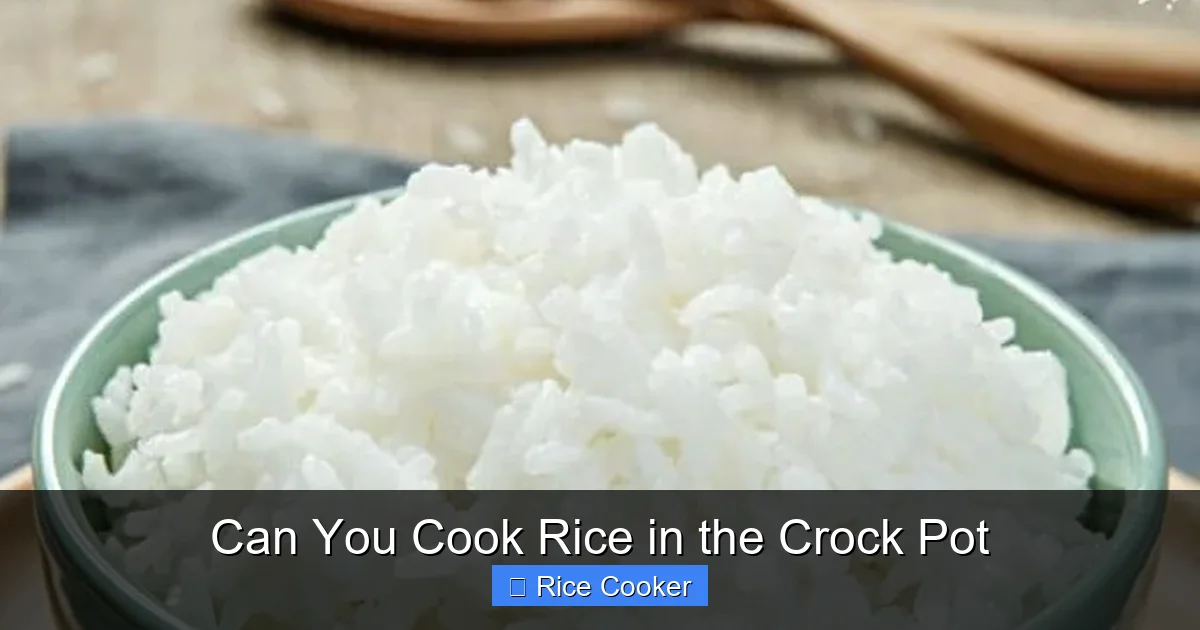
Visual guide about Can You Cook Rice in the Crock Pot
Image source: momentswithmandi.com
This gentler approach is especially beneficial for longer-grain varieties like basmati or jasmine, which can become mushy if overcooked on the stovetop. The low-and-slow environment of a crock pot helps preserve their distinct texture and aroma. Plus, because there’s no risk of scorching (thanks to the nonstick insert), you don’t have to worry about stirring constantly or watching for bubbles.
Why Water-to-Rice Ratios Matter
One of the biggest challenges when cooking rice in a crock pot is getting the right balance of liquid. Too little water leads to dry, crumbly rice; too much results in a gummy mess. The general rule is 1.5 to 2 cups of water (or broth) per cup of uncooked rice. However, this can vary depending on the type of rice and your preferred consistency.
For example, white rice typically requires less water than brown rice because it has a higher starch content and cooks faster. Brown rice, with its tougher outer bran layer, needs more time and moisture to soften properly. Wild rice, meanwhile, absorbs even more liquid due to its irregular shape and dense structure.
Types of Rice Perfect for Slow Cooking
White Rice
If you’re looking for simplicity and speed, white rice is your best bet for crock pot success. Varieties like long-grain Jasmine or Basmati work particularly well because they maintain their structure during extended cooking times. They also release fewer starches, resulting in less stickiness when properly prepared.
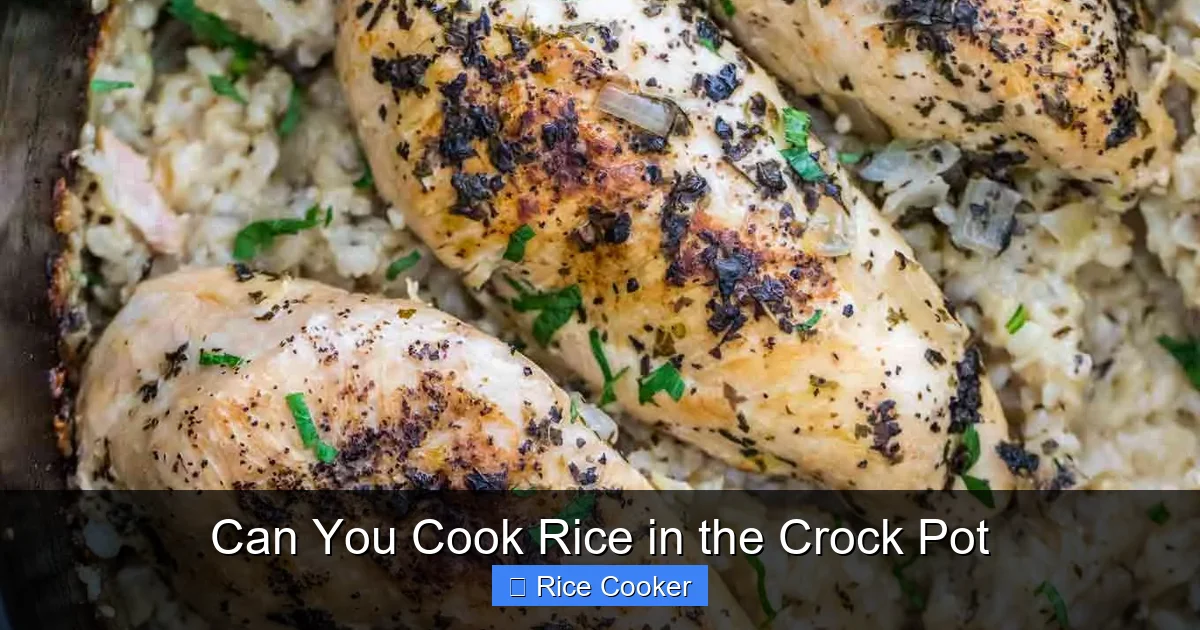
Visual guide about Can You Cook Rice in the Crock Pot
Image source: sweetandsavorymeals.com
To cook white rice in your crock pot:
- Use a 1:1.5 water-to-rice ratio (e.g., 2 cups water for 1 cup rice)
- Cook on high for about 1 hour
- Let sit covered for 10 minutes before fluffing
This method yields light, fluffy grains ideal for pairing with curries, grilled meats, or as a side for stir-fry nights.
Brown Rice
While slightly trickier than white rice, brown rice can still turn out beautifully in a crock pot—especially if you pre-soak it. The extra fiber in brown rice means it takes longer to digest and cook fully, so patience is key. Cooking it on low heat for 2 to 3 hours ensures thorough softening without turning into paste.
Pro tip: Add a splash of broth instead of water for deeper flavor. You might also consider adding a pinch of salt or a bay leaf for subtle seasoning.
Wild Rice
Wild rice is less common but incredibly nutritious, packed with protein, antioxidants, and a rich, earthy taste. Because it’s actually an aquatic grass seed (not true rice), it has a unique texture that benefits from extended soaking and cooking.
To prepare wild rice in your slow cooker:
- Soak for at least 30 minutes before cooking
- Use 3 cups of water or broth per cup of rice
- Cook on low for 2.5 to 3 hours
- Allow a full 15-minute rest period post-cooking
The result? Tender, slightly chewy grains that hold their shape beautifully and add depth to salads, stuffing, or holiday meals.
Step-by-Step Guide: How to Cook Rice in a Crock Pot
What You’ll Need
- 1 cup uncooked rice (white, brown, or wild)
- 1.5 to 3 cups liquid (water, broth, or stock)
- Optional: salt, herbs, butter, or oil
- Crock pot with removable insert
Preparation Steps
- Rinse the rice (optional): While not always necessary, rinsing removes excess starch and prevents clumping. Place rice in a fine-mesh strainer and rinse under cold water until it runs clear.
- Add ingredients to the insert: Combine rinsed rice, liquid, and any optional seasonings in the crock pot insert.
- Stir gently: Mix once to distribute ingredients evenly—but avoid overmixing, which can break down the grains.
- Cover and cook: Secure the lid tightly. Set your slow cooker to “high” or “low” based on the rice type and desired speed.
- Avoid peeking: Resist the urge to lift the lid frequently. Each time you open it, you lose precious steam, which can throw off cooking time and temperature.
- Test for doneness: After the recommended time, check if the rice is tender and all liquid has been absorbed. If it’s still crunchy, cover and cook another 10–15 minutes.
- Rest and fluff: Turn off the slow cooker and let the rice sit covered for 10–15 minutes. Then, use a fork to gently fluff and separate the grains.
Troubleshooting Common Issues
Too wet or mushy? This usually happens when too much liquid is used or the rice isn’t given enough time to absorb it. Next time, reduce water by ¼ cup and extend resting time slightly.
Undercooked or chalky? Insufficient cooking time or inadequate soaking (for brown/wild rice) can cause this. Always follow grain-specific guidelines and don’t rush the process.
Burnt bottom? Some models have hotter spots near the heating element. Try placing a small oven-safe dish of water in the insert while cooking to stabilize moisture levels.
Tips for Perfect Crock Pot Rice Every Time
Choose the Right Size Insert
Most standard crock pots come with a 4- to 6-quart insert. For single servings, a 2-cup batch fits best. Larger batches may lead to uneven cooking unless stirred occasionally (which defeats the purpose of hands-off cooking).
Season Thoughtfully
A dash of salt enhances flavor without overpowering. For richer dishes, add a pat of butter or a teaspoon of olive oil before covering. Herbs like thyme or rosemary can infuse subtle notes—just remove them after cooking so they don’t become bitter.
Experiment with Broth
Substituting water with chicken, vegetable, or beef broth adds depth and nutrition. Just be mindful that some broths are saltier than others—adjust accordingly.
Double-Check Timing
Slow cookers vary in performance. If your model runs hot or cold, adjust cooking times accordingly. A digital thermometer inserted into the center of the rice should read around 200°F when done.
Store Leftovers Properly
Cooked rice keeps well in the refrigerator for up to 5 days. Reheat gently in a microwave or on the stovetop with a splash of water to restore moisture. Never leave rice at room temperature for more than 2 hours to prevent bacterial growth.
Beyond Basic Rice: Creative Crock Pot Recipes
Once you’ve mastered plain rice, the possibilities expand! Try these inspired ideas:
- Garlic Herb Rice: Sauté minced garlic in a bit of oil before adding rice and broth. Finish with chopped parsley and lemon zest.
- Southwest Rice Bowl: Cook white rice with black beans, corn, diced tomatoes, and cumin. Top with avocado, sour cream, and shredded cheese.
- Lemon Chicken & Rice: Layer chicken thighs, rice, broth, lemon slices, and fresh thyme in the crock pot. Cook on low for 3–4 hours until chicken shreds easily.
- Vegetable Pilaf: Stir in sautéed mushrooms, peas, carrots, and dill during the last 30 minutes of cooking.
These recipes showcase how versatile crock pot rice can be—turning a simple side into a complete meal with minimal effort.
Final Thoughts: Is It Worth It?
Cooking rice in a crock pot isn’t just possible—it’s practical, economical, and surprisingly effective. While dedicated rice cookers offer precision and speed, many households already own a slow cooker, making this an accessible upgrade to their culinary routine. The trade-off between convenience and control is well worth it for busy cooks, meal-preppers, and anyone who values one-pot simplicity.
Remember: success hinges on understanding your ingredients, respecting cooking times, and trusting the process. Don’t expect instant results—slow and steady wins the rice race. With practice, you’ll develop a feel for how your particular crock pot behaves, fine-tuning ratios and timings to perfection.
So go ahead—dust off that crock pot, grab some rice, and give it a try. Before long, you’ll be serving up restaurant-quality grains with zero stress. And who knows? You might just discover your new favorite kitchen hack.
Frequently Asked Questions
What’s the best type of rice for a crock pot?
Long-grain white rice works best due to its ability to stay separate and fluffy. Brown and wild rice are also possible with longer cooking times and proper soaking. Short-grain varieties tend to become sticky and are less ideal.
How much water should I use per cup of rice?
Generally, use 1.5 to 2 cups of liquid per cup of uncooked rice. Adjust based on grain type—brown rice needs more, white rice less. Always err on the side of slightly less water and let the rice absorb as it cooks.
How long does it take to cook rice in a slow cooker?
White rice cooks in about 1 hour on high or 2–3 hours on low. Brown rice takes 2–3 hours on low, and wild rice needs 2.5–3 hours on low with pre-soaking. Exact time depends on your model and rice quantity.
Can I add vegetables or meat to rice while it’s cooking?
Yes, but add them strategically. Dense vegetables like carrots or potatoes can go in early; delicate ones like peas or spinach should be added in the last 30 minutes. Meats should be added only if the total cooking time aligns with their tenderness requirements.
Why is my crock pot rice always mushy?
Mushiness usually stems from too much liquid, insufficient draining, or overcooking. Try reducing water by ¼ cup, avoiding frequent lid lifts, and ensuring the rice rests covered for 10 minutes before fluffing.
Can I reheat leftover crock pot rice?
Absolutely. Store leftovers in an airtight container in the fridge for up to 5 days. Reheat in the microwave with a splash of water or on the stovetop with a tight-fitting lid to retain moisture.