
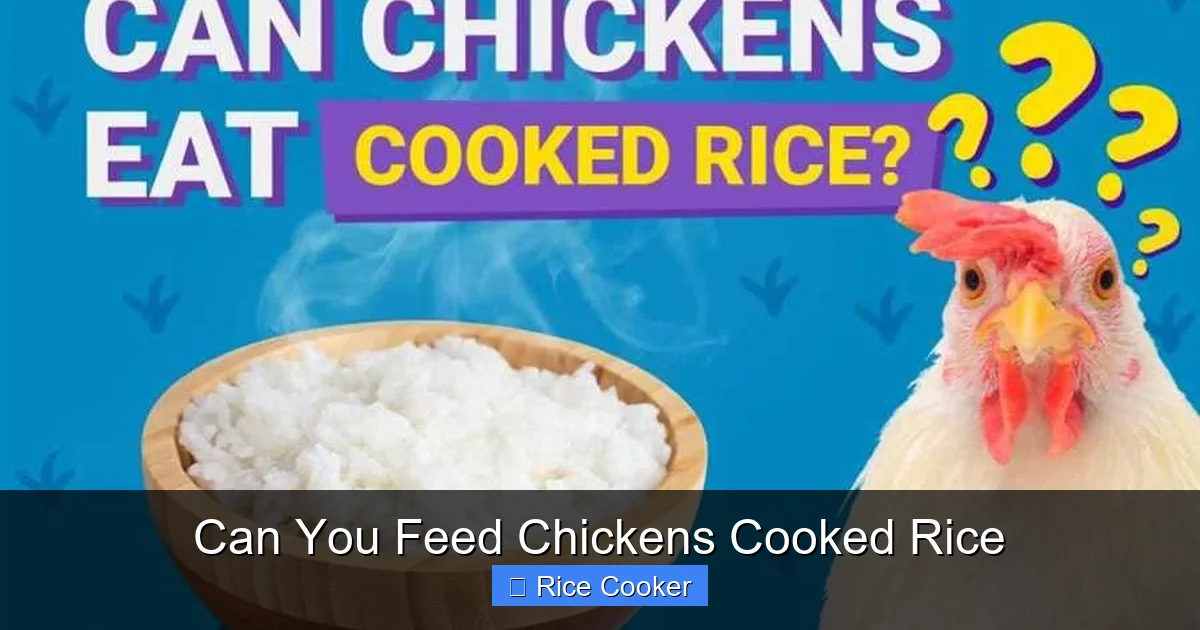
Can you feed chickens cooked rice? Absolutely—chickens love cooked rice, and it’s a great source of energy and carbohydrates. However, it should only be an occasional treat, not a staple of their diet. Always serve it plain, cool it first, and mix it with other foods to keep your flock healthy and happy.
Key Takeaways
- Rice is safe for chickens: Cooked rice is non-toxic and easily digestible for chickens.
- Moderation is key: Too much rice can cause nutritional imbalances or digestive upset.
- Plain is best: Never add salt, oil, butter, or seasoning—these are harmful to chickens.
- Cook without additives: Use plain water to boil rice; skip sauces, spices, or fried rice.
- Cool before feeding: Serve at room temperature to prevent burns or respiratory issues.
- Mix with forage: Combine rice with greens, grains, or kitchen scraps for balanced nutrition.
- Monitor your flock: Watch for changes in droppings or behavior after introducing new foods.
Quick Answers to Common Questions
Can baby chicks eat cooked rice?
Yes, but only after they’ve started eating starter feed (around 3–4 weeks old). Start with very small amounts and finely mashed rice to prevent choking. Always supervise initial feedings.
How often can I feed my chickens rice?
Once or twice a week is sufficient. Treats like rice should never exceed 10% of their daily food intake. Balance is key to maintaining optimal health.
Does rice help with molting?
It provides energy during molting, but it’s not a cure-all. Combine rice with protein-rich foods like dried insect larvae and dark leafy greens for best results.
Can I feed my chickens leftover fried rice?
No. Fried rice contains salt, oil, and seasonings that are toxic to chickens. Stick to plain, unseasoned rice cooked with water only.
Will rice attract rodents to my coop?
If stored improperly, yes. Keep feed containers sealed and clean up spills immediately. Use elevated feeders to deter pests and protect your flock’s food.
📑 Table of Contents
- Can You Feed Chickens Cooked Rice? A Complete Guide for Happy Hens
- The Nutritional Value of Cooked Rice for Chickens
- Is Cooked Rice Safe for Chickens?
- How to Properly Prepare and Serve Cooked Rice
- Benefits of Feeding Chickens Cooked Rice
- Practical Tips and Creative Uses for Leftover Rice
- Common Myths About Feeding Chickens Rice
- Monitoring Your Chickens After Introducing Rice
Can You Feed Chickens Cooked Rice? A Complete Guide for Happy Hens
You’ve probably heard mixed opinions about feeding chickens rice—some say it’s a lifesaver during tough times, while others warn it can make birds sick. So, can you feed chickens cooked rice? The short answer is yes—but with important caveats. When prepared correctly and offered in moderation, cooked rice is not only safe but also a valuable part of a chicken’s diet. It’s affordable, filling, and rich in energy, making it a popular choice among backyard poultry keepers.
In this article, we’ll explore everything you need to know about feeding your flock cooked rice. We’ll cover the nutritional benefits, potential risks, preparation tips, and creative ways to include rice in your chickens’ meals. Whether you’re dealing with leftover dinner, trying to save on feed costs, or simply want to spoil your hens, this guide will help you make informed decisions. Let’s dive in and discover how cooked rice can be a smart addition to your chicken care routine.
The Nutritional Value of Cooked Rice for Chickens
Carbohydrates and Energy
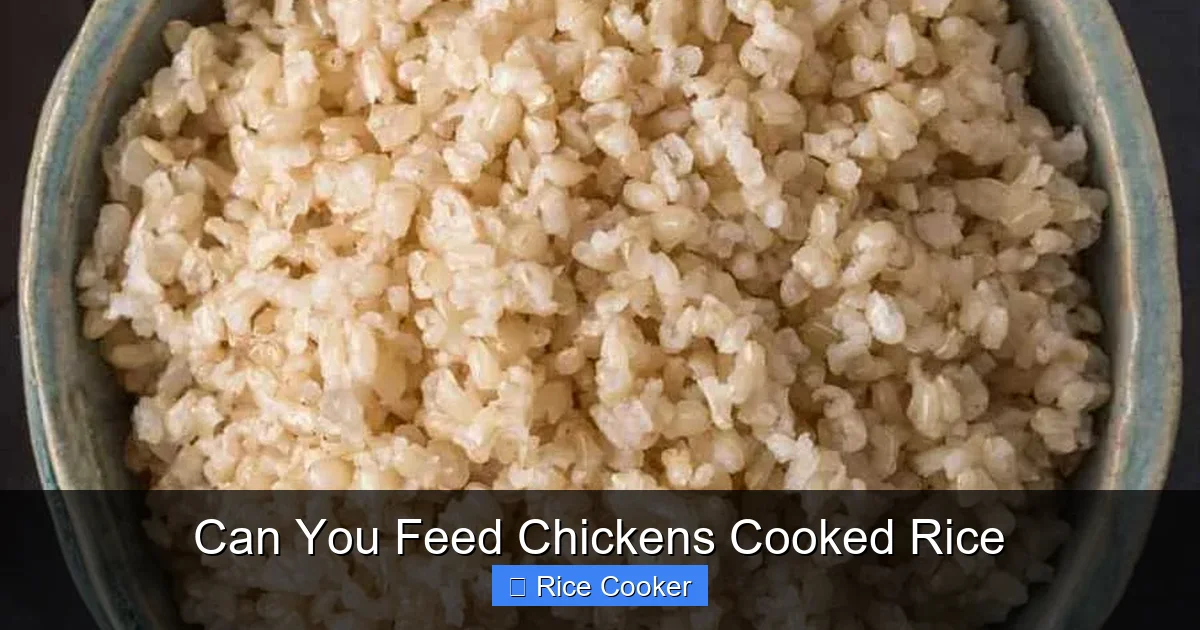
Cooked rice is primarily made up of carbohydrates, which provide quick energy for your chickens. This makes it especially useful during cold weather or when your hens need an extra boost. Just like humans, chickens rely on carbs for daily activity, egg production, and maintaining body heat. One cup of cooked white rice contains about 100 calories and roughly 25 grams of carbohydrates—perfect for fueling a busy coop life.
Visual guide about Can You Feed Chickens Cooked Rice
Image source: metrocookingdallas.com
Protein and Fiber Content
While rice isn’t a high-protein food, it does contain small amounts of protein and dietary fiber. Brown rice offers slightly more fiber and nutrients than white rice due to its bran layer. For chickens, fiber helps support healthy digestion and gut motility. Including rice in their diet can aid in processing other foods, especially when combined with greens or insects.
B Vitamins and Minerals
Rice contains trace amounts of B vitamins like niacin and thiamine, which support metabolism and nervous system function. Though not a primary source, these micronutrients contribute to overall health when part of a varied diet. Brown rice also has higher levels of magnesium, phosphorus, and selenium compared to white rice.
Is Cooked Rice Safe for Chickens?
No Harmful Additives
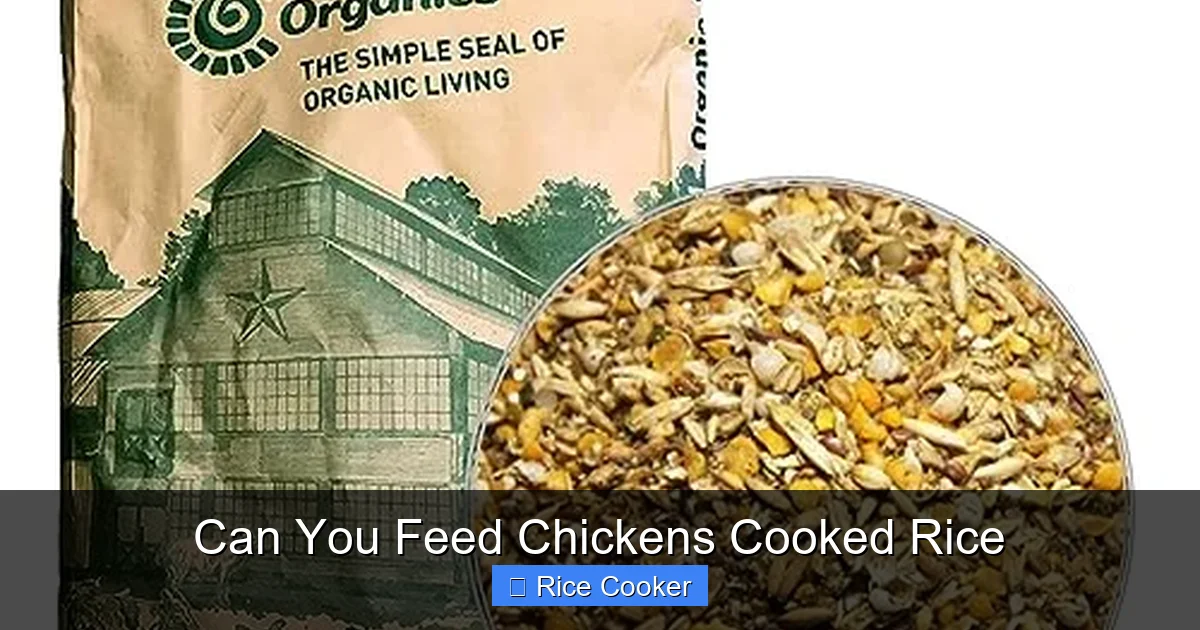
The biggest concern people have about feeding chickens rice is whether it’s truly “plain.” Many assume that any rice served to birds must come from a restaurant or takeout meal—often loaded with salt, oil, or spices. But if you cook rice yourself using just water, it’s completely safe. Avoid anything seasoned, fried, or saucy.
Visual guide about Can You Feed Chickens Cooked Rice
Image source: m.media-amazon.com
Avoiding Common Mistakes
One frequent error is serving rice straight from the stovetop or microwave while still hot. Chickens have sensitive respiratory systems, and inhaling steam or eating hot food can irritate their airways. Always let rice cool to room temperature before offering it. Another mistake is feeding too much at once—rice lacks essential amino acids and minerals, so over-reliance can lead to malnutrition.
Potential Risks Explained
There’s no evidence that cooked rice causes illness in chickens when fed responsibly. However, uncooked rice expands in the stomach and could theoretically block the esophagus if swallowed whole. That’s why cooking is crucial. Also, moldy or spoiled rice should never be given—it can harbor harmful bacteria like Salmonella.
How to Properly Prepare and Serve Cooked Rice
Cooking Methods That Work Best
The simplest method is boiling plain white or brown rice in water until tender. For brown rice, use a 2:1 ratio of water to rice and simmer for 40–45 minutes. White rice cooks faster—about 18–20 minutes with a 1.5:1 water-to-rice ratio. Avoid using rice cookers with added flavors or pre-packaged mixes unless they’re labeled “plain.”
Serving Size Guidelines
As a treat, limit rice to no more than 10% of your chickens’ total diet. For a small flock of six chickens, this might mean one cup of cooked rice per day. Spread it across multiple feedings rather than dumping it all at once. Mix it with chopped vegetables, cracked corn, or mealworms to create a balanced snack.
Best Times to Offer Rice
Feed rice during the morning or afternoon—never right before bedtime. Chickens digest food quickly, and giving them heavy carbs late in the day may disrupt sleep patterns or encourage overeating. Also, avoid feeding rice immediately after they’ve already eaten a full grain-based ration.
Benefits of Feeding Chickens Cooked Rice
Cost-Effective Nutrition
Rice is one of the most affordable grains available. Buying in bulk allows you to stretch your feed budget further, especially during winter months when supplemental feeding increases. Instead of purchasing expensive scratch grains, you can repurpose family leftovers into nutritious treats.
Supports Digestive Health
The soft texture of cooked rice is gentle on young chicks and older birds with weaker crops. It’s often recommended as a bland diet during recovery from illness because it’s easy to swallow and digest. Just ensure it’s paired with probiotics or electrolyte solutions if used medicinally.
Encourages Foraging Behavior
Scatter small portions of rice around the run or hide pieces under leaves to mimic natural foraging. This mental stimulation keeps chickens active and reduces boredom-related pecking. It’s a simple enrichment strategy that costs almost nothing.
Egg Production Boost (Indirect)
While rice itself doesn’t increase egg yield, the energy it provides can support consistent laying, especially in layers that consume extra calories during molting or stress periods. Pair rice with calcium-rich foods like crushed eggshells to maintain strong shells.
Practical Tips and Creative Uses for Leftover Rice
Transform Kitchen Scraps
Instead of tossing out leftover boiled rice from family meals, set aside plain portions for your chickens. Just double-check there’s no garlic, onion, or dairy involved—these are toxic to poultry. Plain steamed rice works perfectly.
Make Homemade Chicken Treats
Combine cooled rice with mashed pumpkin, grated carrots, and a bit of oats to form patties. Bake at low heat until firm, then freeze extras. These homemade snacks are healthier than commercial pellets and fun to prepare.
Use in Emergency Situations
If you’re running low on commercial feed, cooked rice can serve as a temporary emergency food source. Mix it with a multivitamin supplement formulated for chickens to prevent deficiencies. Do not rely on rice long-term—it’s not nutritionally complete.
Compost Integration
Unused rice can go into your compost bin instead of the trash. Chickens love digging through fresh compost, and it enriches soil for garden plants. Just avoid adding rice with meat, fish, or dairy scraps, which can attract pests.
Common Myths About Feeding Chickens Rice
Myth: Rice Makes Chickens Fat
While rice is calorie-dense, chickens regulate their own intake based on need. They won’t overeat unless access is unlimited. As long as rice is part of a varied diet, weight gain isn’t a concern. Active birds naturally balance their consumption.
Myth: Only Fried Rice Is Okay
This is dangerous misinformation. Fried rice contains unhealthy fats, salt, and preservatives that harm chickens. Stick to plain, boiled rice without any added ingredients. Your flock will thank you with clean feathers and clear eyes.
Myth: Brown Rice Is Always Better
Both types are fine, but brown rice takes longer to cook and costs more. White rice has a shorter shelf life once cooked, so use it within a few days. Choose based on availability and your chickens’ preferences—they eat both without issue.
Monitoring Your Chickens After Introducing Rice
Watch Their Droppings
After feeding rice, check manure consistency. Slightly softer stools are normal due to increased moisture content. If feces become watery or bloody, stop feeding rice and consult a vet. Healthy droppings should firm up within 24 hours.
Observe Behavior Changes
Chickens that enjoy rice will eagerly peck at it. Lethargy, reduced appetite, or fluffed-up feathers after eating could signal distress. Remove uneaten rice promptly to prevent spoilage and monitor closely for 12–24 hours.
Track Egg Quality
Sudden drops in shell strength or color shifts in yolks may indicate dietary imbalance. Ensure rice is always mixed with protein sources (mealworms, black soldier fly larvae) and calcium supplements. Eggs should return to normal within a week of adjusting the diet.
Frequently Asked Questions
Is it okay to give chickens instant rice?
Yes, as long as it’s plain and not flavored. Instant rice cooks quickly and is easy to digest. Just ensure it’s cooled before serving and offered in moderation.
Can chickens eat uncooked rice?
No. Uncooked rice can expand in a chicken’s crop and potentially cause blockages. Always cook rice thoroughly before feeding it to your flock.
What happens if chickens eat too much rice?
Excessive rice may lead to diarrhea, lethargy, or nutritional deficiencies due to lack of protein and vitamins. Limit treats and ensure a balanced diet with proper feed.
Should I rinse rice before cooking for chickens?
Not necessary. Rinsing removes excess starch, which is fine, but it’s not required. Cooking rice with plain water is safe and nutritious for chickens.
Can rice replace commercial chicken feed?
No. Rice lacks essential amino acids, vitamins, and minerals found in balanced poultry feeds. It should only supplement, not replace, standard rations.
Do chickens prefer white or brown rice?
Most chickens don’t show strong preference. Both types are safe and nutritious. Brown rice has more fiber, while white rice cooks faster and is less likely to spoil.