
Yes, you can absolutely cook rice with oil—and many home cooks swear by it! Adding a small amount of oil (like vegetable or sesame) not only prevents sticking but also gives your rice a shinier finish and richer taste. Whether you’re using a pot on the stove or a rice cooker, this simple trick works for both white and brown rice, making every grain more delicious and foolproof.
Key Takeaways
- Oil prevents sticking: A splash of oil coats the rice grains and stops them from clumping together during cooking.
- Enhances flavor and appearance: Oil adds subtle richness and helps create a glossy, restaurant-quality finish.
- Improves texture: Rice cooked with oil tends to be fluffier and more separated after steaming.
- Works in any method: You can add oil when boiling, simmering, or using a rice cooker—oil is versatile.
- Health considerations: Use minimal oil (1–2 tablespoons) for best results without excess fat.
- Suitable for most rice types: From jasmine to basmati, short-grain to brown rice, oil improves the outcome.
- Traditional vs. modern: While some traditional recipes skip oil, modern cooking often includes it for better results.
📑 Table of Contents
Can You Cook Rice with Oil? The Simple Truth
Cooking rice might seem like one of those kitchen tasks everyone knows how to do—boil water, add rice, wait, then serve. But behind that seemingly simple process lies a world of techniques, tips, and secrets that can transform your humble bowl of rice into something extraordinary. One such secret? Adding oil.
Yes, you read that right. Can you cook rice with oil? Absolutely. In fact, many professional chefs and home cooks alike include a small amount of oil in their rice recipes for a reason: it makes a noticeable difference. Not only does it prevent sticking, but it also enhances the flavor and texture of the final dish. Whether you’re making fluffy jasmine rice for Thai curry or savory sushi rice, a little oil can elevate your results.
But why oil? And is it really necessary? Let’s dive deep into the science, the methods, and the benefits of using oil when cooking rice—so you can decide whether to start sprinkling it in your next pot of rice.
The Science Behind Oil in Rice Cooking
Visual guide about Can You Cook Rice with Oil
Image source: cookingtipsblog.com
Before we get into the “how” and “why,” let’s talk about what happens inside your pot when you add oil. Rice is mostly starch, and when heated with water, that starch absorbs moisture and swells, turning into the fluffy, separate grains we all love. But without proper technique, those grains can stick to the bottom, clump together, or absorb too much water.
Enter oil—a natural lubricant. When you add oil to the cooking water, it creates a thin film around each rice grain. This film reduces friction between grains and prevents them from adhering to the pan or to each other. Think of it like greasing a baking sheet: you’re preventing things from sticking before they even start.
Additionally, oil has a higher smoke point than water, meaning it doesn’t break down as quickly under heat. This stability helps maintain a consistent cooking environment, especially when using high heat. It also contributes to that signature shine on perfectly cooked rice—something you’ll notice if you compare a bowl cooked with oil to one without.
Does Oil Change the Nutritional Value?
One common concern is whether adding oil increases the calorie count or affects health. The truth is, a tablespoon or two of oil per batch of rice won’t drastically alter the overall nutrition, especially since rice itself isn’t a significant source of calories compared to other meals.
However, if you’re watching your fat intake, consider using a neutral oil like canola or sunflower, which are lower in saturated fats than butter or coconut oil. Also, remember that oil is used in very small quantities—usually just enough to coat the bottom of the pot or mix into the water. So while it adds a tiny bit of fat, it’s unlikely to tip the scales on a balanced diet.
For those with dietary restrictions, oil-free rice cooking methods exist, but they require extra attention to prevent sticking. If you’re avoiding oil for ethical or health reasons, there are alternatives—like using a non-stick pan or adding a splash of broth instead of water—but oil remains one of the easiest and most effective solutions.
Types of Oil: Which One Should You Use?
Not all oils are created equal when it comes to cooking rice. Some bring bold flavors, while others stay neutral. Here’s a quick breakdown:
- Vegetable oil: The classic choice. Neutral flavor, affordable, and widely available. Great for everyday cooking.
- Olive oil: Adds a fruity, slightly peppery note. Best for white rice or dishes where you want a hint of Mediterranean flavor.
- Sesame oil: Famous in Asian cuisine. Use sparingly—just a drop or two—as its strong aroma can dominate the dish.
- Canola or sunflower oil: Lightweight and stable at high heat. Ideal for large batches or when you want pure rice taste.
- Coconut oil: Adds a subtle sweetness and rich mouthfeel. Works well with jasmine or basmati rice.
For beginners, vegetable or canola oil is the safest bet. They won’t overpower your meal and deliver reliable results every time.
How to Cook Rice with Oil: Step-by-Step Guide
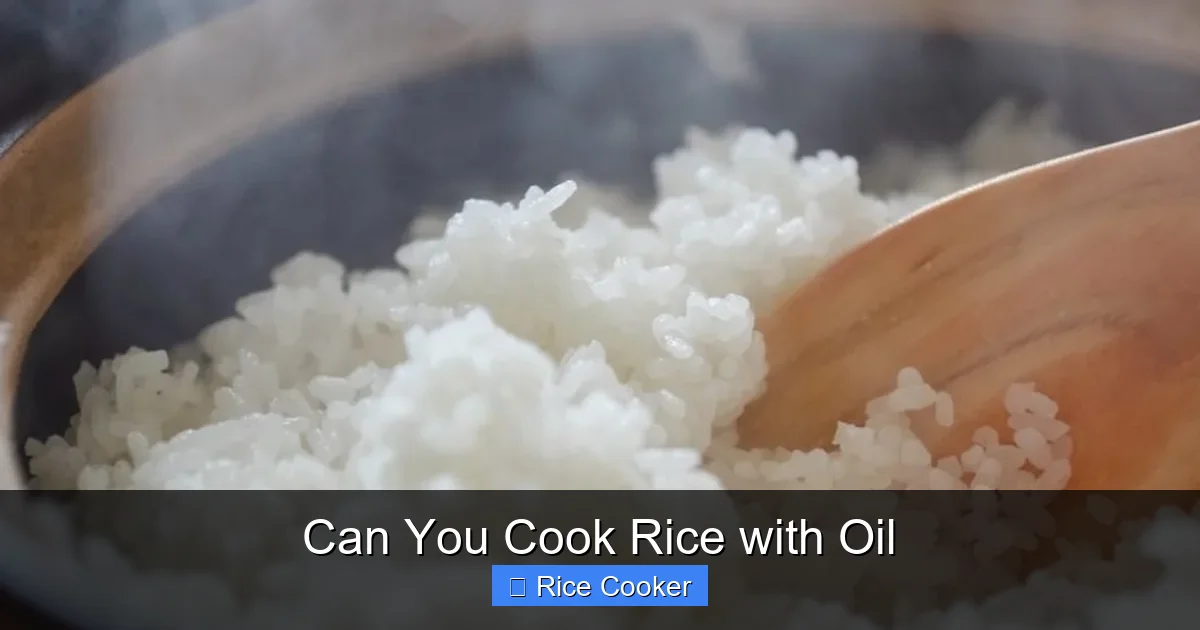
Visual guide about Can You Cook Rice with Oil
Image source: storables.com
Ready to try it yourself? Here’s a foolproof method for cooking rice with oil—whether you’re using a stovetop pot or a rice cooker.
Stovetop Method (Pot on the Burner)
- Measure your ingredients: For every cup of rice, use 1.5 cups of water. Add 1 teaspoon of oil (about 5 ml) to the water.
- Bring to a boil: Pour water and oil into a medium saucepan. Heat over high until bubbles form and the water reaches a rolling boil.
- Add rice: Stir in the rinsed rice. Reduce heat to low, cover the pot tightly, and let it simmer for 15–18 minutes (white rice) or 30–40 minutes (brown rice).
- Rest and fluff: Turn off the heat and let the rice sit, covered, for 5–10 minutes. Then gently fluff with a fork.
Pro tip: Always rinse your rice before cooking to remove excess starch. This helps prevent gummy rice, especially when using oil.
Rice Cooker Method
If you own a rice cooker, you’re in luck—this method is even easier.
- Combine ingredients: Add 1 cup of rice and 1.5 cups of water to the inner pot. Add 1 teaspoon of oil.
- Close and cook: Place the lid on and press the “Cook” button. Most modern rice cookers automatically switch to “Keep Warm” when done.
- Let it rest: Once the cycle ends, leave the rice in the cooker for 10 minutes before opening. This allows steam to redistribute evenly.
Using a rice cooker with oil ensures consistent results every time—no guesswork involved.
Instant Pot or Multi-Cooker Option
Many people love using pressure cookers for rice because it speeds up the process. Here’s how to adapt the recipe:
- Set the pot: Add 1 cup rice, 1.25 cups water, and 1 teaspoon oil to the Instant Pot.
- Seal and cook: Close the lid, set the valve to sealing, and select “Manual/Pressure Cook” for 3 minutes (white rice) or 6 minutes (brown rice).
- Natural release: Let the pressure release naturally for 10 minutes, then quick-release any remaining steam.
The oil helps keep the rice tender and prevents it from becoming mushy under pressure.
Benefits of Cooking Rice with Oil
So why go through the trouble of adding oil? What’s so special about it?
Prevents Sticking and Clumping
This is probably the biggest advantage. Without oil, rice tends to stick to the bottom of the pot—especially if you forget to stir or use too little water. With oil, that risk drops dramatically. Even if you’ve ever had burnt rice, you know how frustrating that is. Oil acts as a protective layer, reducing scorching and ensuring even heat distribution.
Creates Fluffier Grains
Oil helps separate the grains during steaming. As the rice cooks, the tiny film of oil prevents them from fusing together. When you fluff it at the end, each grain stands proud and independent—exactly what you want for perfect rice.
Improves Flavor and Appearance
Ever noticed how restaurant-style rice looks almost… shiny? That’s partly due to oil. It gives the surface a smooth, appealing luster. Plus, oil carries flavor better than water alone. A touch of sesame oil can make your rice taste like a dish straight out of Tokyo—without needing extra seasoning.
Speeds Up Cleanup
Less sticking means less scrubbing. After cooking, your pot should wipe clean with ease. No stubborn crusts or stuck-on bits. That alone makes oil worth the tablespoon.
Versatile Across Cuisines
From Japanese sushi rice to Indian biryani, Chinese fried rice, or even Spanish paella—oil plays a role in nearly every global rice recipe. Learning to use it opens doors to authentic flavors and techniques.
Common Myths About Oil and Rice
Despite its benefits, some myths persist. Let’s clear them up.
Myth #1: Oil Makes Rice Gummy
False. In fact, oil helps reduce gumminess by preventing starch from over-absorbing. Rinsing the rice first and using the right water-to-ratio are far bigger factors in texture than oil.
Myth #2: You Need Oil for Every Type of Rice
Not true. Brown rice, wild rice, and certain heirloom varieties may benefit less from oil because they have different starches and textures. But for standard white rice (jasmine, basmati, long-grain), oil is highly recommended.
Myth #3: Oil Increases Calories Significantly
As mentioned earlier, one teaspoon of oil adds about 40–50 calories per serving—not enough to matter unless you’re eating dozens of bowls. Compare that to a single pat of butter or a spoonful of cream, and oil is quite modest.
Myth #4: Only Expensive Oils Work
Nope. Cheap vegetable oil works fine. The flavor impact is minimal, and the anti-sticking properties remain strong. Save your premium olive oil for finishing salads or drizzling over finished rice.
Tips for Perfect Oil-Rice Every Time
Want to take your rice game to the next level? Follow these pro tips.
- Don’t overdo the oil: Stick to 1 teaspoon per cup of rice. Too much can leave a greasy residue.
- Rinse before cooking: Wash away excess surface starch to avoid clumping.
- Use a tight-fitting lid: Steam builds up pressure; a loose lid lets it escape, drying out the rice.
- Let it rest: Resist the urge to peek or stir during resting—it disrupts steam distribution.
- Fluff gently: Use a fork, not a whisk, to maintain grain integrity.
- Store properly: Leftover rice should cool completely before refrigerating to prevent sogginess.
Experiment with Flavored Oils
Once you’ve mastered basic oil-rice, try infusing your oil with garlic, lemon zest, or herbs. Just heat the oil gently with aromatics before adding water—but be careful not to burn them.
When Not to Use Oil
While oil is helpful, there are exceptions.
- Dietary restrictions: Vegan, oil-free, or low-fat diets may require alternative methods.
- Delicate recipes: Certain risotto styles or steamed rice dishes prefer water-only cooking for purity of flavor.
- Non-stick pans: If your pot already has a non-stick coating, oil might not be needed—though it still helps with fluffiness.
In those cases, focus on technique: precise measurements, gentle heat, and proper resting time can yield excellent results without oil.
Conclusion: Yes, You Should Try It
So, can you cook rice with oil? The answer is a confident yes. It’s a simple addition that delivers big rewards—fluffier grains, less sticking, better flavor, and a more professional presentation. Whether you’re cooking in a pot, rice cooker, or pressure cooker, oil fits seamlessly into the process.
Don’t let fear of extra calories or unfamiliarity stop you. Start with just one teaspoon per cup of rice and see the difference for yourself. Your future self will thank you with every perfectly cooked bowl.
And who knows? Maybe you’ll discover a new favorite way to prepare your go-to side dish. After all, rice is more than just food—it’s comfort, tradition, and creativity on a plate. Oil just makes it even better.
Frequently Asked Questions
Can I use any type of oil to cook rice?
Most neutral oils work well—like vegetable, canola, or sunflower. Avoid heavily flavored oils unless you want to alter the taste of your rice. A little sesame oil can add depth, but use it sparingly.
How much oil should I add per cup of rice?
One teaspoon (about 5 milliliters) per cup of rice is sufficient. This amount prevents sticking without making the rice greasy.
Does oil help prevent rice from sticking to the pot?
Yes! Oil creates a barrier between the rice and the pot, reducing the chance of burning or clumping. It’s especially helpful if you’re cooking over direct heat or forget to stir occasionally.
Will cooking rice with oil change its taste significantly?
In most cases, no—neutral oils won’t alter the flavor much. However, oils like olive or sesame can subtly enhance the taste, depending on the recipe and quantity used.
Is it better to add oil to the water or directly to the rice?
It doesn’t matter much—either way works. Adding oil to the water ensures even distribution, while mixing it with dry rice helps coat each grain before hydration begins.
Can I cook brown rice with oil?
Yes, but brown rice has more fiber and takes longer to cook. Still, a teaspoon of oil can improve texture and prevent sticking, though results may vary slightly compared to white rice.