
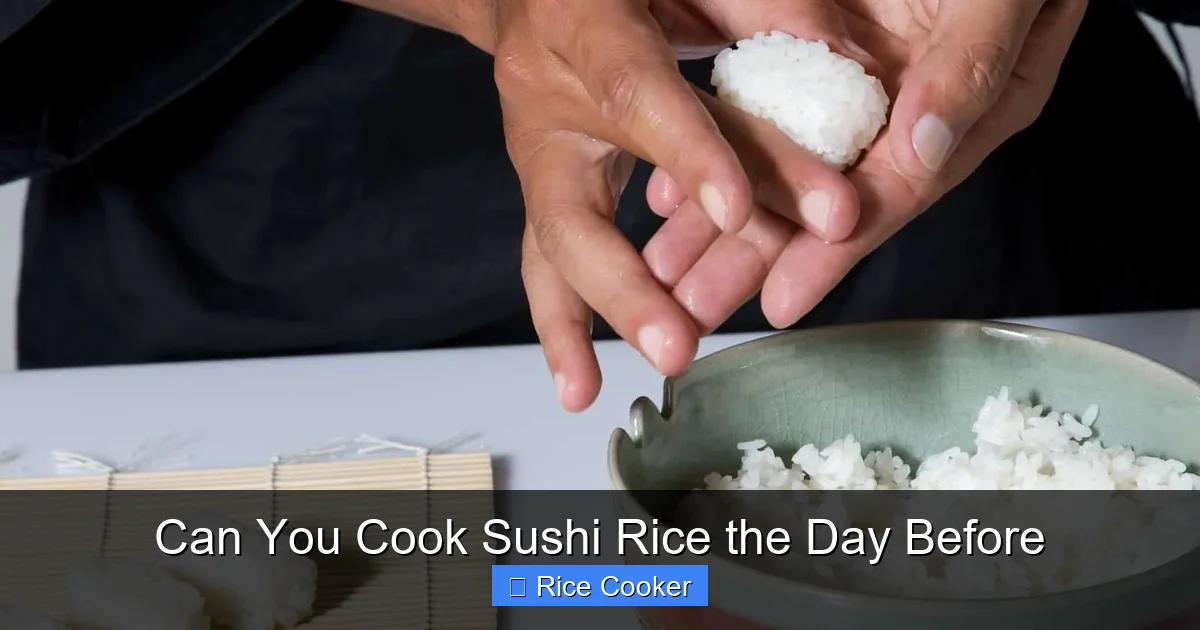
Can you cook sushi rice the day before? Absolutely! With the right technique, sushi rice stays fresh, fluffy, and ready to use. Proper storage and gentle reheating ensure your sushi rolls or bowls taste just as good the next day.
Key Takeaways
- Yes, sushi rice can be cooked a day ahead if stored correctly in the refrigerator.
- Use a rice cooker for consistent results—it’s the most reliable tool for perfect sushi rice.
- Cool rice quickly after cooking to prevent sticking and preserve texture.
- Store in an airtight container with a damp cloth to maintain moisture.
- Reheat gently with steam to restore softness without turning sticky.
- Add vinegar seasoning after reheating so flavors stay balanced.
- Plan ahead—making rice early helps you enjoy fresh sushi without last-minute stress.
📑 Table of Contents
- Can You Cook Sushi Rice the Day Before? The Ultimate Guide for Home Cooks
- The Science Behind Sushi Rice Storage
- Step-by-Step: How to Cook Sushi Rice for Next-Day Use
- How to Reheat Sushi Rice Without Ruining It
- Benefits of Preparing Sushi Rice Ahead
- Common Mistakes to Avoid
- How Long Can You Store Sushi Rice?
- Pairing Ideas: What to Serve with Your Sushi Rice
- Final Thoughts: Is Cooking Sushi Rice the Day Before Worth It?
Can You Cook Sushi Rice the Day Before? The Ultimate Guide for Home Cooks
Making sushi at home used to feel like a restaurant-only experience. But thanks to simple tools like rice cookers and a little kitchen know-how, crafting delicious sushi rice is now totally doable—even when you’re short on time. One question that pops up often is: Can you cook sushi rice the day before? The answer is yes, absolutely! In fact, many professional sushi chefs actually prefer making rice ahead of time because it allows the flavors to meld and the texture to stabilize. Plus, who doesn’t love having prepped ingredients ready to go when guests arrive?
Sushi rice, also known as shari or sumeshi, is more than just white rice—it’s seasoned with a blend of rice vinegar, sugar, and salt, giving it that signature tangy, slightly sweet flavor. But beyond taste, texture matters most. It needs to be soft, slightly sticky, but not mushy. And that’s where timing and technique come into play. If you’re using a rice cooker (which we highly recommend), cooking sushi rice the day before isn’t just possible—it might even improve the outcome.
The Science Behind Sushi Rice Storage
Understanding how rice behaves over time is key to mastering sushi prep. When rice cools after cooking, its starch molecules begin to retrograde—a process where they recrystallize and harden. This is why rice left out overnight can become tough or gummy. However, when stored properly in the fridge, this process slows down significantly.
Visual guide about Can You Cook Sushi Rice the Day Before
Image source: weknowrice.com
Refrigeration keeps the rice from going bad while preserving its structure. The key is avoiding temperature swings and keeping the rice moist enough to stay tender. That’s why storing sushi rice the day before isn’t just safe—it’s smart. Just make sure you follow the steps below to keep that delicate balance of stickiness and fluffiness intact.
Why Cooling Matters
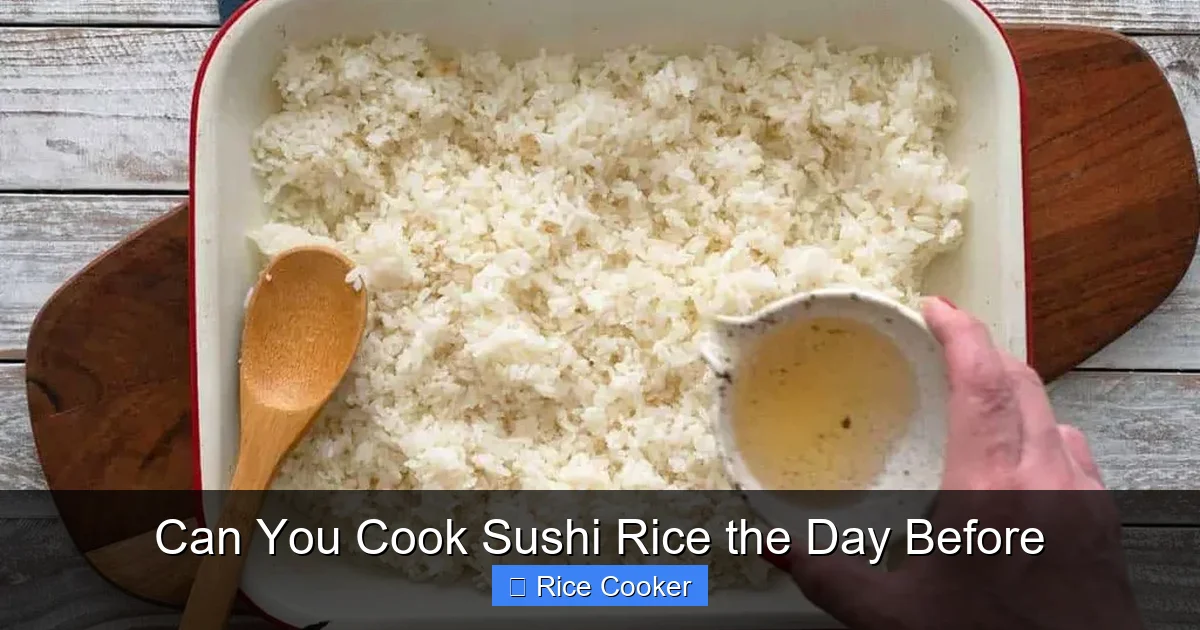
After cooking, sushi rice must cool rapidly to room temperature before being refrigerated. Leaving it sitting too long can lead to excess moisture buildup, which causes clumping. To speed this up, spread the rice in a thin layer on a baking sheet or large tray. Use a fan or place it near an open window to help it cool faster. Stirring occasionally prevents crusting on top.
The Role of Vinegar Seasoning
Vinegar is added to sushi rice immediately after cooking while it’s still warm. Why? Because heat helps the vinegar penetrate evenly and bind with the rice grains. Once the rice cools completely, adding vinegar again will have less effect—and could lead to uneven seasoning or a sour taste. So, plan to season your rice right after it finishes cooking, then let it cool before storing.
Step-by-Step: How to Cook Sushi Rice for Next-Day Use
If you’re planning to make sushi rice the day before, follow these steps for best results. Using a rice cooker makes everything easier, but traditional methods work too.
Visual guide about Can You Cook Sushi Rice the Day Before
Image source: i0.wp.com
Ingredients You’ll Need
- Short-grain Japanese rice (like Koshihikari or Calrose)
- Filtered water
- Rice vinegar
- Sugar
- Salt
- Airtight container
- Damp cloth or paper towel
Cooking Process
- Wash the rice: Rinse 1 cup of rice under cold running water until the water runs clear. This removes excess starch and prevents gumminess.
Let the rinsed rice sit in water for 30 minutes. This helps achieve a more uniform texture. - Add to rice cooker: Place the rice and measured water (usually 1:1.1 ratio) into the inner pot. Close the lid and select the “White Rice” or “Sushi” setting if available.
- Cook and rest: Once done, let the rice rest for 10 minutes with the lid closed. This allows steam to distribute evenly.
- Season while warm: In a small saucepan, heat ¼ cup rice vinegar, 2 tablespoons sugar, and 1 teaspoon salt until dissolved. Pour over warm rice and fold gently using a wooden spatula or paddle. Fan the rice as you mix to cool it slightly.
- Spread and cool: Transfer to a large tray or bowl and spread thinly. Cool completely at room temperature (about 1–2 hours).
- Store properly: Divide into portions and place each in an airtight container lined with a damp cloth or paper towel. Seal tightly and refrigerate.
Pro Tips for Success
- Don’t pack the rice tightly in storage—leave space for airflow.
- Label containers with the date so you know how long it’s been stored.
- Avoid opening the container unnecessarily to prevent drying out.
How to Reheat Sushi Rice Without Ruining It
Even though you made the rice a day ahead, it shouldn’t taste old or dry. With the right reheating method, your sushi rice will regain its soft, slightly sticky texture and fresh flavor.
Microwave Method (Quick & Easy)
This is ideal for small batches. Place the refrigerated rice in a microwave-safe dish. Drizzle a few drops of water over the surface and cover with a damp paper towel. Microwave on high for 30 seconds, then stir. Repeat in 15-second intervals until heated through. Don’t overdo it—rice should feel warm, not steaming hot.
Steam Reheating (Best for Texture)
For restaurant-quality results, steam your rice. Bring 1 inch of water to a boil in a steamer basket placed inside a pot. Add the rice container or dish, cover, and steam for 4–6 minutes. Check frequently to avoid drying out. This method adds back moisture naturally and revives the grain’s elasticity.
Oven Method (For Large Quantities)
Preheat oven to 300°F (150°C). Wrap the sealed container in foil and place it in a baking dish with hot water halfway up the sides. Bake for 10–15 minutes, checking halfway through. Remove carefully—steam will escape!
What NOT to Do
- Avoid microwaving without covering—it dries out the rice.
- Don’t reheat multiple times—each cycle increases the risk of mushiness.
- Never add extra vinegar during reheating unless specified in your recipe.
Benefits of Preparing Sushi Rice Ahead
There are real advantages to cooking sushi rice the day before, especially if you entertain often or enjoy making sushi regularly.
Flavor Development
When sushi rice sits overnight, the vinegar and seasonings soak in deeper. This creates a more balanced flavor compared to freshly made rice, which can sometimes taste a bit sharp or unbalanced.
Convenience
Imagine hosting friends for dinner and realizing you forgot to buy rice last minute. No panic needed—just grab your pre-made batch, reheat it, and you’re ready to roll! This is perfect for spontaneous gatherings or meal prep weekends.
Consistency
Professional kitchens often make large batches of sushi rice in advance because it ensures uniformity across all dishes. At home, this means every nigiri or maki roll tastes exactly the same—no surprises!
Time-Saver
Cooking rice takes about 30–40 minutes total (including washing and resting). By doing this ahead, you free up your schedule for other tasks like chopping veggies or marinating fish.
Common Mistakes to Avoid
Even experienced cooks slip up sometimes. Here are the most common errors when making sushi rice the day before—and how to fix them.
Mistake #1: Storing Unseasoned Rice
Unseasoned rice won’t taste like sushi. Always season while warm and store only seasoned rice. Unseasoned rice should be used within a few hours.
Mistake #2: Overfilling the Container
Packing rice too tightly traps moisture and leads to spoilage or mold. Use shallow containers and divide into small portions for better cooling and reheating.
Mystake #3: Skipping the Damp Cloth
A dry environment causes rice to harden. A damp cloth maintains humidity inside the container, keeping grains soft.
Mistake #4: Reheating Too Long
Extended microwaving or steaming turns rice into paste. Keep reheating sessions short and monitor closely.
Mistake #5: Using Low-Quality Rice
Not all white rice works for sushi. Stick to short-grain varieties designed specifically for Japanese cuisine. They have the right starch content for stickiness without gumming up.
How Long Can You Store Sushi Rice?
Sushi rice stays good in the refrigerator for up to 3 days. Beyond that, the texture degrades and flavor dulls. Signs of spoiled rice include off-smells, sliminess, or unusual discoloration—discard immediately if you notice any.
For longer storage (up to 2 weeks), freeze it. Portion into ice cube trays, wrap individually in plastic, then seal in a freezer bag. Thaw overnight in the fridge before reheating. Note: Frozen rice may lose some tenderness, so use within 1 week of thawing.
Pairing Ideas: What to Serve with Your Sushi Rice
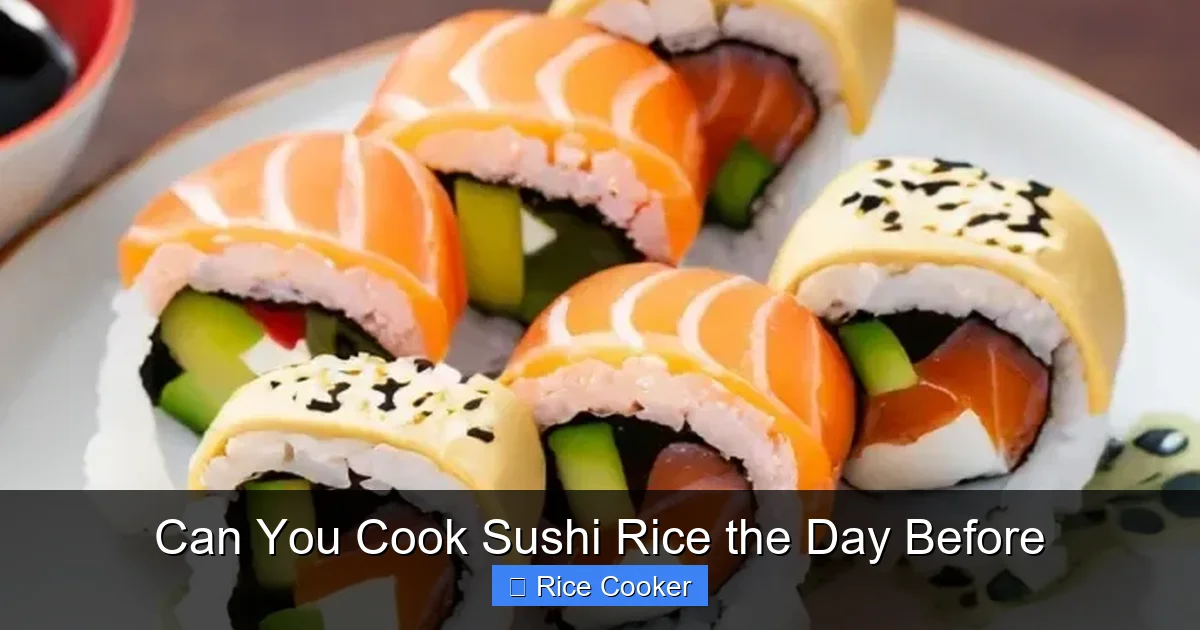
Once your rice is ready, the fun begins! Here are some popular fillings and sauces to complete your homemade sushi.
Classic Nigiri Options
- Tuna (fresh or marinated)
- Salmon (smoked or raw)
- Yellowtail
- Tamago (sweet egg omelet)
Maki Rolls Favorites
- Cucumber and avocado
- Cream cheese and salmon
- Tempura shrimp
- Pickled radish (tamagoyaki)
Dipping Sauces
- Traditional soy sauce
- Ginger-soy blend (grated ginger + soy)
- Wasabi paste (use sparingly!)
- Sesame oil drizzle (for added richness)
Bowl Variations (Onigiri Style)
Turn your sushi rice into comforting bowls by topping with:
- Grilled chicken teriyaki
- Spicy tuna mixture
- Miso-glazed tofu
- Steamed edamame and seaweed salad
Final Thoughts: Is Cooking Sushi Rice the Day Before Worth It?
In short—yes, it absolutely is. Whether you’re a weekend warrior preparing for a party or someone who loves making sushi weekly, cooking sushi rice ahead of time saves effort without sacrificing quality. The key lies in proper cooling, correct storage, and gentle reheating. And if you’re using a rice cooker, the entire process becomes foolproof.
Remember: great sushi starts with great rice. Taking the time to prep it properly pays off in every bite. So go ahead—make a big batch, chill it out, and enjoy the convenience. Your future self (and your guests) will thank you.
Frequently Asked Questions
Can I leave sushi rice at room temperature overnight?
No, leaving sushi rice out overnight can cause bacterial growth and spoilage. Always refrigerate it within 2 hours of cooking. Room temperature storage is unsafe and compromises food quality.
Does pre-cooked sushi rice taste different?
It can, but not necessarily worse. Some people find aged rice has a more balanced flavor. The main difference is texture—properly stored rice should still be soft and slightly sticky. Avoid rice that feels dry or crumbly.
Can I make sushi rice in advance and freeze it?
Yes, you can freeze sushi rice for up to 2 weeks. Portion into cubes, wrap tightly, and thaw overnight in the fridge. Reheat gently to restore moisture. Note: Freezing may soften the texture slightly.
How do I know if my sushi rice went bad?
Check for signs like a sour smell, slimy texture, or mold. Fresh sushi rice should smell clean and slightly sweet. If it looks or smells off, discard immediately to avoid food poisoning.
Should I rinse sushi rice before cooking?
Yes! Rinsing removes excess starch that can make rice gummy. Wash until the water runs clear, then drain well before cooking. This step is essential for perfect sushi texture.
Can I use regular white rice instead of short-grain?
Technically yes, but short-grain rice (like Koshihikari or Calrose) is preferred because of its higher starch content, which gives sushi its characteristic stickiness. Regular long-grain rice will be too dry and separate.