
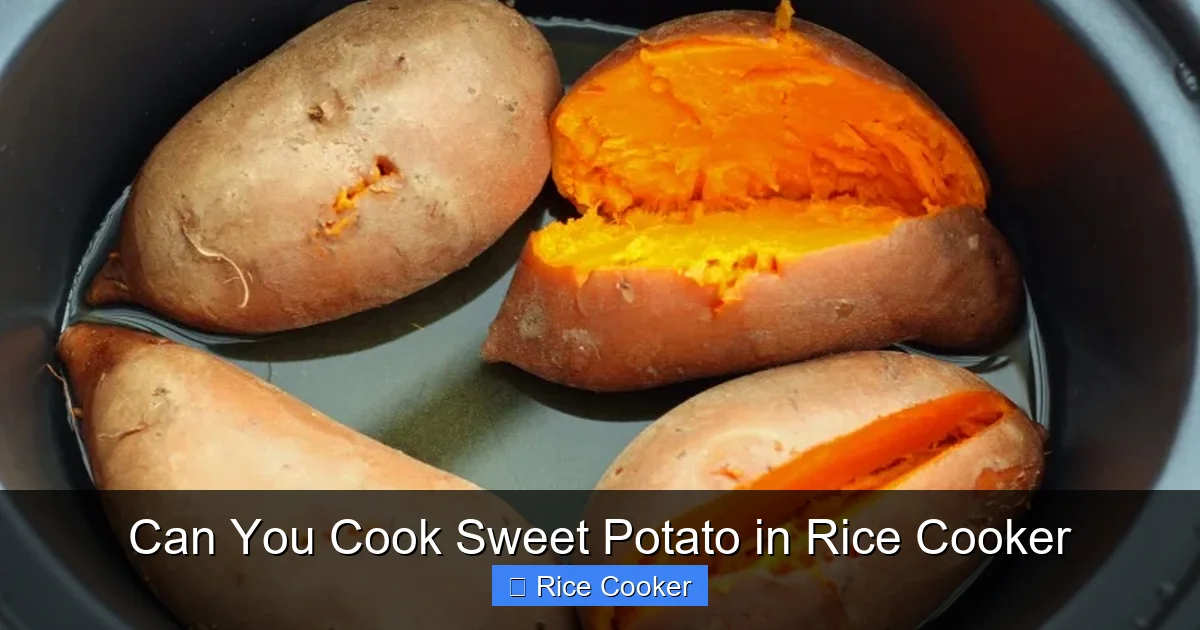
You absolutely can cook sweet potatoes in a rice cooker—it’s quick, hands-off, and delivers deliciously tender results. Whether you’re meal prepping or craving a side dish, this method works for both steamed and roasted styles. No special equipment needed; just slice, add water, and let the rice cooker do the rest.
Have you ever stood over a hot stove, peeling and boiling sweet potatoes only to end up with mushy or undercooked tubers? You’re not alone. Many home cooks love the creamy texture and natural sweetness of sweet potatoes but dread the hassle of traditional cooking methods. Enter: your trusty rice cooker. That humble kitchen appliance you use for oatmeal and congee? It turns out it’s also a secret weapon for cooking sweet potatoes—fast, foolproof, and with minimal effort.
Whether you’re making mashed sweet potatoes for dinner, roasting cubes for salads, or baking whole potatoes for a snack, a rice cooker can handle it all. No oven required. No constant stirring. Just slice, add liquid, press a button, and wait. In this article, we’ll walk you through everything you need to know about cooking sweet potatoes in a rice cooker—from prep to serving—so you can enjoy perfectly cooked, naturally sweet spuds every time.
Key Takeaways
- Yes, it’s possible: Sweet potatoes cook beautifully in a rice cooker using either the white rice or porridge setting.
- Two main methods: You can steam whole sweet potatoes or roast sliced pieces for a crispy exterior and soft interior.
- Time-efficient: Cooking time ranges from 30 to 50 minutes depending on size and preparation style.
- Minimal cleanup: Use the inner pot as a steamer basket or roasting pan, reducing the need for extra dishes.
- Versatile flavors: Add spices like cinnamon or chili powder before cooking for extra taste without extra steps.
- Safety first: Always allow pressure release if using a rice cooker with a locking lid to avoid accidents.
- Great for meal prep: Cook large batches ahead of time for easy grab-and-go snacks or sides throughout the week.
📑 Table of Contents
- Why Choose a Rice Cooker for Sweet Potatoes?
- Preparing Your Sweet Potatoes for the Rice Cooker
- Step-by-Step: Steaming Whole Sweet Potatoes
- Cooking Cubed or Sliced Sweet Potatoes
- Roasting Sweet Potatoes Without an Oven
- Troubleshooting Common Issues
- Creative Ways to Serve Your Rice Cooker Sweet Potatoes
- Health Benefits of Sweet Potatoes
- Tips for Different Rice Cooker Models
- Environmental & Time-Saving Advantages
- Final Thoughts: Should You Try It?
Why Choose a Rice Cooker for Sweet Potatoes?
Cooking sweet potatoes traditionally often involves boiling them in water or baking them in the oven at high heat. Both methods work well, but they come with trade-offs. Boiling can lead to nutrient loss in water and longer prep time, while baking requires monitoring and risks burning if unattended. A rice cooker changes the game by combining speed, consistency, and convenience.
Using a rice cooker means you don’t have to babysit your food. Once you set it up, you can focus on other tasks while the machine does the work. The controlled heat and moisture environment ensures even cooking without drying out the flesh. Plus, many modern rice cookers have multiple settings—like porridge or steaming modes—that are ideal for different types of sweet potato preparations.
Another big plus? Cleanup is easier. Instead of dealing with pots, strainers, and baking sheets, you mostly just wash the inner pot. Some models even come with non-stick coatings that make scrubbing a breeze.
Preparing Your Sweet Potatoes for the Rice Cooker
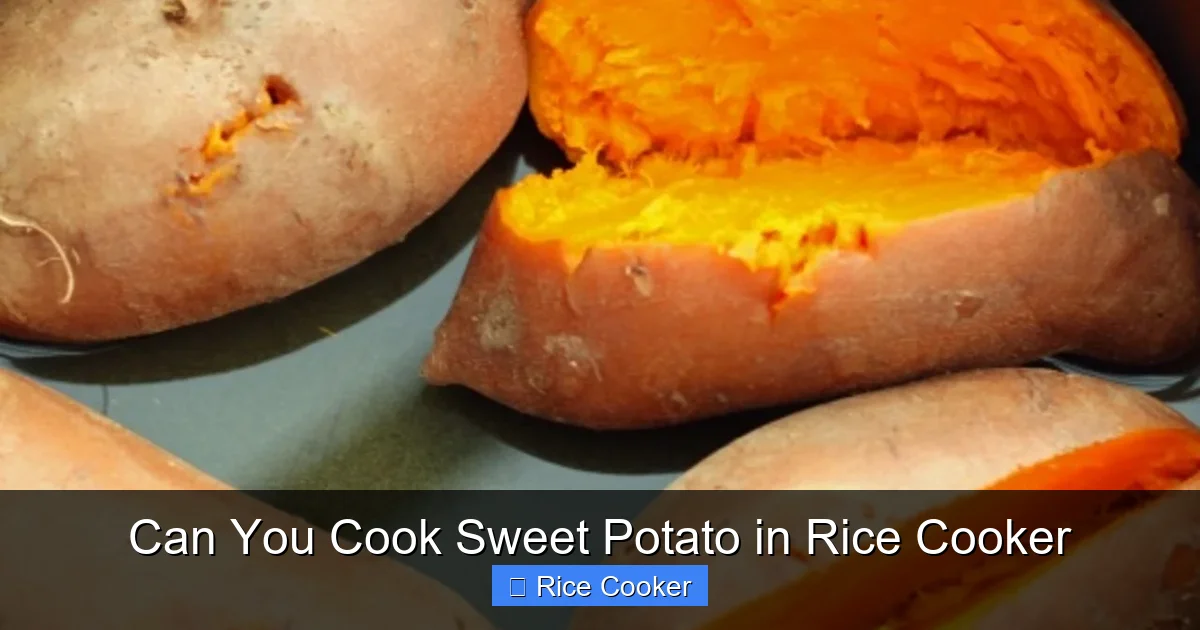
Visual guide about Can You Cook Sweet Potato in Rice Cooker
Image source: bigoven-res.cloudinary.com
Before tossing your sweet potatoes into the rice cooker, proper prep makes all the difference. The goal is uniformity—so each piece cooks evenly. Start by choosing firm, fresh sweet potatoes without soft spots or bruises.
Washing and Drying
Give your sweet potatoes a good rinse under cool running water to remove any dirt. Scrub gently with a brush if needed. Dry thoroughly with a clean towel. Wet surfaces can create steam pockets that affect cooking time.
Sizing Matters
For best results, cut larger potatoes into uniform cubes or wedges no bigger than 1 to 1.5 inches. Smaller pieces cook faster and reduce waiting time. If you’re cooking whole potatoes, make sure they’re similar in size so they finish around the same time.
Peeling (Optional)
Some people prefer peeled sweet potatoes for smoother textures, especially when mashing later. But leaving the skin on adds fiber and nutrients—and it’s edible! Just scrub well before cooking. If you do peel, use a vegetable peeler or paring knife.
Seasoning Ideas
Now’s the perfect time to add flavor. Toss cubed sweet potatoes with olive oil, salt, pepper, garlic powder, or smoked paprika before cooking. For a dessert twist, sprinkle cinnamon and a drizzle of maple syrup over raw slices. These flavors meld beautifully during steaming or roasting.
Step-by-Step: Steaming Whole Sweet Potatoes
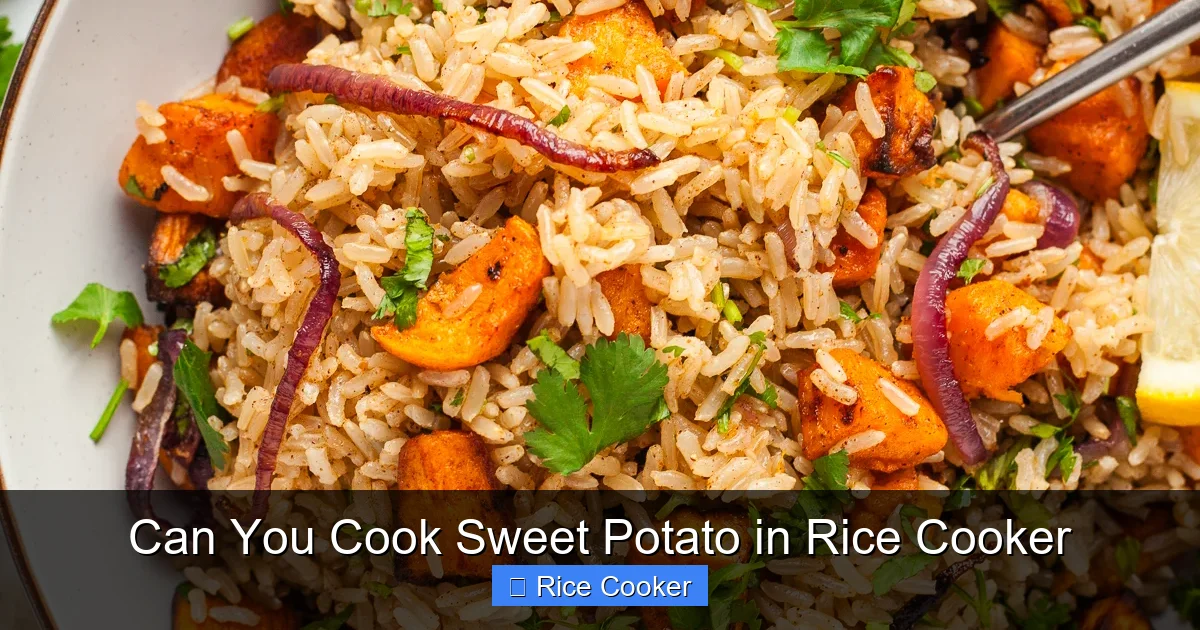
Visual guide about Can You Cook Sweet Potato in Rice Cooker
Image source: happyveggiekitchen.com
Steaming is one of the simplest ways to cook sweet potatoes in a rice cooker. It preserves nutrients better than boiling and keeps the flesh tender without turning to mush—if timed correctly.
What You’ll Need
– 2–4 medium sweet potatoes
– Water
– Rice cooker with inner pot
Instructions
1. Fill the bottom of your rice cooker with ½ inch of water. Don’t go higher—too much water risks overflow.
2. Place sweet potatoes upright in the pot. They should stand snugly without touching the water directly.
3. Close the lid and select the “Steam” or “Porridge” mode if available. Otherwise, use the standard “White Rice” setting.
4. Cook for 45–60 minutes. Check after 45 minutes by inserting a fork—it should slide in easily.
5. Let the pressure release naturally before opening the lid. Never force it open while pressurized!
This method gives you perfectly cooked sweet potatoes ready to eat as-is, mash, or cube into fries.
Cooking Cubed or Sliced Sweet Potatoes
Want roasted edges and a fluffy interior? Try cooking diced sweet potatoes in the rice cooker. This technique mimics oven-roasted flavors but in half the time.
Recommended Prep
Cut sweet potatoes into ¾-inch cubes. Arrange them in a single layer in the inner pot—don’t overcrowd.
How to Cook
1. Add ¼ cup of water to the base of the rice cooker.
2. Spread the cubes flat in the pot. Lightly spray with oil or toss with 1 tsp olive oil for crispiness.
3. Season generously with salt, black pepper, and your favorite spices.
4. Close the lid and cook on “Steam” mode for 25–30 minutes, flipping halfway through if possible.
5. Test for doneness with a fork. They’re done when tender inside and slightly browned on the outside.
Tip: For extra caramelization, transfer the cooked cubes to a baking sheet and broil for 2–3 minutes at 450°F (230°C).
Roasting Sweet Potatoes Without an Oven
Yes—you really can roast sweet potatoes without firing up the oven! This method uses dry heat generated by prolonged steam buildup inside the sealed rice cooker.
Best Practices
– Use smaller cuts (½-inch dice) for faster roasting.
– Pat them dry completely before adding to the pot.
– Use minimal water—just enough to create steam initially.
Process
1. Preheat your rice cooker to “Keep Warm” mode for 5 minutes (optional but helps kickstart dry heat).
2. Switch to “Steam” and add 2 tbsp water.
3. Place sweet potatoes in the pot and close the lid tightly.
4. Cook for 30–35 minutes, shaking the pot gently halfway through to promote even browning.
5. Open carefully and check for golden edges and soft centers.
Note: Not all rice cookers seal perfectly, so results may vary. Models with locking lids tend to roast better than basic ones.
Troubleshooting Common Issues
Even with perfect technique, things sometimes go wrong. Here’s how to fix common problems when cooking sweet potatoes in a rice cooker.
Sweet Potatoes Are Too Hard
This usually means insufficient cooking time or too much water. Next time, reduce liquid and extend cooking time by 5–10 minutes. Also, ensure potatoes are cut uniformly.
The Inside Is Mushy
Overcooking causes disintegration. Try checking earlier—maybe start testing at 35 minutes instead of waiting until the timer goes off. Also, avoid stirring too much during cooking.
Not Browning or Roasting
True roasting needs dry heat. Add a splash of oil and cook uncovered (if your model allows) for the last 10 minutes. Or finish under a broiler afterward.
Overflow or Spillage
Too much water plus starchy potatoes = messy situation. Stick to ¼–½ cup max and never fill above the “max water line.”
Creative Ways to Serve Your Rice Cooker Sweet Potatoes
Once your sweet potatoes are perfectly cooked, the possibilities are endless. Here are some tasty ideas:
Mashed Sweet Potato Mash
After steaming whole potatoes, scoop out the flesh, mash with butter, milk, and a pinch of salt. Add roasted garlic for richness.
Sweet Potato Fries
Slice into matchsticks, toss with oil and spices, and cook as directed above. Serve with ketchup or tzatziki.
Stuffed Sweet Potatoes
Bake whole potatoes, slit open, and stuff with black beans, avocado, salsa, and Greek yogurt.
Breakfast Hash
Sauté cooked cubes with bell peppers, onions, and eggs for a hearty morning meal.
Dessert Bowls
Top mashed sweet potatoes with Greek yogurt, berries, and honey for a healthy treat.
Health Benefits of Sweet Potatoes
Beyond their versatility, sweet potatoes pack serious nutritional punch. One medium sweet potato contains more than double the daily recommended intake of vitamin A (as beta-carotene), which supports eye health and immunity. They’re also rich in fiber, potassium, and antioxidants.
Because cooking in a rice cooker uses less water than boiling, more nutrients stay locked in the flesh. Steaming preserves vitamins C and B6 better than frying or deep-frying.
Tips for Different Rice Cooker Models
Your experience may vary depending on whether you own a basic electric rice cooker or a fancy multi-cooker with advanced settings.
Basic Rice Cookers
Use the “White Rice” setting. Add extra water if needed, but keep it low. Cook time: 45–50 minutes for whole potatoes.
Advanced Multi-Cookers
Look for “Steam,” “Porridge,” or “Risotto” modes. These offer more control over texture.
Pressure Cookers
If your rice cooker doubles as a pressure cooker, use it! Pressure-cook whole sweet potatoes for just 10–15 minutes—amazingly fast.
Always consult your manual for safety guidelines, especially regarding pressure release.
Environmental & Time-Saving Advantages
Using a rice cooker reduces energy consumption compared to ovens or stovetops. It’s also quieter, mess-free, and great for small kitchens. Meal prepping becomes effortless: cook a big batch once and reheat portions later.
Plus, since most rice cookers come with insulated pots that retain heat, leftover sweet potatoes stay warm and ready to serve.
Final Thoughts: Should You Try It?
Absolutely. Cooking sweet potatoes in a rice cooker is not just possible—it’s practical, efficient, and delicious. Whether you’re feeding a family, meal prepping for the week, or simply craving a comforting side dish, this method delivers consistent results with minimal fuss.
You don’t need special gadgets or skills. Just a few ingredients, a little prep, and your rice cooker doing the heavy lifting. Experiment with sizes, spices, and serving ideas to keep things interesting.
So next time you reach for a sweet potato, think beyond the oven. Grab your rice cooker, follow these steps, and enjoy tender, flavorful results—every single time.
Frequently Asked Questions
Can you boil sweet potatoes in a rice cooker?
Yes, but it’s better to steam or roast instead of full submersion. Adding too much water can cause mushiness or overflow. Use only enough liquid to create steam—about ¼ to ½ cup.
How long does it take to cook sweet potatoes in a rice cooker?
Whole sweet potatoes take 45–60 minutes; cubed ones need 25–35 minutes. Adjust based on size and model. Always test with a fork near the end.
Do I need to soak sweet potatoes before cooking in a rice cooker?
No soaking required. However, drying them thoroughly helps prevent excess moisture from affecting cooking time.
Can I cook frozen sweet potatoes in a rice cooker?
It’s not recommended. Frozen potatoes contain too much ice, which throws off timing and texture. Always use fresh or thawed fully before cooking.
What’s the best rice cooker setting for sweet potatoes?
The “Steam” or “Porridge” mode works best. If unavailable, use “White Rice” and add extra water if needed. Avoid “Quick Cook” as it won’t soften thick cuts.
Are sweet potatoes healthier when cooked in a rice cooker versus boiled?
Yes! Steaming in a rice cooker retains more nutrients than boiling, where vitamins leach into water. Less contact with water means better vitamin C and B preservation.