
Yes, you can absolutely cook vegetables in a rice cooker! This versatile kitchen tool isn’t just for grains—it’s perfect for steaming, simmering, and even sautéing veggies with minimal effort. With the right preparation and timing, your rice cooker becomes a powerful tool for healthy, delicious meals.
Key Takeaways
- Veggies cook well in rice cookers: Most vegetables can be cooked in a rice cooker using water or broth, retaining nutrients and flavor.
- No pre-soaking needed: Unlike rice, most vegetables don’t require soaking before cooking in a rice cooker.
- Steam and simmer modes help: Use the steam or simmer function for tender-crisp results without overcooking.
- Cut size matters: Uniformly chopping vegetables ensures even cooking and better texture.
- Add herbs and spices: Enhance flavor by adding garlic, onion powder, or fresh herbs during cooking.
- Don’t overcrowd the pot: Leave space for steam circulation to cook vegetables evenly.
- Clean-up is easy: Most rice cooker pots are non-stick and dishwasher-safe for quick clean-up.
📑 Table of Contents
- Can You Cook Vegetables in a Rice Cooker? Absolutely – Here’s How!
- The Science Behind Cooking Veggies in a Rice Cooker
- Which Vegetables Work Best?
- Step-by-Step Guide to Cooking Vegetables in a Rice Cooker
- Creative Recipes Using Your Rice Cooker
- Tips for Perfect Rice Cooker Veggies Every Time
- Common Mistakes to Avoid
- Health Benefits of Rice Cooker Vegetables
- Cleaning and Maintenance Tips
- Frequently Asked Questions About Cooking Vegetables in a Rice Cooker
- Conclusion: Your New Favorite Kitchen Hack
Can You Cook Vegetables in a Rice Cooker? Absolutely – Here’s How!
Have you ever looked at your rice cooker and wondered, “Is this thing only for sticky white rice?” I used to think so too—until I discovered the magic of turning my trusty kitchen gadget into a multi-functional cooking powerhouse. One of the best-kept secrets about rice cookers is their ability to cook vegetables beautifully, quickly, and with minimal effort. Whether you’re meal-prepping for the week, trying to eat more greens, or just looking for a hands-off way to prepare dinner, cooking vegetables in a rice cooker is not only possible—it’s delicious and nutritious.
Unlike traditional stovetop methods that require constant attention, a rice cooker gently simmers or steams ingredients, preserving vitamins and flavors while reducing the risk of burning or drying out. Plus, it frees up your stove and keeps your kitchen cooler—perfect for summer cooking. In this article, we’ll walk through everything you need to know: from choosing the right vegetables to timing, seasoning, and even combining veggies with rice for a complete meal. Get ready to expand your culinary horizons!
The Science Behind Cooking Veggies in a Rice Cooker
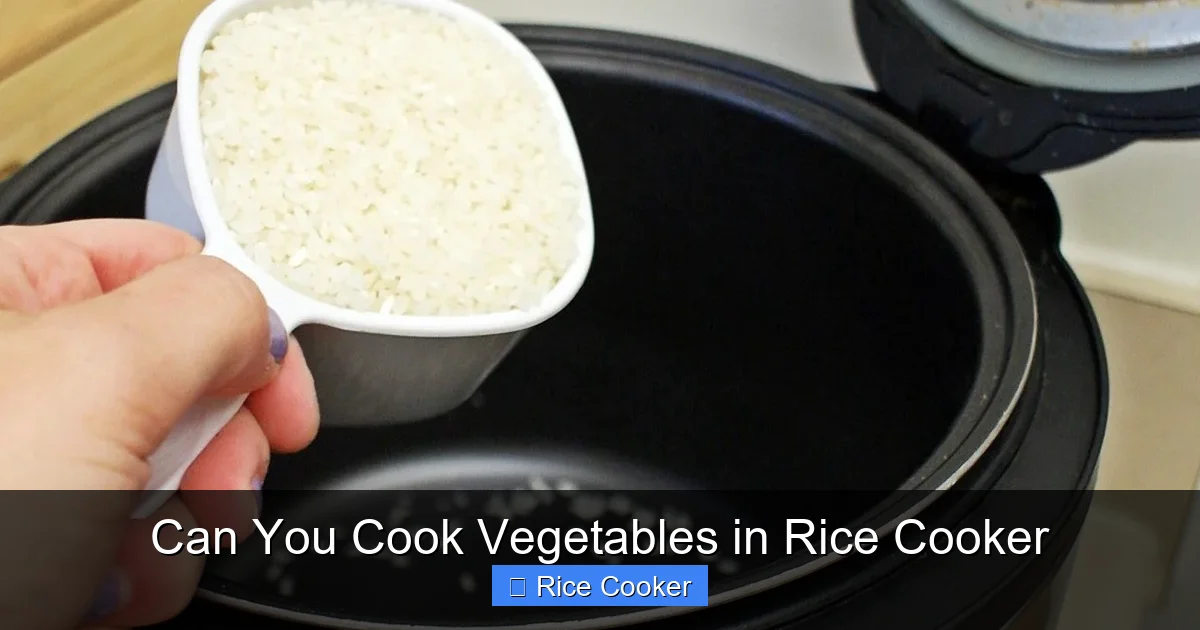
Before diving into recipes, it helps to understand how a rice cooker works when cooking vegetables. Most modern rice cookers use a combination of conduction heating (from the bottom) and steam circulation to regulate temperature. When set to “cook” or “steam,” the unit maintains a consistent simmer, usually between 185°F and 200°F (85°C to 93°C). This gentle heat is ideal for vegetables because it prevents them from breaking down too quickly while still softening their texture.
Visual guide about Can You Cook Vegetables in Rice Cooker
Image source: storables.com
Why It Works
Unlike boiling, which can leach nutrients into water, a rice cooker traps moisture inside the pot, creating a sealed environment that steams rather than boils. This method preserves water-soluble vitamins like vitamin C and B-complex. Additionally, because there’s no direct flame or high heat, vegetables retain their vibrant color and crisp-tender bite—something hard to achieve on the stovetop without constant monitoring.
Another advantage is automation. Once you press start, the rice cooker does the rest. No stirring, flipping, or watching the pot. Just prep, add ingredients, hit go, and let science do its thing. That’s convenience with a side of health benefits!
Which Vegetables Work Best?
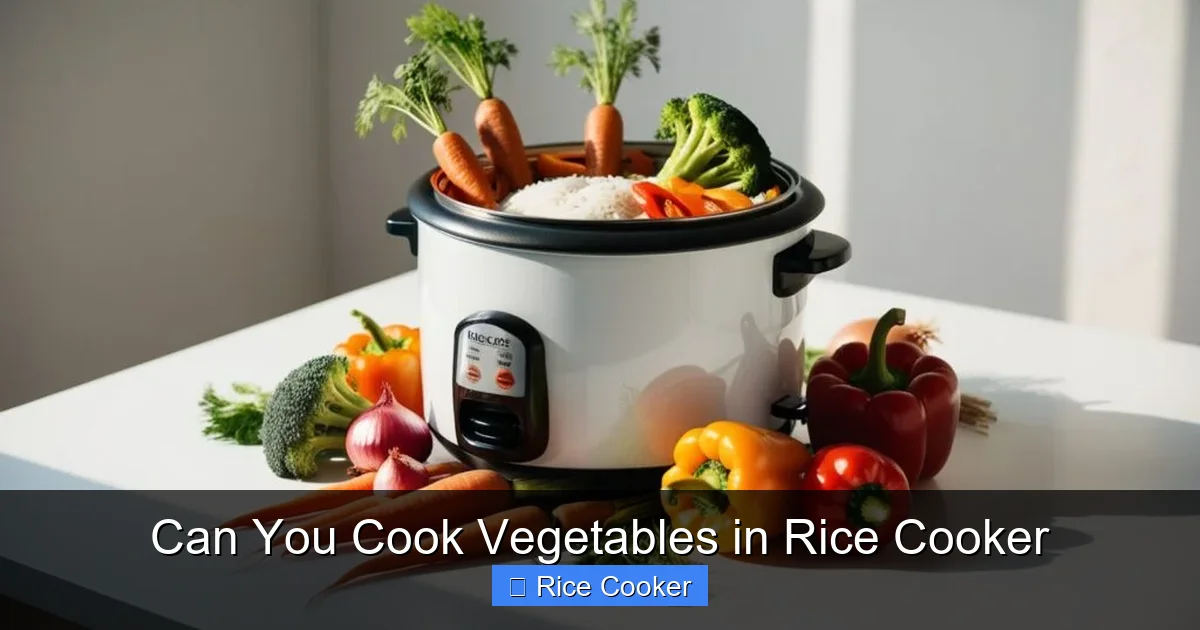
Not all vegetables are created equal when it comes to rice cooker cooking. Some thrive in low-and-slow steam environments, while others may become mushy or undercooked if not prepared correctly. Below is a guide to the best vegetables for rice cooker cooking, categorized by texture and cooking time.
Visual guide about Can You Cook Vegetables in Rice Cooker
Image source: toolsofkitchen.com
Best Succulent & Tough Vegetables
These hold up well under extended cooking and develop rich flavors:
- Carrots: Sweet and earthy—perfect for soups or side dishes.
- Potatoes: Great mashed or diced for salads.
- Sweet Potatoes: Naturally sweet, ideal for breakfast bowls.
- Onions: Cook down into caramelized goodness.
- Beets: Deeply flavorful and nutrient-dense.
Delicate & Quick-Cooking Veggies
These need shorter times to stay crisp-tender:
- Broccoli: Bright green and full of fiber.
- Cauliflower: Mild and versatile.
- Green Beans: Keep their snap with quick cooking.
- Zucchini: Avoid overcooking to prevent sogginess.
- Spinach or Kale: Add near the end for maximum nutrition.
Avoid These
Some vegetables don’t respond well to long, moist heat:
- Lettuce or Arugula: Too delicate—better raw or wilted in stir-fries.
- Cucumber: High water content leads to sliminess.
- Tomatoes: Can turn into soup if cooked too long.
Step-by-Step Guide to Cooking Vegetables in a Rice Cooker
Ready to try it yourself? Follow this simple process for foolproof vegetable cooking every time.
Step 1: Prep Your Vegetables
Wash and chop all vegetables into uniform sizes. This ensures even cooking—no one wants a crunchy carrot next to a soft zucchini. Use a sharp knife for clean cuts and avoid leaving large chunks unless you want them to fall apart.
Step 2: Add Liquid
Most rice cookers require some liquid to create steam. Use:
- Water: Simple and neutral.
- Vegetable Broth: Adds depth and avoids blandness.
- Dairy-free milk or coconut milk: For creamy textures (great with root veggies).
A general rule: ½ to 1 cup of liquid per pound of vegetables works well.
Step 3: Season Smartly
Sprinkle in:
- Salt and pepper
- Garlic powder or minced garlic
- Dried or fresh herbs (rosemary, thyme, oregano)
- Lemon juice or vinegar (add at the end to preserve brightness)
Avoid adding salt too early if using salty broths—you can always adjust after cooking.
Step 4: Choose the Right Mode
Use these settings depending on your goal:
- Normal Cook: For root vegetables (carrots, potatoes)—takes 25–40 minutes.
- Steam: Ideal for greens and delicate florets—5–10 minutes.
- Simmer: Gentle heat for sauces or slow-cooked mixes.
Check your manual—not all models have labeled modes, but many default to “cook” when you add liquid.
Step 5: Don’t Overcrowd
Leave room in the inner pot for steam to circulate. If you’re cooking multiple types, group by cooking time. For example, put carrots and potatoes in first, then add broccoli halfway through.
Step 6: Let It Rest
After the cycle ends, wait 5–10 minutes before opening the lid. Residual heat finishes cooking gently and prevents sudden moisture loss.
Creative Recipes Using Your Rice Cooker
Now that you know the basics, here are five tasty ways to use your rice cooker for vegetables—some surprising, some comforting.
1. Creamy Garlic Mashed Sweet Potatoes
Perfect as a side or base for bowls. Slice two sweet potatoes into ½-inch rounds. Add ¾ cup unsweetened almond milk, 2 cloves minced garlic, 1 tbsp olive oil, and a pinch of nutmeg. Cook on normal mode for 30 minutes. Mash with a fork until smooth. Garnish with chives.
2. Mediterranean Roasted Veggie Medley
Combine diced eggplant, bell peppers, zucchini, cherry tomatoes, and red onion. Drizzle with 2 tbsp olive oil, 1 tsp dried oregano, salt, and pepper. Cook on normal mode for 35 minutes. Serve warm with feta and olives.
3. Steamed Broccoli with Lemon-Herb Sauce
Steam broccoli florets for 8 minutes. Mix ¼ cup Greek yogurt, 1 tbsp lemon juice, 1 tsp honey, and chopped parsley. Toss broccoli with sauce just before serving.
4. Lentil & Vegetable Pilaf
Try a grain-free version: Sauté onions and carrots in oil (use the “keep warm” function first), then add lentils, spinach, and vegetable broth. Cook for 35 minutes. Finish with cumin and cilantro.
5. One-Pot Veggie Curry
Sauté onions, ginger, and garlic. Add diced tomatoes, cauliflower, green beans, and coconut milk. Season with curry powder and turmeric. Simmer for 30 minutes. Serve over quinoa or enjoy plain.
Tips for Perfect Rice Cooker Veggies Every Time
Even with the right recipe, small mistakes can ruin your dish. Here are pro tips to elevate your game.
Use Fresh Ingredients
Old or wilted vegetables won’t taste great, regardless of the cooking method. Always start with fresh produce for the best texture and flavor.
Layer Wisely
Place harder veggies at the bottom where heat is strongest, and softer ones on top. This prevents premature breakdown.
Don’t Skip the Lid
Keep the lid closed during cooking to trap steam. Opening it frequently lowers internal temperature and extends cooking time unnecessarily.
Experiment with Acids
A splash of vinegar or lemon juice added halfway through brightens flavors and slows browning—especially useful for potatoes and eggplants.
Cool Down Before Stirring
Wait until veggies cool slightly before mixing. Hot veggies release excess moisture, making them soggy when stirred.
Reheat Gently
If storing leftovers, reheat in the rice cooker on “warm” mode—never boil, as this destroys texture.
Common Mistakes to Avoid
Learning from others’ errors saves time and frustration. Watch out for these pitfalls.
Overfilling the Pot
Never fill past the max line. Steam needs room to move, and overcrowding leads to uneven cooking.
Using Too Much Water
Excess liquid dilutes flavor and turns veggies into soup. Stick to the recommended amounts.
Nailing the Timing
Set a timer! Even if your rice cooker has auto shutoff, some veggies need extra time. Use a kitchen timer for precision.
Skipping Salt Early
Salt helps draw out natural juices and enhances flavor. Add it at the beginning unless you’re sensitive to sodium.
Ignoring Model Differences
Cheap vs. premium models vary in heat control. Read your manual—some need water added to the outer chamber for true steaming.
Health Benefits of Rice Cooker Vegetables
Beyond convenience, cooking vegetables this way offers real nutritional wins.
- Preserves Nutrients: Low-heat steaming retains more antioxidants than boiling.
- Easy Portion Control: Cook once, serve multiple meals.
- Encourages Variety: Makes eating diverse veggies less intimidating.
- Reduces Waste: Use stems, peels, and scraps (like carrot tops) in stocks or pestos after roasting.
Studies show that people who regularly eat steamed or sautéed vegetables have lower risks of chronic diseases like heart disease and diabetes—and the rice cooker makes it simple to include them daily.
Cleaning and Maintenance Tips
Keeping your rice cooker in top shape ensures longevity and food safety.
- Unplug and Cool: Always unplug before cleaning.
- Hand-Wash Recommended: While some parts are dishwasher-safe, hand-washing protects non-stick coatings.
- Scrub Gently: Use a soft sponge—no steel wool!
- Check Seals: Inspect the rubber gasket annually for cracks.
- Avoid Metal Utensils: They scratch surfaces and harbor bacteria.
Frequently Asked Questions About Cooking Vegetables in a Rice Cooker
Can you put frozen vegetables in a rice cooker?
Yes, but add 5–10 minutes to cooking time and increase liquid slightly. Frozen veggies release water, so monitor for sogginess. Avoid delicate greens like spinach.
Do you need to soak vegetables before cooking?
No. Unlike rice, most vegetables don’t require soaking. Washing and chopping are sufficient.
What if my rice cooker doesn’t have a steam setting?
You can still cook veggies! Add ½ cup water, cover tightly, and use the normal cook function. Just keep an eye on timing—start checking around 10 minutes.
Can I cook meat and vegetables together?
Absolutely. Brown chicken or tofu first using the sauté function (if available), then add veggies and broth. Cook until both are tender. Avoid long-cooking meats like brisket—they work better on the stovetop.
How do I prevent vegetables from turning to mush?
Use crisp, firm produce; avoid overcooking; and don’t overcrowd. Add acidic elements (lemon, vinegar) halfway through to firm up soft veggies.
Can I cook grains and vegetables together?
Yes! Try brown rice + broccoli or quinoa + carrots. Add grains first, let them cook halfway, then stir in veggies and finish cooking. Fluff with a fork before serving.
Conclusion: Your New Favorite Kitchen Hack
Cooking vegetables in a rice cooker isn’t just smart—it’s revolutionary. It transforms a simple appliance into a tool for healthier eating, faster meal prep, and creative cooking. Whether you’re whipping up a quick side, building a hearty stew, or experimenting with global flavors, your rice cooker has your back.
Remember: the key is preparation, patience, and practice. Start with easy veggies like carrots and broccoli, master the timing, and soon you’ll be designing full meals in one pot. And the best part? Clean-up takes less time than washing a single skillet.
So go ahead—unlock the hidden potential of your rice cooker. Your taste buds and busy schedule will thank you.
Frequently Asked Questions
Can you put frozen vegetables in a rice cooker?
Yes, but add 5–10 minutes to cooking time and increase liquid slightly. Frozen veggies release water, so monitor for sogginess. Avoid delicate greens like spinach.
Do you need to soak vegetables before cooking?
No. Unlike rice, most vegetables don’t require soaking. Washing and chopping are sufficient.
What if my rice cooker doesn’t have a steam setting?
You can still cook veggies! Add ½ cup water, cover tightly, and use the normal cook function. Just keep an eye on timing—start checking around 10 minutes.
Can I cook meat and vegetables together?
Absolutely. Brown chicken or tofu first using the sauté function (if available), then add veggies and broth. Cook until both are tender. Avoid long-cooking meats like brisket—they work better on the stovetop.
How do I prevent vegetables from turning to mush?
Use crisp, firm produce; avoid overcooking; and don’t overcrowd. Add acidic elements (lemon, vinegar) halfway through to firm up soft veggies.
Can I cook grains and vegetables together?
Yes! Try brown rice + broccoli or quinoa + carrots. Add grains first, let them cook halfway, then stir in veggies and finish cooking. Fluff with a fork before serving.