
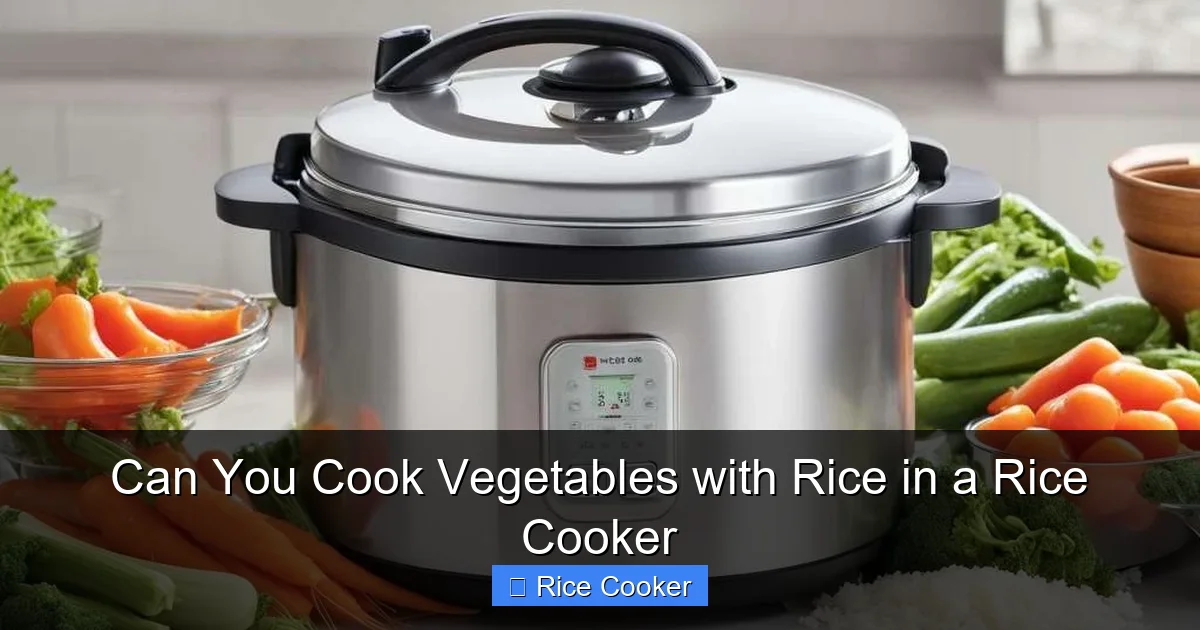
You absolutely can cook vegetables with rice in a rice cooker! It’s a simple, time-saving way to create balanced, delicious meals with minimal cleanup. Adding veggies like carrots, peas, or broccoli during the last few minutes ensures they stay crisp and full of nutrients.
Key Takeaways
- Yes, vegetables can be cooked with rice in a rice cooker. The key is timing—add delicate veggies toward the end to avoid overcooking.
- Popular vegetable pairings include peas, carrots, broccoli, spinach, and bell peppers. These complement rice well and add color, texture, and nutrition.
- Pre-cooking hardy vegetables like potatoes or carrots slightly helps them finish evenly. Soak them first or parboil to speed up cooking.
- Use broth instead of water to boost flavor and keep rice moist. Herbs, garlic, or soy sauce enhance taste without extra effort.
- Cleaning is easier when you use a non-stick inner pot. Avoid metal utensils to prevent scratching and sticking.
- Experiment with grains like quinoa, brown rice, or jasmine rice. Each brings unique textures and health benefits.
- Always rinse rice before adding it to the cooker. This removes excess starch and prevents clumping.
📑 Table of Contents
- Can You Cook Vegetables with Rice in a Rice Cooker?
- Why Combine Vegetables with Rice in a Rice Cooker?
- Which Vegetables Work Best with Rice?
- Step-by-Step Guide: How to Cook Vegetables with Rice
- Flavor Enhancements: Beyond Plain Rice and Veggies
- Health Benefits of Rice and Vegetable Combos
- Troubleshooting Common Issues
- Creative Recipes to Try Today
- Tips for Different Rice Types
- Cleaning and Maintenance Tips
- Final Thoughts: Embrace the Versatility
Can You Cook Vegetables with Rice in a Rice Cooker?
If you’re looking for a quick, healthy, and hands-off way to prepare dinner, using your rice cooker might just become your new favorite kitchen hack. Many people assume that a rice cooker is only for making plain white rice, but the truth is—this humble kitchen appliance is incredibly versatile. From steaming dumplings to warming soups, and even baking cakes, rice cookers do it all. One of the most practical and tasty combinations? Cooking rice with vegetables. Yes, you read that right—you can absolutely cook vegetables with rice in a rice cooker and create a complete, nutritious meal in one pot.
This method isn’t just convenient; it’s also smart. By combining protein-rich grains with fresh, colorful vegetables, you’re building a well-balanced plate with minimal effort. Plus, since everything cooks together, cleanup is a breeze. Whether you’re meal prepping for the week or whipping up a last-minute dinner, learning how to cook vegetables with rice in a rice cooker opens up a world of possibilities. In this article, we’ll walk through everything you need to know—from which veggies work best to how to adjust cooking times, flavors, and techniques. Let’s dive in!
Why Combine Vegetables with Rice in a Rice Cooker?
There are several compelling reasons to cook vegetables with rice in a rice cooker. First, it saves time. Instead of juggling multiple pots on the stove—one for boiling rice, another for steaming veggies, and maybe a third for seasoning—everything happens in one container. Second, it preserves nutrients better than some high-heat methods. Because vegetables don’t spend hours simmering, vitamins like vitamin C and folate remain intact. Third, it reduces waste. Using leftover rice or frozen veggies becomes a no-brainer when you can toss them all into the cooker at once.
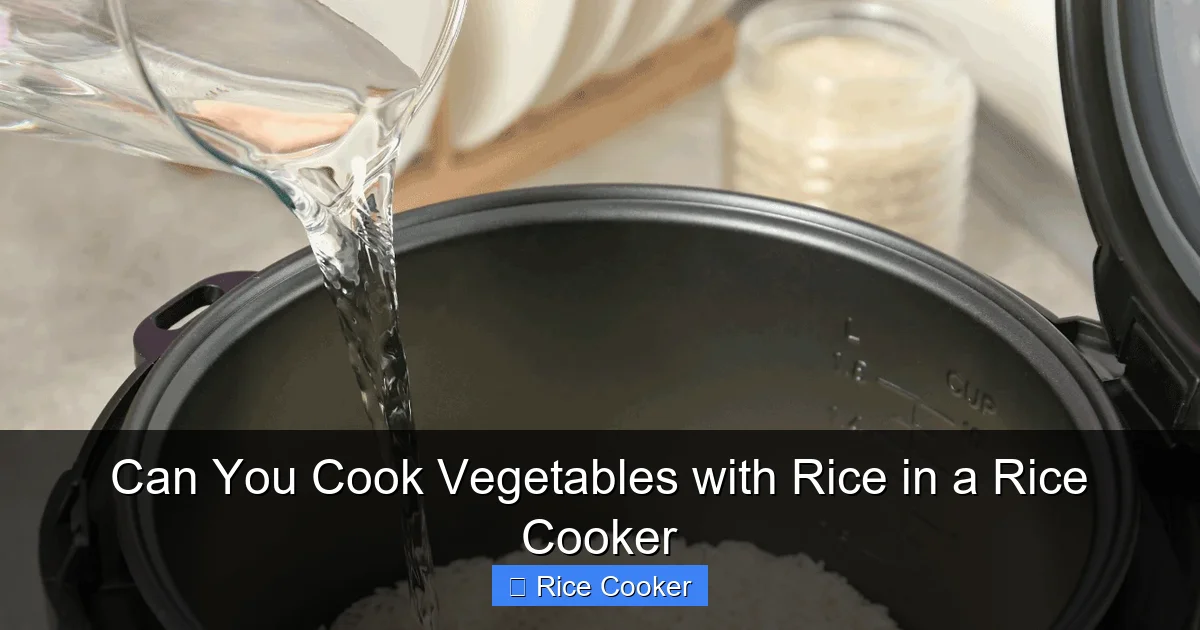
Visual guide about Can You Cook Vegetables with Rice in a Rice Cooker
Image source: expertreviewsbestricecooker.com
Another benefit is consistency. Rice cookers maintain steady heat, so your rice stays fluffy and your vegetables stay tender-crisp every single time. No more burnt edges or mushy greens. And let’s not forget about flavor integration. As the rice absorbs liquid and steam rises, it picks up subtle aromas from the vegetables—like the earthiness of mushrooms or the sweetness of bell peppers. This creates a harmonious blend that tastes far more complex than separate dishes.
The Science Behind One-Pot Cooking
When you combine rice and vegetables in a sealed environment (thanks to the rice cooker’s lid), moisture circulates efficiently. Steam softens the rice grains while gently cooking the vegetables. This closed-loop system mimics traditional steaming methods but with automated precision. The result? A perfectly cooked grain with vibrant, nutrient-rich sides—all ready when you are.
Which Vegetables Work Best with Rice?
Not all vegetables behave the same way in a rice cooker. Some need longer cooking times and should go in early; others are delicate and must be added later to retain their crunch and color. Here’s a breakdown of the best options:
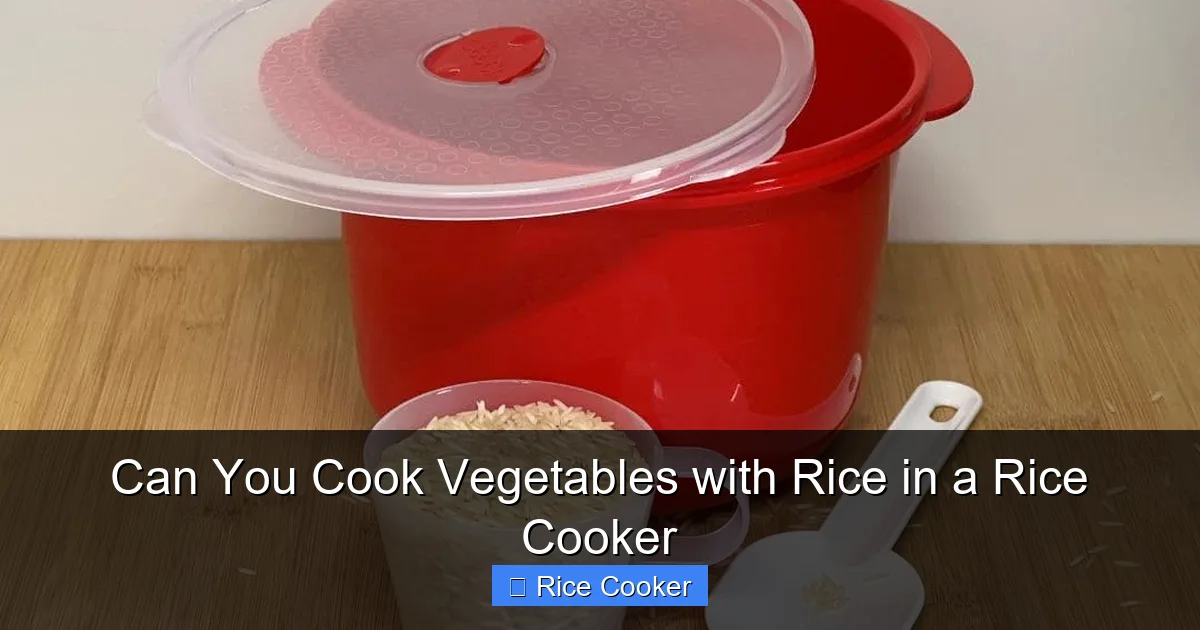
Visual guide about Can You Cook Vegetables with Rice in a Rice Cooker
Image source: ovenspot.com
Early-Added Vegetables (Hardy & Long-Cooking)
- Carrots: Cut into small pieces and added at the beginning. They soften nicely and sweeten up the rice.
- Potatoes: Diced and pre-boiled slightly for faster cooking. Great for heartier meals.
- Onions & Garlic: Sautéed briefly before adding rice—they infuse incredible depth of flavor.
- Frozen Corn & Peas: Thaw them first, then add with rice. They release natural sugars that caramelize beautifully.
Late-Added Vegetables (Delicate & Quick-Cooking)
- Broccoli Florets: Added during the last 5–7 minutes. Keeps them bright green and crisp-tender.
- Spinach or Kale: Stirred in after the rice is done. Wilts instantly and adds iron and fiber.
- Cauliflower: Small florets added near the end for a mild, nutty bite.
- Bell Peppers: Sliced thin and added late to preserve their snap and sweetness.
Avoid Overcooking: Timing Is Everything
One common mistake beginners make is tossing all ingredients in at once. While that works for some hearty veggies, delicate greens will turn to sludge if left too long. Always check the manufacturer’s guidelines for your specific model—most recommend stirring in tender vegetables during the final stage of cooking. If your rice cooker has a “keep warm” function, use it wisely: prolonged warmth can make vegetables soggy.
Step-by-Step Guide: How to Cook Vegetables with Rice
Ready to try it yourself? Follow these simple steps to make a foolproof vegetable and rice dish:
1. Prepare Your Ingredients
Rinse 1 cup of rice under cold water until the water runs clear. Chop hard vegetables into uniform sizes so they cook evenly. Wash leafy greens thoroughly and pat dry. Pre-soak frozen vegetables if possible—this prevents them from releasing too much water and diluting the rice.
2. Add Base Layer
Place the rinsed rice in the inner pot. Then layer in onions, garlic, and any hard vegetables like carrots or potatoes. Pour in 1¼ cups of broth or water (adjust based on rice type). Add a pinch of salt and optional aromatics like bay leaves or ginger.
3. Insert Delicate Veggies Later
After turning on the cooker, wait until the first boil subsides (usually after 8–10 minutes). Gently fold in broccoli, spinach, or bell peppers. Close the lid and continue cooking until the cycle ends.
4. Rest and Serve
Once the rice cooker switches to “warm,” let it sit for 5 minutes. This allows residual heat to finish cooking any remaining vegetables gently. Fluff the rice with a fork, discard bay leaves, and serve hot.
Flavor Enhancements: Beyond Plain Rice and Veggies
The beauty of cooking vegetables with rice in a rice cooker is how easy it is to customize the flavor. Instead of relying solely on salt, try these upgrades:
- Asian-Inspired: Use chicken or vegetable broth, soy sauce, a splash of sesame oil, and a dash of garlic powder. Top with chopped green onions or sesame seeds.
- Mediterranean Twist: Swap water for tomato juice or canned diced tomatoes. Add olives, sun-dried tomatoes, feta crumbles, and oregano.
- Indian Flavors: Cook basmati rice with turmeric, cumin, coriander, and a cinnamon stick. Finish with fresh cilantro and a squeeze of lime.
- Mexican Style: Mix in black beans, corn, diced tomatoes, and chili powder. Serve with avocado slices or sour cream.
Don’t underestimate the power of finishing touches. A drizzle of olive oil, a sprinkle of nutritional yeast, or a handful of roasted nuts can transform a basic dish into something restaurant-worthy—with zero extra work.
Health Benefits of Rice and Vegetable Combos
Combining rice with vegetables isn’t just convenient—it’s nutritionally smart. Whole grains like brown rice or quinoa provide sustained energy and fiber. Paired with a rainbow of vegetables, you get antioxidants, vitamins, and minerals that support immune function, digestion, and overall wellness. For example:
- Brown Rice + Broccoli = High Fiber & Antioxidants
- Quinoa + Spinach = Complete Protein Source
- White Rice + Carrots = Beta-Carotene for Eye Health
This synergy makes rice and vegetable meals ideal for families, athletes, and anyone seeking balanced nutrition without spending hours in the kitchen.
Troubleshooting Common Issues
Even with the best intentions, things can go wrong. Here’s how to fix common problems:
Rice Stuck to the Bottom
This usually happens when the pot isn’t oiled or the rice wasn’t rinsed. Always use a non-stick pot and consider adding ½ teaspoon of oil or butter with the liquid. Rinsing removes surface starch, which prevents gumming.
Veggies Too Mushy
You added them too early or let the rice cooker stay on “warm” for too long. Next time, add delicate greens toward the end and resist the urge to open the lid frequently during cooking.
Rice Too Dry or Wet
Liquid ratios vary by rice type. White rice typically needs 1:1.25 ratio; brown rice needs more (about 1:1.5). Adjust based on your cooker’s performance and altitude.
Uneven Cooking
Cut vegetables uniformly and stir gently halfway through if your model allows it. Avoid overcrowding—give ingredients room to breathe.
Creative Recipes to Try Today
Feeling inspired? Here are three quick recipe ideas to get you started:
Green Goddess Rice Bowl
Combine 1 cup jasmine rice with 1 cup water and a splash of coconut milk. Add 1 cup chopped spinach and ½ cup steamed broccoli after the first boil. Season with lemon juice, salt, and pepper. Garnish with crushed peanuts.
Spicy Mexican Rice
Sauté ½ onion and 1 minced garlic clove in a drop of oil. Add 1 cup white rice and stir for 1 minute. Pour in 1¼ cups vegetable broth, ¼ cup corn, ½ cup black beans, and 1 tsp chili powder. Cook as usual. Top with diced avocado and lime.
Mediterranean Herb Rice
Use 1 cup brown rice and 1¾ cups low-sodium vegetable broth. Add ½ cup chopped sun-dried tomatoes, ¼ cup Kalamata olives, and 1 tsp dried oregano. Finish with crumbled feta and fresh parsley.
Tips for Different Rice Types
Your choice of grain affects cooking time and texture. Here’s how to adapt your vegetable-rice combo:
- White Rice: Fastest cooker (20–30 mins). Pairs well with quick-cooking veggies.
- Brown Rice: Takes longer (40–50 mins). Hardy vegetables like carrots hold up well.
- Basmati or Jasmine: Fragrant and light. Best with aromatic herbs and delicate greens.
- Quinoa:
- Couscous or Orzo:
Always consult your rice cooker manual—some models have preset programs for different grains.
Cleaning and Maintenance Tips
Since you’re cooking multiple items in one pot, keeping it clean is essential:
- Let the inner pot cool completely before washing.
- Use warm, soapy water and a soft sponge—never abrasive scrubbers.
- For sticky residue, soak the pot in warm water with a drop of dish soap for 10 minutes.
- Dry thoroughly before storing to prevent rust.
Regular maintenance extends your rice cooker’s life and ensures consistent performance.
Final Thoughts: Embrace the Versatility
Cooking vegetables with rice in a rice cooker isn’t just a shortcut—it’s a lifestyle upgrade. It encourages healthier eating, reduces kitchen clutter, and makes nutritious meals accessible to busy people, students, seniors, and everyone in between. With a little practice, you’ll develop an intuitive sense of timing, flavor pairing, and ingredient balance.
Remember: there’s no single “right” way to do it. Experiment with different veggies, grains, and seasonings. Invite friends over and share your creations. Who knows? You might just discover your next family favorite—and impress your dinner guests without breaking a sweat.
Frequently Asked Questions
Can I cook frozen vegetables with rice in a rice cooker?
Yes, but thaw them first to avoid excess water. Spread frozen peas or corn on top of rice after the initial boil, then continue cooking normally. This prevents dilution of flavor and ensures even heating.
Do I need to pre-cook vegetables before adding them to the rice cooker?
Only hardy vegetables like potatoes or carrots benefit from a quick blanch. Most others—like spinach, broccoli, or bell peppers—can go in raw, especially if added during the last few minutes of cooking.
What happens if I add too many vegetables?
Overloading can lead to uneven cooking and soggy rice. Stick to moderate amounts (about 2–3 cups total) and choose complementary textures. Layer hard veggies at the bottom and delicate ones on top.
Can I cook meat or beans with rice and vegetables?
Absolutely! Brown ground turkey, chickpeas, or shredded chicken can be sautéed separately, then mixed in during the last 5 minutes. Ensure liquids are adjusted accordingly to avoid mushy results.
Is it safe to leave rice and vegetables in the cooker after cooking?
Short-term (up to 2 hours) is fine, but beyond that, bacteria can grow. Transfer leftovers to airtight containers and refrigerate within 1 hour. Reheat thoroughly before eating.
What’s the best type of rice cooker for cooking vegetables?
A basic automatic rice cooker works perfectly. Models with fuzzy logic or microcomputer controls offer more precise temperature regulation, which helps delicate vegetables stay fresh. Non-stick inner pots are easier to clean and prevent sticking.