
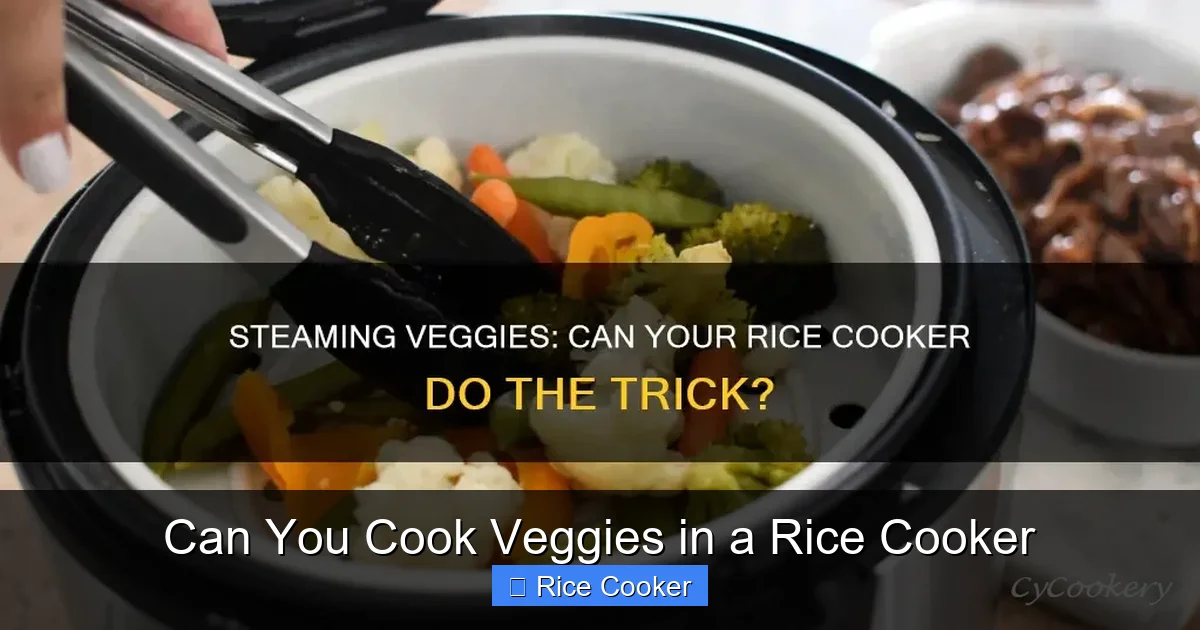
Yes, you can absolutely cook vegetables in a rice cooker! This versatile kitchen appliance makes steaming, boiling, or even roasting veggies simple and hands-off. With the right techniques and timing, your rice cooker becomes a secret weapon for healthy, delicious side dishes.
Key Takeaways
- Rice cookers are excellent for cooking vegetables: They offer even heat distribution and precise timing, making them ideal for tender-crisp results every time.
- Different veggies need different prep and timing: Dense root vegetables like carrots take longer than delicate greens like spinach or broccoli florets.
- Use the “Steam” function when available: Steam cooking preserves nutrients and keeps veggies vibrant without overcooking.
- Add flavor with simple seasonings: A splash of olive oil, garlic, lemon juice, or herbs can elevate plain steamed veggies into restaurant-quality sides.
- Clean-up is easy: Most parts are removable and dishwasher-safe, so post-meal cleanup takes just minutes.
- You can multitask in the kitchen: While veggies cook, you can prep other ingredients or enjoy a quiet moment—no constant stirring needed.
- Experiment with combinations: Mix sweet potatoes, green beans, and bell peppers for colorful, balanced meals that look as good as they taste.
📑 Table of Contents
- Can You Cook Veggies in a Rice Cooker? Absolutely—and It’s Genius!
- Why Use a Rice Cooker for Cooking Vegetables?
- Types of Vegetables That Shine in a Rice Cooker
- Step-by-Step Guide: How to Cook Veggies in a Rice Cooker
- Creative Ways to Use Your Rice Cooker for Meals
- Troubleshooting Common Issues
- Maintenance Tips to Keep Your Rice Cooker Running Smoothly
- Final Thoughts: Embrace the Versatility of Your Rice Cooker
Can You Cook Veggies in a Rice Cooker? Absolutely—and It’s Genius!
Imagine this: it’s a busy weeknight, you’re tired after work, and dinner needs to be ready fast—but you still want something nutritious and satisfying. Instead of reaching for frozen microwaveable meals (which often lack freshness), what if you could steam a rainbow of vegetables with zero effort? Enter the humble rice cooker—a kitchen gadget you might think only handles grains. But guess what? You can cook veggies in a rice cooker, and doing so opens up a world of healthy, hands-free meal possibilities.
This isn’t just a quirky trick; it’s a practical, efficient way to prepare vegetables that locks in nutrients, maintains texture, and frees up your time. Whether you’re a beginner cook or a seasoned home chef, learning how to use your rice cooker for veggies can transform your daily routine. From perfectly steamed broccoli to caramelized sweet potatoes, the results are surprisingly delicious. Plus, the cleanup is minimal—just rinse the inner pot and you’re done!
Why Use a Rice Cooker for Cooking Vegetables?
If you’ve ever boiled water on the stove just to steam broccoli, you know how messy and inefficient that can get. Stirring, monitoring, and worrying about scorching are constant distractions. A rice cooker solves all that. These appliances are designed to maintain consistent temperatures and automatically switch to “warm” mode once cooking is complete—ideal for veggies that don’t need constant attention.
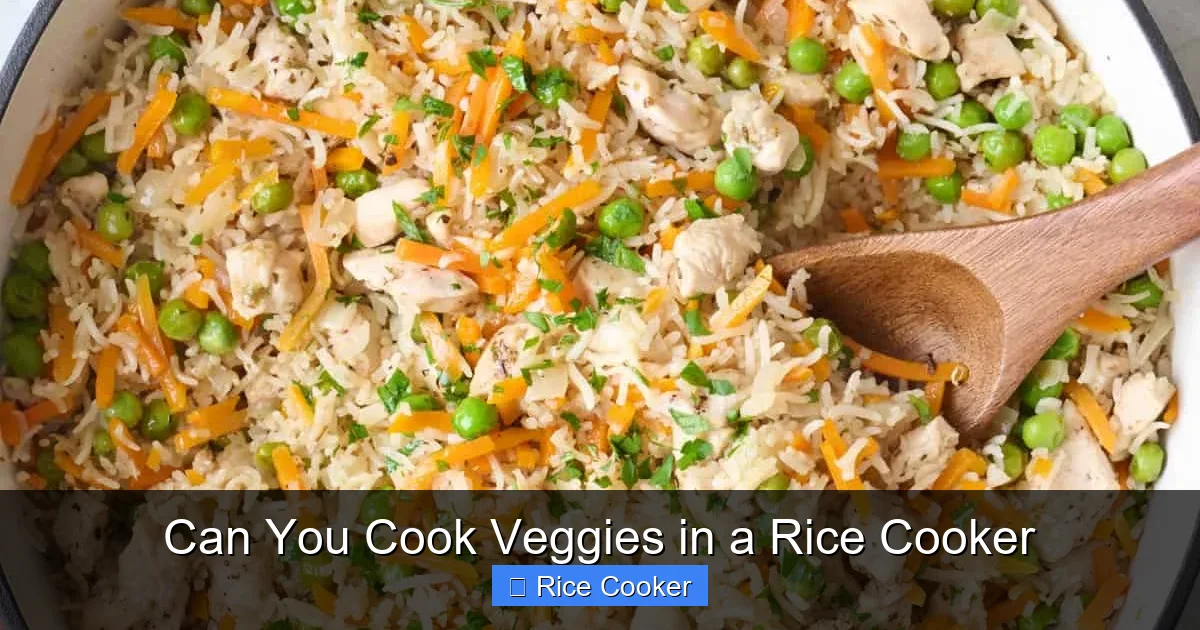
Visual guide about Can You Cook Veggies in a Rice Cooker
Image source: feelgoodfoodie.net
Nutrient Retention
Steaming vegetables gently cooks them while preserving vitamins like vitamin C and folate, which degrade quickly under high heat or prolonged exposure to water. The sealed environment of a rice cooker traps steam, cooking veggies evenly without leaching nutrients into water.
Time-Saving Convenience
Set it and forget it! Add water, toss in your chopped veggies, press a button, and go about your evening. No babysitting required. This is especially helpful when you’re juggling multiple tasks or have limited energy after a long day.
Even Cooking Every Time
Unlike boiling (where corners may remain raw while edges get mushy), the rice cooker’s uniform heat ensures all pieces cook at the same rate. This consistency is key to achieving that perfect “al dente” texture—tender but still firm.
Minimal Cleanup
Most modern rice cookers feature non-stick inner pots and removable components that go straight into the dishwasher. That means less scrubbing, fewer dirty pans, and more time enjoying your food—not washing it.
Types of Vegetables That Shine in a Rice Cooker
Not all vegetables behave the same way in a rice cooker. Some thrive, others need special care. Let’s break down which veggies work best—and why.
Dense Root Vegetables: Carrots, Potatoes, Sweet Potatoes
These thick-skinned, starchy veggies take longer to soften. For best results, chop them into uniform 1-inch pieces so they cook evenly. Parboiling for 3–5 minutes first can speed things up slightly, though many rice cookers handle them fine on their own. Add them early in the process—ideally before adding any leafy greens or delicate herbs.
Cruciferous Veggies: Broccoli, Cauliflower, Brussels Sprouts
These are superstar performers in a rice cooker! Their dense structure holds up well to steam, and they come out crisp-tender with bright color. Cut broccoli into florets (about 1–2 inches wide), and add a small amount of water (¼ cup per serving). Cook for 8–12 minutes depending on size and desired tenderness.
Leafy Greens: Spinach, Kale, Swiss Chard
Be careful here—leafy greens wilt fast! Add them toward the end of the cooking cycle, or use the “warm” setting afterward to blanch them gently. Overcooking turns them slimy and unappealing. A quick 2–4 minute steam is usually enough.
Legumes: Green Beans, Snow Peas, Sugar Snap Peas
Trim the ends off green beans and snap peas, then add them with a little water. They cook quickly—usually 6–10 minutes—and stay crunchy yet tender. Avoid overcrowding the pot; give them space to steam properly.
Onions, Garlic, Mushrooms
Sautéed flavors can be replicated by sautéing these aromatics briefly in oil before adding water and other veggies. Or, toss them in raw and let them caramelize during the cooking process. They add depth without needing extra pans.
Step-by-Step Guide: How to Cook Veggies in a Rice Cooker
Ready to try it yourself? Follow this foolproof method for success every time.
Step 1: Prep Your Veggies
Wash and chop all vegetables into similar-sized pieces. Uniformity ensures even cooking. Remove any woody stems from kale or tough outer layers from carrots.
Step 2: Add Water
Use about ½ to ¾ cup of water per serving of veggies. Too much water will dilute flavors; too little risks burning. If your rice cooker has a steamer basket insert, place veggies inside and add water to the main pot below (never put water directly under dry inserts).
Step 3: Season Lightly
Drizzle with olive oil, sprinkle salt, pepper, garlic powder, or your favorite herbs. No need for heavy sauces—simple seasoning lets natural flavors shine.
Step 4: Set the Timer
For most veggies: Start with 8–10 minutes. Check halfway through by lifting the lid (don’t leave it open—that cools the unit!). Adjust time based on texture preference: less time = crisper, more = softer.
Step 5: Drain Excess Moisture (Optional)
If you prefer drier veggies, drain the steam after cooking or transfer to a colander. Pat with a paper towel for extra crispness.
Step 6: Serve Immediately
Veggies are best enjoyed fresh from the cooker. They’ll stay warm on the “keep-warm” setting for up to an hour—but resist leaving them too long, or they’ll lose texture.
Creative Ways to Use Your Rice Cooker for Meals
Cooking veggies in a rice cooker isn’t just about sides—you can build entire meals around them! Here are some inspired ideas:
Mediterranean Grain & Veggie Bowl
Cook quinoa in the rice cooker using broth instead of water. Layer with steamed zucchini, cherry tomatoes, Kalamata olives, cucumber slices, and a dollop of tzatziki. Top with feta and fresh oregano.
Asian-Inspired Stir-Fry Simmer
Sauté ginger, garlic, and mushrooms in oil first. Add shredded cabbage, bok choy, and snap peas. Pour in soy-ginger sauce (low-sodium soy sauce + honey + rice vinegar + sesame oil). Cover and cook 8 minutes until tender-crisp.
One-Pot Pasta Primavera
Cook pasta in the rice cooker with vegetable broth. Stir in steamed broccoli, carrots, peas, and sun-dried tomatoes in the last 3 minutes. Finish with parmesan and black pepper.
Breakfast Scramble Hack
Instead of scrambling eggs on the stove, crack them into a bowl, whisk with milk, and pour over pre-steamed spinach and mushrooms cooked in the rice cooker. Let it set under the lid for a fluffy, cheesy breakfast.
Troubleshooting Common Issues
Even with the best technique, things can go wrong. Here’s how to fix common problems:
Vegetables Are Mushy
This usually means overcooking or too much water. Next time, reduce water by half and shorten cooking time by 2–3 minutes. Also, avoid stirring during cooking—it disrupts the steam cycle.
Veggies Are Undercooked
Smaller pieces cook faster than larger ones. Try cutting everything into 1-inch chunks. If using a large batch, increase water slightly and extend time by 3–5 minutes.
Smells or Burns
This happens when food sticks to the bottom. Always add water first, then veggies on top. Never run the cooker dry. Clean the inner pot regularly to prevent buildup.
Lid Won’t Close Properly
Check if the sealing ring is intact and clean. Replace it if cracked or worn out. Also ensure the inner pot is seated correctly—misalignment prevents proper closure.
Maintenance Tips to Keep Your Rice Cooker Running Smoothly
To keep your rice cooker cooking veggies perfectly year after year, follow these maintenance steps:
- Clean the inner pot after each use: Wash with warm, soapy water. Avoid abrasive sponges that scratch the non-stick surface.
- Wipe the exterior and lid seal: Use a damp cloth to remove spills. Dry thoroughly before storing.
- Inspect the heating plate: Occasionally check for residue or mineral deposits. Wipe with vinegar-water solution if needed.
- Store in a dry place: Moisture promotes rust and mold. Ensure all parts are completely dry before reassembling.
- Replace worn parts promptly: Sealing rings, lids, and pots wear out over time. Order genuine replacements from the manufacturer.
Final Thoughts: Embrace the Versatility of Your Rice Cooker
So, can you cook veggies in a rice cooker? Yes—and it might just become your new favorite kitchen hack. This simple upgrade turns a basic appliance into a powerhouse for healthy eating. No more last-minute stress, no more soggy or burnt sides, just consistently delicious, nutrient-rich vegetables with minimal effort.
The beauty of using a rice cooker for veggies lies in its simplicity and reliability. Whether you’re meal-prepping for the week, feeding a family, or trying to eat more plant-based meals, this method saves time and boosts nutrition. And since cleanup is a breeze, you’ll actually want to use it again tomorrow.
Don’t be afraid to experiment. Try roasting-style veggies by tossing them with oil and spices before steaming. Blend cooked carrots into creamy soups. Make colorful salads with chilled, herb-seasoned steamed greens. The possibilities are endless—and all within reach of one small kitchen appliance.
In a world where convenience often comes at the cost of quality, your rice cooker stands out as a tool that delivers both. So next time you open the fridge and see a bunch of fresh produce staring back at you, remember: there’s no need to panic. Just grab your rice cooker, add water, toss in those veggies, and let science do the rest.
Frequently Asked Questions
Can I cook frozen vegetables in a rice cooker?
Yes, but add them at the beginning of the cycle and increase cooking time by 2–3 minutes. Frozen veggies release water, so monitor closely to avoid mushiness. Best for peas, corn, or mixed frozen blends.
Do I need a special rice cooker for cooking vegetables?
No special model is required. Any standard rice cooker with a “cook” or “steam” function works well. Look for models with a clear lid so you can monitor progress without opening it frequently.
How do I prevent my vegetables from turning gray or dull?
Overcooking causes oxidation and loss of vibrancy. Steam only until tender-crisp, and avoid leaving veggies on the “warm” setting too long. Adding a squeeze of lemon juice or a bit of oil helps retain color.
Can I cook meat and vegetables together in a rice cooker?
Absolutely! Brown chicken or beef first in oil, then add veggies and liquid. Cook on “rice” or “manual” setting for 15–20 minutes. Ensure meat reaches safe internal temps—check with a thermometer.
What’s the best way to store leftover cooked veggies?
Refrigerate in an airtight container within 2 hours. Use within 3–4 days for optimal texture and nutrition. Reheat gently in the microwave or on the stovetop to avoid sogginess.
Is it okay to reuse the same water I cooked veggies in?
Yes! The steaming water retains minerals and flavor compounds. Use it to cook grains, make soup stock, or water plants—just strain out any large particles first.