
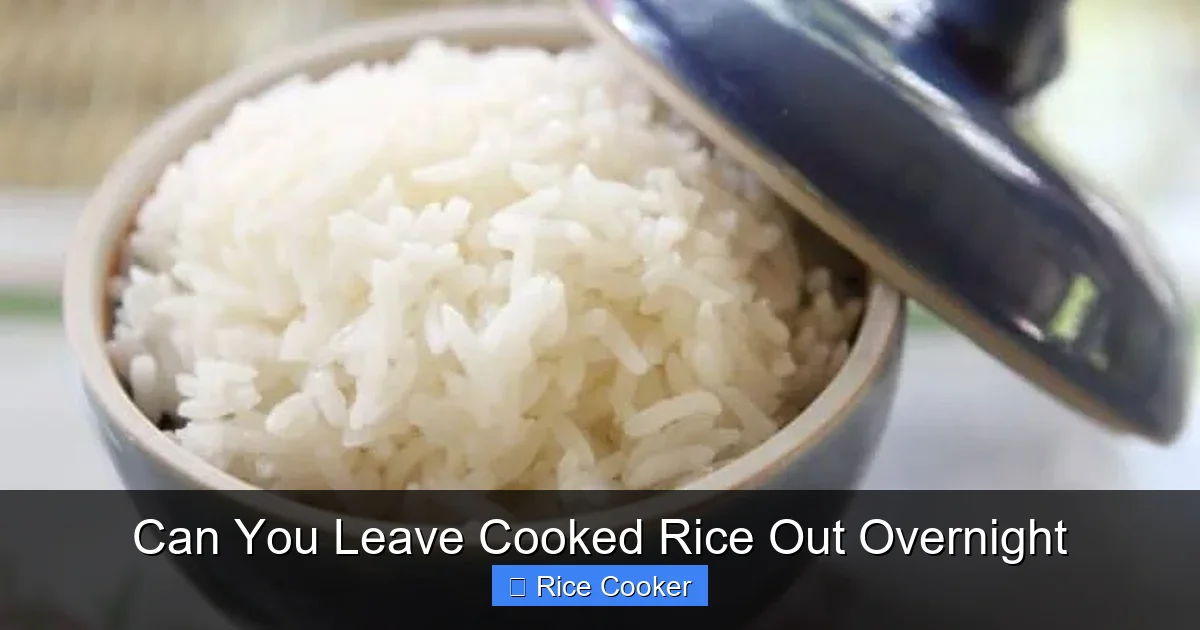
Can you leave cooked rice out overnight? The short answer is no, not safely. Cooked rice left at room temperature for more than 2 hours can grow harmful bacteria like Bacillus cereus, which causes food poisoning. To stay safe, always refrigerate cooked rice within 1 hour of cooking and use a rice cooker with built-in warming functions wisely. With proper handling, your rice can remain delicious and safe for days.
Key Takeaways
- Never leave cooked rice at room temperature for over 2 hours. Bacteria multiply rapidly between 40°F and 140°F (the “danger zone”), increasing foodborne illness risk.
- Refrigerate rice within 1 hour of cooking. This slows bacterial growth and keeps your meal safe to eat later.
- Reheat rice thoroughly before eating. Use a rice cooker or stove to heat rice to at least 165°F to kill any potential bacteria.
- Freeze excess rice for long-term storage. Frozen rice can last up to 6 months when stored in airtight containers.
- Use a rice cooker’s warming function cautiously. It keeps rice hot but doesn’t sterilize it—don’t rely on it for long-term holding.
- Store rice in shallow, airtight containers. This helps cool it faster and prevents moisture buildup.
- Discard rice that smells off or has an unusual texture. Visual and smell cues are good indicators of spoilage.
Quick Answers to Common Questions
Can you leave cooked rice out overnight?
No, you should not leave cooked rice out overnight. Bacteria like Bacillus cereus can grow rapidly in the “danger zone” (40°F–140°F), leading to food poisoning. Always refrigerate rice within 1 hour of cooking.
Is it safe to eat rice left out for 2 hours?
It depends on the temperature. In cooler environments, 2 hours may be acceptable, but in hot climates (over 90°F), rice should be refrigerated within 1 hour. When in doubt, it’s safer to discard it.
Can you reheat rice that was left out?
Only if it was stored properly. If rice was left out beyond safe limits, reheating won’t destroy toxins produced by bacteria. If it was refrigerated within 1 hour, reheat it to 165°F to kill any bacteria.
Does freezing rice destroy bacteria?
Freezing stops bacterial growth but doesn’t kill bacteria or destroy toxins. However, it preserves rice safely for up to 6 months. Just thaw and reheat thoroughly before eating.
Can a rice cooker’s warming function keep rice safe overnight?
No. While the warming function keeps rice hot, it doesn’t eliminate bacteria. If rice was already contaminated before warming, it remains unsafe. Use it only for short-term holding, not overnight storage.
📑 Table of Contents
- Can You Leave Cooked Rice Out Overnight? The Truth About Food Safety
- Why Leaving Cooked Rice Out Is Dangerous
- How Long Can Cooked Rice Be Safely Left Out?
- How to Properly Store Cooked Rice
- Freezing Cooked Rice: A Safe Alternative
- Can You Eat Leftover Rice After 5 Days?
- Using a Rice Cooker Safely: Tips and Best Practices
- Common Myths About Rice Safety
- Practical Tips for Busy Families
- Conclusion: Keep Your Rice Safe and Delicious
Can You Leave Cooked Rice Out Overnight? The Truth About Food Safety
Rice is one of the most beloved foods around the world. Whether it’s fluffy white rice, savory brown rice, or fragrant jasmine rice, it pairs perfectly with almost every cuisine. But here’s the real question: can you leave cooked rice out overnight? Many of us have done it—left a pot of rice on the counter after dinner, thinking it’ll be fine tomorrow. But what we often forget is that rice, especially when cooked, is a breeding ground for bacteria if not handled properly.
The simple truth is this: no, you should never leave cooked rice out overnight at room temperature. Doing so puts you at serious risk of foodborne illness. In this article, we’ll break down why, what to do instead, and how tools like rice cookers can help keep your meals both safe and delicious.
Why Leaving Cooked Rice Out Is Dangerous

Visual guide about Can You Leave Cooked Rice Out Overnight
Image source: preparedcooks.com
Cooked rice is a perfect storm for bacterial growth. Once rice is cooked, its starches become accessible to bacteria. When it sits in the “danger zone”—the temperature range between 40°F and 140°F—bacteria like Bacillus cereus can multiply rapidly. This particular bacterium is especially sneaky because it forms spores that survive cooking. So even if you wash your hands or sanitize your utensils, the rice itself may already contain these resilient spores.
When those spores get into the danger zone, they begin producing toxins that cause vomiting and diarrhea. Symptoms usually appear within 6 to 15 hours after eating contaminated rice, making it easy to mistake for food poisoning from something else. And here’s the kicker: once toxins are formed, simply reheating the rice won’t destroy them. That means even cooking it again won’t make it safe.
The Danger Zone: Where Bacteria Thrive
Imagine a warm summer day where your kitchen hits 75°F. Your freshly cooked rice, still steaming, is sitting on the counter. Within minutes, it begins cooling into the danger zone. By the time it reaches 75°F, bacteria like Bacillus cereus can start multiplying. After just two hours, the number of bacteria can double. After six hours? You’ve got a full-blown bacterial colony ready to cause trouble.
This is why food safety experts say: never let cooked rice sit at room temperature for more than 2 hours. If you’re in a hot environment (over 90°F), that limit drops to just 1 hour.
What Happens When Rice Spoils?
Spoiled rice doesn’t always look or smell different right away. That’s part of the problem. Unlike meat or dairy, rice is less likely to show clear signs of decay. But if you notice:
– A sour or off odor
– A slimy texture
– Discoloration (yellowish or gray patches)
– A strange taste
Then it’s time to toss it. Even if it looks fine, internal bacterial growth could still be happening.
How Long Can Cooked Rice Be Safely Left Out?
Visual guide about Can You Leave Cooked Rice Out Overnight
Image source: substitutecooking.com
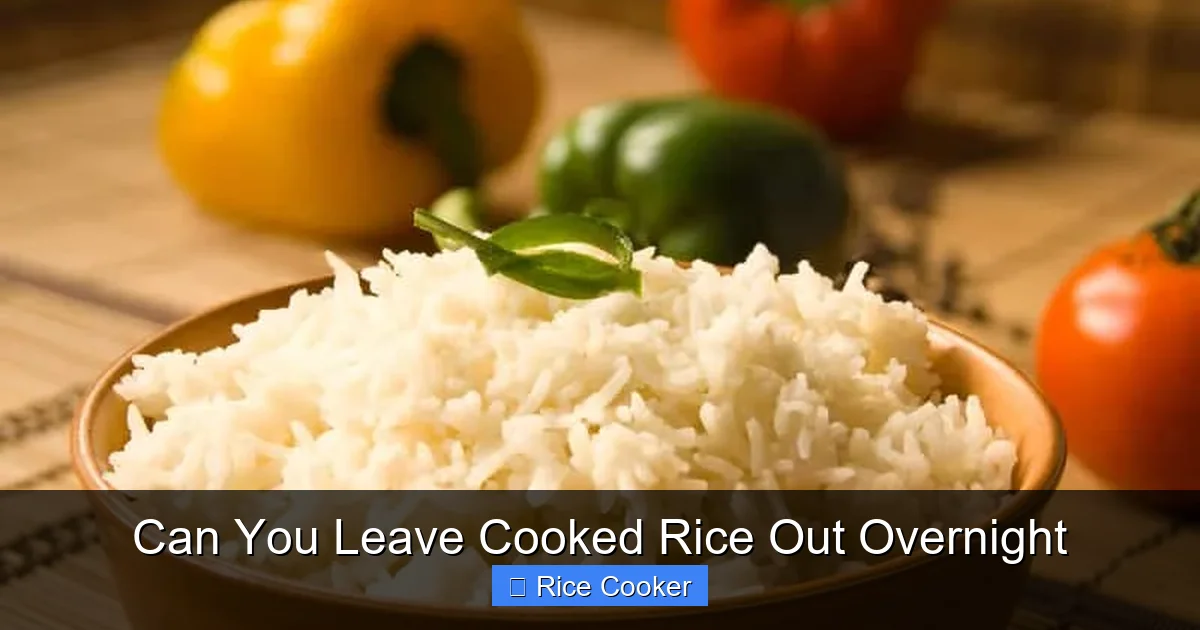
So, how long is too long? Let’s be clear: you should not leave cooked rice out overnight. That’s 8 to 12 hours in the danger zone, which is far too long.
The general rule is:
– **Do not leave cooked rice at room temperature for more than 2 hours.**
– **In hot climates (above 90°F), don’t leave it out for more than 1 hour.**
After that, the risk of foodborne illness increases significantly. Even if you plan to eat the rice later in the day or the next day, it must go straight into the refrigerator.
What About the Rice Cooker’s Warming Function?
Many modern rice cookers come with a “keep warm” setting. You might think, “Great! I’ll just leave the rice in the cooker overnight, and it’ll stay fresh.” But here’s the catch: the warming function keeps rice at a steady temperature (usually around 170°F), which sounds safe—but it doesn’t kill bacteria. In fact, some studies suggest that keeping rice at this temperature for extended periods can actually encourage bacterial growth if spores were already present.
So while the warming function is useful for short-term holding (like during a family dinner), it’s not a substitute for refrigeration. Never rely on it to keep rice safe overnight.
How to Properly Store Cooked Rice
If you’ve already cooked more rice than you need—or if you want to save leftovers—here’s how to store it safely:
Step 1: Cool the Rice Quickly
Don’t let rice sit in a large pile. Instead, spread it out in shallow containers or place portions in small airtight containers. This helps it cool faster and reduces the time it spends in the danger zone.
Step 2: Refrigerate Within One Hour
Once cooled, put the rice in the fridge immediately. Use containers that seal tightly to prevent absorption of other odors and to maintain moisture balance.
Step 3: Label and Date
Write the date on the container so you know when it was made. Cooked rice in the fridge lasts about 3 to 4 days. After that, even if it looks okay, it’s best to throw it out.
Step 4: Reheat Thoroughly
When you’re ready to eat, reheat the rice to at least 165°F throughout. Use a rice cooker with a reheat function, or simmer it on the stove with a bit of water to prevent drying out. Stir well to ensure even heating.
Freezing Cooked Rice: A Safe Alternative
Want to enjoy your rice days or even weeks later? Freezing is a great option. Here’s how to do it right:
Portion and Pack
Divide cooked rice into meal-sized portions. Place each portion in a freezer-safe bag or airtight container. Squeeze out as much air as possible to prevent freezer burn.
Label and Freeze
Write the date on the container. Frozen rice can last up to 6 months, though it’s best eaten within 3 months for optimal texture and flavor.
Thaw Safely
Thaw frozen rice in the refrigerator overnight or quickly in a bowl of cold water. Never thaw at room temperature. Then reheat thoroughly before eating.
Can You Eat Leftover Rice After 5 Days?
Short answer: probably not. While some sources say rice can last up to 7 days in the fridge, the risk increases after 4 days. Bacteria can produce toxins that aren’t destroyed by reheating, and the texture may degrade.
If your rice has been in the fridge for more than 4 days, it’s safer to discard it—even if it smells fine. When in doubt, throw it out.
Signs It’s Time to Toss Rice
– Off smell (like ammonia, sourness, or rotten eggs)
– Slimy or sticky texture
– Mold spots
– Unusual color changes
– Bitter or unpleasant taste
If you notice any of these, don’t take the chance. Better safe than sorry.
Using a Rice Cooker Safely: Tips and Best Practices
A rice cooker isn’t just for cooking—it’s a versatile kitchen tool that can help with storage and reheating too. Here’s how to use it safely:
Choose a Model with Reheat Function
Look for a rice cooker that includes a reheat or warming mode. This allows you to gently warm leftover rice without burning it or drying it out.
Avoid Prolonged Warming
Even with the warming function, don’t leave rice in the cooker for more than a few hours. Bacteria can grow if spores are present, and reheating won’t fix that.
Clean Your Rice Cooker Regularly
Residue from old rice or spills can harbor bacteria. Clean the inner pot and lid after each use to prevent cross-contamination.
Use It for Portion Control
Cook only what you need, or cook extra and freeze it. A rice cooker makes it easy to prepare large batches that can be stored safely.
Common Myths About Rice Safety
There are a lot of myths floating around about rice. Let’s debunk a few:
Myth 1: “Rice is safe because it’s dry.”
False. Dryness doesn’t prevent bacterial growth. In fact, rice absorbs moisture from the air, creating ideal conditions for bacteria if left uncovered.
Myth 2: “Bacteria die when you boil rice again.”
Not true. If toxins were already produced by Bacillus cereus, boiling won’t destroy them. Reheating kills live bacteria, not pre-formed toxins.
Myth 3: “Leftover rice is always safe if it smells fine.”
Again, false. Smell isn’t a reliable indicator. Bacteria can grow silently without changing appearance or odor.
Myth 4: “You can leave rice out all night if it’s covered.”
Covering helps, but it doesn’t stop bacterial growth. Temperature is the main factor. Covering also traps moisture, which can encourage mold.
Practical Tips for Busy Families
We get it—life gets busy. Here are some tips to make rice safety easier:
Prep Ahead on Weekends
Cook a big batch of rice on Sunday, divide it into containers, and refrigerate or freeze portions. Grab one when you need a quick side dish.
Use Ice Baths for Fast Cooling
If you’ve cooked a lot of rice and need to cool it fast, pour it into a wide pan and place the pan in a bowl of ice water. Stir occasionally to speed up cooling.
Keep a Rice Journal
Track when you cook rice and label containers. This helps you remember what’s in the fridge and avoid waste.
Invest in Good Containers
Use glass or BPA-free plastic containers with tight seals. They’re reusable, easy to clean, and better for storing food.
Conclusion: Keep Your Rice Safe and Delicious
So, back to the original question: can you leave cooked rice out overnight? The honest answer is no—not safely. Leaving rice at room temperature for more than 2 hours invites dangerous bacteria to grow, putting your health at risk. Whether you’re using a traditional stove, an electric rice cooker, or a high-tech multi-cooker, the rules are the same: cool it fast, refrigerate it soon, and reheat it thoroughly.
By following simple food safety steps—like using shallow containers, labeling dates, and avoiding prolonged warming—you can enjoy rice again and again without worry. And with the help of a reliable rice cooker, you can cook, store, and reheat with confidence.
Remember: when it comes to rice, it’s better to be safe than sorry. Your stomach will thank you.
Frequently Asked Questions
Is it safe to eat rice left out for 3 hours?
If the room temperature is below 90°F, rice left out for 3 hours is generally considered risky. The longer it stays in the danger zone, the higher the chance of bacterial growth. It’s best to err on the side of caution and refrigerate it within 2 hours.
Can you get food poisoning from reheated rice?
Yes. If rice is improperly stored and bacteria like Bacillus cereus produce toxins, reheating won’t remove them. Eating such rice can cause vomiting and diarrhea, even if it’s heated to a high temperature.
How long does cooked rice last in the fridge?
Cooked rice can safely last in the refrigerator for 3 to 4 days when stored in airtight containers. After that, the risk of contamination increases, even if it looks and smells normal.
Should I cover rice before refrigerating?
Yes, always cover rice before refrigerating. Use airtight containers or wrap it tightly to prevent drying out and contamination from other foods. Exposure to air increases oxidation and spoilage risk.
Can I leave rice in the rice cooker overnight?
No. While the warming function keeps rice hot, it doesn’t kill bacteria. If rice was already contaminated, leaving it in the cooker overnight won’t make it safe. Refrigerate it within 1 hour of cooking.
What’s the fastest way to cool rice?
Spread rice in shallow layers or use a wide pan. Placing the pan in an ice bath while stirring helps cool it quickly. This minimizes the time it spends in the danger zone.