

You absolutely can freeze cooked cauliflower rice, and doing so is a smart way to save time, reduce waste, and enjoy healthy meals all week long. Whether you’ve made a big batch for meal prep or just have leftovers, proper freezing preserves its texture and nutrients. With a few simple steps—like cooling quickly and storing in airtight containers—you’ll keep your cauliflower rice fresh for up to 3 months. This guide walks you through every step, from preparation to thawing, so you never have to throw out uneaten cauliflower again.
Key Takeaways
- Freezing cooked cauliflower rice is safe and effective when done correctly—cooling fast and using airtight containers helps maintain quality.
- Proper storage prevents freezer burn and texture loss; use freezer-safe bags or containers and label them with dates.
- Thawing methods matter: Refrigerator thaw gives best results, but microwave reheating works well for quick meals.
- Texture improves when frozen and reheated properly—sautéing after thawing restores that fluffy, rice-like consistency.
- Nutritional value remains high even after freezing; no major nutrient loss occurs during short-term storage.
- Batch cooking and freezing saves time—ideal for busy weeks or when cauliflower is on sale.
- Always cool cauliflower rice completely before freezing to avoid ice crystals and bacterial growth.
If you’re like most home cooks who love the convenience and health benefits of cauliflower rice, you’ve probably found yourself with extra portions—either from a homemade batch or a leftover takeout container. The question then arises: Can you freeze cauliflower rice after cooking? The short answer is yes, absolutely—and it’s one of the easiest ways to preserve this nutritious, low-carb staple. But before you pop it in the freezer, there are some important steps to follow to ensure it retains its texture, flavor, and safety.
Cauliflower rice has surged in popularity thanks to its versatility and health perks. It’s naturally gluten-free, low in calories, and packed with fiber and vitamins C and K. But because it’s delicate and prone to waterlogging, improper handling—especially after cooking—can ruin its once-pristine texture. Freezing is a game-changer if you want to extend its shelf life without sacrificing quality. In this comprehensive guide, we’ll walk you through everything you need to know about freezing cauliflower rice after cooking, including timing, techniques, storage tips, and how to bring it back to life when you’re ready to eat.
Key Takeaways
- Understanding can you freeze cauliflower rice after cooking: Provides essential knowledge
📑 Table of Contents
- Why Freeze Cooked Cauliflower Rice?
- How to Properly Freeze Cauliflower Rice After Cooking
- Best Storage Containers and Methods
- How Long Can You Store Frozen Cauliflower Rice?
- Thawing and Reheating Cauliflower Rice
- Tips for Maintaining Quality When Using Frozen Cauliflower Rice
- Common Mistakes to Avoid
- Creative Ways to Use Frozen Cauliflower Rice
- Final Thoughts: Is Freezing Worth It?
Why Freeze Cooked Cauliflower Rice?
Before diving into the how-to, let’s talk about why freezing cauliflower rice makes sense. First and foremost, it’s a fantastic way to prevent food waste. Leftover roasted cauliflower rice or a half-finished stir-fry can easily go bad within a day or two if left unrefrigerated. By freezing it immediately, you lock in freshness and nutrients.
Another big reason? Meal prep efficiency. Imagine making a large batch of cauliflower rice at the start of the week and portioning it into individual servings. You can whip up a quick lunch or dinner in minutes by simply reheating a serving. Plus, buying cauliflower in bulk—especially when it’s in season—is more cost-effective, and freezing ensures you don’t end up tossing spoiled florets.
But perhaps the biggest benefit is flexibility. Whether you’re following a keto diet, managing blood sugar, or just trying to eat more vegetables, having pre-cooked cauliflower rice on hand means you’re always prepared. No more last-minute scrambling to chop fresh heads of cauliflower when you’re tired after work.
How to Properly Freeze Cauliflower Rice After Cooking
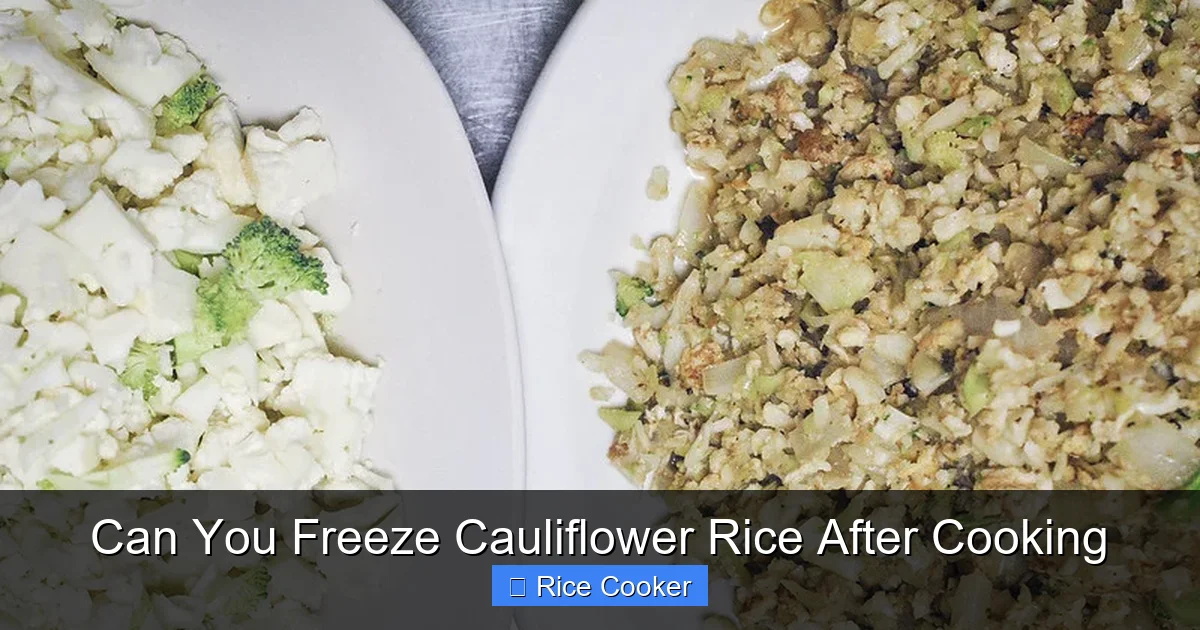
Visual guide about Can You Freeze Cauliflower Rice After Cooking
Image source: canyourefreeze.com
The key to successful freezing lies in timing and technique. If you rush the process, you risk developing ice crystals, which can make the rice mushy upon thawing. Follow these steps closely:
Step 1: Cool Rapidly
After cooking your cauliflower rice—whether by steaming, sautéing, or roasting—it must be cooled as quickly as possible. The danger zone for bacterial growth is between 40°F and 140°F (4°C and 60°C), so letting hot food sit too long invites spoilage.
Instead of leaving it out on the counter, spread the warm cauliflower rice in a thin layer on a baking sheet or large tray. Place it in the refrigerator for 15–30 minutes, stirring occasionally, until it reaches room temperature. For faster cooling, you can place the tray in the freezer for 10–15 minutes, but monitor closely to avoid freezing too soon.
Step 2: Portion and Pack
Once cooled, divide the cauliflower rice into usable portions—about ½ to 1 cup each. Use freezer-safe containers or resealable plastic bags. If using bags, squeeze out excess air before sealing to minimize freezer burn. Label each container with the date so you know how long it’s been stored.
Step 3: Flash Freeze (Optional but Recommended)
To prevent clumping, flash freeze the portions first. Place the portioned cauliflower rice in a single layer on a parchment-lined baking sheet and freeze for 1–2 hours. Once solid, transfer the blocks to a larger container or bag. This method keeps individual servings from sticking together and makes thawing easier later.
Best Storage Containers and Methods
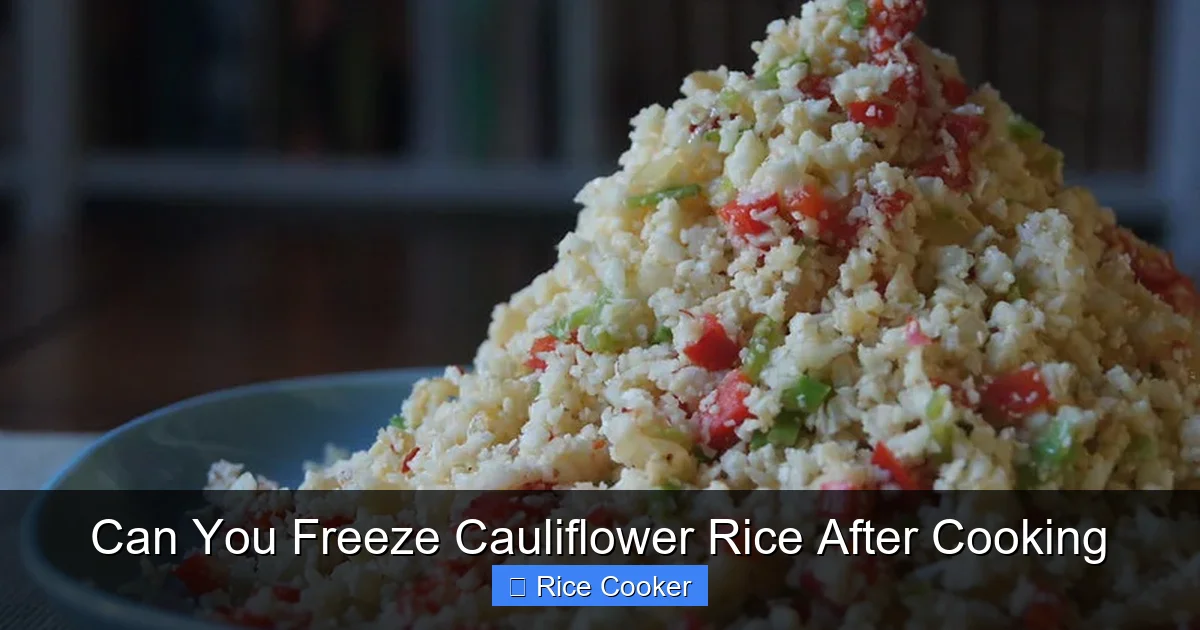
Visual guide about Can You Freeze Cauliflower Rice After Cooking
Image source: canyourefreeze.com
Choosing the right container is crucial for maintaining quality. Stainless steel or glass containers with tight-fitting lids are ideal because they don’t absorb odors and are less likely to warp under cold temperatures. Avoid using cardboard boxes or non-freezer-rated plastic.
For smaller portions, vacuum-sealed bags offer excellent protection against moisture and air exposure. If you don’t have a vacuum sealer, double-bagging in regular freezer bags also works well.
Remember: always leave about an inch of headspace in containers to allow for expansion during freezing. Water expands when it turns to ice, and if there’s no room, the container may crack or the contents could become compressed.
How Long Can You Store Frozen Cauliflower Rice?
When stored properly, frozen cauliflower rice stays safe and edible for up to 3 months. Beyond that, while it won’t necessarily be unsafe, the texture may degrade, becoming softer or slightly slimy. Most people notice the biggest drop in quality around the 4-month mark.
To test freshness, look for signs of freezer burn—dry, discolored spots on the surface—or an off smell. If either is present, it’s best to discard the batch. Otherwise, it’s still safe to use, though you might want to cook it longer to rehydrate any dried-out parts.
Keep in mind that the sooner you freeze it after cooking, the better it will taste and feel upon thawing. So if you’re not planning to use it within a couple of weeks, freezing immediately is your best bet.
Thawing and Reheating Cauliflower Rice
Now comes the fun part: bringing your frozen cauliflower rice back to life. There are several methods, each with pros and cons depending on your schedule and desired outcome.
Method 1: Thaw in the Refrigerator (Best for Texture)
This is the gentlest method and recommended for preserving texture. Transfer the frozen cauliflower rice to the fridge and let it thaw overnight (about 8–12 hours). This slow thawing minimizes moisture loss and helps retain structure.
Once thawed, drain any excess liquid that may have accumulated. Then, gently reheat in a skillet over medium heat with a splash of oil or broth. Stir frequently for 3–5 minutes until heated through. This method is perfect for dishes where texture matters, like fried rice or grain bowls.
Method 2: Microwave Thawing (Fastest Option)
Need something quick? Place the frozen portions in a microwave-safe dish, cover loosely with a damp paper towel (this adds steam and prevents drying), and heat in 30-second intervals. Stir between bursts. This method works well for small batches and yields good results, though the texture may be slightly softer.
Method 3: Cook Directly From Frozen (Most Convenient)
Yes, you can skip thawing altogether! Simply add frozen cauliflower rice directly to a pan with a bit of oil or water. Cover and cook over medium heat for 5–7 minutes, stirring occasionally, until warmed through. This is ideal for soups, stews, or casseroles where texture isn’t critical.
Tips for Maintaining Quality When Using Frozen Cauliflower Rice
Even with the best intentions, frozen cauliflower rice can sometimes lose its signature crunch or become waterlogged. Here’s how to fix it:
– Dry it out: After thawing, pat the rice with a clean kitchen towel or paper towels to remove excess moisture.
– Re-crisp it: Sauté the rice briefly over high heat with a little oil to restore a light, fluffy texture.
– Add flavor: A splash of soy sauce, lemon juice, or garlic powder goes a long way in reviving bland-tasting frozen rice.
– Avoid overcooking: Once thawed, treat it like fresh—don’t boil it for too long or it will turn to mush.
Also, consider mixing frozen cauliflower rice with other ingredients (like scrambled eggs or shredded chicken) in recipes. That way, even if the texture isn’t perfect, the overall dish remains delicious.
Common Mistakes to Avoid
Newcomers often make a few errors that lead to disappointing results. Let’s clear those up:
– Not cooling before freezing: Always cool cooked cauliflower rice fully before placing it in the freezer.
– Overfilling containers: Leave space for expansion to prevent cracking and compression.
– Skipping labeling: Without dates, you might forget what’s inside and end up wasting food.
– Using weak packaging: Cheap plastic bags or containers can tear or leak, leading to freezer burn.
– Freezing in large chunks: Smaller portions freeze and thaw more evenly.
By avoiding these pitfalls, you’ll enjoy consistently great-tasting cauliflower rice every time.
Creative Ways to Use Frozen Cauliflower Rice
Don’t let frozen cauliflower rice sit untouched in your freezer! Here are some inspiring ideas:
– Casseroles: Mix it into mac and cheese, lasagna, or meatloaf for a healthier twist.
– Burgers and meatballs: Use it as a binder to reduce fat and carbs.
– Fried rice or stir-fries: Thaw and sauté with veggies and protein for a quick dinner.
– Soups and chilies: Add directly from frozen for extra creaminess and nutrition.
– Breakfast burritos: Scramble with eggs, cheese, and salsa for a filling morning meal.
The possibilities are endless—and all start with properly frozen cauliflower rice.
Final Thoughts: Is Freezing Worth It?
In short, yes—freezing cooked cauliflower rice is not only safe but highly practical. It allows you to enjoy the health benefits and culinary flexibility of cauliflower rice without worrying about waste or time constraints. With the right techniques, you can preserve its texture and flavor for months, then revive it effortlessly when needed.
Whether you’re meal prepping for the week, stocking up on sale produce, or simply saving leftovers, this method puts you in control of your kitchen. And honestly? It’s one of the simplest, smartest hacks in modern cooking.
So next time you cook up a batch of cauliflower rice, think ahead. Cool it down, portion it out, and pop it in the freezer. You’ll thank yourself later when hunger strikes and you’re craving something healthy, quick, and satisfying.
Frequently Asked Questions
Can you freeze cauliflower rice right after cooking?
Yes, but only after it has cooled to room temperature. Never put hot cauliflower rice directly into the freezer, as it can raise the freezer’s internal temperature and affect other foods. Cool it quickly in the fridge or on a tray before freezing.
How long does frozen cauliflower rice last?
When stored properly in airtight containers or bags, frozen cauliflower rice stays safe and retains quality for up to 3 months. After that, texture and flavor may decline, though it’s still safe to eat if no signs of freezer burn or odor are present.
Does freezing destroy nutrients in cauliflower rice?
No significant nutrient loss occurs during freezing. Some water-soluble vitamins like vitamin C may decrease slightly over time, but the overall nutritional profile remains strong, especially compared to many processed alternatives.
Can you freeze cauliflower rice that has already been seasoned?
Absolutely. Whether you’ve added garlic, herbs, or spices, you can freeze seasoned cauliflower rice just like plain rice. Just be sure to cool it first and store it in labeled containers.
Is it better to freeze cauliflower rice raw or cooked?
It’s generally better to freeze it cooked, especially if you plan to use it in dishes like stir-fries or casseroles where further cooking is minimal. Raw cauliflower rice tends to absorb too much water during cooking, leading to a soggy result.
What’s the best way to reheat frozen cauliflower rice?
The best method depends on your needs. For maximum texture preservation, thaw in the refrigerator overnight and sauté lightly. For speed, microwave with a damp paper towel or cook directly from frozen in a pan.