
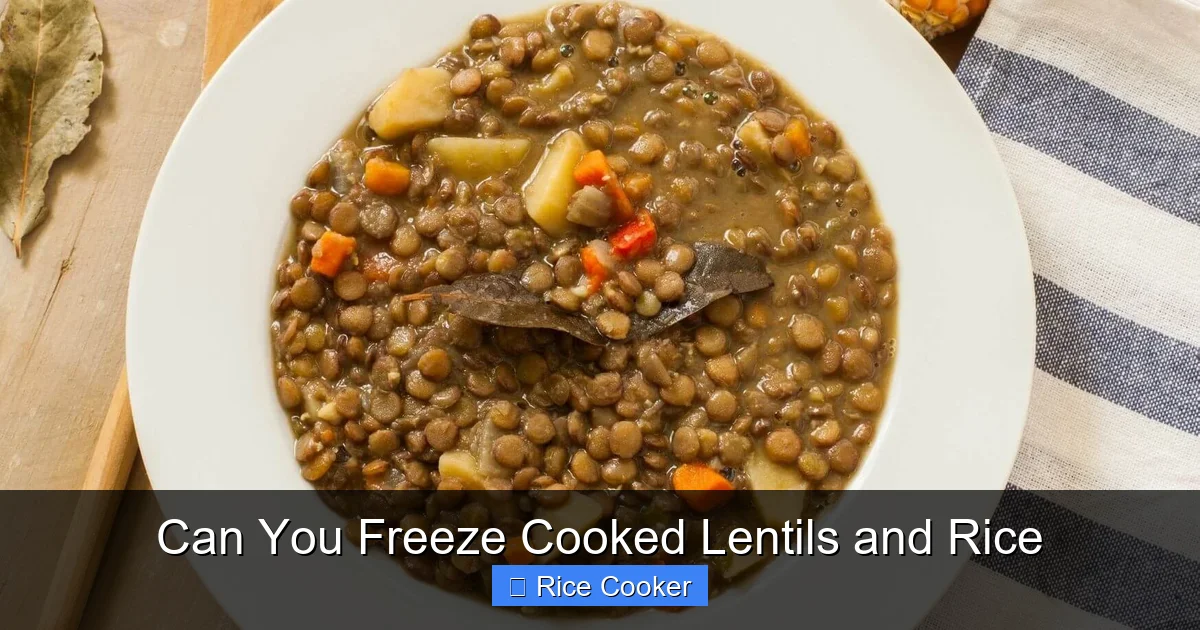
Freezing cooked lentils and rice is a smart way to save time and reduce food waste. When stored properly, these staples stay fresh for up to three months without losing much flavor or texture. Whether you’re meal prepping or leftovers are piling up, this simple method helps keep your kitchen organized and your meals nutritious.
Key Takeaways
- Freezing is safe and effective: Cooked lentils and rice can be frozen for up to 3 months while maintaining quality and safety.
- Proper packaging matters: Use airtight containers or freezer bags to prevent freezer burn and moisture loss.
- Thaw safely: The best way to thaw is in the refrigerator overnight or by reheating directly from frozen with added liquid.
- Nutrient retention: Freezing preserves most vitamins and minerals better than long-term refrigeration.
- Reheat with care: Add a splash of water or broth when warming frozen portions to restore moisture.
- Label everything: Always note the date and contents on storage containers for easy tracking.
- Meal prep friendly: Freeze in portion-sized servings for quick grab-and-go meals later.
📑 Table of Contents
- Can You Freeze Cooked Lentils and Rice?
- The Science Behind Freezing Cooked Grains and Legumes
- Step-by-Step Guide: How to Freeze Cooked Lentils and Rice
- How Long Can You Keep Frozen Lentils and Rice?
- Safety First: Avoiding Foodborne Illness
- Best Ways to Thaw and Reheat Frozen Lentils and Rice
- Tips for Maintaining Flavor and Texture After Freezing
- Creative Ideas for Using Frozen Lentils and Rice
- Common Mistakes to Avoid When Freezing Cooked Grains
- Frequently Asked Questions About Freezing Lentils and Rice
- Conclusion: Make Freezing Part of Your Routine
Can You Freeze Cooked Lentils and Rice?
If you’re like most home cooks, chances are you’ve ended up with extra portions of perfectly cooked lentils and rice—whether from a big batch on Sunday or a generous serving at dinner. Instead of letting them go to waste, many people ask: Can you freeze cooked lentils and rice? The short answer? Absolutely! Freezing is one of the safest and most effective ways to preserve cooked grains and legumes, extending their shelf life while keeping them ready for future meals.
In this article, we’ll walk through everything you need to know about freezing cooked lentils and rice—from preparation and packaging to storage duration and safe thawing techniques. Whether you’re meal prepping for the week, cooking in bulk, or simply want to avoid tossing out leftover dinners, this guide will help you do it right. Plus, we’ll share tips on how to maintain flavor, texture, and nutrition so your frozen meals still taste amazing when you’re ready to eat them.
The Science Behind Freezing Cooked Grains and Legumes
Why Freezing Works So Well
Freezing slows down bacterial growth and enzymatic reactions that cause spoilage. When you cool cooked lentils and rice quickly and store them in airtight containers, you essentially pause the clock on decay. This makes freezing an ideal preservation method—especially for foods that don’t last long at room temperature or even in the fridge.

Visual guide about Can You Freeze Cooked Lentils and Rice
Image source: i.pinimg.com
How Freezing Affects Texture
One common concern is whether freezing ruins the texture of rice and lentils. While some changes may occur, especially if frozen improperly, most people find that well-packaged frozen lentils and rice retain a surprisingly similar consistency after thawing. Rice might become slightly firmer, but adding a little liquid during reheating easily fixes this. Lentils, being softer to begin with, tend to hold up even better.
Nutrient Retention During Freezing
Contrary to popular belief, freezing actually helps lock in nutrients. Unlike long-term refrigeration (which can degrade vitamins over time), flash-freezing locks in essential nutrients like iron, folate, and B-vitamins found in lentils, as well as carbohydrates and fiber in rice. Just remember—proper packaging prevents freezer burn, which can lead to nutrient loss and unpleasant flavors.
Step-by-Step Guide: How to Freeze Cooked Lentils and Rice
1. Cool Your Leftovers Quickly
After cooking, let your lentils and rice cool for about 30 minutes before freezing. Rapid cooling reduces the risk of ice crystals forming and keeps bacteria from multiplying in the “danger zone” (40°F–140°F / 4°C–60°C). You can speed this up by placing containers in an ice bath, but never leave hot food sitting out longer than two hours.

Visual guide about Can You Freeze Cooked Lentils and Rice
Image source: freezethatfood.com
2. Portion for Easy Meal Prep
Divide your cooled lentils and rice into single-serving or meal-sized portions. This prevents repeatedly thawing large batches and ensures you only defrost what you plan to use. For example, if you’re making a stir-fry later, freeze half a cup of lentils and a cup of rice per container.
3. Choose the Right Containers
Airtight containers are your best friend here. Glass jars with tight lids work great, as do freezer-safe plastic containers or heavy-duty freezer bags. If using bags, squeeze out as much air as possible before sealing—this minimizes freezer burn. Label each container with the contents and date; trust me, you’ll thank yourself later when trying to identify that mystery bag from six weeks ago!
4. Leave Headspace for Expansion
Liquid expands when frozen, so always leave at least half an inch of space at the top of your containers. This prevents cracking or leaking when the mixture freezes solid.
5. Flash Freeze (Optional but Helpful)
For easier stacking and less sticking together, spread portions on a baking sheet lined with parchment paper and place them in the freezer for 1–2 hours until firm. Once frozen solid, transfer individual portions to labeled freezer bags or containers. This method is perfect for families who frequently cook in batches.
How Long Can You Keep Frozen Lentils and Rice?
When stored correctly, both cooked lentils and rice can last up to three months in the freezer. Beyond that, while they won’t necessarily spoil, quality starts to decline—texture becomes gummier, and flavor may dull slightly. Most experts recommend using frozen lentils and rice within 2–3 months for optimal results.
Keep in mind that raw ingredients (like dry lentils or uncooked rice) have different shelf lives. But once cooked and frozen, you’re looking at a reliable window of usability that far exceeds standard refrigeration (where cooked grains typically last only 3–5 days).
Safety First: Avoiding Foodborne Illness
Follow the 2-Hour Rule
Never let cooked lentils or rice sit at room temperature for more than two hours before refrigerating or freezing. Bacteria such as *Bacillus cereus*—common in starchy foods like rice—can produce heat-stable toxins that aren’t killed by reheating. That’s why proper cooling is critical.
Check for Signs of Spoilage Before Thawing
Before using frozen lentils or rice, inspect for unusual odors, sliminess, or mold. If anything looks off, discard it immediately. When in doubt, throw it out.
Reheating from Frozen Is Safe
You don’t need to fully thaw before reheating. Cooking from frozen is not only acceptable but often convenient. Just add a bit more liquid (water, broth, or sauce) to compensate for moisture lost during freezing and thawing.
Best Ways to Thaw and Reheat Frozen Lentils and Rice
Thawing in the Refrigerator (Recommended)
The safest and gentlest method is to move your frozen container from the freezer to the fridge. Allow 8–24 hours depending on quantity. This slow thaw preserves texture and prevents bacteria growth. Great for planning ahead—just pull out your meal the night before you want to eat it.
Thawing at Room Temperature (Use With Caution)
While faster, thawing on the counter is risky because food spends too much time in the danger zone. Only do this if you’ll use it within an hour and wash your hands thoroughly afterward.
Cooking Directly From Frozen
This is my personal favorite for convenience. Simply add your frozen lentils or rice to a pot with a splash of water or broth, cover, and simmer until heated through. Stir occasionally and taste-test to ensure even warming. This method saves time and energy while keeping everything safe.
Microwave Options
Most microwaves allow reheating from frozen. Use a microwave-safe dish, cover loosely with a lid or damp paper towel (to retain moisture), and heat in intervals, stirring between each. Again, add extra liquid if needed.
Tips for Maintaining Flavor and Texture After Freezing
- Don’t freeze overly seasoned dishes: Strong spices can intensify upon thawing. Instead, season lightly when freezing and adjust later.
- Add acid early: A squeeze of lemon juice or vinegar when packing can help preserve color and brighten flavor post-thaw.
- Mix with sauces: If you’re freezing lentils or rice as part of a dish (like curry or casserole), include a light sauce to prevent drying out.
- Avoid overcooking before freezing: Slightly undercooked grains or lentils rehydrate better during reheating.
Creative Ideas for Using Frozen Lentils and Rice
Freezing doesn’t mean boring leftovers. These versatile staples shine in countless recipes:
- Mediterranean Bowls: Combine thawed lentils, rice, cucumber, tomatoes, olives, and feta for a no-cook lunch.
- Veggie Burgers: Mix mashed lentils with rice, breadcrumbs, and spices to form patties—freeze unbaked for quick assembly later.
- Risotto Base: Thaw and warm with broth, then finish with mushrooms, Parmesan, and herbs.
- Stir-Fries & Curries: Add frozen lentils and rice directly to hot oil or sauce for instant protein and carbs.
- Bowl Preps: Layer thawed grains and legumes in jars for grab-and-go meals all week.
Common Mistakes to Avoid When Freezing Cooked Grains
Even experienced cooks make errors. Here’s what to watch out for:
- Not labeling containers → leads to confusion and wasted food.
- Overfilling freezer bags/containers → causes breakage during freezing.
- Skipping headspace → results in cracked glass or bulging bags.
- Freezing in thin layers of liquid → creates ice chunks that ruin texture.
- Thawing incorrectly → risks bacterial growth and uneven heating.
Frequently Asked Questions About Freezing Lentils and Rice
Can you freeze cooked lentils and rice together?
Yes! There’s no problem combining them. In fact, mixing them adds complementary textures and nutrients. Just ensure they’re cooled and packaged separately if you want to freeze them individually for flexibility.
Does freezing destroy the nutrients in lentils and rice?
No—freezing actually helps preserve nutrients better than prolonged refrigeration. Vitamins like B-complex and minerals such as iron remain stable when frozen properly. The key is minimizing exposure to air and moisture.
Can I freeze rice that’s been sitting in the fridge for 5 days?
It depends. If the rice was stored properly in the fridge (within 2 hours of cooking, in an airtight container), it’s generally safe to freeze within the 5-day window. However, flavor and quality may start to decline around day 4–5, so freezing sooner is better.
Will lentils become mushy after thawing?
Not if frozen correctly. Lentils can soften further when cooked, but freezing shouldn’t turn them into mush unless they were already overcooked before freezing. To minimize softening, cook lentils just until tender, not soft, before freezing.
How do I know if frozen lentils or rice has gone bad?
Look for signs like foul smell, slimy texture, discoloration, or mold. If any of these appear, discard immediately. Otherwise, if properly sealed and within the recommended timeframe, they should be fine.
Can I freeze rice that’s part of a mixed dish like fried rice?
Yes, but avoid dishes with dairy (like cream-based sauces) or mayonnaise-based items, as these can separate or spoil faster when frozen. Plain fried rice with vegetables and soy sauce freezes beautifully.
Conclusion: Make Freezing Part of Your Routine
So, can you freeze cooked lentils and rice? The answer is a confident yes—and doing so opens up a world of culinary flexibility. Not only does freezing cut down on food waste, but it also empowers you to prepare healthy, balanced meals ahead of time without sacrificing taste or nutrition.
By following the steps outlined above—cooling quickly, portioning wisely, using proper containers, and labeling clearly—you’ll master the art of freezing with ease. And with creative ideas ranging from hearty bowls to veggie burgers, there’s no shortage of delicious ways to enjoy your preserved staples.
Next time you cook a big pot of lentils or rice, consider freezing extras. Your future self will thank you—not just for the saved money and reduced stress, but for the tasty, nutritious meals waiting in your freezer.
Frequently Asked Questions
Can you freeze cooked lentils and rice together?
Yes, you can freeze cooked lentils and rice together without issues. Combining them works well for recipes like grain bowls or stir-fries, as long as they’ve been cooled and stored properly in airtight containers.
Does freezing destroy the nutrients in lentils and rice?
No, freezing actually helps preserve nutrients better than long-term refrigeration. Vitamins and minerals remain stable when food is flash-frozen and sealed tightly, ensuring your meals stay nutritious.
Can I freeze rice that’s been sitting in the fridge for 5 days?
It’s best to freeze rice within 3–4 days of cooking for optimal quality. By day 5, flavor and texture may begin to degrade, though it’s still likely safe if handled correctly—just check for freshness before freezing.
Will lentils become mushy after thawing?
Not necessarily. Properly frozen lentils usually retain their shape well. They may soften slightly during cooking, but excessive mushiness typically comes from overcooking before freezing rather than the freezing process itself.
How do I know if frozen lentils or rice has gone bad?
Signs of spoilage include off smells, slimy texture, discoloration, or visible mold. If any of these appear, discard immediately. Otherwise, if properly sealed and within the 3-month window, they should be safe to use.
Can I freeze rice that’s part of a mixed dish like fried rice?
Yes, plain fried rice freezes very well. Avoid dishes with dairy-heavy sauces or mayonnaise, as these can separate or spoil faster when frozen. Simple fried rice with veggies and soy sauce thaws and reheats beautifully.