
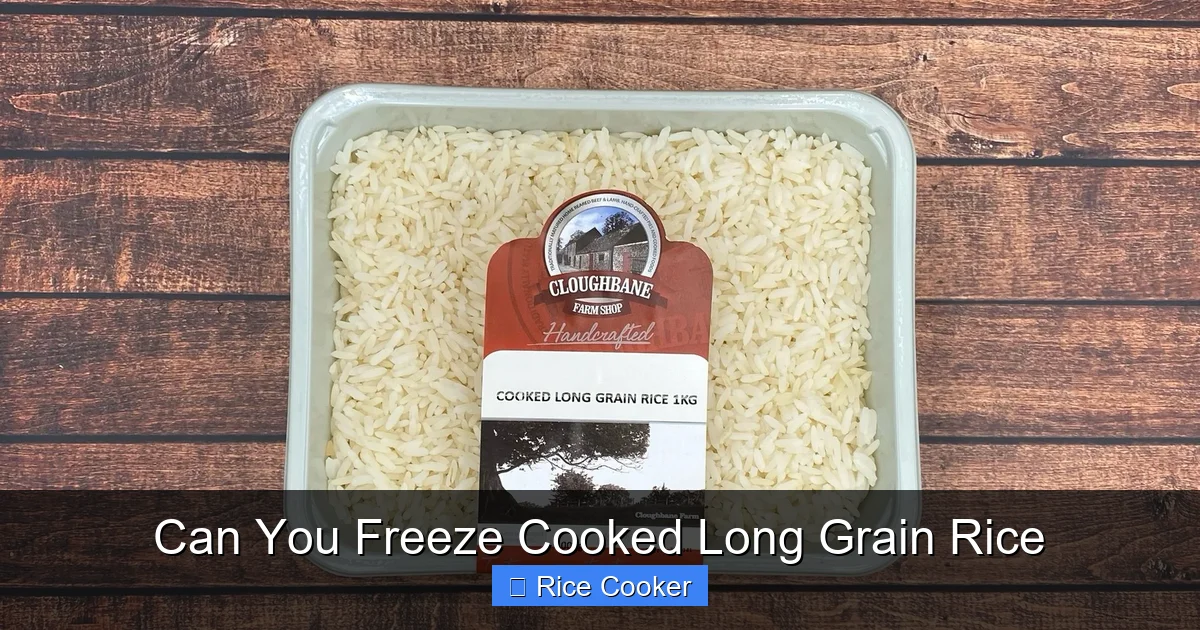
Can you freeze cooked long grain rice? Absolutely! Freezing cooked long grain rice is not only possible but also a practical method to extend its shelf life and keep meals ready for busy days. With proper storage and handling, frozen rice stays fresh and flavorful for up to three months. Whether you’re meal prepping or saving leftovers, this simple technique helps cut down on waste and ensures you always have quick, tasty rice on hand.
Key Takeaways
- Freezing cooked long grain rice safely preserves its texture and taste. When stored properly in airtight containers or freezer bags, rice can last up to 3 months without significant quality loss.
- Portion control is key to easy reheating. Divide rice into individual or family-sized portions before freezing to avoid thawing more than you need.
- Proper cooling prevents bacterial growth. Never leave warm rice sitting out for more than two hours before refrigerating or freezing.
- Labeling containers with dates helps track freshness. This simple step ensures you use the oldest batches first and maintain food safety standards.
- Reheating frozen rice restores its original texture. Use a microwave, stovetop, or steamer to bring it back to perfect eating temperature and consistency.
- Freezing is ideal for meal prep and reducing waste. Instead of tossing leftover rice, freeze it for future stir-fries, fried rice, or grain bowls.
- Cooked long grain rice freezes better than instant or pre-seasoned varieties. Plain, unseasoned rice maintains its structure and doesn’t become mushy when thawed.
[FEATURED_IMAGE_PLACEHOLDER]
Introduction: The Smart Move of Freezing Cooked Long Grain Rice
Have you ever opened your fridge and found a container of leftover rice that’s starting to smell a bit off? Or maybe you cooked too much and now face the classic dilemma: eat it cold the next day or let it go to waste? If so, you’re not alone. Many home cooks struggle with rice overproduction, especially when using their rice cooker for big batches. But here’s a secret: you absolutely can freeze cooked long grain rice, and doing so is one of the simplest ways to cut food waste and keep your meals convenient.
Freezing rice isn’t just about preservation—it’s about flexibility. Imagine having perfectly cooked, fluffy long grain rice ready whenever you need it for fried rice, grain salads, or even as a base for stir-fry dishes. By freezing small portions, you transform what could be kitchen clutter into a pantry staple. In this guide, we’ll walk you through everything you need to know about freezing cooked long grain rice, from preparation to storage to reheating. Whether you’re meal prepping for the week or just want to save time, this article will make freezing rice feel easy and foolproof.
Why Freeze Cooked Long Grain Rice?
Before diving into the “how,” let’s talk about the “why.” Freezing cooked long grain rice offers several real-world benefits that go beyond just keeping food safe.
First, it significantly reduces food waste. According to the USDA, millions of pounds of rice are discarded each year due to spoilage. By freezing leftovers, you extend the life of your rice from just a few days in the fridge to up to three months in the freezer. That means fewer trips to the grocery store and more money saved over time.
Second, freezing allows for better meal planning. Think of your freezer as an extension of your meal prep strategy. Cook a big batch of long grain rice on Sunday, divide it into containers, and have a foundation ready for tacos, Buddha bowls, or Asian-inspired dishes all week long. No more last-minute scrambling for ingredients.
Finally, freezing preserves nutritional value. Rice is a staple in many diets, packed with carbohydrates, fiber, and essential B vitamins. When properly frozen, these nutrients remain intact, giving you a healthy, satisfying option anytime.
Of course, not all rice is created equal when it comes to freezing. While instant rice or pre-seasoned rice blends may break down during thawing, plain cooked long grain rice (like jasmine, basmati, or American long grain) holds its shape beautifully. That’s why we’re focusing on this versatile grain in this article.
How to Properly Freeze Cooked Long Grain Rice
Freezing cooked long grain rice correctly ensures it retains its texture, flavor, and safety. Follow these steps to do it right:
1. Cool the Rice Quickly
After cooking, don’t let the rice sit at room temperature for more than two hours. Bacteria grow rapidly between 40°F and 140°F (the “danger zone”), so speed matters. To cool it fast, spread the rice in a shallow pan or tray. This increases the surface area, allowing heat to escape faster. You can also place the container in an ice bath for quicker results.
2. Portion Into Containers
Divide the cooled rice into manageable portions. A good rule of thumb: plan for about ½ cup per person per meal. Use airtight freezer-safe containers or heavy-duty freezer bags. Squeeze out excess air from bags to prevent freezer burn. For extra protection, double-bag the rice or wrap containers in foil before placing them in the freezer.
3. Label and Date Everything
Write the contents and date on each container using a permanent marker. This helps you keep track of how long it’s been frozen and ensures you use the oldest batches first. Most experts recommend using frozen rice within three months for best quality.
4. Store in the Coldest Part of Your Freezer
Place the containers in the coldest section of your freezer—usually the back or bottom shelves. Avoid storing them near the door, where temperatures fluctuate. Keep them upright if using bags or rectangular containers to minimize damage from shifting.
5. Thaw Safely Before Reheating
When ready to use, thaw frozen rice in the refrigerator overnight or run it under cold water in a sealed bag. Never thaw at room temperature—this can promote bacterial growth. Once thawed, reheat immediately and consume within a few days.
By following these steps, you’ll preserve the quality of your cooked long grain rice and enjoy it exactly how you like it: warm, fluffy, and delicious.
Best Practices for Storing Frozen Rice
Storing rice properly is just as important as freezing it correctly. Here’s how to maximize shelf life and maintain quality:
Use the Right Containers
Choose containers made specifically for freezing—they’re designed to withstand temperature changes without cracking. Glass or BPA-free plastic containers with tight-fitting lids work well. Freezer bags are another excellent option, especially if you want to save space. Lay them flat when freezing to save room and allow even cooling.
Avoid Overfilling
Leave about an inch of headspace at the top of containers. Rice expands slightly when frozen, and leaving room prevents cracking or leaking. If using bags, fill only halfway and seal tightly after removing air.
Keep It Organized
Store rice containers in a single layer until they’re fully frozen. Once solid, you can stack them to save space. Use a labeled sheet or magnetic list on your fridge door to track what you have and when it was frozen.
Check for Freezer Burn
If you notice dry, icy patches or discoloration on the surface of your rice, it may have freezer burn. While still safe to eat, it will affect texture and taste. To minimize risk, ensure containers are airtight and avoid repeated freeze-thaw cycles.
Rotate Your Stock
Practice “first in, first out” (FIFO) by placing newer batches behind older ones. This simple habit ensures nothing gets lost in the back of the freezer and keeps your rice supply fresh.
With these practices, your frozen long grain rice will stay in great condition, ready whenever you need a quick meal or side dish.
Reheating Frozen Cooked Long Grain Rice: Tips for Perfect Results
One of the best things about freezing rice is how easy it is to reheat. But to get that same fluffy texture you enjoyed when it was freshly cooked, you need the right technique.
Microwave Method (Fastest)
Transfer a portion of thawed or frozen rice to a microwave-safe bowl. Add a splash of water or broth (about 1 tablespoon per cup) to prevent drying out. Cover with a damp paper towel or lid to trap steam. Microwave on high for 1–2 minutes per cup, stirring halfway through. Let it rest for 1 minute before fluffing with a fork.
Stovetop Method (Most Control)
For even heating and better texture, reheat rice on the stove. Place the rice in a saucepan with a teaspoon of oil or butter. Stir frequently over low heat, adding a little water if needed. Heat until steaming hot throughout—about 3–5 minutes depending on quantity.
Steamer Basket (Best Texture)
Using a bamboo or electric steamer basket lets moisture circulate gently, restoring softness without overcooking. Steam for 2–3 minutes until warmed through. This method works especially well for rice you plan to mix into stir-fries or salads.
Avoid These Common Mistakes
– Don’t microwave frozen rice directly without thawing—it heats unevenly.
– Don’t boil rice after thawing—it becomes gummy.
– Don’t skip adding liquid—rice dries out quickly when reheated.
With patience and the right method, your frozen long grain rice will taste almost as good as new.
Benefits of Freezing Long Grain Rice for Meal Prep
Meal preppers love freezing cooked long grain rice because it acts as a blank canvas. Once you master the basics, you can turn basic rice into dozens of meals.
Build Versatile Base Dishes
Use frozen rice as the foundation for grain bowls, burrito fillings, or stuffed peppers. Just thaw, heat, and add your favorite proteins, veggies, and sauces.
Speed Up Weeknight Dinners
Instead of starting from scratch, warm up a portion of rice and toss it into a pan with soy sauce, garlic, and vegetables for instant fried rice. It takes less than 10 minutes!
Support Plant-Based Eating
Rice pairs well with beans, lentils, roasted vegetables, and plant-based sauces. Freezing it in advance makes it easier to build balanced, nutritious meals without daily prep.
Reduce Stress During Busy Weeks
When life gets hectic, having ready-made rice saves time and energy. You’ll spend less time cooking and more time enjoying your food.
Many professional meal prep services rely on frozen rice for consistency and efficiency. Home cooks can adopt the same strategy with minimal effort.
Common Myths About Freezing Cooked Rice
Despite its popularity, freezing cooked rice comes with some myths. Let’s clear them up.
Myth: Rice Loses All Its Nutrients When Frozen
False. While some nutrient degradation occurs over time, freezing actually slows down oxidation and microbial activity. The nutrients in long grain rice remain largely intact if stored properly.
Myth: Frozen Rice Becomes Mushy
Not true—if you follow proper cooling and storage steps. Mushiness usually results from improper reheating or overcooking during initial preparation. Freshly cooked long grain rice freezes beautifully.
Myth: You Can Freeze Rice Immediately After Cooking
This is risky. Pouring hot rice straight into the freezer can raise the internal temperature of the appliance, affecting other items. Always cool rice to room temperature first.
Myth: Only Instant Rice Should Be Frozen
On the contrary, plain cooked long grain rice freezes better because it has a firmer starch structure. Seasoned or flavored rice may break down due to added oils or acids.
Understanding these truths helps you freeze rice with confidence.
How Long Does Cooked Long Grain Rice Last When Frozen?
Under ideal conditions, cooked long grain rice remains safe and edible for up to three months in the freezer. However, quality starts to decline around month two, with texture and flavor becoming noticeably different.
Signs It’s Still Good
– No unusual odor
– No ice crystals or excessive dryness
– Color remains consistent
Signs to Discard
– Strong sour or fermented smell
– Mold or discoloration
– Grittiness or clumping that won’t break apart
When in doubt, remember the rule: when food looks, smells, or feels off, it’s better to throw it out than risk illness.
Freezer vs. Refrigerator Storage
While rice lasts about 4–6 days in the fridge, freezing extends its life dramatically. If you’re unsure whether to freeze or refrigerate, choose freezing for longer-term storage.
Does Freezing Affect Taste?
Minimal effect if done correctly. Some people prefer freshly cooked rice, but most find frozen-reheated rice indistinguishable from new after proper thawing and reheating.
Tips for Different Types of Long Grain Rice
Not all long grain rice is the same. Here’s how common varieties behave when frozen:
Basmati Rice
Known for its fragrant aroma and long, slender grains, basmati holds up well when frozen. It resists sticking and stays separate after reheating. Ideal for Indian, Pakistani, and Middle Eastern dishes.
Jasmine Rice
Slightly sticky and aromatic, jasmine rice can become softer when frozen. To preserve texture, avoid overcooking initially and add a bit more water when reheating.
American Long Grain Rice
This common supermarket variety freezes exceptionally well. It has a neutral flavor and firm texture, making it perfect for a wide range of cuisines.
Brown Long Grain Rice
Higher in fiber and nutrients, brown rice also freezes well. However, it may take slightly longer to reheat evenly due to its denser structure.
No matter the type, follow the same freezing and reheating guidelines for best results.
Environmental and Economic Impact of Freezing Rice
Beyond convenience, freezing cooked long grain rice supports sustainability and cost savings.
Lowers Food Waste
Each year, households throw away thousands of dollars worth of food. By freezing rice, you give it a second life instead of sending it to landfills, where it contributes to methane emissions.
Reduces Grocery Spending
Buying rice in bulk and freezing portions cuts down on frequent shopping trips and potential waste. It’s a small change with a big financial benefit.
Supports Sustainable Cooking Habits
Freezing aligns with zero-waste principles. It encourages mindful cooking, smarter storage, and intentional meal planning.
Even if you don’t compost or recycle, reducing food waste is one of the easiest ways to live more sustainably.
Conclusion: Freeze It, Save It, Enjoy It
So, can you freeze cooked long grain rice? The answer is a confident yes—and doing so opens up a world of culinary flexibility. From reducing food waste to simplifying meal prep, freezing rice is a game-changer for any home cook. With proper techniques, your rice will stay fresh, safe, and delicious for weeks or even months.
Remember: cool it fast, portion it wisely, label it clearly, and reheat with care. Whether you’re stocking your freezer for the week or salvaging leftovers, these steps make freezing rice simple and effective.
Next time you make a big pot of long grain rice, think twice before tossing half of it. Freeze it instead. You’ll thank yourself later—when you’ve got a quick, tasty meal ready in minutes.
This is a comprehensive guide about can you freeze cooked long grain rice.
Key Takeaways
- Understanding can you freeze cooked long grain rice: Provides essential knowledge
Frequently Asked Questions
Can you freeze cooked long grain rice?
Yes, you can freeze cooked long grain rice safely and effectively. When stored in airtight containers or freezer bags, it can last up to three months while maintaining good texture and flavor. Simply cool the rice quickly, portion it, and freeze promptly to ensure food safety.
How long does frozen cooked long grain rice last?
Frozen cooked long grain rice remains safe to eat for up to three months. Quality may begin to decline after two months, but if it smells normal and shows no signs of freezer burn, it’s likely still usable. Always check for off odors or mold before consuming.
Is it safe to freeze rice that’s been left out overnight?
No, it’s not safe. Rice should never be left at room temperature for more than two hours, as bacteria like Bacillus cereus can grow rapidly in the “danger zone” between 40°F and 140°F. If rice has been sitting out overnight, discard it to avoid foodborne illness.
How do I reheat frozen cooked long grain rice without making it soggy?
To prevent sogginess, thaw rice first—either in the fridge overnight or under cold running water in a sealed bag. Then reheat in a covered microwave with a splash of water or on the stovetop with a bit of oil. Stirring frequently helps distribute heat evenly and restore fluffiness.
Can I freeze rice directly in the pot it was cooked in?
It’s not recommended. Metal pots can warp or crack in the freezer, and non-stick coatings may degrade over time. Transfer rice to freezer-safe containers or bags instead. This also makes portioning and reheating much easier later on.
Does freezing change the taste of long grain rice?
When done correctly, freezing has minimal impact on taste. Some people detect subtle changes after long storage, but most find that properly thawed and reheated rice tastes nearly identical to fresh. Adding a little water or broth during reheating helps restore moisture and flavor.